%201.webp)
02
AI Snaps
.svg)
.svg)
01
Our Work

03
About Us
05
Contact Us
06
Client Success

07
Blogs
08
Careers
Book A Call


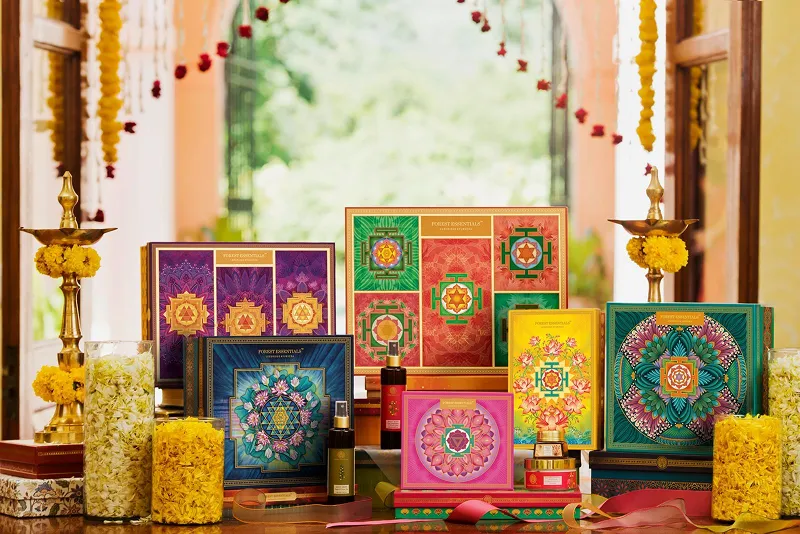
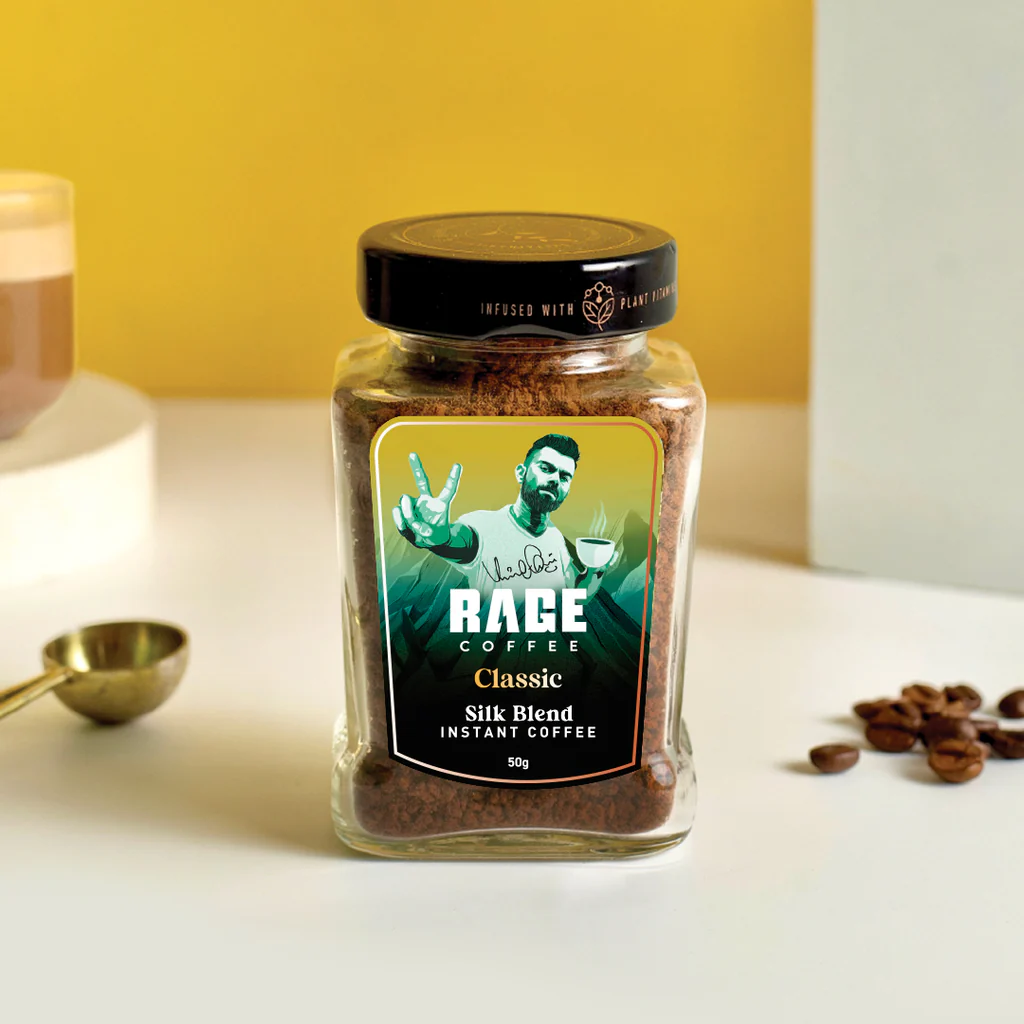
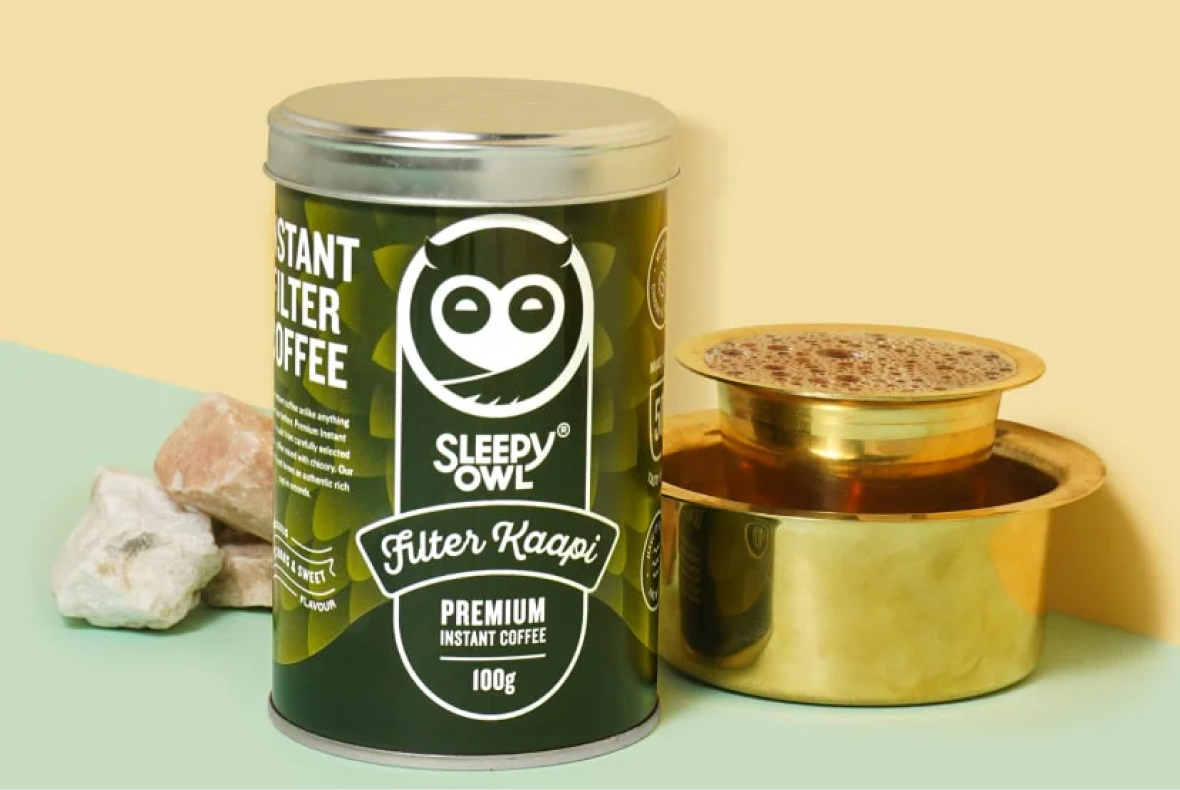
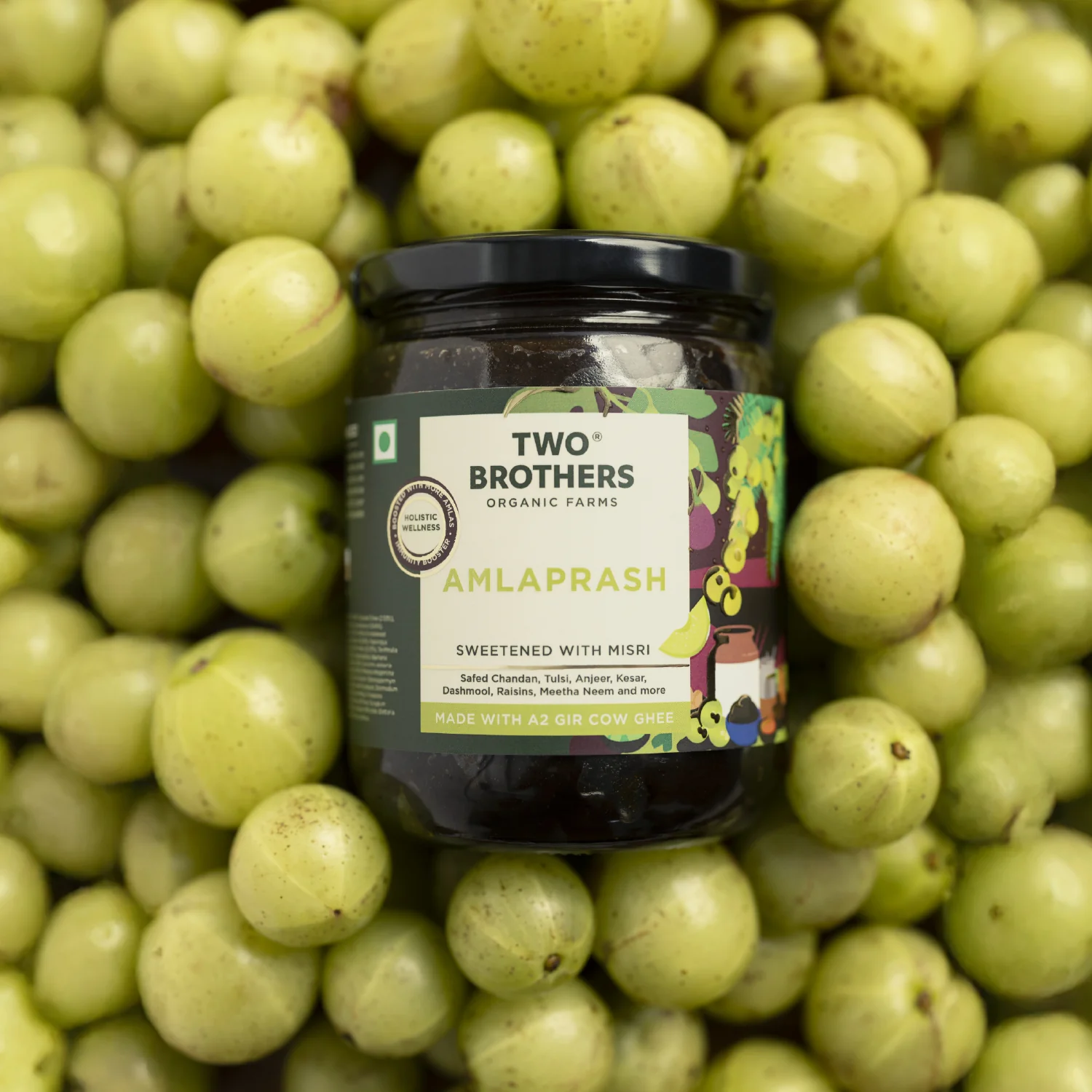
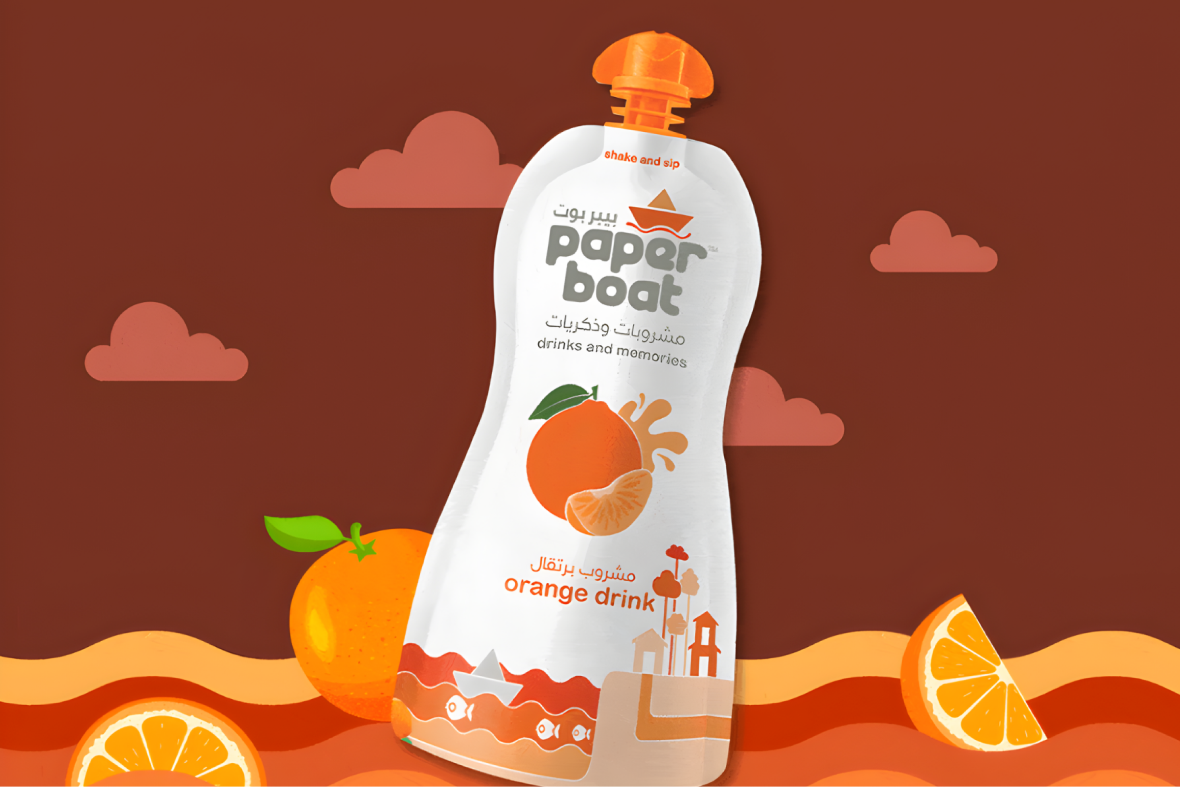
Packaging design is where branding meets reality. It is the moment when a customer finally holds the brand in their hands. For many Indian brands, packaging has played a defining role in how they are discovered, remembered, and chosen again. Think of Paper Boat’s nostalgic illustrations, The Whole Truth’s clean and transparent packs, Blue Tokai’s minimal yet confident coffee bags, or brands like Epigamia, Sleepy Owl, and Kapiva, which have built strong shelf presence despite operating in crowded categories.
Good packaging does more than look attractive. It communicates value, builds trust, signals quality, and influences buying decisions in seconds. In retail, packaging often has to do the job of marketing, storytelling, and differentiation all at once. A strong product with weak packaging struggles to scale, while well-designed packaging can elevate even a simple product into a brand people recognise and return to.
Packaging design is the process of designing how a product is presented physically and visually to the customer. This includes the structure of the pack, the choice of materials, and the visual system applied to it. At a visual level, packaging design brings together imagery, typography, colour, layout, and information hierarchy to communicate what the product is, who it is for, and why it matters.
For example, The Whole Truth uses straightforward typography, muted colours, and clear layouts to reinforce transparency and honesty. Paper Boat relies heavily on illustration and storytelling to evoke nostalgia and emotion. Blue Tokai’s packaging is restrained and confident, reflecting craft and quality without shouting. These brands may operate in different categories, but each uses packaging as an extension of brand strategy rather than
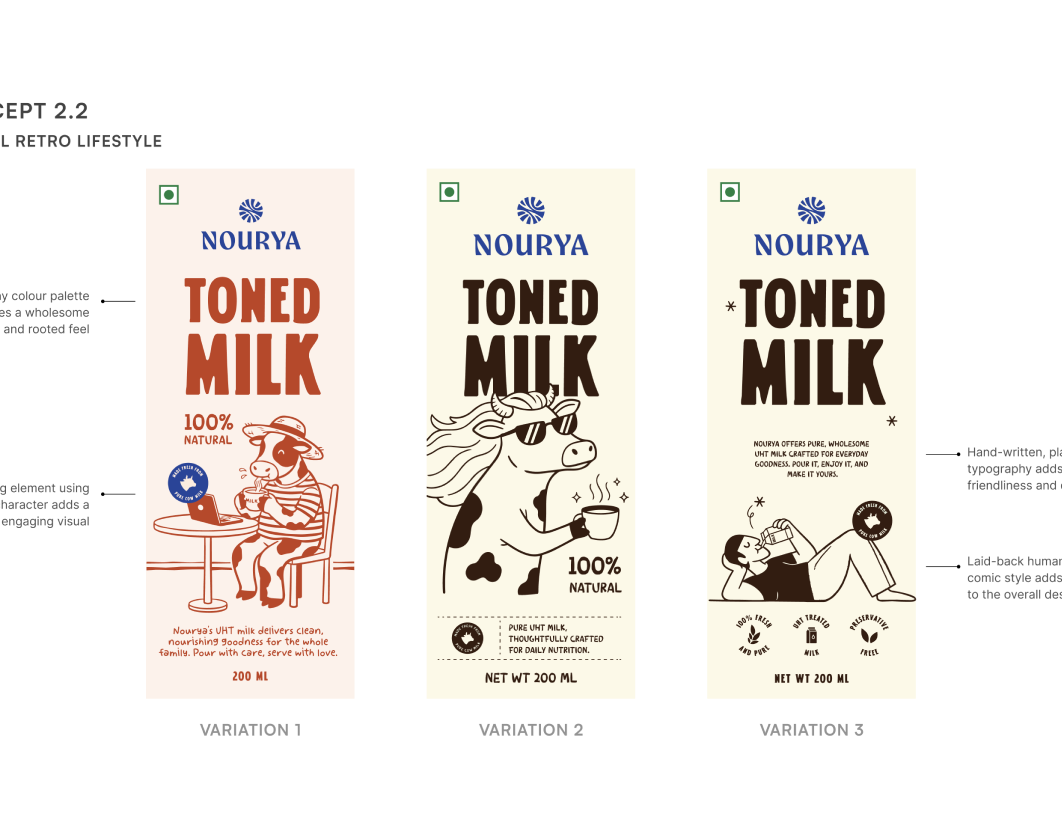
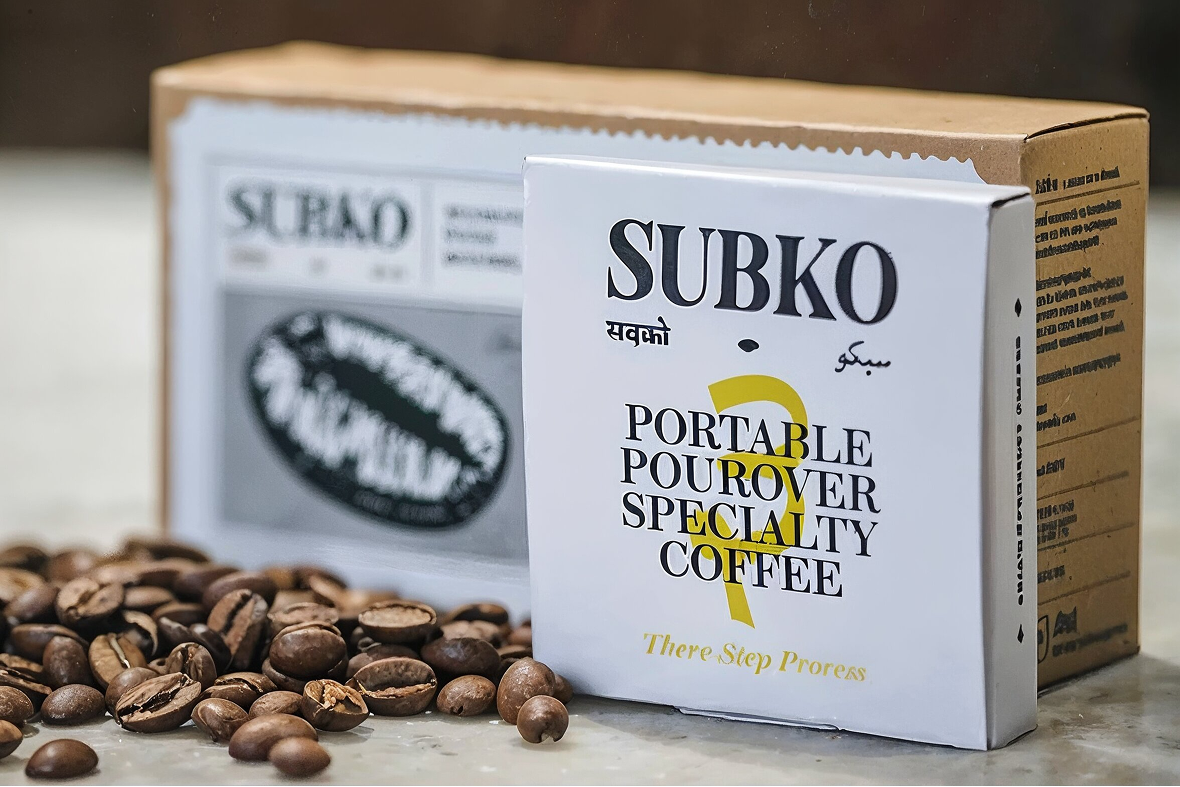
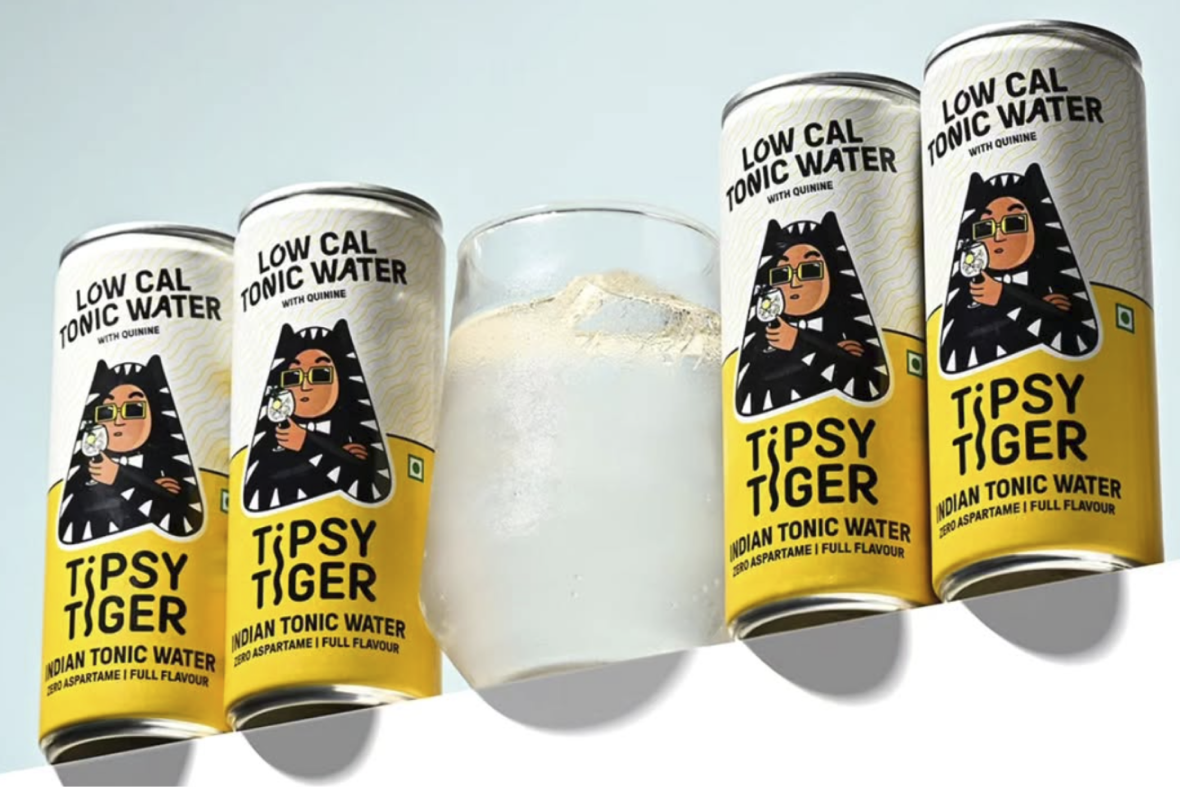
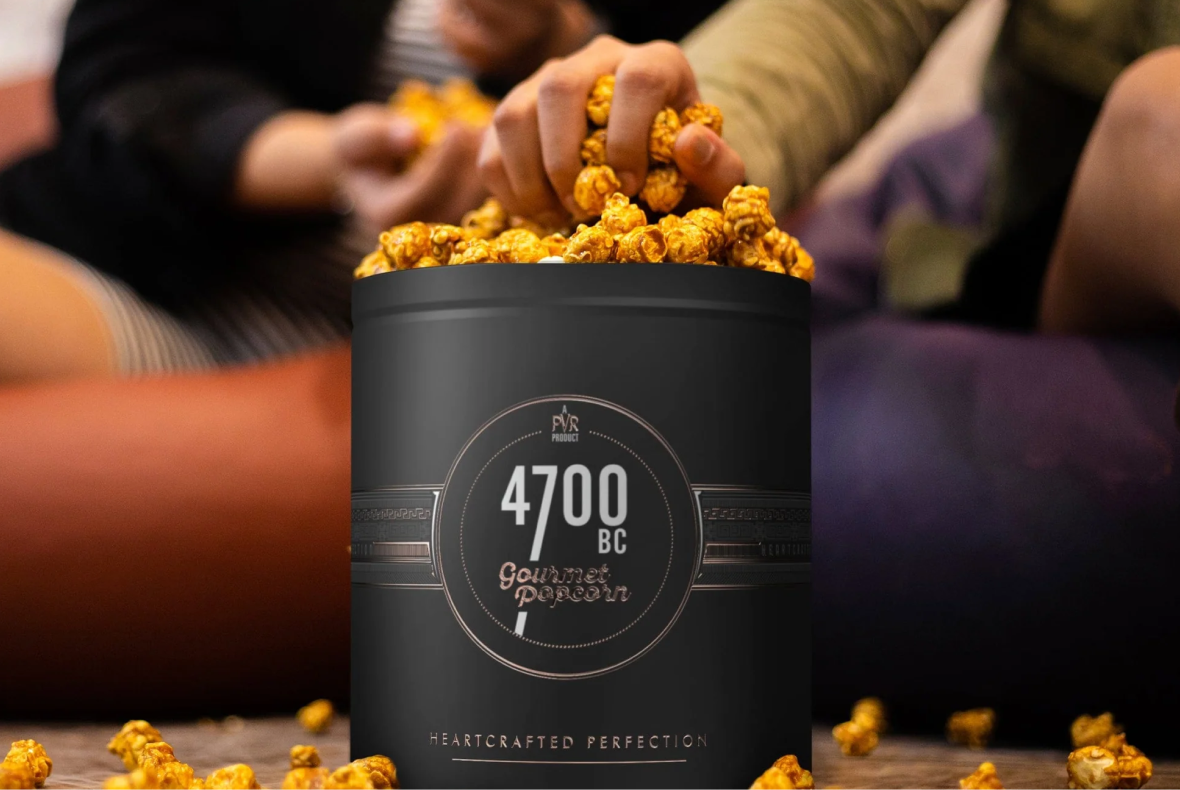
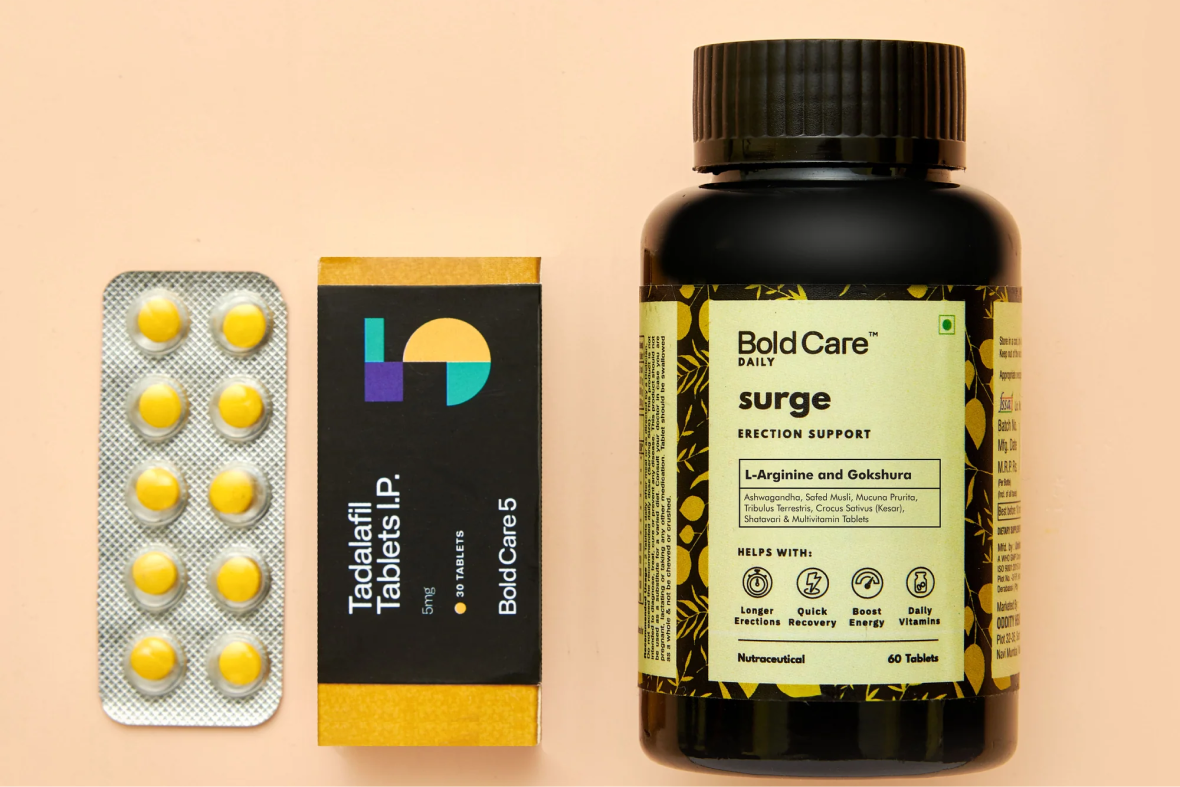
At Confetti, packaging design is approached as a complete experience rather than a flat visual exercise. We think beyond the front panel and design for how packaging is touched, opened, and understood over time. Our process works across three connected layers: the unboxing experience, material identification, and full packaging execution. The unboxing experience is designed as a journey, considering sequencing, reveal, and interaction so the brand communicates intentionally at every step. Material choices are made just as deliberately, balancing perception, usability, sustainability, cost, and scalability so the packaging feels aligned with the brand’s positioning, not accidental.
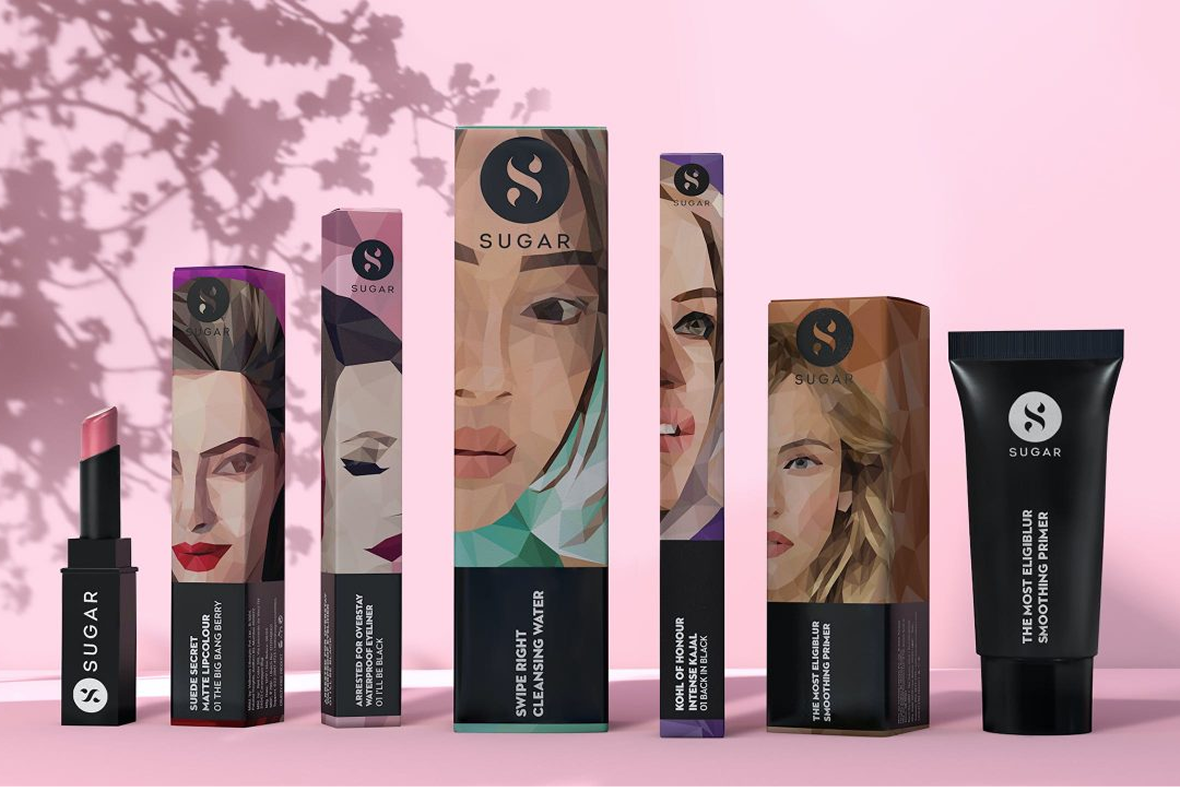
Execution happens across the entire pack, not in isolation. We design the Front of Pack for attention and shelf impact, the Side of Pack for continuity and storytelling, and the Back of Pack for compliance, nutrition, and legal information. Each surface works as part of a single system, with typography, hierarchy, and imagery carefully balanced to perform in real-world conditions. Alongside design, we place strong emphasis on ownership and legal safety. All concepts, artwork, and final files are original and fully owned by the client, ensuring the packaging is not only effective but also secure and future-proof.

Confetti’s team is trusted by global leaders, and it’s time we join forces with you to create your Iconic brand!
Tap the button below and talk to our founders directly.



.webp)

Many packaging designs fail not because they look bad, but because the process is shallow. Some of the most common issues include:
Confetti’s approach is designed to avoid these pitfalls. By going deeper into experience, material, structure, and strategy, we create packaging that not only stands out visually but also performs commercially and holds up over the course of time.
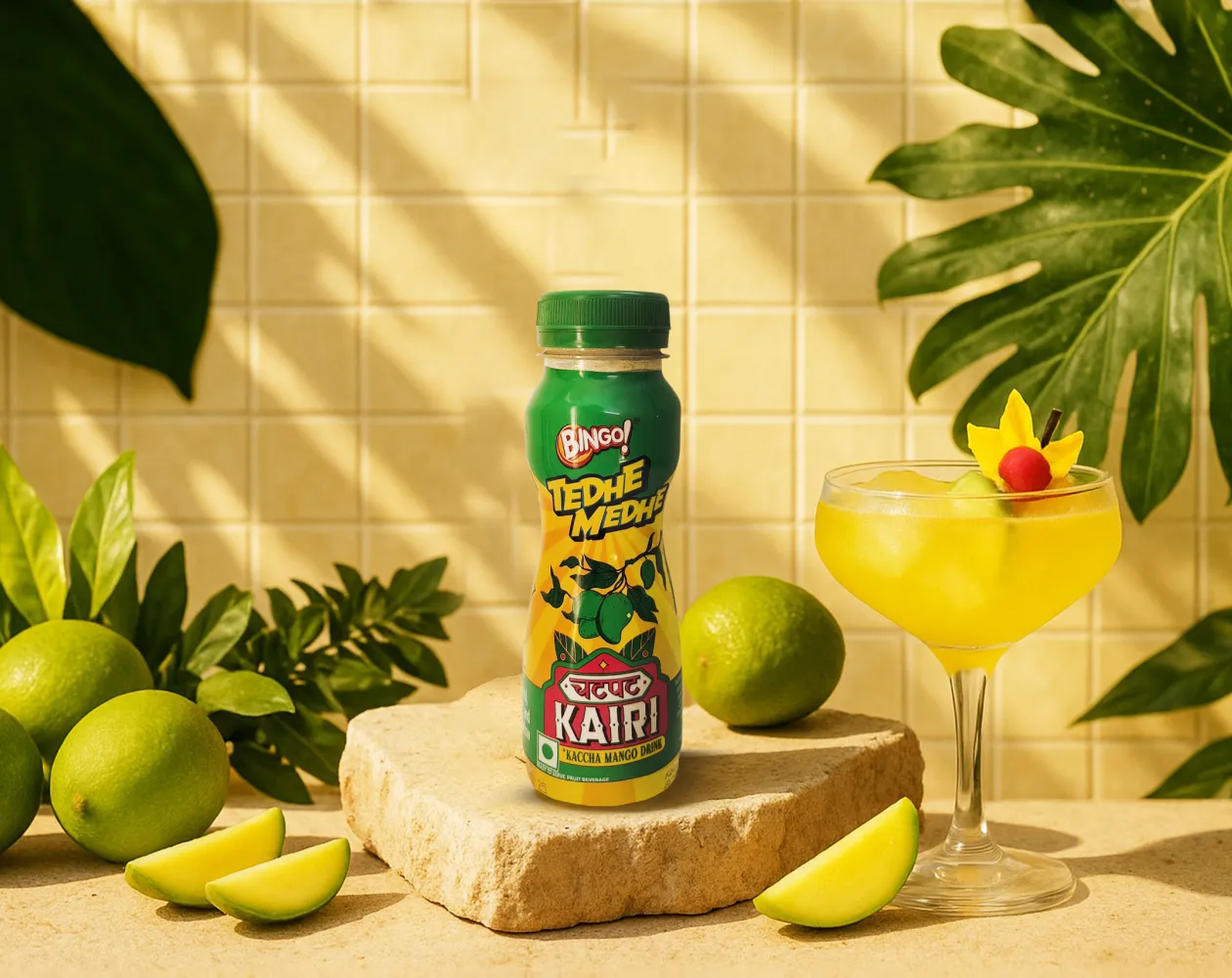
We worked with Bingo (by ITC) to help them launch India’s next viral beverage; Aam Panna
%201.png)
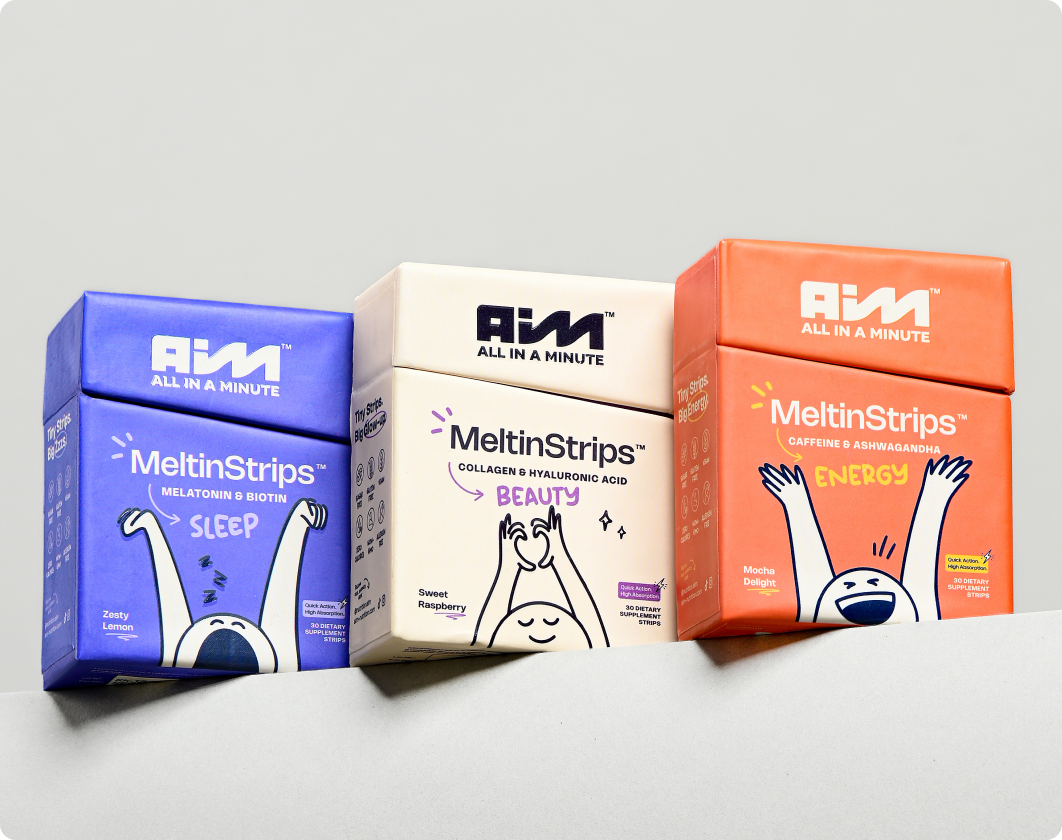
Global award-winning Identity & packaging design for US's health & lifestyle startup AIM Nutrition
-p-2000%201.png)
Building India’s fastest growing D2C supplements brand, Miduty by redesigning their branding, packaging & e-commerce website
.svg)
In most retail settings, packaging is doing the selling on your behalf. It’s often the first interaction a customer has with the product, and sometimes the only one before they decide whether to pick it up or move on. In those few seconds, packaging has to earn attention, signal value, and create the right emotional response. Whether that emotion is trust, excitement, reassurance, or indulgence depends entirely on what the customer is looking for in that moment.
At Confetti, we build packaging with this reality in mind from Day 1. Every decision is tied back to what the product needs to communicate when no one is there to explain it. This helps ensure the pack works hard on the shelf, not just in mockups. If you want to understand whether your packaging should lead with standout appeal or quiet confidence, getting on a short call with our team will help us assess where your product truly wins.
Packaging design goes far beyond what’s visible on the front panel. Customers pick up packs, turn them around, read side panels, check ingredients, look for reassurance, and notice how information is prioritised. Material choice, structure, finishes, legal text, hierarchy, and information flow all shape how the product is experienced. If these elements aren’t considered together, the packaging may look good at first glance but feel confusing or untrustworthy in hand.
At Confetti, we design packaging as a 360° system, typically over two to three weeks, so every surface has a clear role to play. This includes thinking through how the pack is held, where the eye naturally moves, and what information needs to land first versus later. If you’d like to walk through how customers actually interact with your pack in real life, hopping on a quick call with our team is the best way to map that experience properly.
Balancing shelf impact truly comes down to assigning clear roles to each part of the pack. The front of the pack is there to attract attention and communicate the brand at a glance. It’s about emotional pull and visibility in a crowded environment. The side panels do the heavier lifting when it comes to differentiation and product communication, helping customers understand what makes the product right for them. The back of the pack is where legal and regulatory information lives, organised in a way that’s clear and easy to navigate.
This structured thinking is what we call the Confetti way. By defining what each surface is responsible for, creativity doesn’t compete with usability or compliance. It supports it. If you’re trying to strike the right balance between standing out on the shelf and meeting real-world requirements, getting on a short call with our team can help you see how this approach would work for your product.
Material selection needs to be part of the conversation early, not something tacked on at the end. The material you choose affects far more than just how the pack feels. It influences structure, colour accuracy, finishes, cost, sustainability, and even how the product is perceived on the shelf. Designing without considering material often leads to compromises later, when great ideas have to be adjusted to fit manufacturing reality.
You can see how intentional this can be with Aesop. Its material choices reinforce its thoughtful, premium positioning just as much as its visuals do. At Confetti, we discuss materials before the final artwork is locked in, so design and production are working together rather than against each other. If you want to align your design ambition with what’s actually feasible to produce, hopping on a short call with our experts is the most practical way to do that early on.
Original packaging comes from understanding the category before trying to stand apart from it. We start with category audits and originality checks to see what’s already out there, what visual cues are overused, and where brands are starting to look too similar. This helps avoid accidental imitation, which is where many D2C brands run into trouble. When visual language is copied too closely, it doesn’t just dilute differentiation, it can also lead to legal challenges once the brand starts scaling.
At Confetti, we design packaging as a system rather than a one-off look. That system is built with legal safety and long-term scalability in mind, so it can stretch across formats, SKUs, and markets without losing integrity or inviting risk. Legal compliance isn’t treated as a checkbox at the end, it’s a core design principle from the start. If you want to pressure-test your packaging for originality and future readiness before launch, getting on a short call with our experts can help spot issues early and save costly revisions later.

Lorem ipsum dolor sit amet, consectetur adipiscing elit. Suspendisse varius enim in eros
Lorem ipsum dolor sit amet, consectetur adipiscing elit. Suspendisse varius enim in eros
Lorem ipsum dolor sit amet, consectetur adipiscing elit. Suspendisse varius enim in eros
.svg)
.svg)








.svg)
.webp)



















.webp)
















.webp)




.webp)