%201.webp)
02
AI Snaps
.svg)
.svg)
01
Our Work

03
About Us
05
Contact Us
06
Client Success

07
Blogs
08
Careers
Book A Call


UGC marketing, or User Generated Content marketing, works on a simple truth: people trust people who feel like them. Instead of polished influencers or celebrities, UGC features relatable individuals and natural, unfiltered content that feels honest rather than produced. A strong Indian example is MyMuse, a sexual wellness brand that uses everyday women speaking openly and comfortably about intimacy and self-care, avoiding the awkwardness or exaggeration common in the category. This approach works especially well in trust-led spaces like wellness, skincare, personal care, food, and lifestyle, because it makes the brand feel approachable, credible, and easy to believe.

UGC marketing is the use of content created by everyday creators who do not have large followings and are not positioned as influencers. These creators are chosen for how relatable they feel, not for how many followers they have. The content usually takes the form of short videos showing product usage, first impressions, unboxing experiences, problem-solution narratives, or simple testimonials. Because the content mirrors how real users speak and behave, it often performs better than highly produced brand videos, especially in paid advertising environments. UGC is not about reach through the creator’s audience. It’s about creating assets that brands can use across social media and performance marketing to build trust quickly.
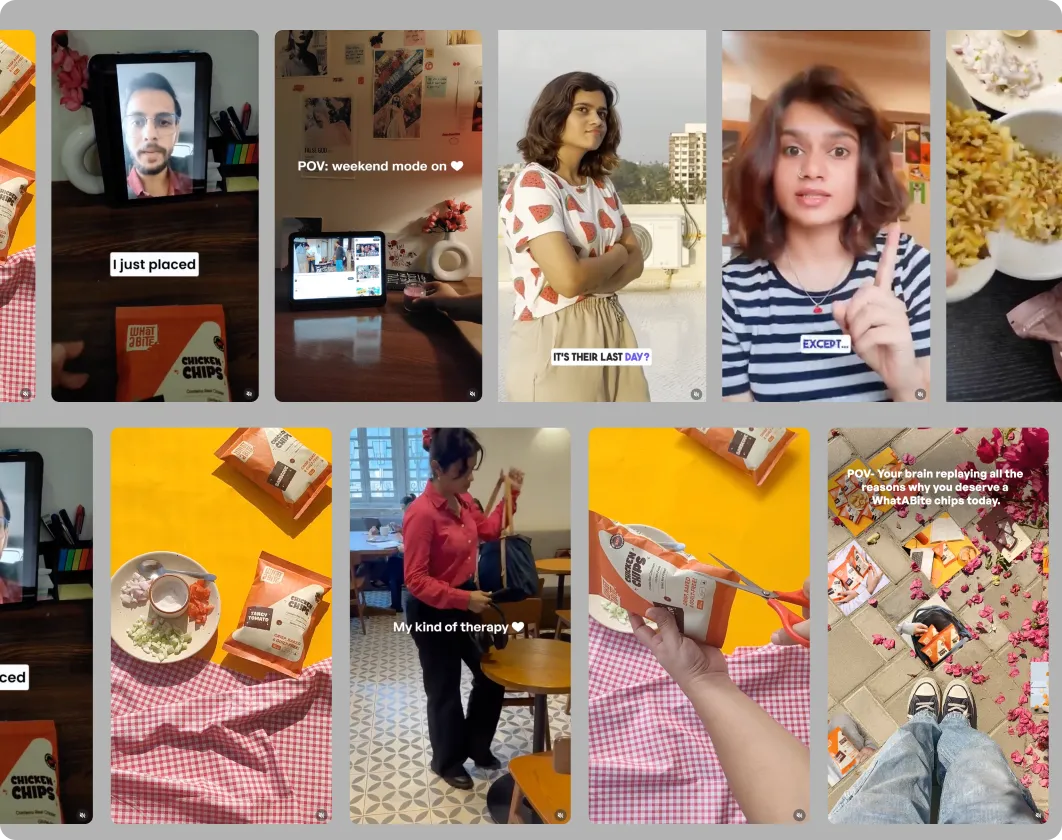
At Confetti, UGC marketing is planned as part of the overall social media and performance strategy, not as a standalone tactic. We work with a curated pool of UGC creators across genders, age groups, and language preferences, and decide the exact role UGC should play based on the user persona and monthly content plan. For instance, if a brand is posting ten times a month, we may recommend two to three UGC-led posts to balance relatability with brand-led content.
Every UGC asset is scripted before it’s shot. Our copywriters define the message, tone, language, creator profile, and how the product appears on camera, so execution is intentional rather than improvised. Creators are briefed to deliver the script naturally, keeping the content honest and conversational. The result is content that feels real, builds trust quickly, and performs well in ads. Because UGC is cost-effective, brands can produce more assets and scale paid campaigns using content that already feels authentic, often leading to stronger engagement and conversions.

Confetti’s team is trusted by global leaders, and it’s time we join forces with you to create your Iconic brand!
Tap the button below and talk to our founders directly.



.webp)

UGC marketing often fails because it is misunderstood or poorly executed. Some of the most common mistakes include:
At Confetti, scripting is always handled by professional copywriters and scriptwriters, while creators focus purely on performance.This separation of roles is one of the main reasons UGC content performs better in our campaigns.
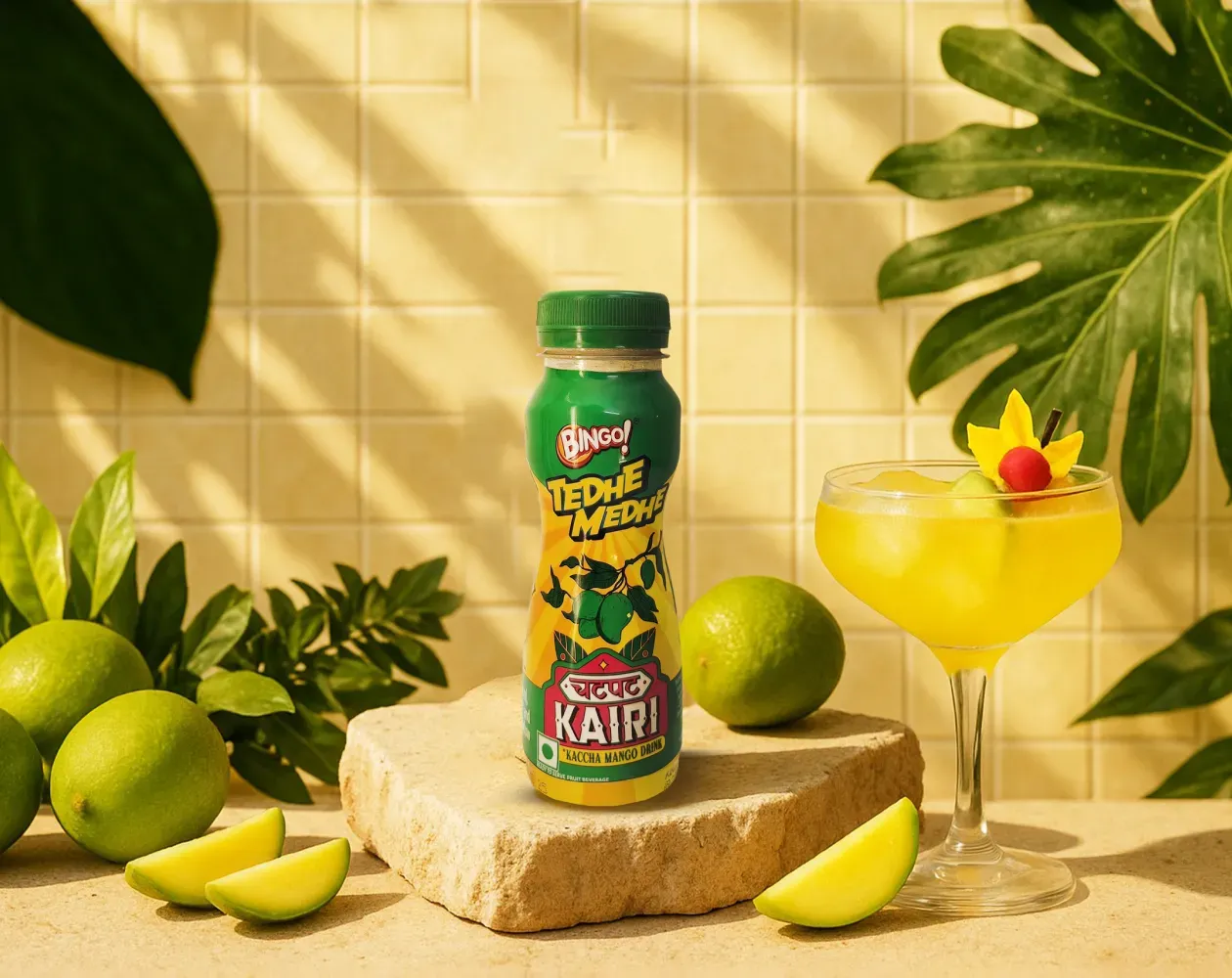
We worked with Bingo (by ITC) to help them launch India’s next viral beverage; Aam Panna
%201.webp)
Global award-winning Identity & packaging design for US's health & lifestyle startup AIM Nutrition
-p-2000%201.webp)
Building India’s fastest growing D2C supplements brand, Miduty by redesigning their branding, packaging & e-commerce website
.svg)
UGC marketing and influencer marketing serve very different roles, even though they often get lumped together. UGC is content-first. It’s about creating authentic, product-led content that feels like it came from a real customer, not a paid endorsement. Influencer marketing, on the other hand, is reach-first. You’re buying access to an audience. That’s why UGC is often more affordable and more versatile, especially for brands that need high-performing creative for ads and social without committing to big creator fees.
This is why so many D2C brands rely on UGC for their paid ads and organic channels. The content feels native, believable, and easier to test at scale. At Confetti, we work with a strong roster of UGC creators and help brands choose voices that actually fit the product and audience, not just the brief. If you’re deciding whether UGC or influencers make more sense for your stage, hopping on a short call with our experts can help pick the right lever before you invest.
Yes, definitely, UGC works even when creators don’t have large followings, because reach isn’t the point. What matters is how real and believable the content feels. Some of the best-performing ads actually come from smaller creators who look and sound like genuine customers, not influencers. Their content feels native, which is exactly why people trust it and engage with it.
At Confetti, we treat UGC as a performance channel. Every creator and piece of content is tested, analysed, and evaluated for ROI, not popularity. If you want to understand how to source creators who convert rather than just look good on paper, hopping on a short call with our experts can help map out the right approach.
UGC actually tends to work best for products that need explanation, trust, or real-world demonstration before someone feels confident buying. Categories like skincare, wellness, beauty, and food and beverage benefit heavily because customers want to see how the product is used, what results look like, and how it fits into everyday life. Seeing a real person use the product often removes hesitation far faster than polished brand content.
At Confetti, we assess category fit early, before budgets are committed, to make sure UGC will actually move the needle rather than just add content volume. If you want to confirm whether UGC makes sense for your product and how it should be used, hopping on a short call with our experts can help validate that before you invest.
The key with UGC is giving just enough direction to stay on-brand without turning creators into script readers. When brands over-control the message, the content loses credibility and starts to feel like an ad, which defeats the point of UGC entirely. The best-performing UGC feels natural, slightly imperfect, and true to how real customers speak.
At Confetti, we use loose creative frameworks rather than rigid scripts. This keeps the brand message intact while giving creators the freedom to sound like themselves. If you want to strike the right balance between control and authenticity, hopping on a short call with our experts can help set that framework clearly.
UGC works best when it’s treated as a flexible asset, not a one-time post for the sake of marketing. High-performing brands reuse strong UGC across organic social, paid ads, landing pages, emails, and even product pages, because the same authentic content builds trust at multiple touchpoints. When planned well, one good piece of UGC can outperform polished brand creatives across channels and over time. At Confetti, we plan UGC with reuse in mind from day one, so it delivers value well beyond a single campaign. If you want to maximise ROI from the content you commission, hopping on a short call with our experts can help map where and how it should live.


Lorem ipsum dolor sit amet, consectetur adipiscing elit. Suspendisse varius enim in eros
Lorem ipsum dolor sit amet, consectetur adipiscing elit. Suspendisse varius enim in eros
Lorem ipsum dolor sit amet, consectetur adipiscing elit. Suspendisse varius enim in eros
.svg)
.svg)








.svg)
.webp)


























.webp)





















.webp)




.webp)