%201.webp)
02
AI Snaps
.svg)
.svg)
01
Our Work

03
About Us
05
Contact Us
06
Client Success

07
Blogs
08
Careers
Book A Call


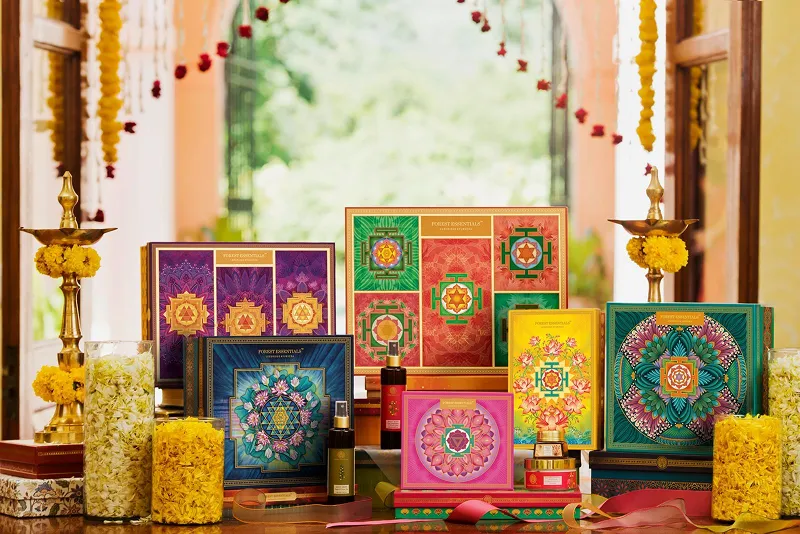
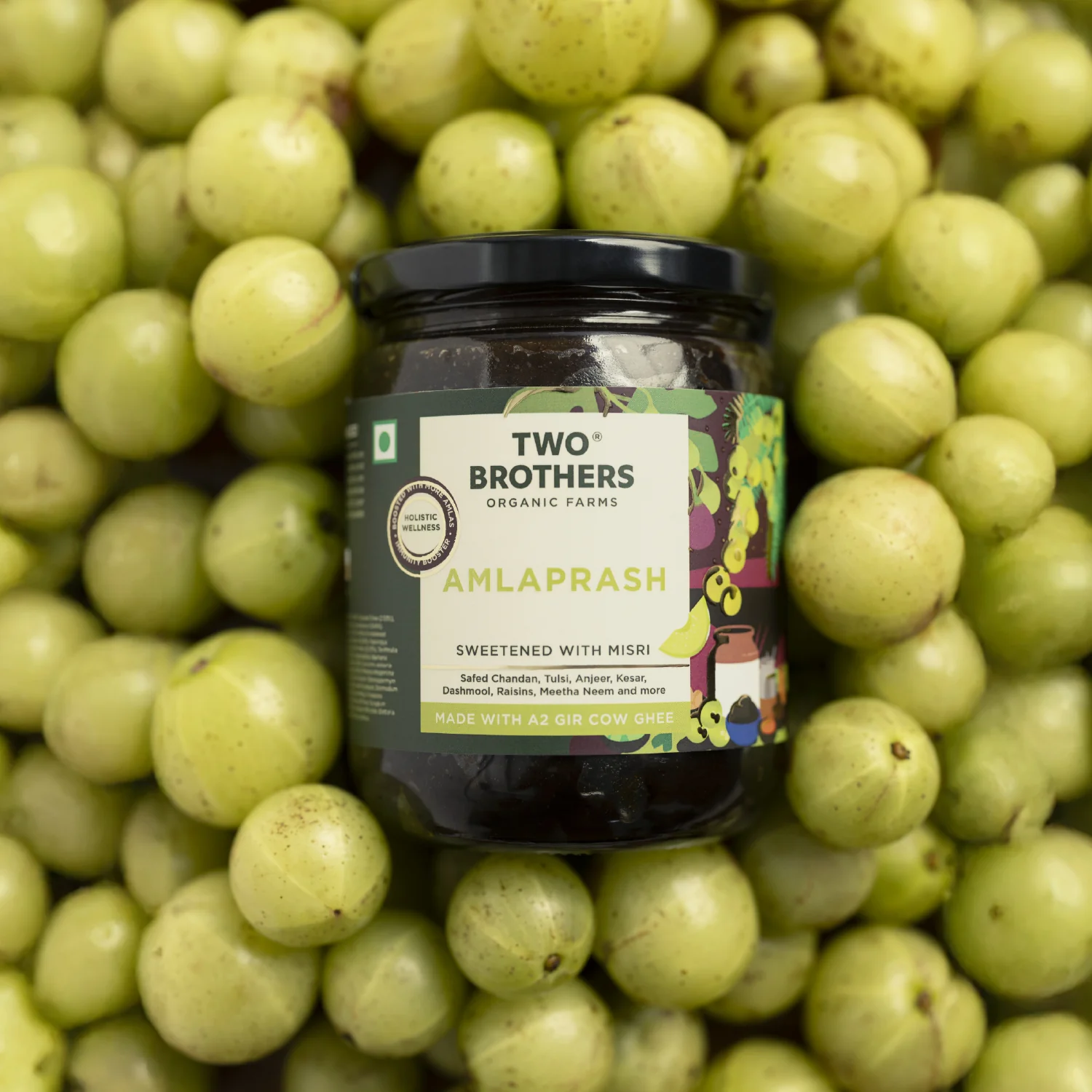
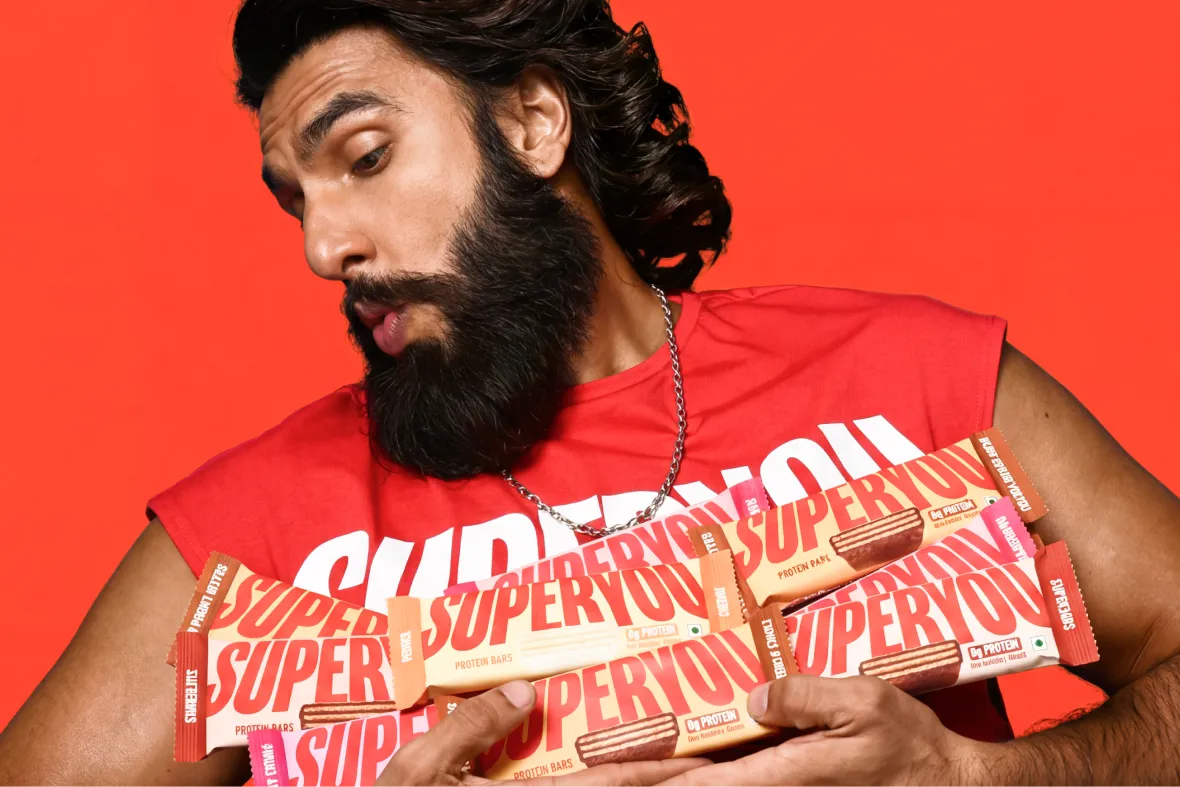
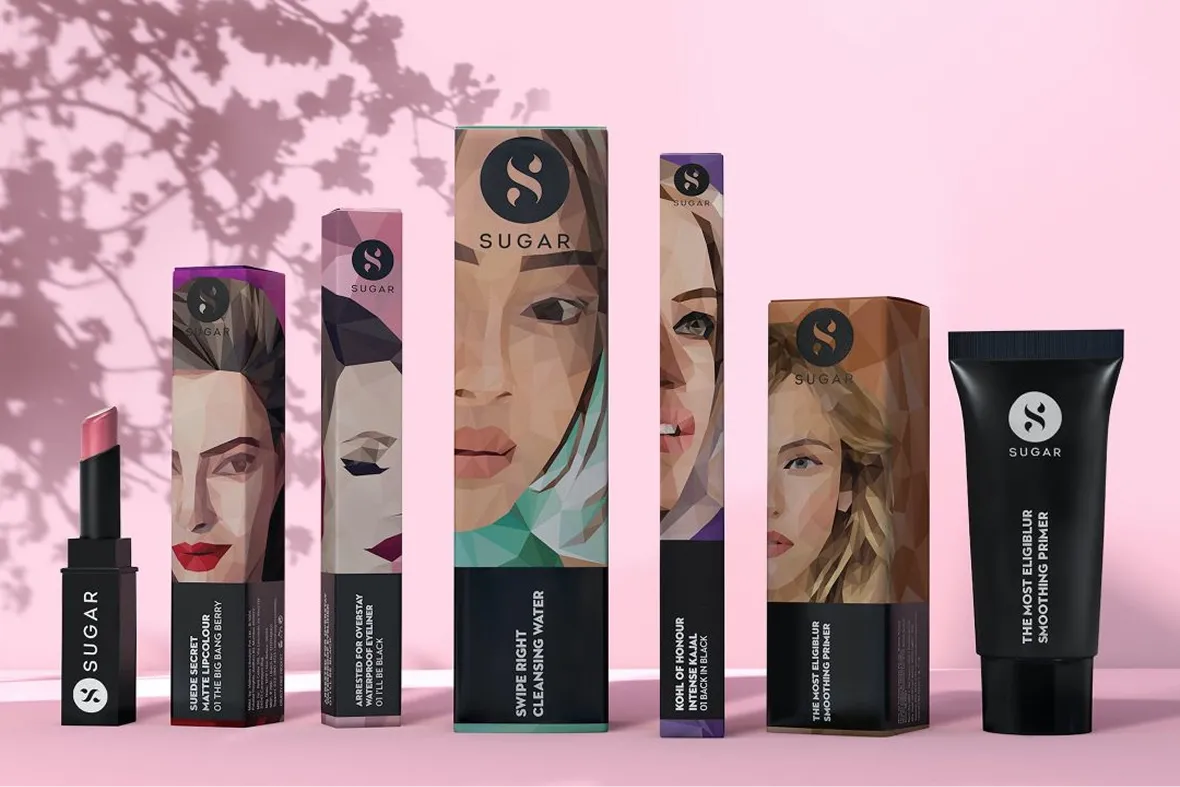
Product photography plays a decisive role in how a brand is judged, especially in categories like skincare, beauty, wellness, and personal care, where perception often forms before a word is read. Indian brands illustrate this clearly through distinct visual intent: d’you uses minimal, ingredient-led imagery to reinforce a science-first positioning; Indē Wild leans into warm, lifestyle-driven visuals rooted in culture and ritual; SuperYou adopts brighter, energetic photography to make wellness feel approachable; and Kama Ayurveda relies on restrained, elegant imagery to signal heritage and trust. These brands may sell comparable products, but their photography choices are deliberate extensions of positioning, shaping how premium, credible, or accessible the brand feels at first glance.
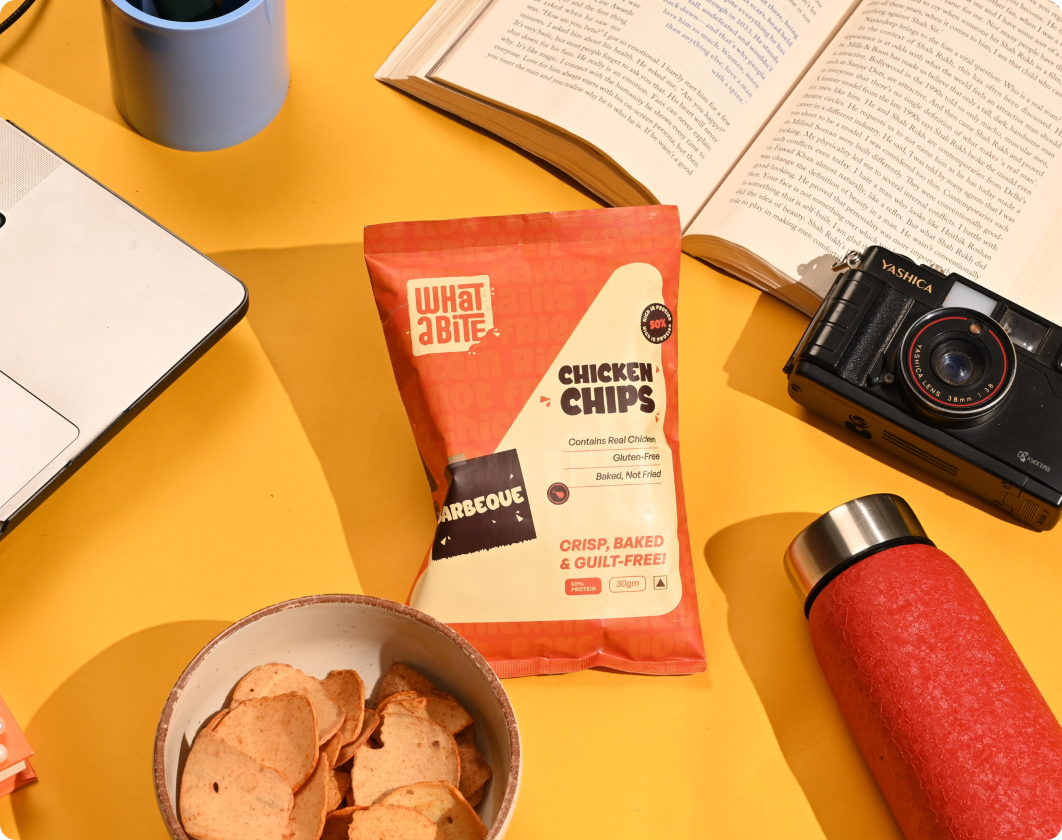
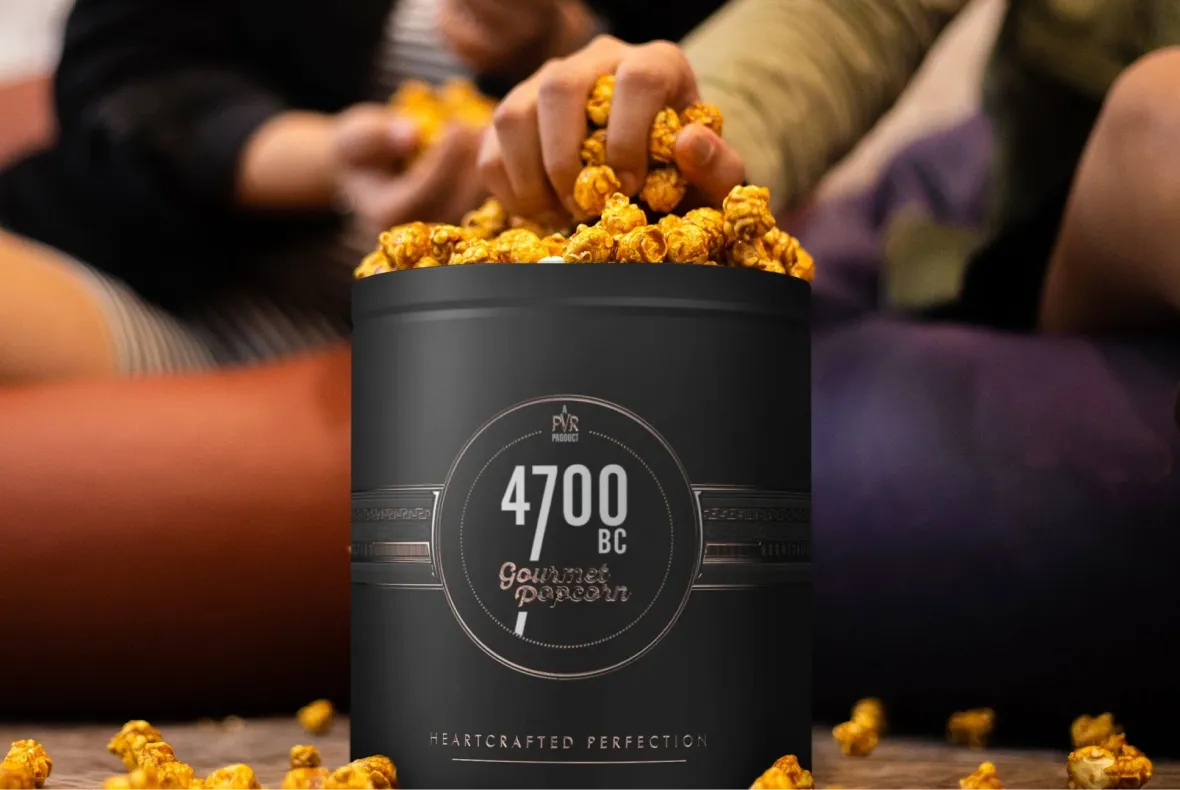
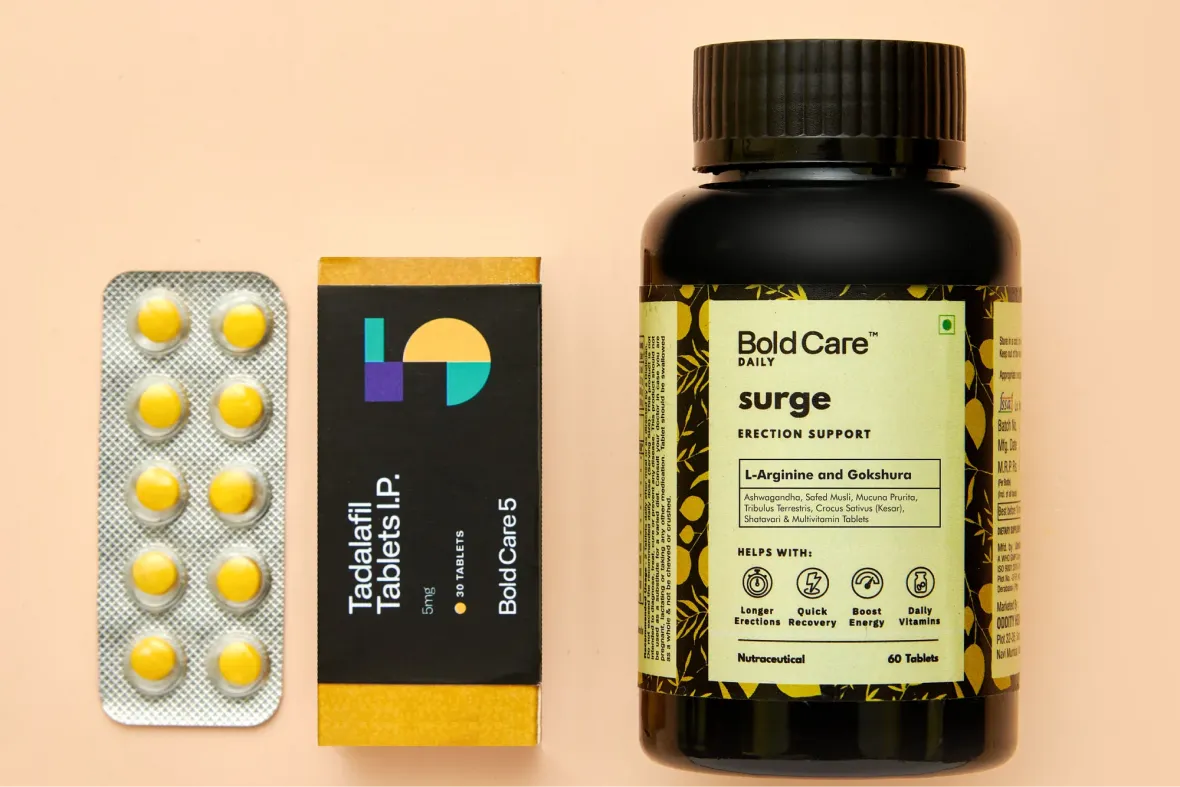
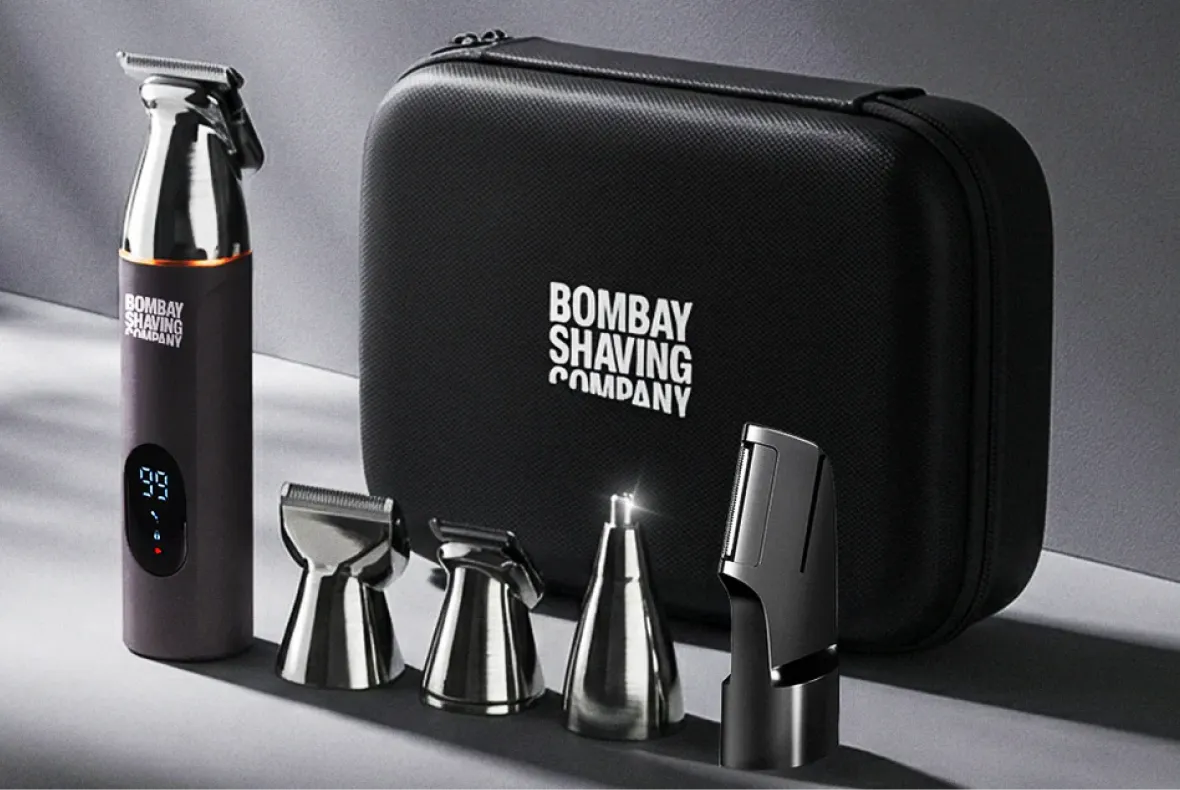
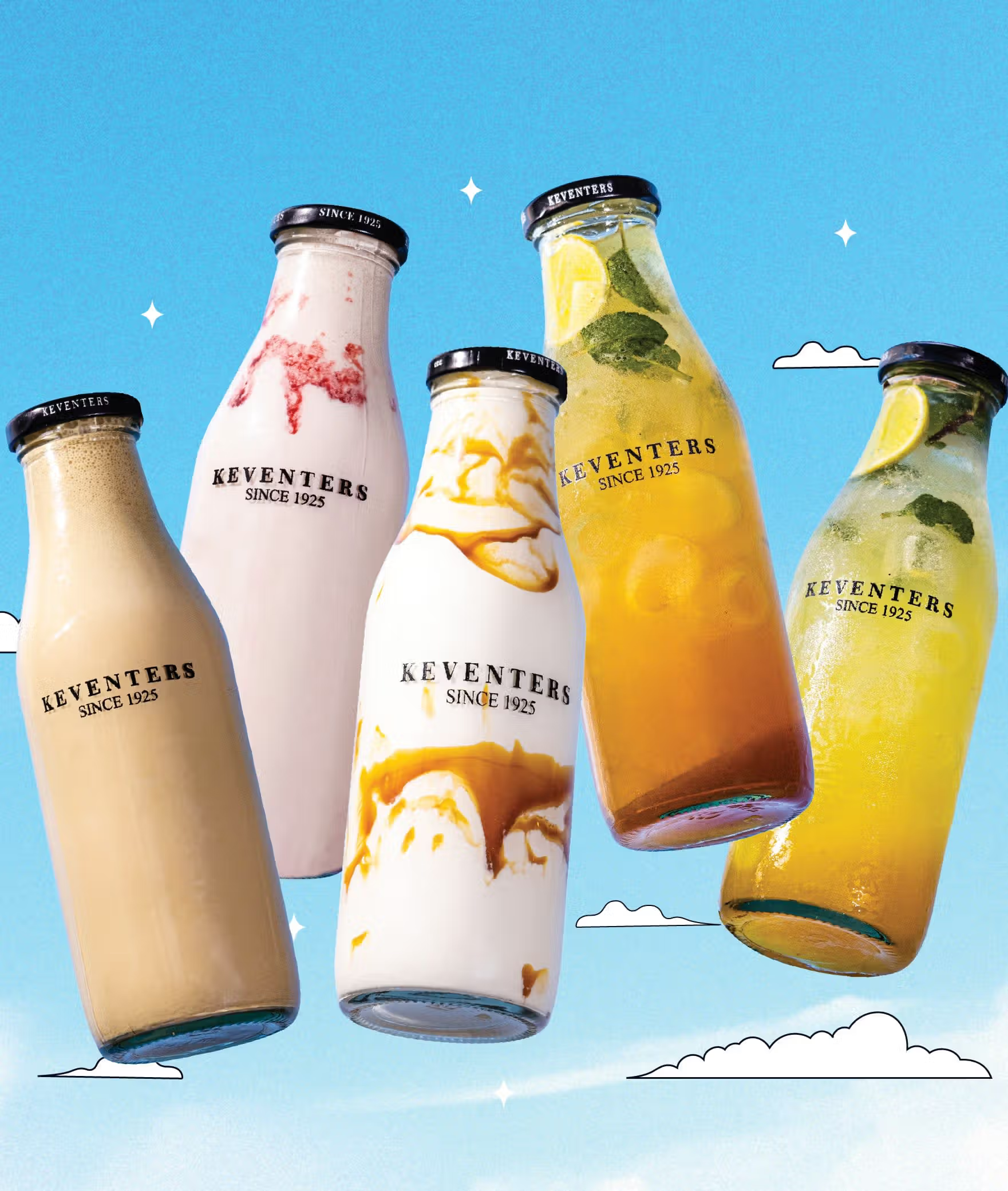
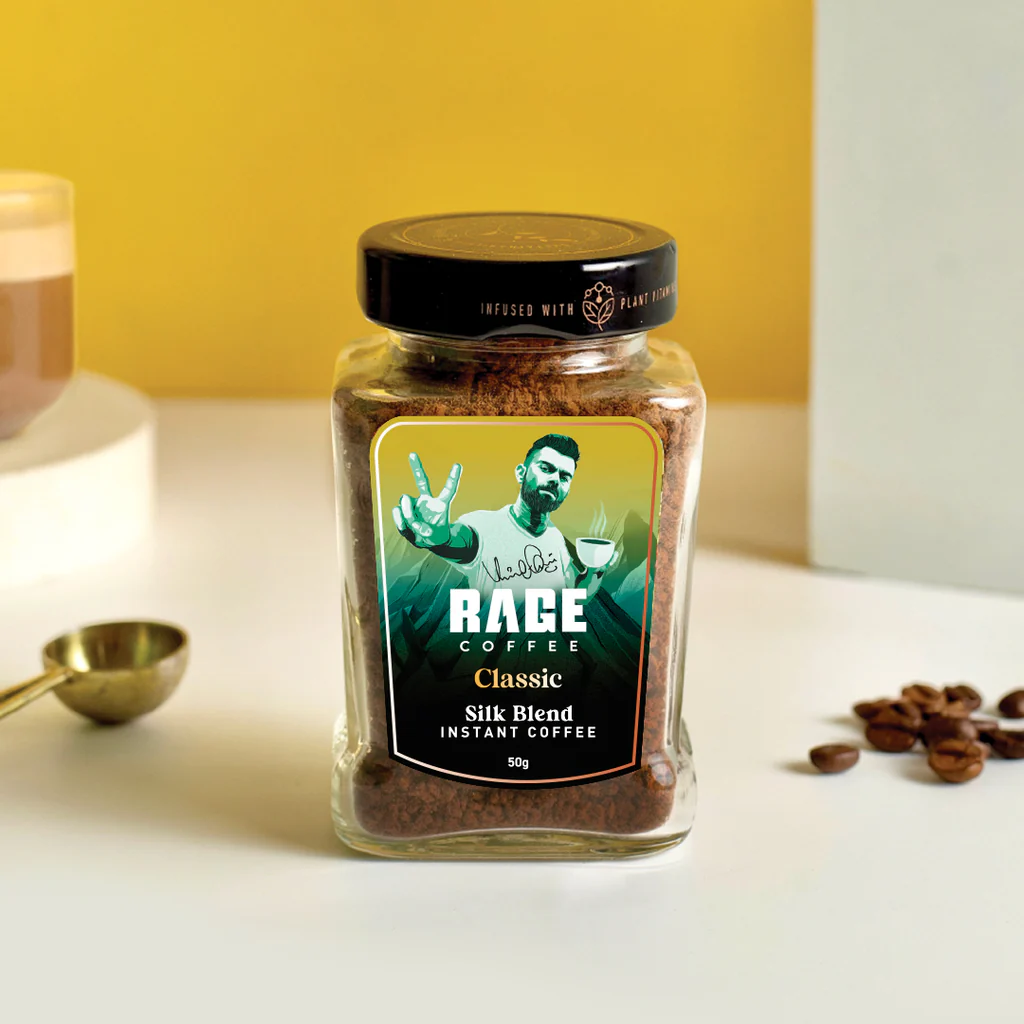
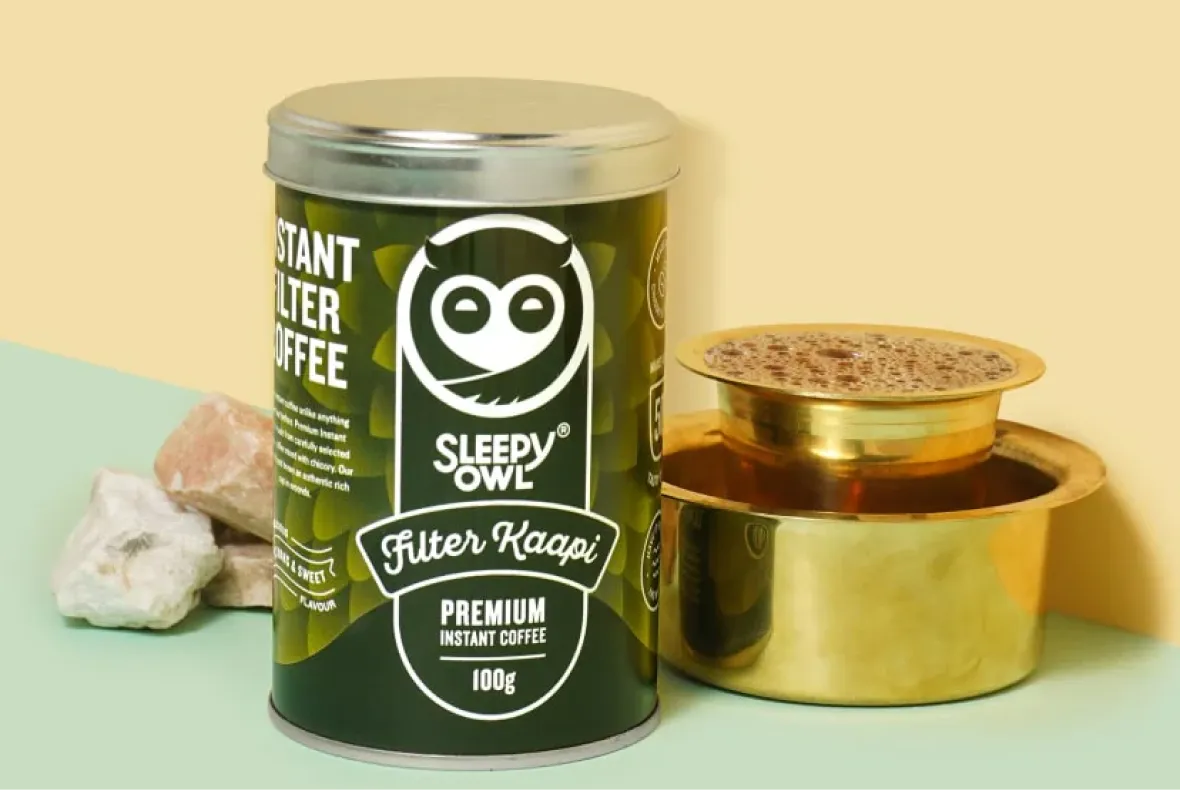
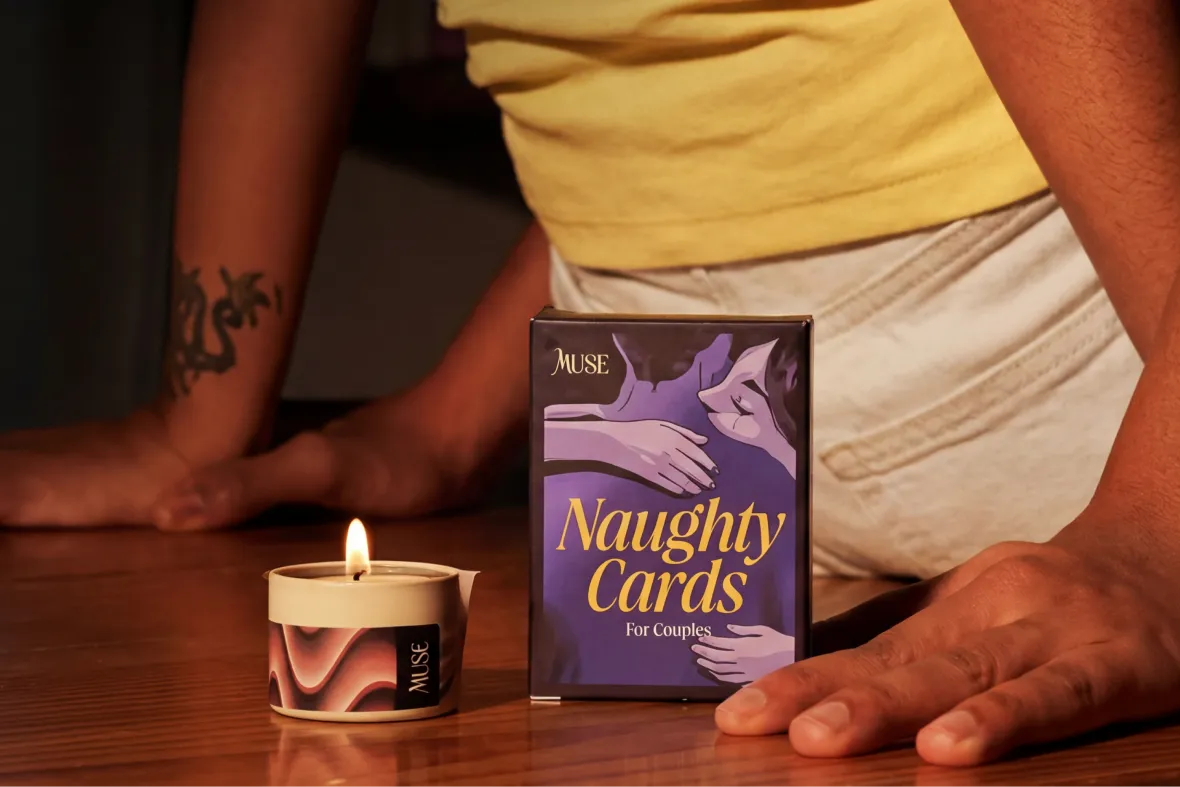
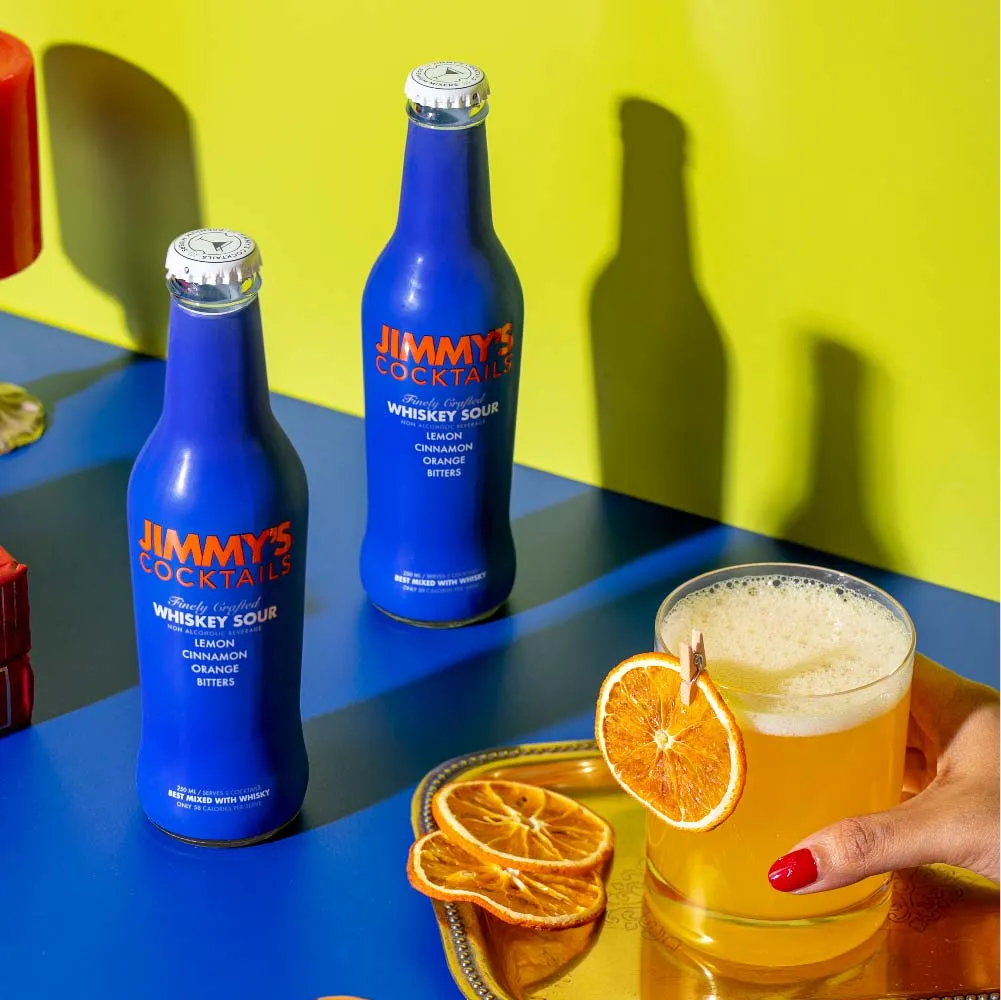
Product photography is the visual system through which a product is presented across platforms such as e-commerce listings, quick commerce apps, websites, social media, and campaigns. It goes beyond showing what the product looks like. It communicates scale, texture, usage, mood, and brand personality.
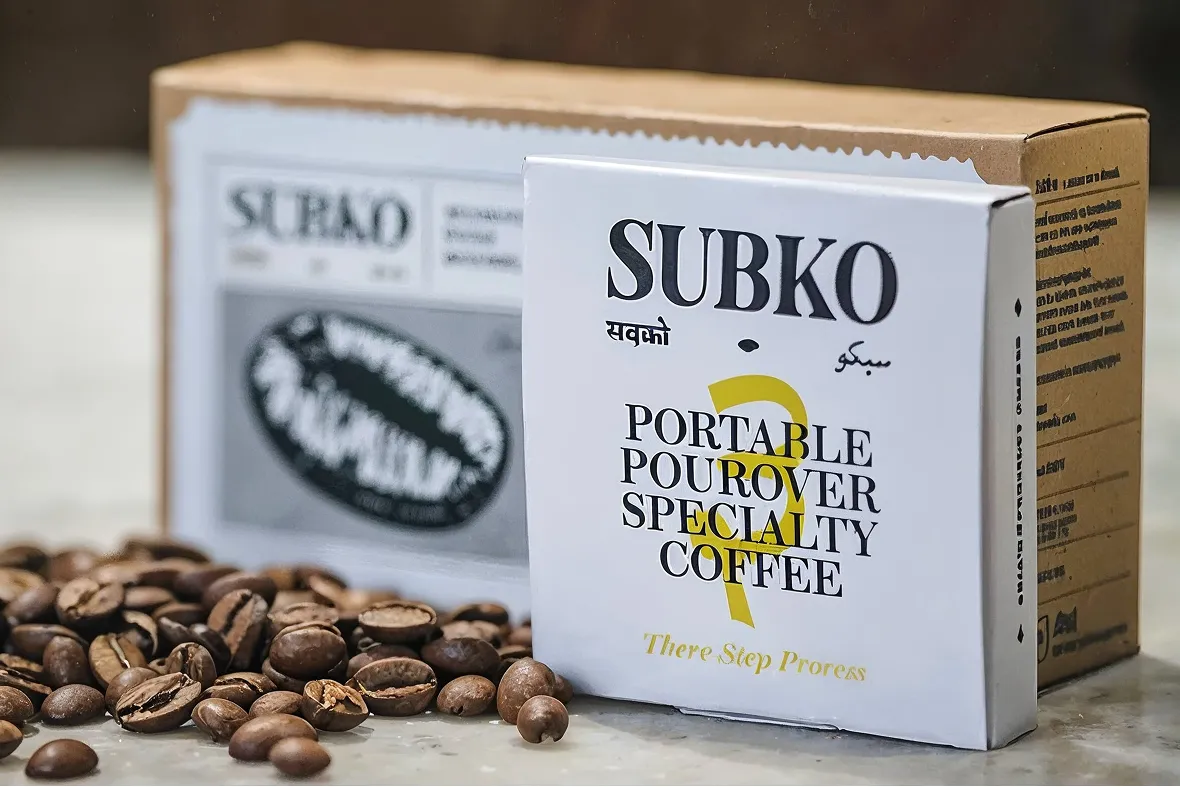
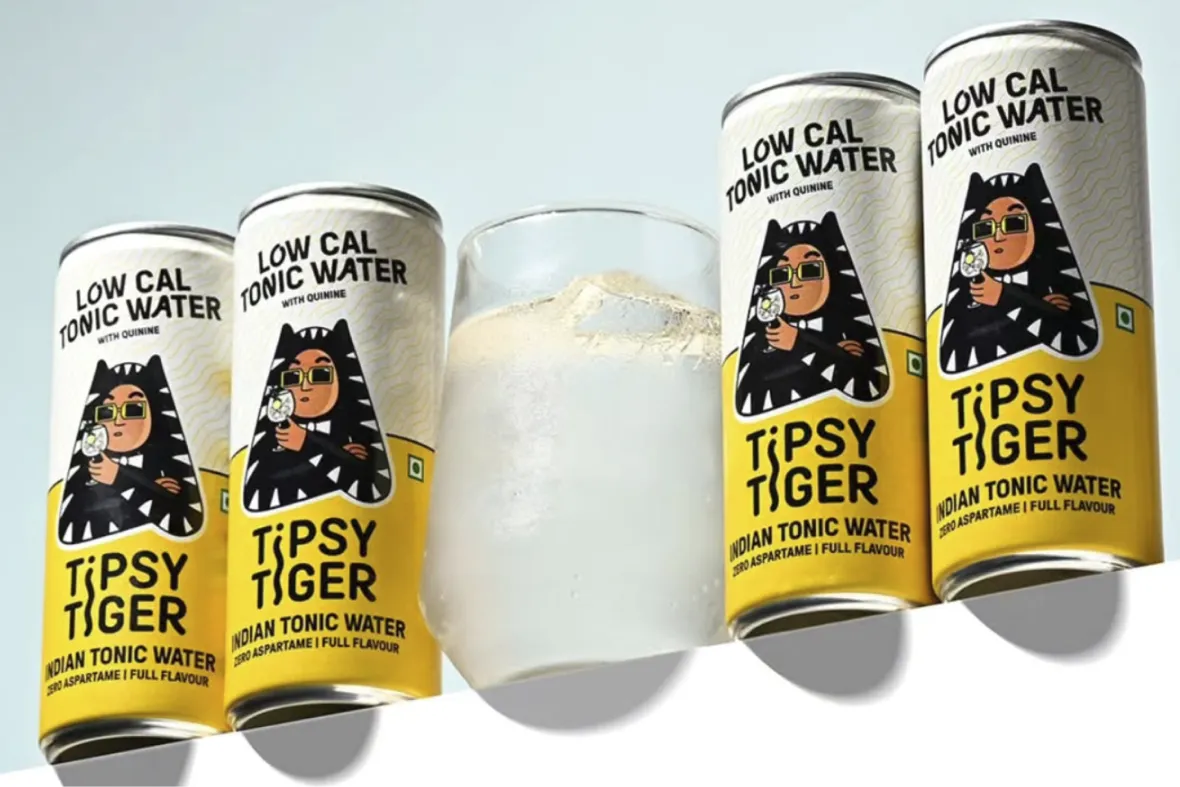
A white-background image exists to provide clarity and consistency, especially on e-commerce platforms. Lifestyle imagery exists to build context, aspiration, and emotional connection. Detail and texture shots help customers understand formulation, finish, and quality. Knowing which type of image is required, and where it will be used, is what makes product photography effective.
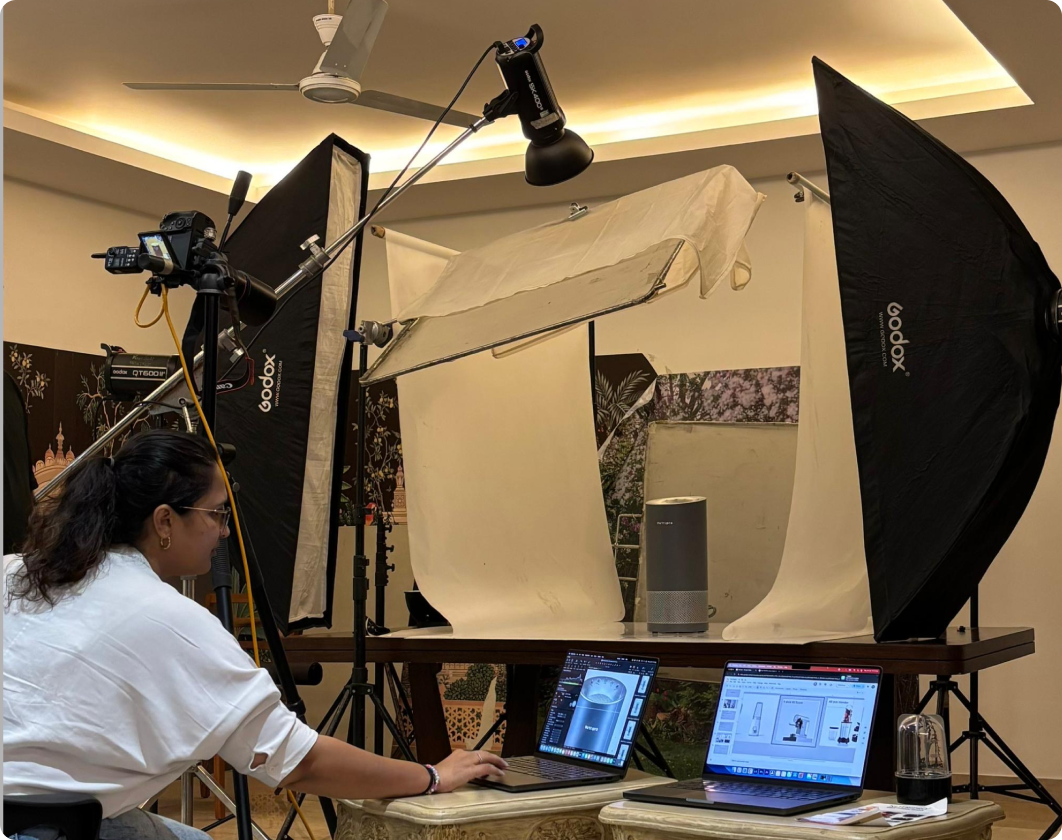
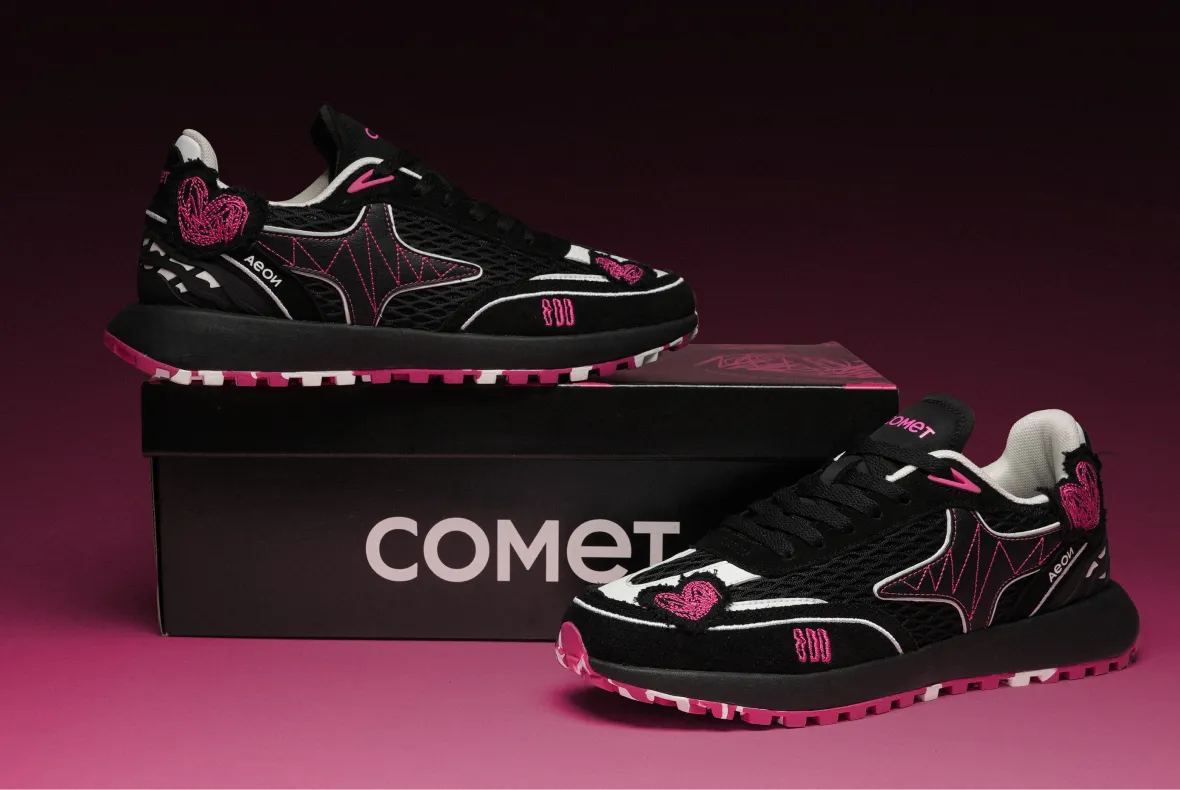
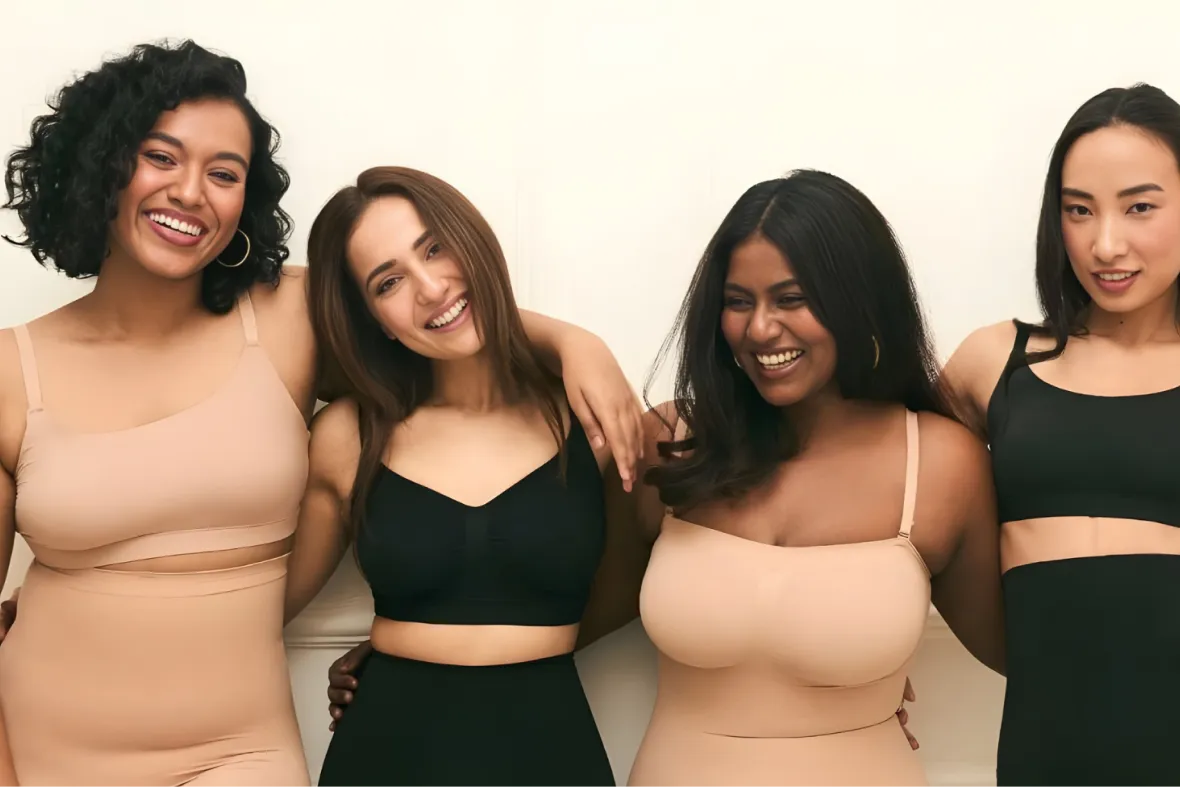
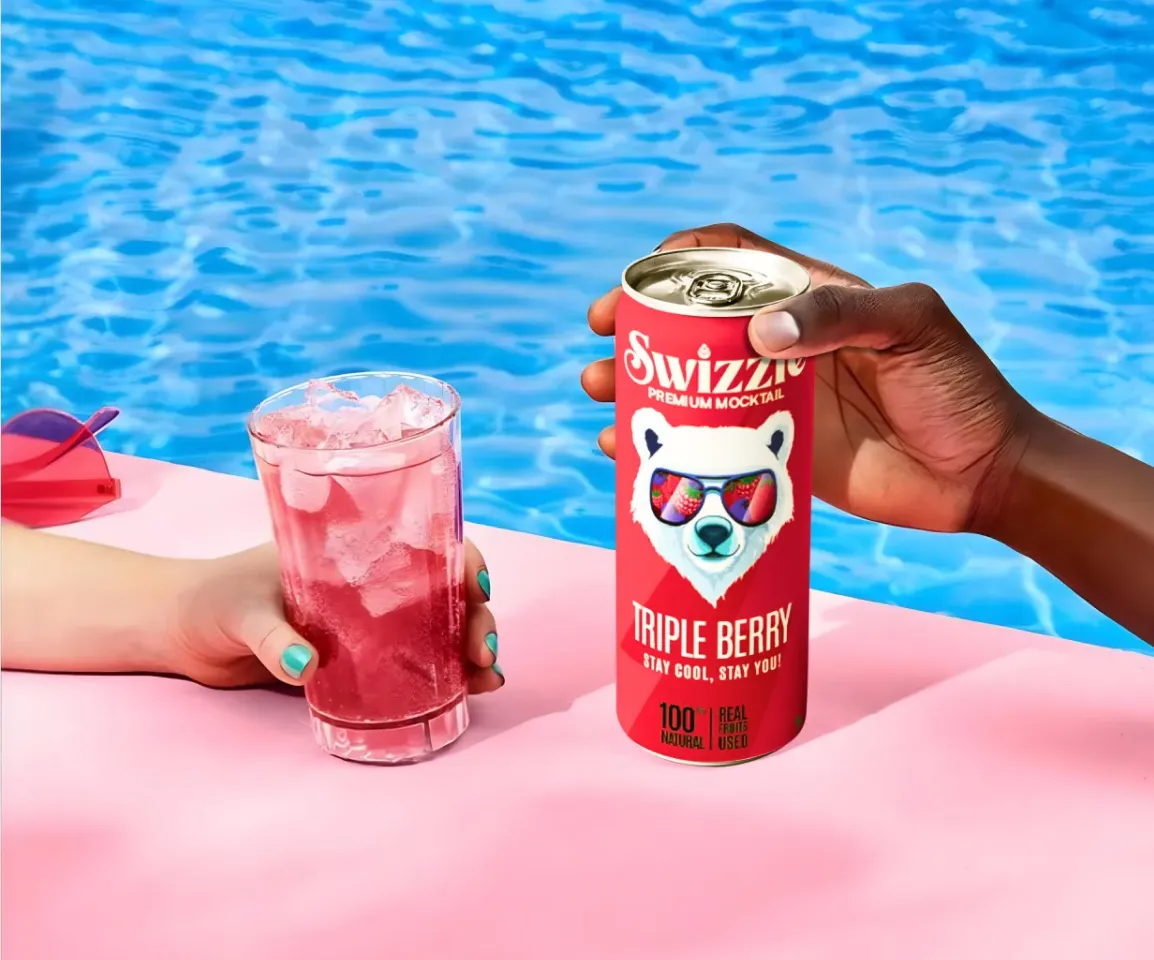
At Confetti, product photography is approached as a system, not a one-off shoot. Every project starts by defining where the images will be used: quick commerce platforms, e-commerce marketplaces, the brand website, social media, or campaign creatives. This context shapes everything that follows. Clean, distraction-free shots work best for e-commerce and quick commerce, while websites and social platforms allow for more styled, expressive visuals that build brand perception. Once usage is clear, we decide the right photography style, whether that’s white-background shots, flat lays, model-led lifestyle frames, or detail-focused textures.
From there, we lock the full scope before a single photo is taken. Models, locations, styling, props, set design, and technical setup are all defined upfront, followed by detailed storyboarding of every frame. This avoids guesswork and costly reshoots. On shoot day, clients are involved live for real-time feedback, and post-production is tailored to each platform’s requirements. With access to a wide range of models across age groups, we ensure the final imagery feels relevant, intentional, and built for how the brand actually shows up in the real world.

Confetti’s team is trusted by global leaders, and it’s time we join forces with you to create your Iconic brand!
Tap the button below and talk to our founders directly.



.webp)

Most product photography problems arise from poor planning, not poor execution. Common mistakes include:
At Confetti, product photography is approached as a strategic layer of the go-to-market plan. Every visual decision is intentional, platform-specific, and aligned with how the brand wants to be perceived.
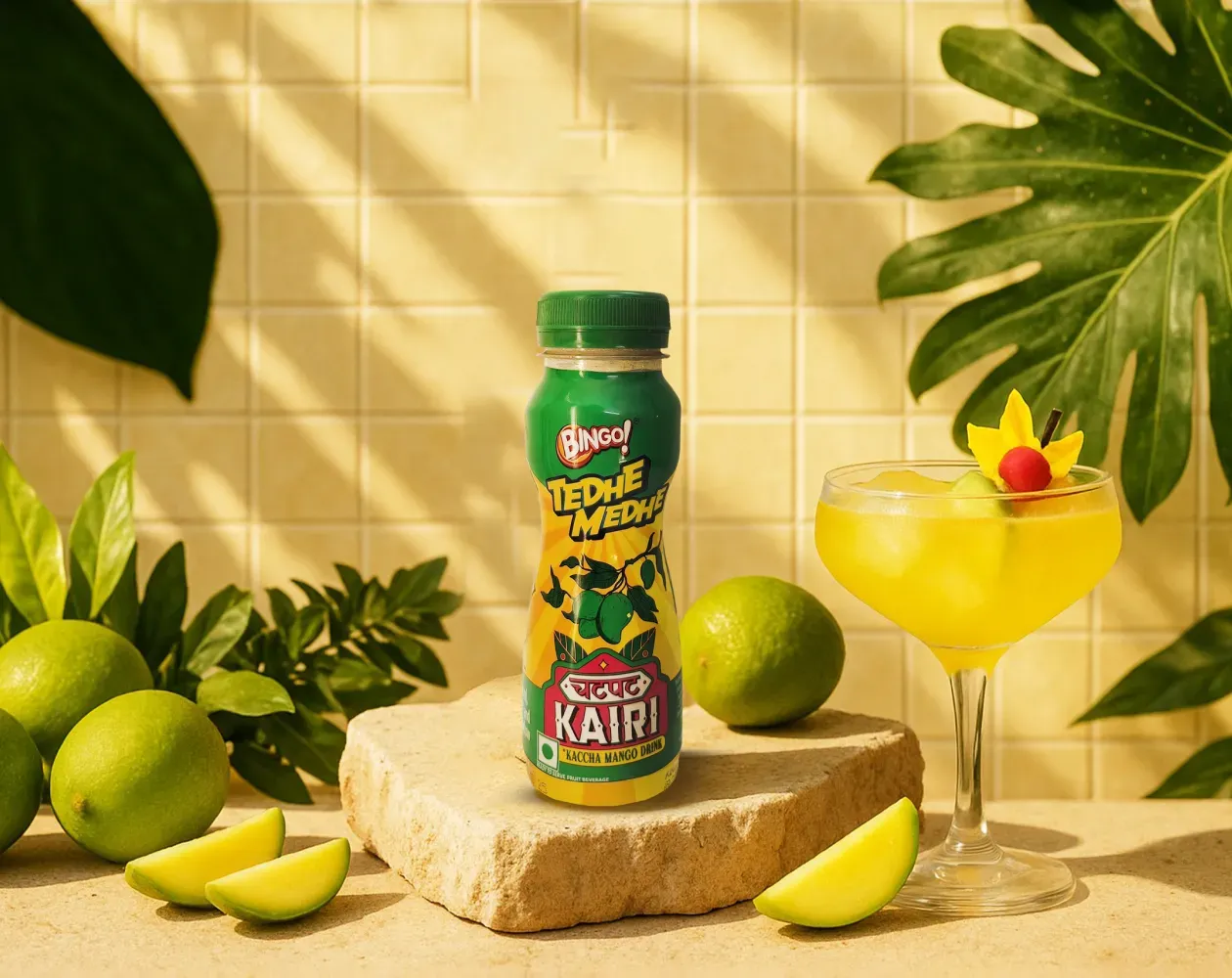
We worked with Bingo (by ITC) to help them launch India’s next viral beverage; Aam Panna
%201.webp)
Global award-winning Identity & packaging design for US's health & lifestyle startup AIM Nutrition
-p-2000%201.webp)
Building India’s fastest growing D2C supplements brand, Miduty by redesigning their branding, packaging & e-commerce website
.svg)
Product photography plays a far bigger role than most brands realise. It becomes the raw material for almost everything, from Amazon listings and social ads to brochures and website banners. In many D2C categories, strong visuals are what stop the scroll, build trust, and tip the decision, sometimes even more than copy. That’s why brands with similar products can perform very differently based purely on how they look. At Confetti, photography is treated as critical for marketing and usually takes around three weeks, because it needs to work across channels, not just look good in isolation. If you’re unsure where your visuals might be holding you back, hopping on a short call with our experts can help assess those gaps quickly.
Most brands need a thoughtful mix of clean product shots, lifestyle imagery, and context-driven visuals. Clean shots build clarity and trust, lifestyle images show how the product fits into real life, and contextual shots help communicate usage or scale. The right mix also depends on where the images will live. What works on a website may not work on social, and what performs in ads often looks different again.
At Confetti, shot lists are built platform-first and usually take around one week to finalise, so every image has a clear job to do. This avoids overshooting content that never gets used. If you want to plan photography in a way that’s efficient and purposeful, hopping on a short call with our experts can help map exactly what’s needed.
The choice between white-background, lifestyle, and highly detailed images depends on where the customer is in their decision journey. When someone is close to buying, clarity matters most. Platforms like Amazon need clean, distraction-free images that clearly show the product. Earlier in the journey, emotion plays a bigger role. On platforms like Instagram, lifestyle and detail-led shots help people imagine the product in their own lives.
At Confetti, photography is planned with the funnel in mind, so each image type supports a specific intent rather than trying to do everything at once. If you want to map the right visuals to how your customers actually decide, hopping on a short call with our experts can help align photography with purpose.
Storyboarding brings structure to product photography. Without it, shoots often become a collection of random images that look fine individually but don’t work together or serve a clear purpose. Planning visuals in advance helps define what needs to be captured, why it’s needed, and where it will be used, which directly saves time and avoids wasted budget. Strong brands rarely shoot on instinct alone; they plan first and execute with intent.
At Confetti, every shoot is guided by a storyboard, usually developed in one to two days, so photographers, stylists, and teams are aligned before the camera comes out. This keeps the shoot focused and efficient. If you want to see how storyboarding can streamline your photography process and cut unnecessary costs, hopping on a short call with our experts can help walk you through the approach.
The most common mistakes brands make with product photography are inconsistency in style, poor lighting, and a lack of context around how the product is actually used. Without a clear plan, brands often end up reshooting again and again, not because the product changed, but because the visuals were never thought through properly in the first place. At Confetti, we account for all these issues from Day 1, aligning style, usage, and intent before a single image is shot. If you want to understand where your current visuals may be falling short, hopping on a short call with our experts can help audit what’s working and what’s costing you unnecessarily.


Lorem ipsum dolor sit amet, consectetur adipiscing elit. Suspendisse varius enim in eros
Lorem ipsum dolor sit amet, consectetur adipiscing elit. Suspendisse varius enim in eros
Lorem ipsum dolor sit amet, consectetur adipiscing elit. Suspendisse varius enim in eros
.svg)
.svg)








.svg)
.webp)



















.webp)















.webp)




.webp)