%201.webp)
02
AI Snaps
.svg)
.svg)
01
Our Work

03
About Us
05
Contact Us
06
Client Success

07
Blogs
08
Careers
Book A Call



Need Help In Building Your Brand?
Click the button below & book a call with our founder directly.

Rishabh Jain
Managing Director
Few Indian grooming brands have scaled as quickly or as visibly as Bombay Shaving Company. Founded in 2015 by Shantanu Deshpande, the brand entered the market with a clear ambition to modernise men’s grooming in India and build a homegrown alternative to legacy international players. At a time when the Indian grooming space was dominated by brands like Gillette, Philips, Beardo, & The Man Company, Bombay Shaving Company positioned itself as a distinctly Indian, digitally native grooming label. Razors, trimmers, shaving kits, and daily grooming essentials became its core, backed by strong storytelling and direct-to-consumer distribution.

Over time, the brand expanded aggressively into skincare, fragrances, hair removal, and personal care, while also launching a separate women-focused brand, Bombae. At Confetti, our branding and packaging experts analysed how this rapid expansion has shaped the brand’s identity today. What emerges is a brand with strong recall and scale, but one that is currently paying the cost of structural brand decisions made early on.
“Bombay Shaving Company” is a memorable and effective name. It is distinctly Indian, easy to recall, and immediately signals origin and intent. The name helped the brand build trust early on, especially in a category where authenticity and reliability matter. There is a sense of heritage and seriousness embedded in the name that worked well when shaving and grooming were the primary focus. This has helped the brand scale quickly in its early years and establish itself as a serious player rather than a trend-led grooming startup.
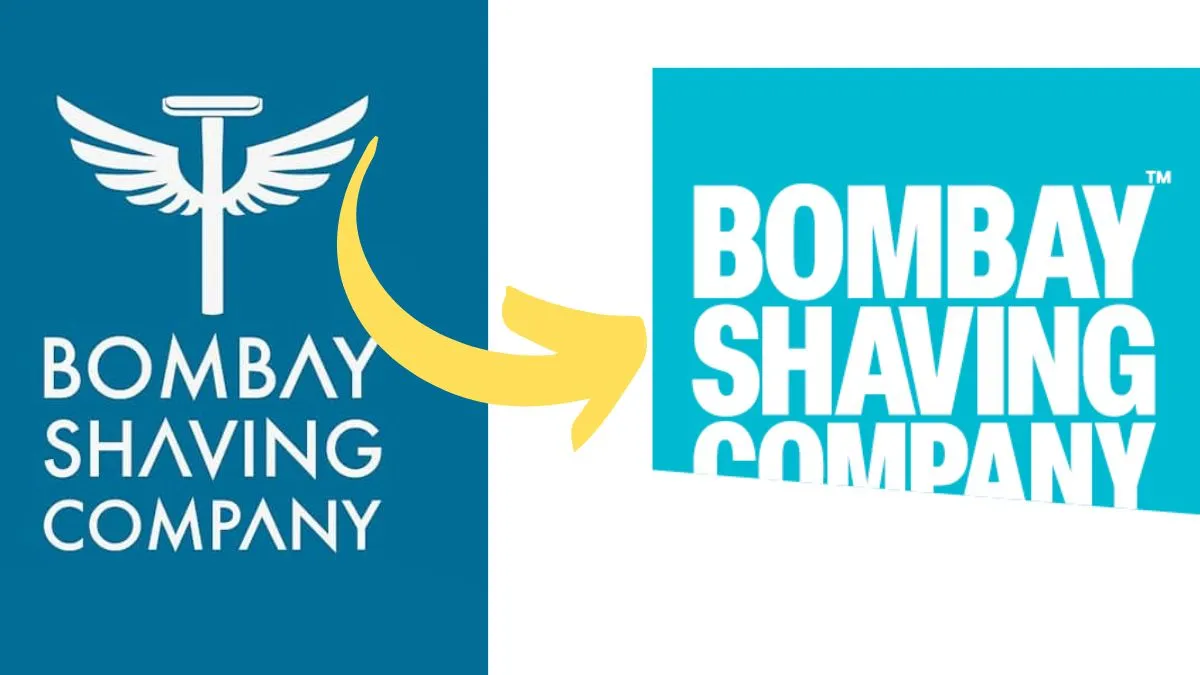
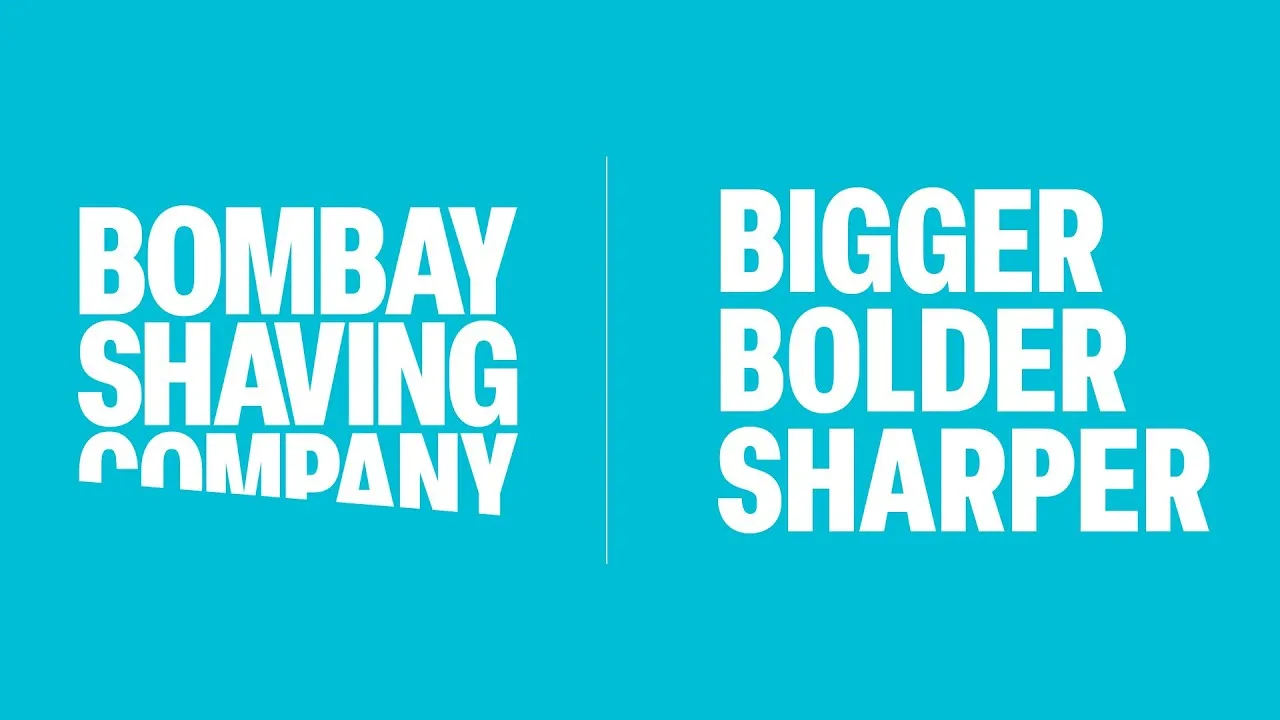
Bombay Shaving Company’s recent rebrand reflects a clear shift in self-perception. The older logo, with its razor-and-wings motif, felt more startup-like and product-specific. The newer identity is bolder, more authoritative, and less illustrative. It signals maturity and scale. From a brand perspective, this shift makes sense. It communicates that the company is no longer experimenting, but has arrived as a category leader. The intent behind the redesign is correct and timely.

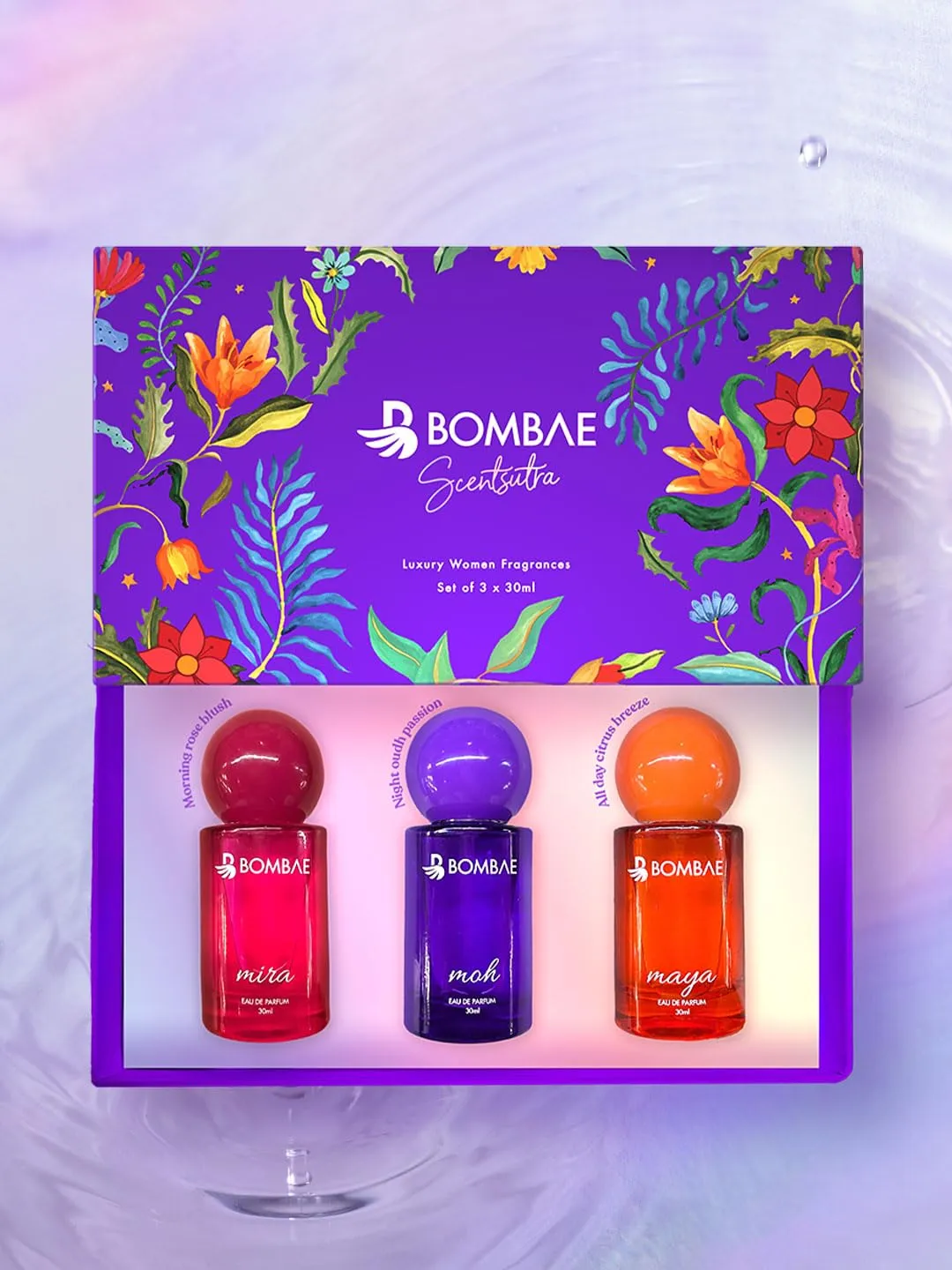
The decision to launch Bombae as a separate brand rather than folding women’s grooming products under Bombay Shaving Company was strategically sound. Grooming needs, tonality, and purchasing behaviour differ significantly across genders, and separating the two prevents brand confusion. This move shows maturity in brand architecture thinking and avoids forcing one identity to stretch unnaturally across audiences.
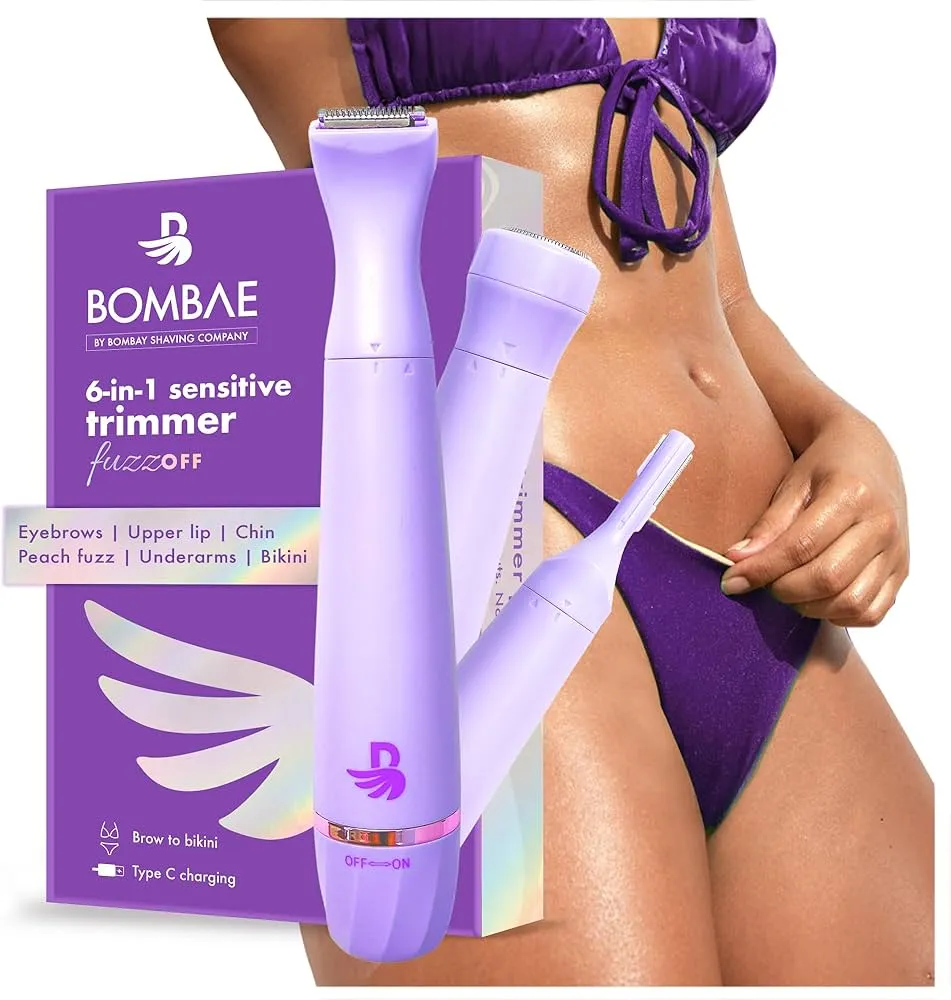
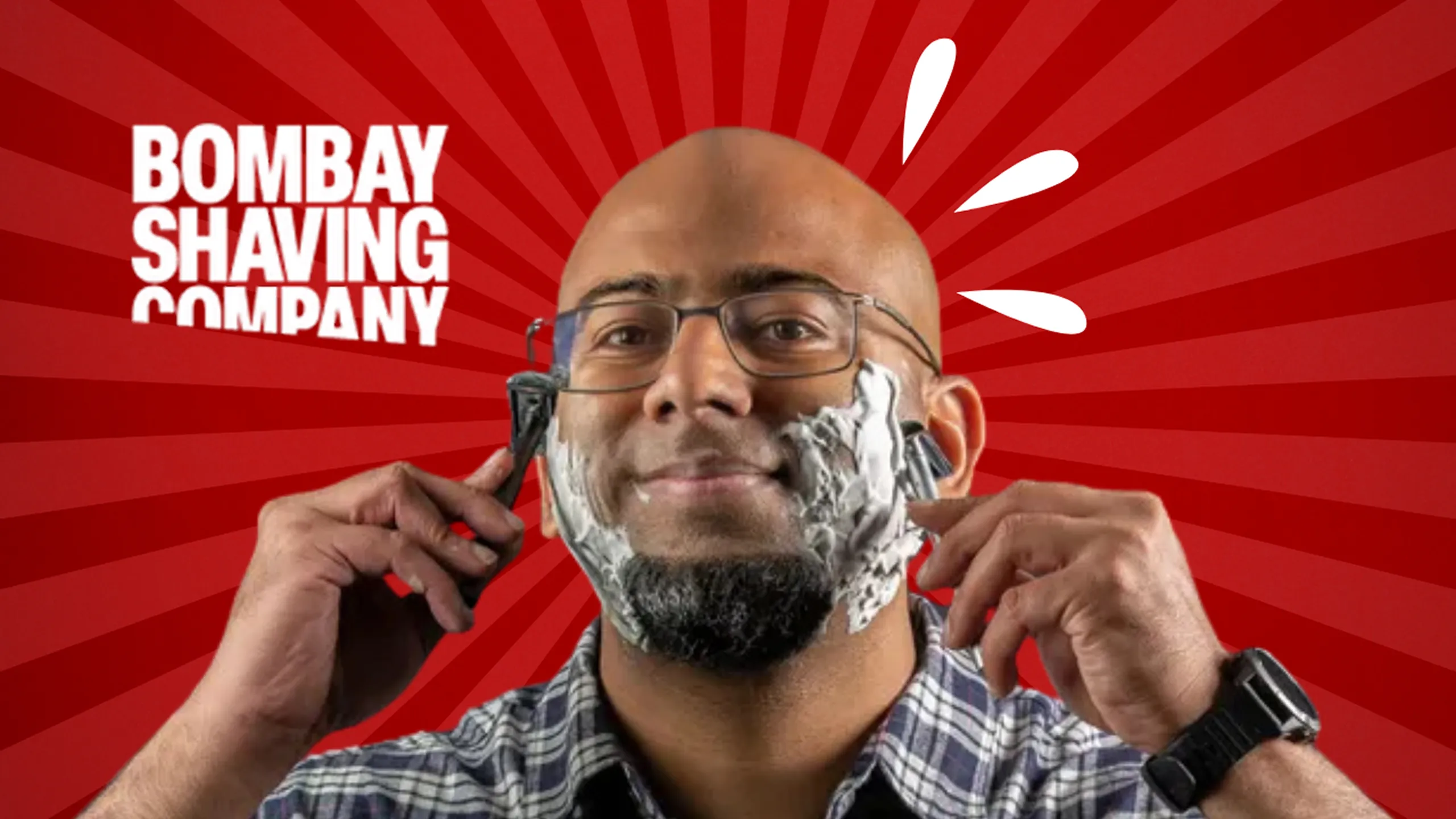
One of the brand’s strongest assets today is its founder. Shantanu Deshpande’s personal brand, podcasts, and public-facing content have humanised Bombay Shaving Company in a way few Indian D2C brands manage well. Consumers feel invested in the journey, the decisions, and the evolution of the company. This founder visibility builds emotional equity and long-term trust, especially in a market where consumers increasingly value transparency and authenticity.

Unlike many D2C brands that constantly reinvent their content strategy, Bombay Shaving Company has stayed relatively consistent on social media. The brand relies heavily on UGC, influencer content, and formats that are known to convert, without oscillating wildly between education, humour, and science. While this may not be groundbreaking, it definitely reflects how disciplined their brand is about social media marketing. The brand knows what works for its audience and has chosen to scale that rather than chase novelty.
The biggest structural challenge facing Bombay Shaving Company today is its name. While the name worked exceptionally well when shaving and grooming were the core offerings, it becomes restrictive as the brand moves into categories like perfumes, skincare, and personal wellness. A consumer encountering a fragrance under the Bombay Shaving Company label subconsciously associates it with shaving, not perfumery.
Unlike parent brands such as ITC, Dabur, or Philips, Bombay Shaving Company is category-specific by name. This makes it harder for the brand to be taken seriously in unrelated or premium adjacencies. From a branding standpoint, this is not a short-term issue, but it is a long-term tax on perception and trust.
Across its product range, the brand suffers from significant visual fragmentation. Face washes, charcoal scrubs, acne products, hair removal sprays, perfumes, trimmers, and women’s products all appear to belong to different brands. This inconsistency weakens shelf impact and recall. When packaging lacks a unifying system, products begin to feel generic and interchangeable. In extreme cases, it raises doubts around quality and in-house innovation, even if the products themselves are well-made. For a brand operating at this scale, packaging should act as a silent but powerful trust signal. Currently, Bombay Shaving Company’s packaging works against that objective.

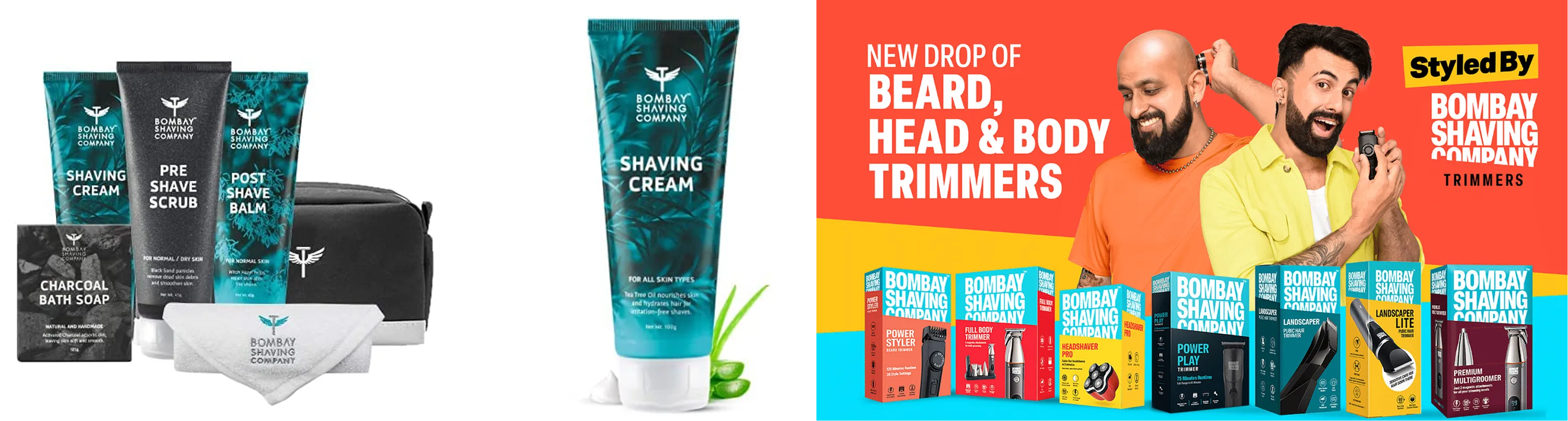
At present, the brand ecosystem runs three visual identities in parallel: the old Bombay Shaving Company logo, the new rebranded logo, and the Bombae logo. Seeing all three coexist on the same platform creates confusion and erodes confidence. Rebrands demand ruthless consistency and these partial transitions dilute the impact and leave consumers uncertain about what the brand actually stands for today.
At Confetti, we have worked with brands facing similar diversification challenges. One such example is NutriPro, where multiple product categories were unified under a single, disciplined visual system. Despite spanning different use cases, every product felt unmistakably NutriPro.
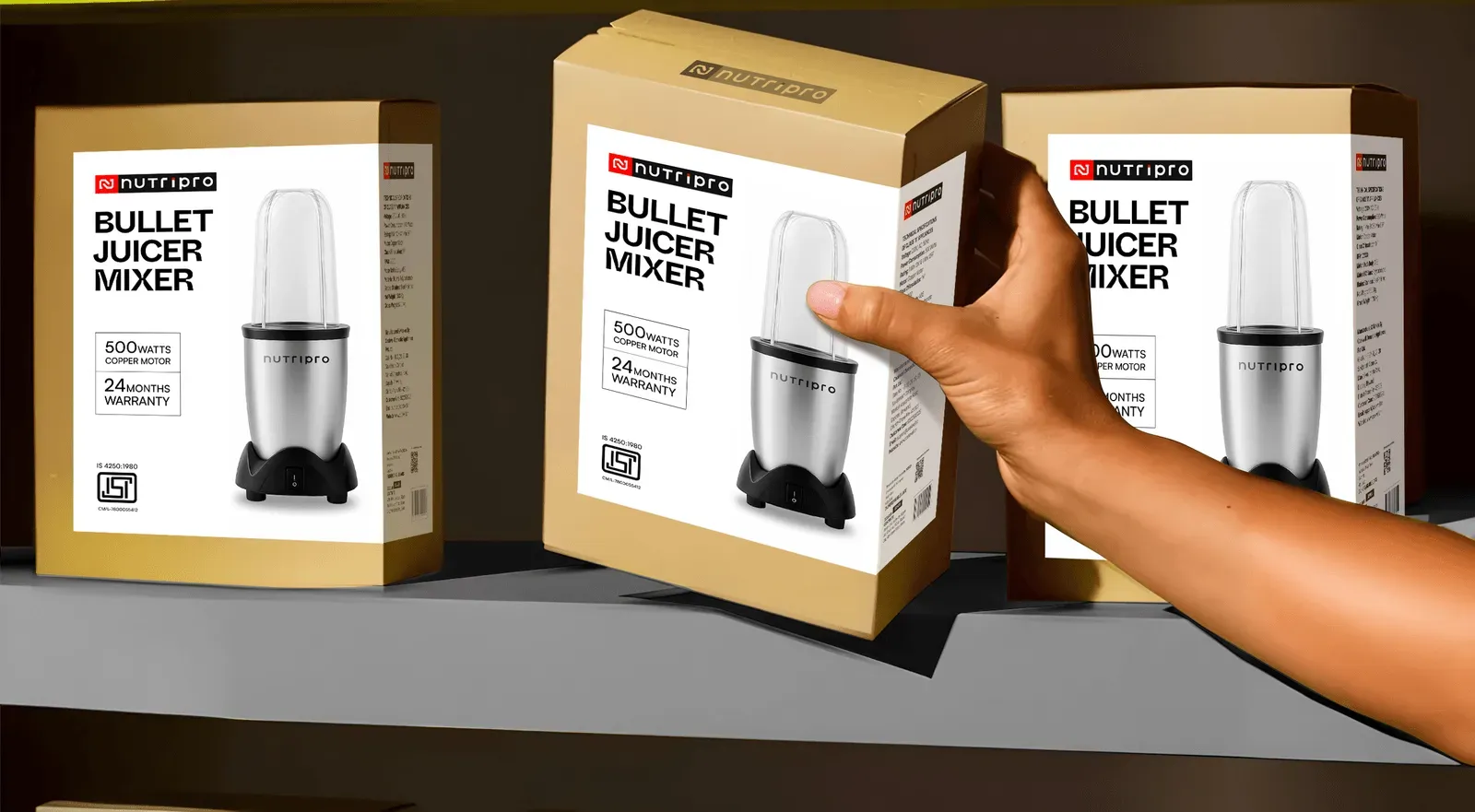
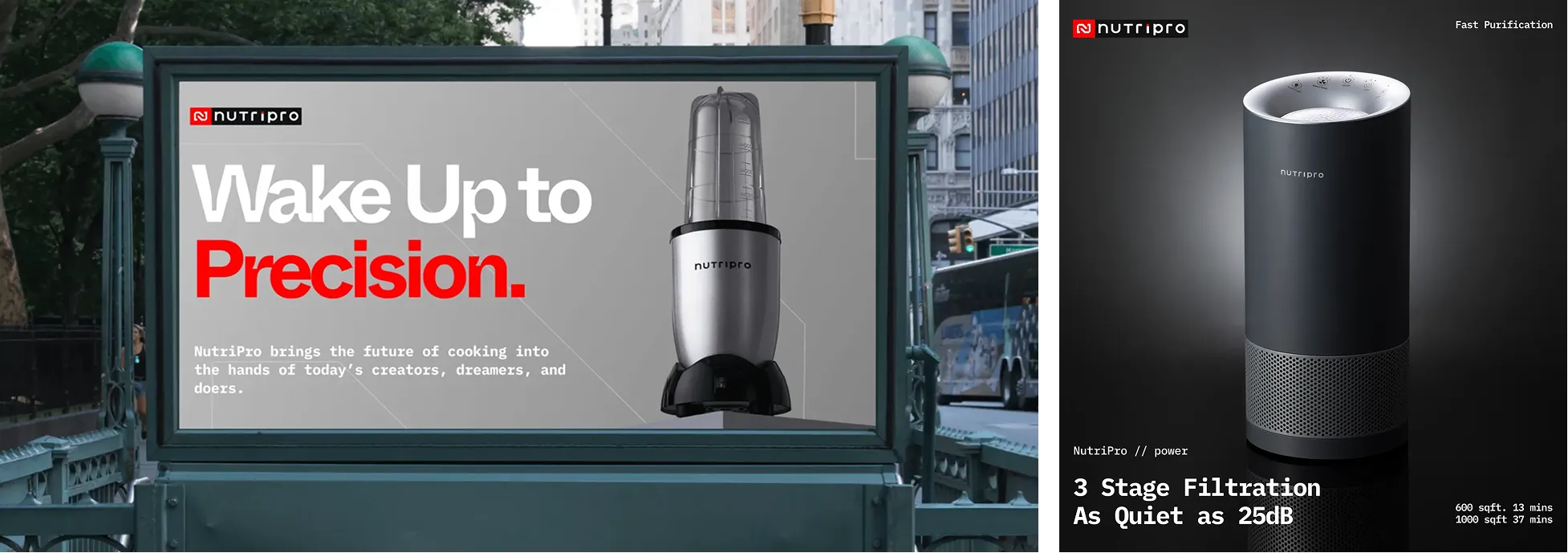

Bombay Shaving Company needs a comparable approach. A strong, modular packaging system that can stretch across categories while remaining recognisable is essential. Equally important is resolving the brand architecture question, whether through a clearer parent-brand strategy or sharper sub-brand definitions. Without this, continued expansion risks further dilution rather than consolidation.
At Confetti, we rate Bombay Shaving Company 3.5 out of 5.
This is not a reflection of weak products or poor market understanding. It is the result of a brand that scaled faster than its identity system could support. The intent is right. The ambition is clear. But without structural clarity in brand architecture and visual consistency, the brand is leaving long-term equity on the table. With the right branding discipline, Bombay Shaving Company has the potential to evolve from a successful D2C brand into a truly iconic Indian personal care house.
Confetti is a branding and packaging design studio that partners with consumer brands across grooming, wellness, food, and lifestyle categories. We help brands build identities that scale coherently, stand out without noise, and retain trust as portfolios expand. If you are navigating growth, diversification, or rebranding, you can connect with us through the link beside this article.
Want strategic branding and packaging like this for your business?




Lorem ipsum dolor sit amet, consectetur adipiscing elit. Suspendisse varius enim in eros
Lorem ipsum dolor sit amet, consectetur adipiscing elit. Suspendisse varius enim in eros
Lorem ipsum dolor sit amet, consectetur adipiscing elit. Suspendisse varius enim in eros
.svg)
.svg)



.webp)
.webp)

.webp)
.webp)
.webp)
.webp)
.webp)






.svg)
.webp)
.svg)
.webp)























.webp)




















.webp)



.svg)