%201.webp)
02
AI Snaps
.svg)
.svg)
01
Our Work

03
About Us
05
Contact Us
06
Client Success

07
Blogs
08
Careers
Book A Call


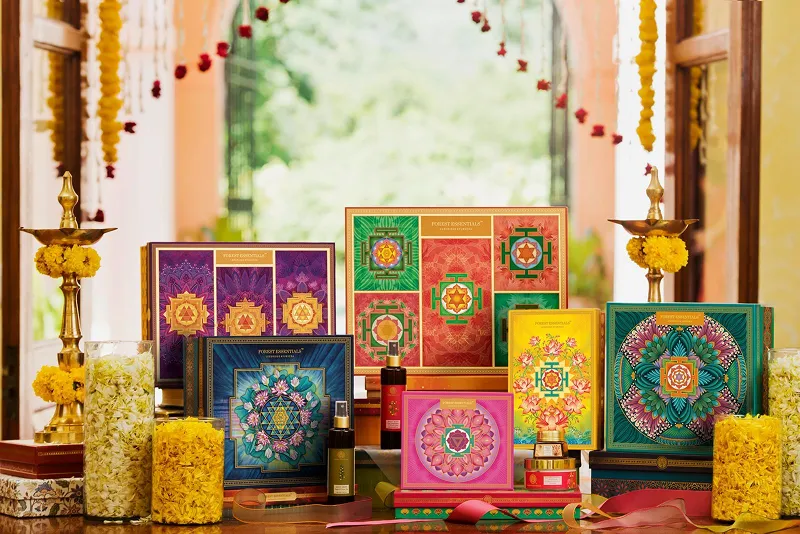
User personas are a critical part of brand strategy because brands cannot realistically sell to everyone at the same time. Defining a clear user persona helps narrow focus and ensures that brand decisions are made with intent. For instance, if you are building an Indian skincare brand like Plum, Dot & Key, Aqualogica, d’you, Kama Ayurveda, or Forest Essentials, your personas may range from a young, trend-driven consumer discovering products through quick commerce to a more ingredient-conscious buyer seeking trust and long-term skin health. Understanding who you are truly building for helps avoid diluted positioning and ensures the brand connects meaningfully with the right audience.
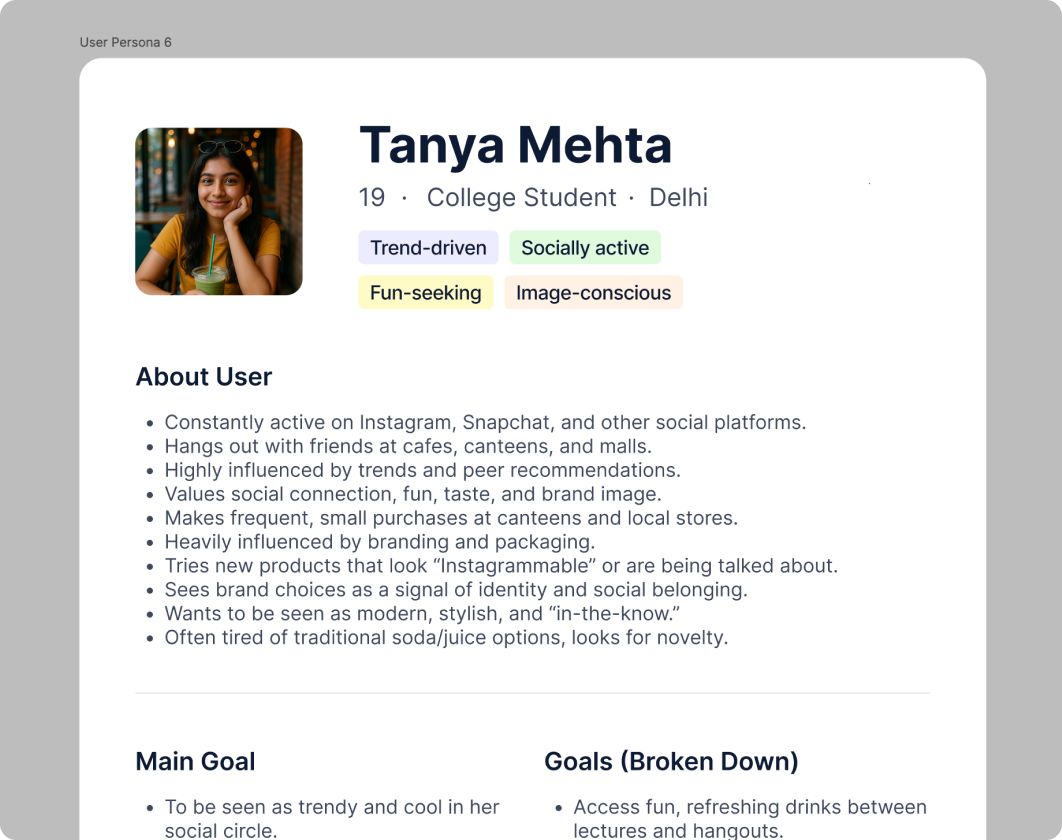
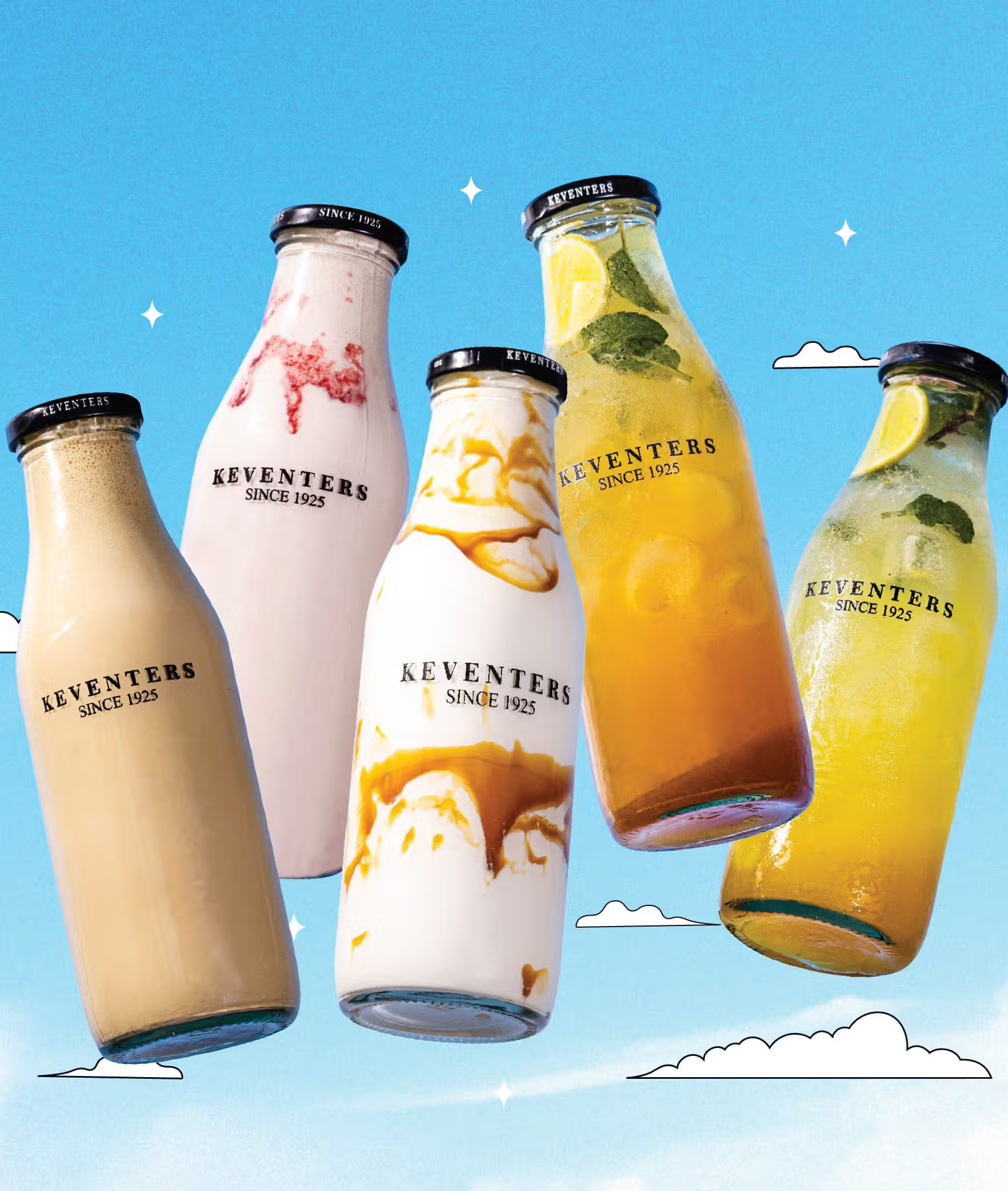
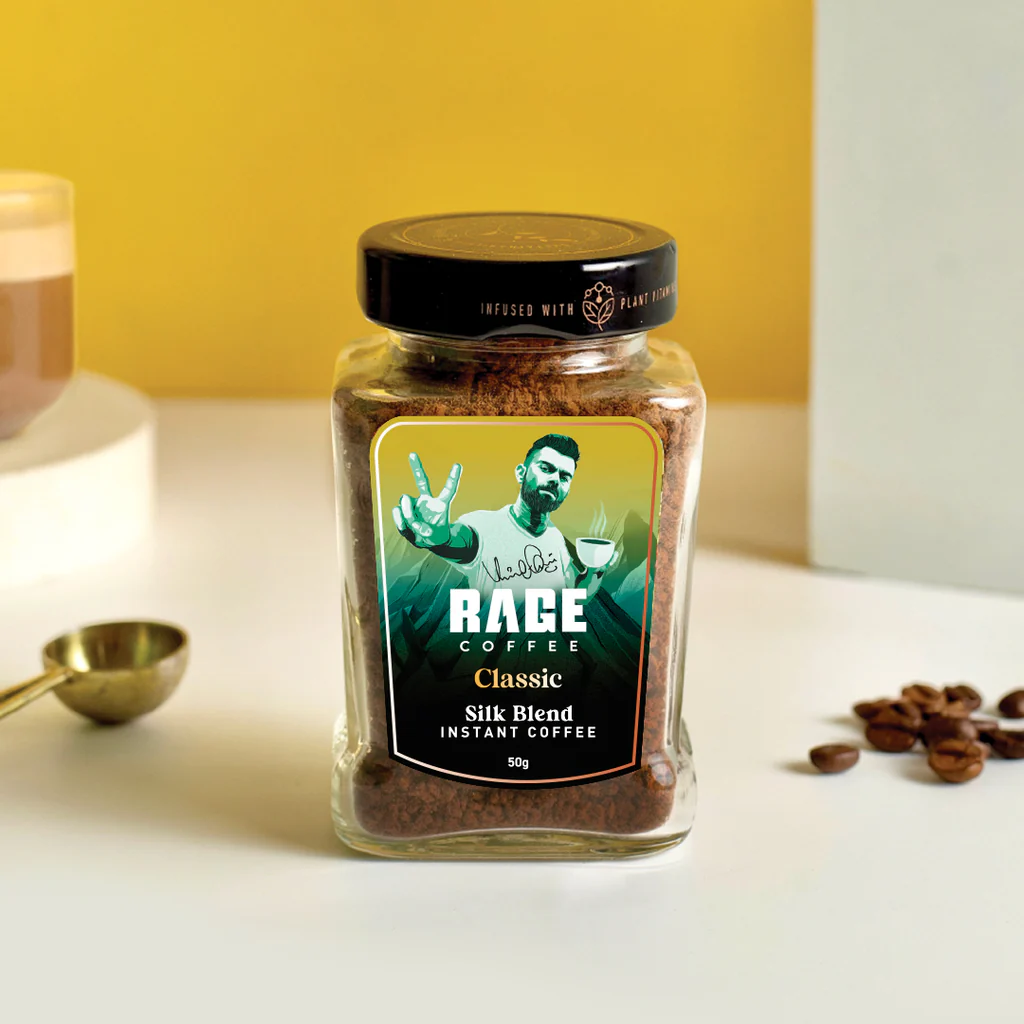
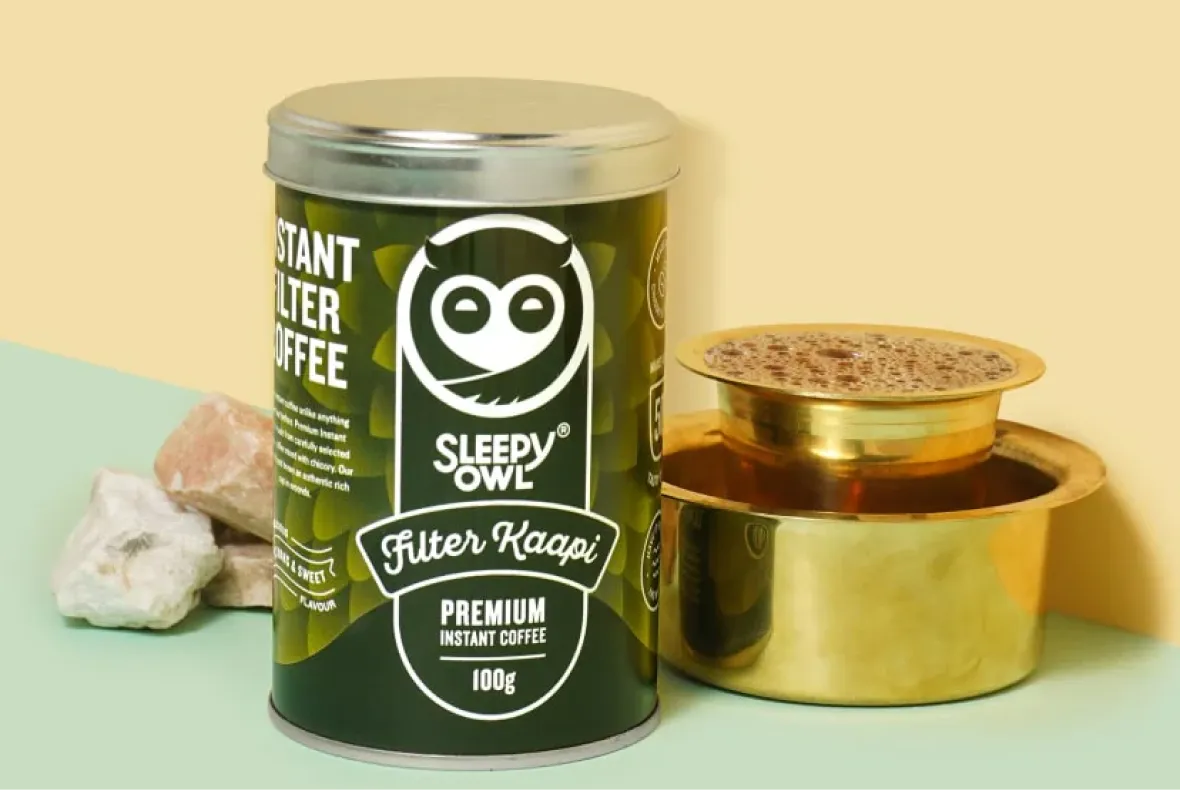
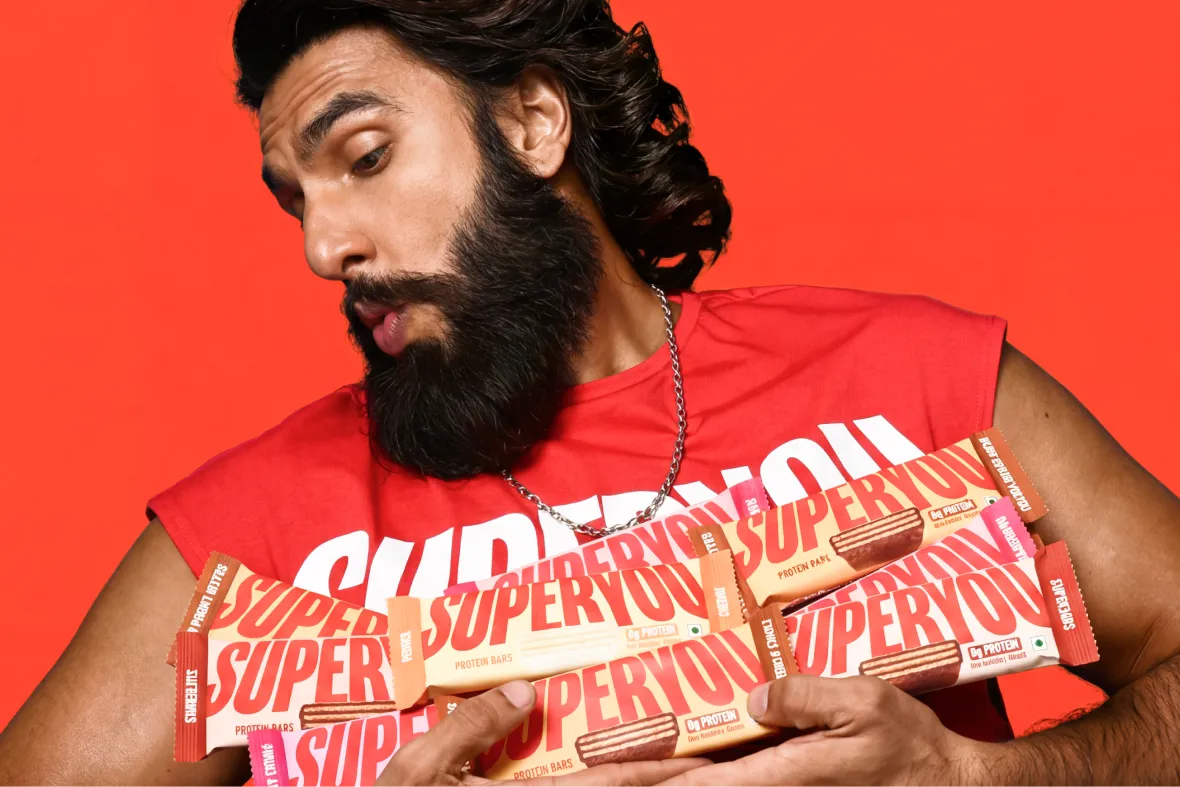
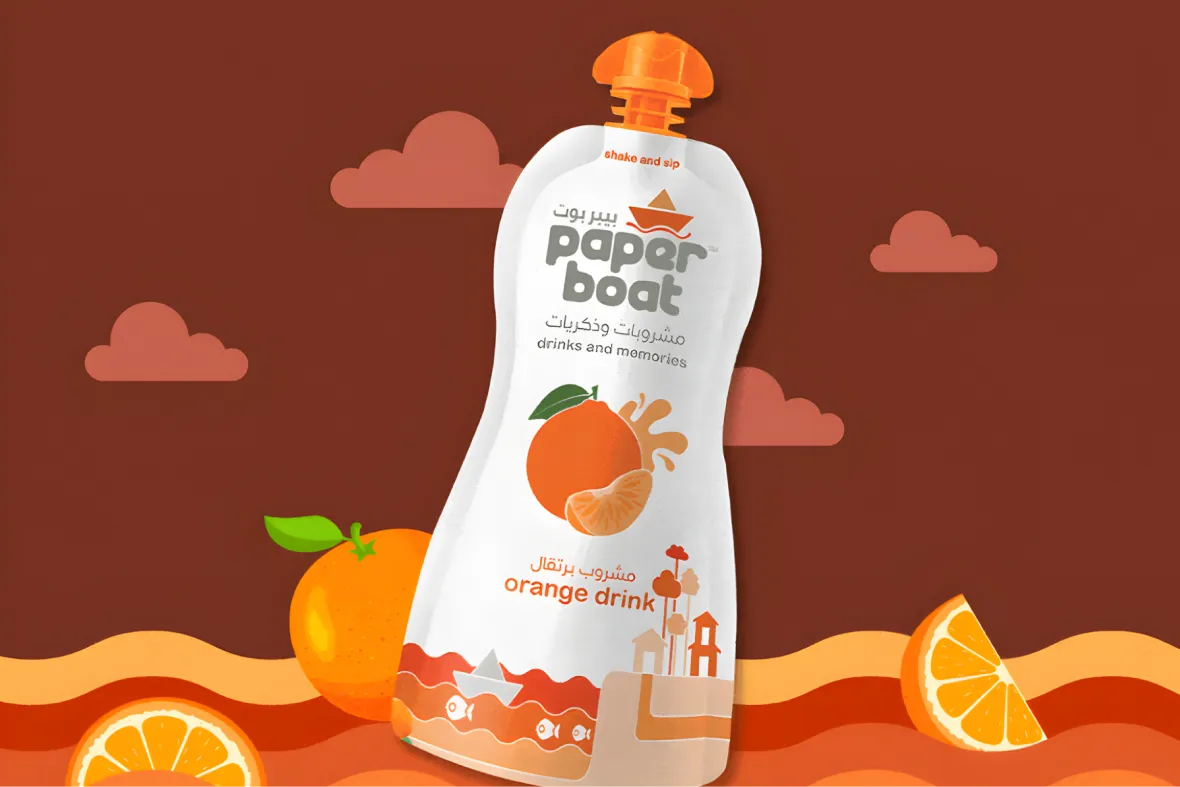
A user persona is a detailed representation of a brand’s most important customer, not every possible customer. It acts as a summary of the audience whose adoption signals wider acceptance of the brand. Many successful Indian brands build with a clear primary user in mind. For example, brands like Sleepy Owl, Rage Coffee, Paper Boat, SuperYou & Yoga Bar, have grown by deeply understanding the lifestyle, motivations, and consumption behaviour of their core audience. A well-defined user persona allows teams to make objective decisions rooted in customer reality rather than designing from personal preference or internal bias.
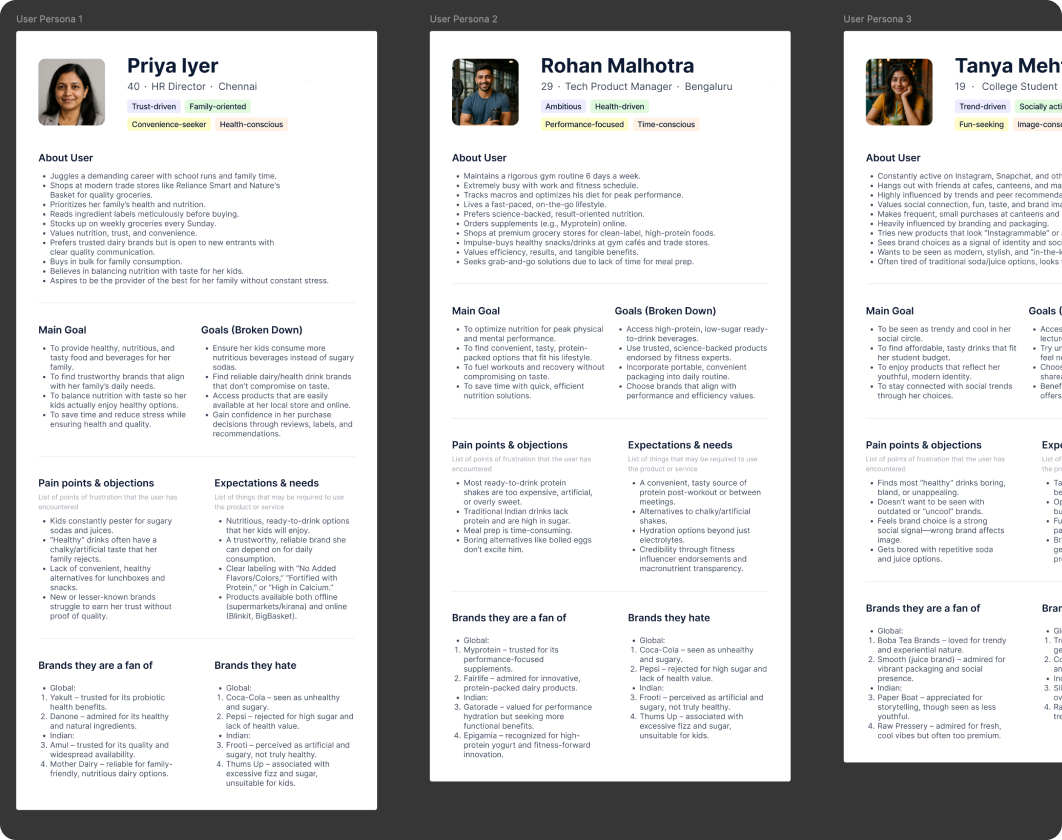
At Confetti, user personas are built through a collaborative process that combines client-side industry knowledge with our experience of working across 100+ brand projects. For What A Bite, a protein-snacking brand built to make healthy munching bold, exciting, and trustworthy, we developed user personas that reflected different consumption contexts and motivations within the category.
These personas included younger consumers drawn to flavour, packaging, and social influence, as well as working professionals seeking convenient, protein-rich snacks that complement fitness routines and busy schedules. Each persona went beyond basic demographics to include lifestyle patterns, purchase behaviour, emotional triggers, brand preferences, and the role of platforms like quick commerce in daily decision-making. This clarity helped us define where What A Bite should sit in terms of personality, tone, and visual expression, ensuring the brand felt bold, playful, and approachable while remaining credible in the snacking niche.
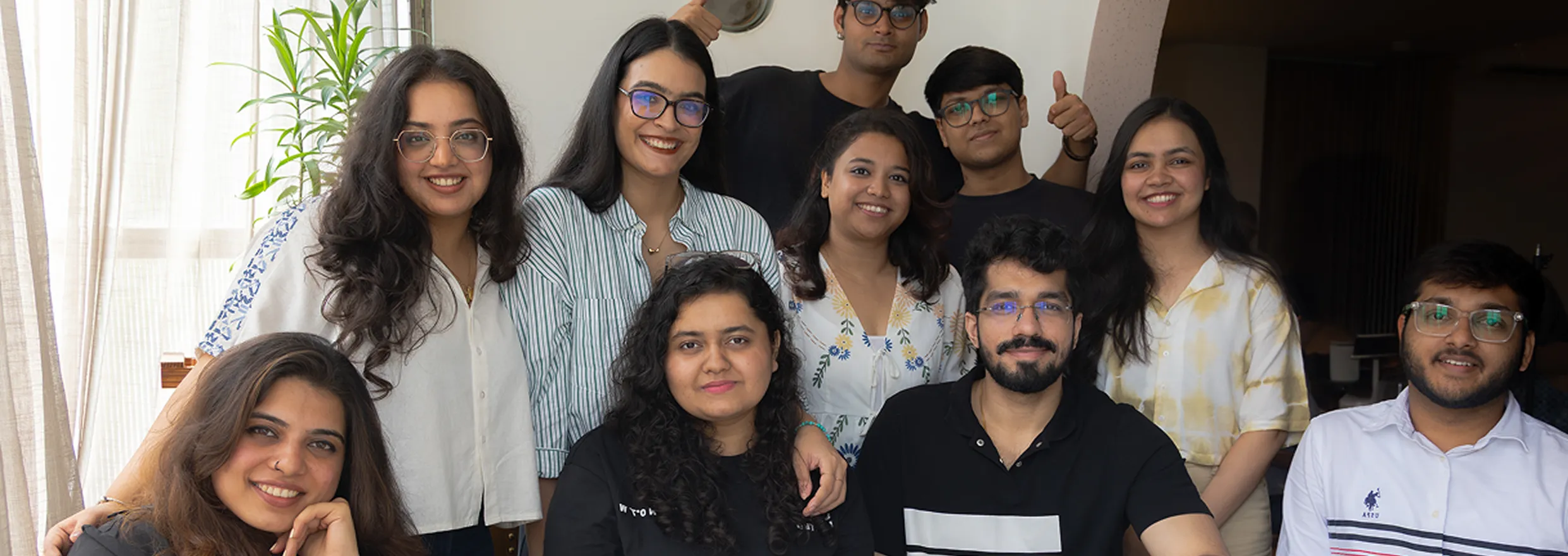
Confetti’s team is trusted by global leaders, and it’s time we join forces with you to create your Iconic brand!
Tap the button below and talk to our founders directly.



.webp)

While user personas are widely discussed, they are often poorly executed. Some of the most common mistakes include:
Without a focused and well-researched user persona, brands risk making subjective decisions that weaken consistency across strategy, design, and communication.
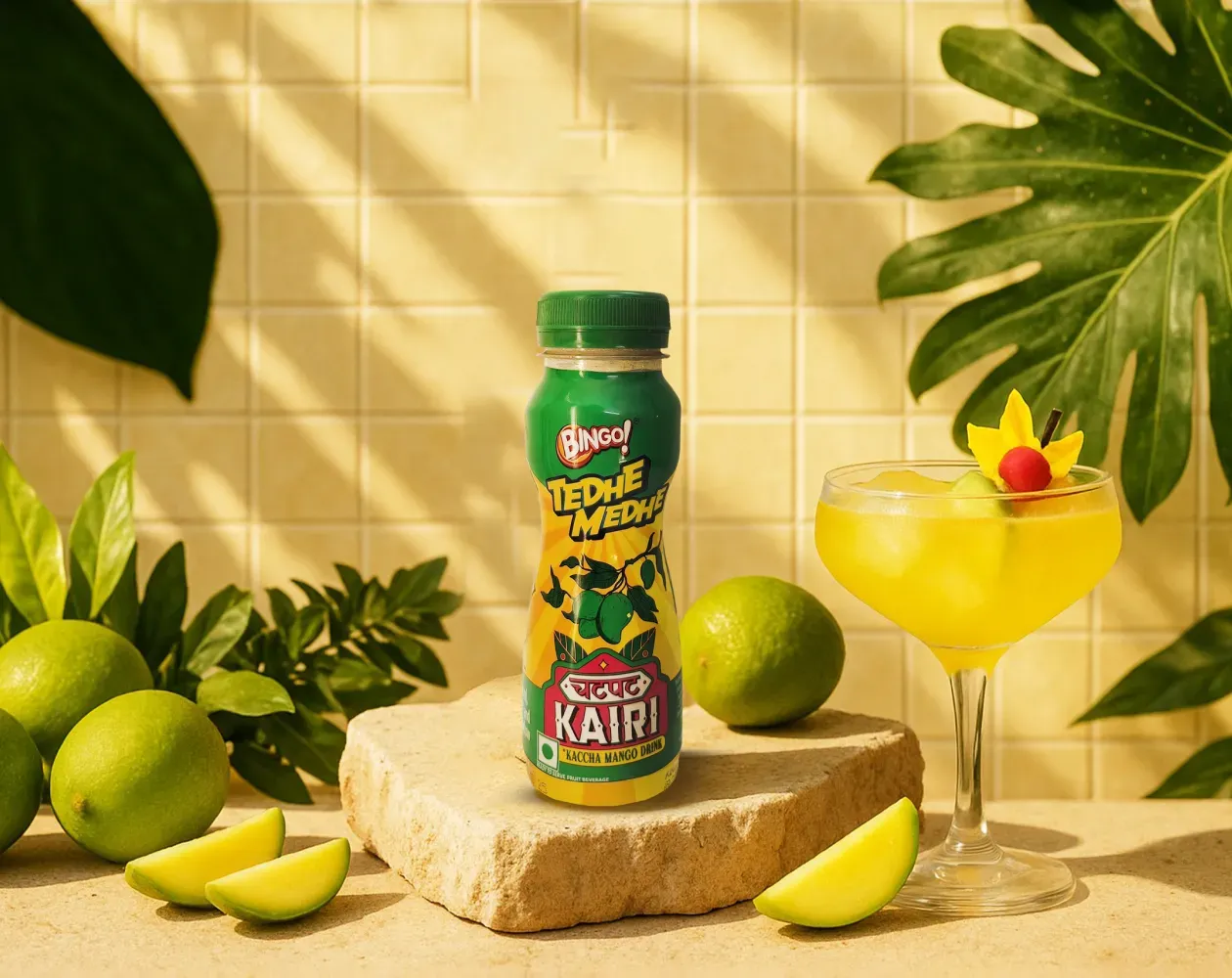
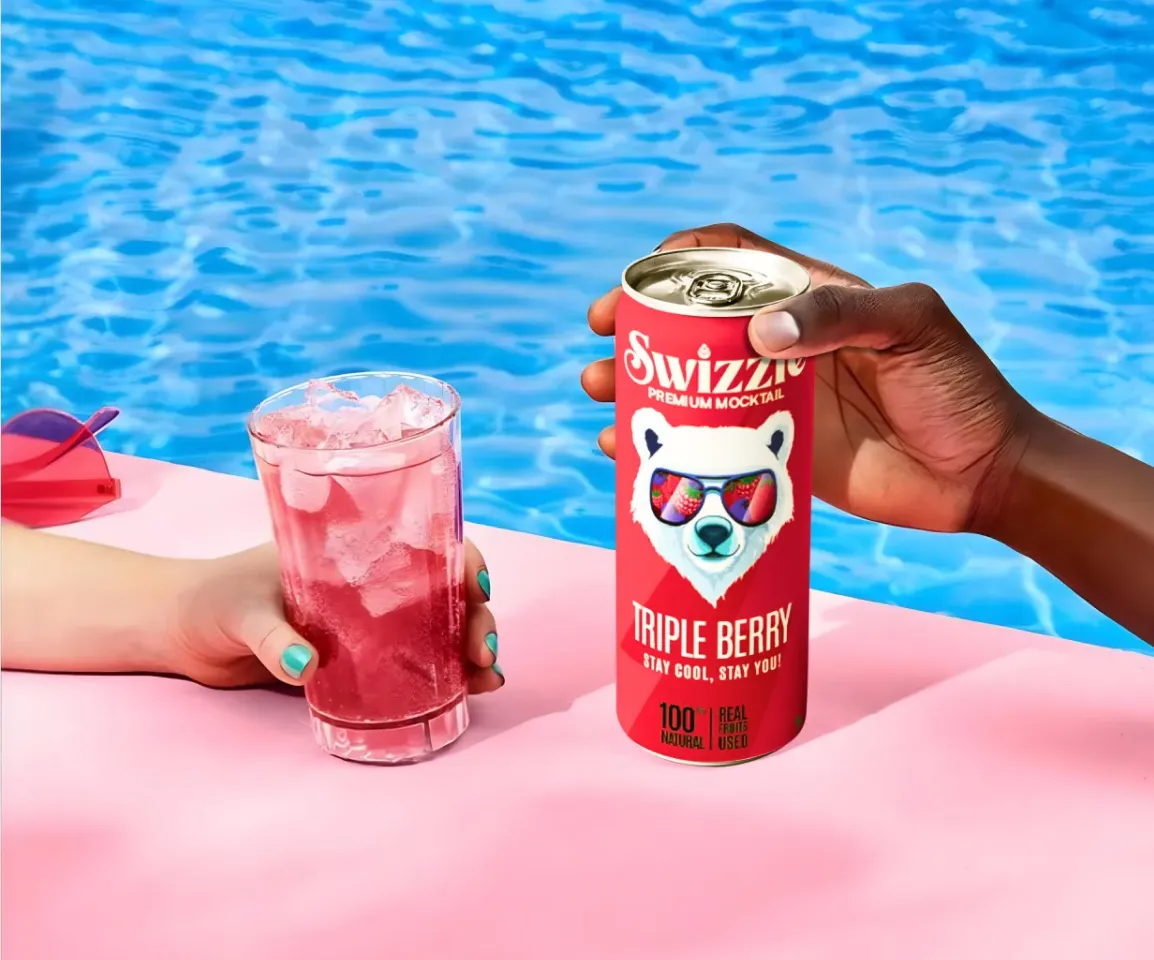
We worked with Bingo (by ITC) to help them launch India’s next viral beverage; Aam Panna
%201.webp)
Global award-winning Identity & packaging design for US's health & lifestyle startup AIM Nutrition
-p-2000%201.webp)
Building India’s fastest growing D2C supplements brand, Miduty by redesigning their branding, packaging & e-commerce website
.svg)
User personas stop brands from speaking in generalities. When an audience is defined too broadly, messaging becomes vague, and design decisions lose focus. Personas turn abstract demographics into recognisable people with specific motivations, habits, and expectations. That makes it far easier to decide what to say, how to say it, and what the brand should prioritise. It’s the difference between talking at people and speaking to someone who actually recognises themselves in the brand.
Take Spotify as an example. It isn’t designed for “everyone who listens to music”. It builds distinct experiences for listeners, creators, and those who enjoy discovering something new. At Confetti, persona development usually takes four to five days, and it directly informs positioning, tone of voice, and design direction. If you want to define who your brand should really be speaking to, the best next step is to book a quick call and work through it with our team.
Most brands work best when they focus on a small number of clearly defined personas. Trying to design for too many people at once usually leads to diluted messaging and safe decisions that don’t really resonate with anyone. In practice, one to three core personas are more than enough. This gives the brand enough range to grow, while still maintaining focus and consistency across communication, design, and experience.
You can see this approach in how Nike operates; it basically prioritises serious athletes and everyday movers, rather than trying to speak to every possible sports user at once. At Confetti, we typically define two to three strong personas over the course of a week, based on where the brand is today and where it wants to go next. A short call with our team is often the quickest way to decide what makes sense for your stage of growth and avoid overcomplicating the process.
A useful user persona goes far beyond age, income, or location. Those details matter, but they don’t explain why someone chooses one brand over another. We look at what motivates people, what holds them back, what triggers a purchase, and how they make decisions day to day. This includes lifestyle context, personal values, and the moments when a brand actually enters their consideration. That’s the information that shapes messaging, design choices, and how a brand shows up across touchpoints.
You can see this clearly with Tesla. Its buyers aren’t defined only by higher income levels. They are driven by innovation, status, and a belief in future-focused thinking. At Confetti, building personas with this level of depth usually takes around a week, because surface details rarely lead to strong decisions. If you want to understand what truly drives your customers and how that should influence your brand, a strategy call is the best place to start that conversation properly.
User personas shape far more than messaging. They influence how a brand speaks, what it prioritises visually, and how it builds an emotional connection over time. When you know who you’re speaking to, decisions around tone, colour, typography, and even pacing become clearer and more intentional. Without personas, brands often default to what feels safe, which usually means sounding and looking like everyone else.
A good example is Glossier. Its soft visuals and conversational tone weren’t stylistic choices made in isolation. They came directly from a deep understanding of a millennial-first audience that values honesty, approachability, and peer-to-peer language. At Confetti, personas are always defined before any tone of voice or design exploration begins, so creative decisions are rooted in real audience insight. If you want to see how your audience understanding can translate into stronger brand and design choices, booking a call with our team is the best way to connect those dots.
User personas should be created early, once there’s a clear understanding of the market and competitive landscape. This is the point where strategy starts to narrow from “what’s possible” to “what actually makes sense.” When personas come later in the process, brands often have to go back to decisions that were made on instinct rather than insight. Creating personas at the right moment helps us ensure that everything which follows, from positioning to design, is built with a specific audience in mind at all times.
Brands like Netflix are a good reference here. Content, interface decisions, and even visual direction are shaped only after deep insight into viewer behaviour and preferences. At Confetti, personas are usually finalised in Week 1 to Week 2 of strategy work, once research has been synthesised, and priorities are clear. If the timing or sequence feels confusing, a short call with our team can help map out the right flow for your brand and avoid rework later on.


Lorem ipsum dolor sit amet, consectetur adipiscing elit. Suspendisse varius enim in eros
Lorem ipsum dolor sit amet, consectetur adipiscing elit. Suspendisse varius enim in eros
Lorem ipsum dolor sit amet, consectetur adipiscing elit. Suspendisse varius enim in eros
.svg)
.svg)








.svg)
.webp)






















.webp)
















.webp)




.webp)