%201.webp)
02
AI Snaps
.svg)
.svg)
01
Our Work

03
About Us
05
Contact Us
06
Client Success

07
Blogs
08
Careers
Book A Call


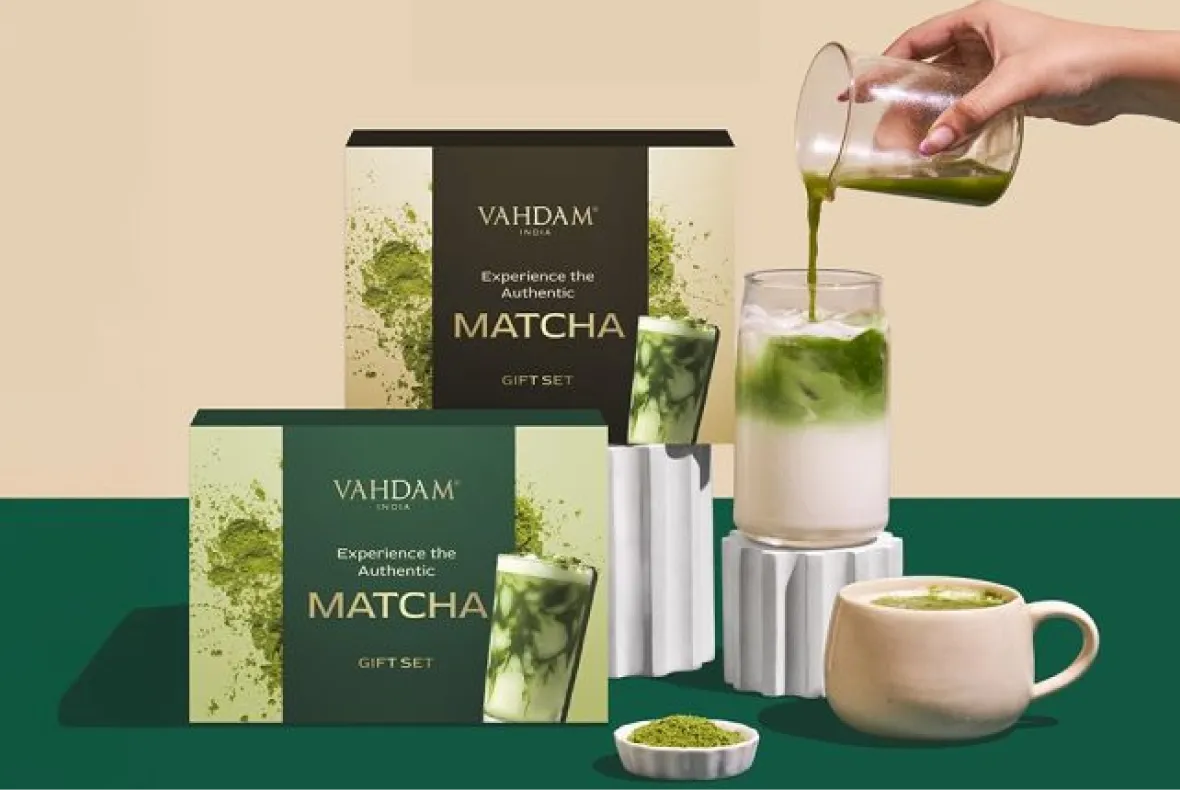
Competitor analysis is a foundational step in the brand strategy phase. It allows us to understand how a category is currently shaped, what visual and verbal conventions dominate it, and where genuine opportunities for differentiation exist. Without this clarity, brands risk entering the market with an identity that blends in, even if the product itself is strong. For example if you’re launching a protein powder or protein bar, nutrition and wellness brand like The Whole Truth, then your competitor analysis would include brands like Wellbeing Nutrition, SuperYou and Yoga Bar.
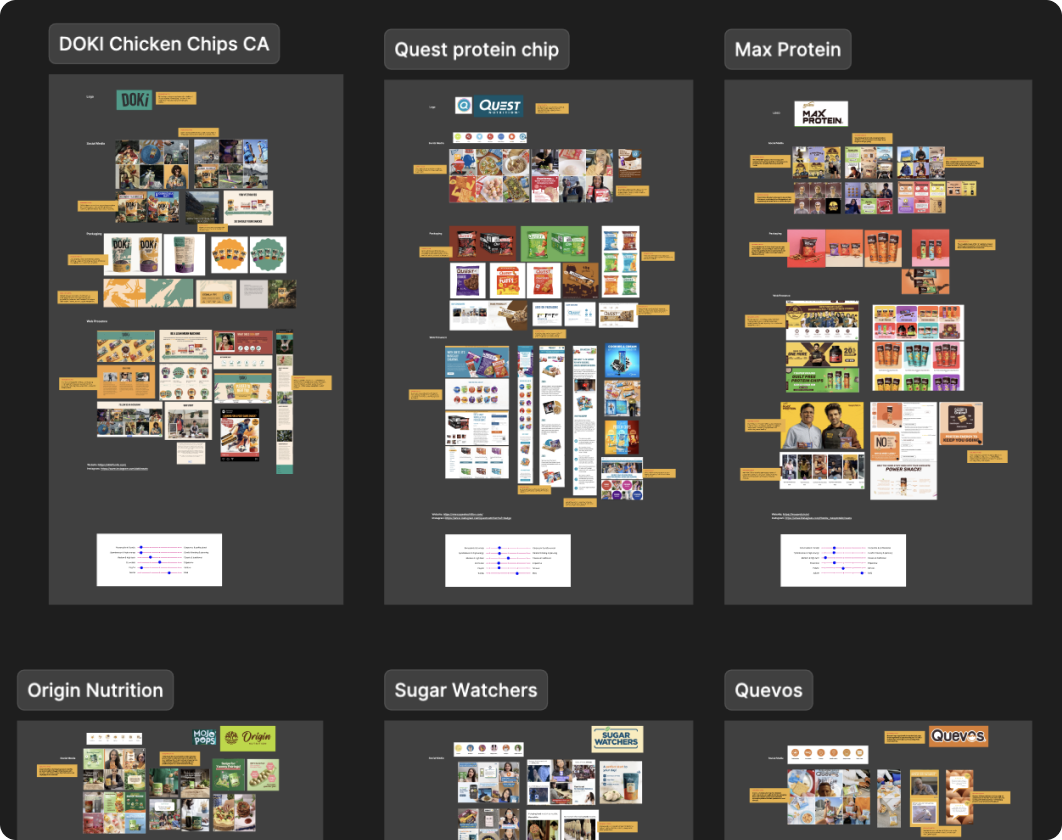
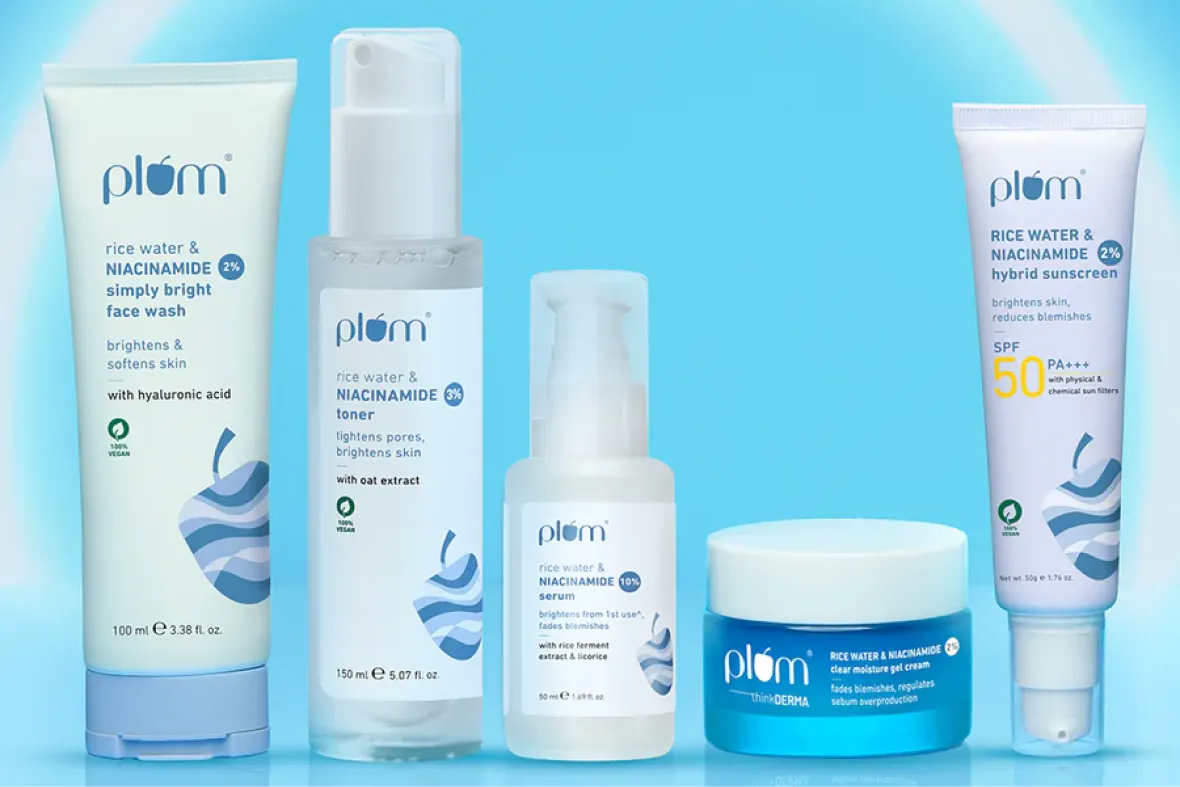
Competitor analysis is the process of studying brands operating within the same or adjacent categories to understand how they position themselves across communication, design, pricing cues, and customer perception. For example, when working with a skincare brand like Plum Skincare, it is essential to understand what brands such as Aqualogica, The Derma Co, Kama Ayurveda, Dot & Key, and similar players are doing across logo, packaging, messaging, digital presence, and brand tone. The aim is not to identify who is doing it best, but to recognise patterns, similarities, and overused approaches within the category. This helps identify where the market is saturated and where there is room to build a brand that feels intentional and distinct.
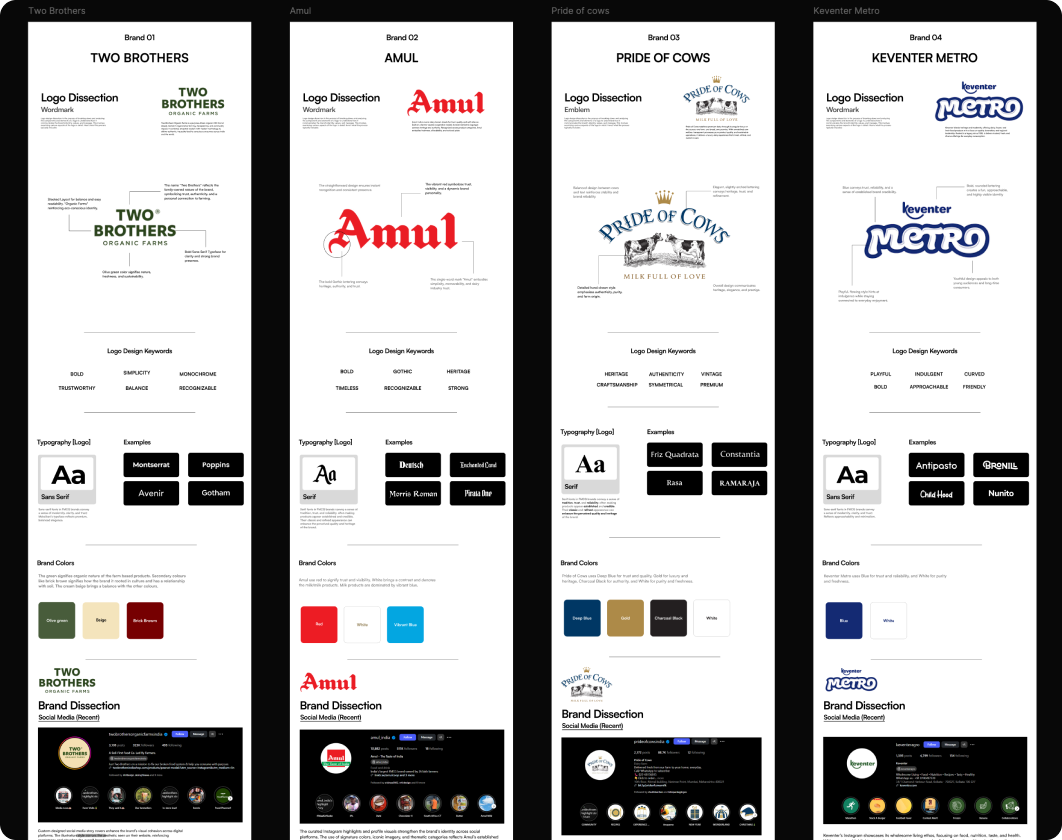
At Confetti, competitor analysis is carried out across both Indian and global brands, with a focus on real customer touchpoints rather than surface-level visuals. For All In A Minute (AIM), we analysed brands such as NuStrips, BioStrips, Z-Energy, OLLI, Wellbeing Nutrition, Ritual, The Patch Brand, and Goli Nutrition across their Instagram presence, packaging systems, websites, and broader digital communication.
Each brand was mapped using brand personality sliders to understand where they sit across dimensions such as personable versus corporate, modern versus classic, playful versus bold, and more. This mapping helped us identify category norms and recurring patterns. In AIM’s case, the analysis revealed that most competitors leaned towards being personable, friendly, modern, and high-energy. Based on this insight, we were able to recommend a clear direction for AIM to embrace a bold, playful, and friendly brand personality that aligned with category expectations for a wellness brand in India, while still feeling confident and intentional.

Confetti’s team is trusted by global leaders, and it’s time we join forces with you to create your Iconic brand!
Tap the button below and talk to our founders directly.



.webp)

Many brands and agencies undermine the value of competitor analysis by approaching it incorrectly. Some of the most common mistakes include:
Without structured analysis and mapping, competitor research remains observational rather than strategic, offering little guidance on where a brand should realistically position itself within the market.
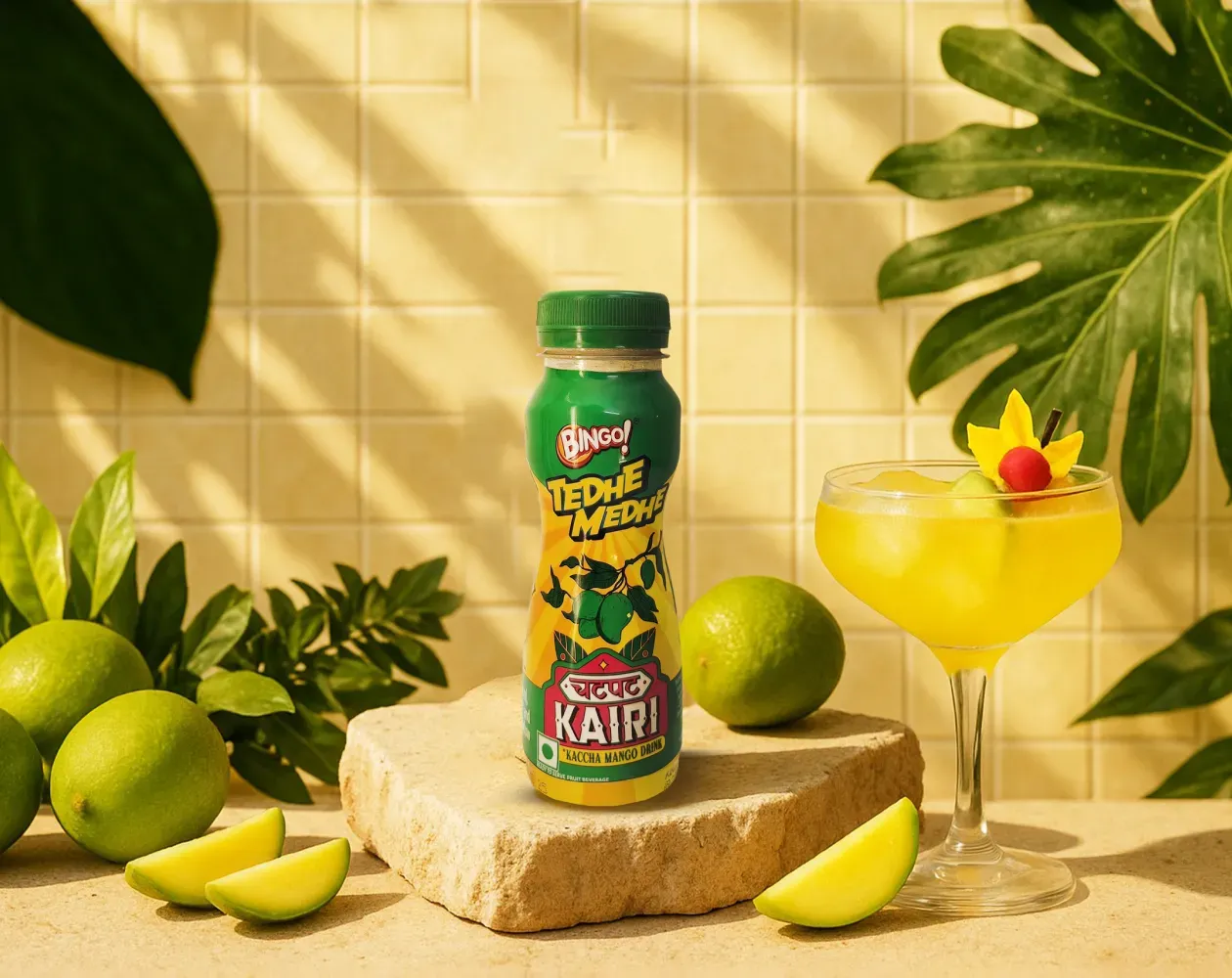
We worked with Bingo (by ITC) to help them launch India’s next viral beverage; Aam Panna
%201.webp)
Global award-winning Identity & packaging design for US's health & lifestyle startup AIM Nutrition
-p-2000%201.webp)
Building India’s fastest growing D2C supplements brand, Miduty by redesigning their branding, packaging & e-commerce website
.svg)
Before any identity or design work starts, we need a clear picture of what’s already out there. Not just who the competitors are, but how they look, how they speak, and what customers have come to expect from the category. Without that understanding, it’s very easy for even good design to end up feeling familiar. Take sportswear as an example. If a new brand hasn’t properly studied Nike, Adidas, or Puma, it will almost inevitably fall into the same visual language and cues the category already uses.
At Confetti, we usually spend around a week reviewing competitors before any creative work begins. This helps us identify what’s overdone, where brands are starting to blur together, and where there’s real room to do something different. And if you want to understand how this approach applies to your brand and market, the best next step is to book a call with us and talk it through properly.
We don’t just look at brands that sell the same product. A useful competitor analysis includes direct competitors, aspirational brands, and brands competing for the same customer attention. Often, the most valuable insights come from outside the obvious set. What customers compare you to in their heads isn’t always limited to brands in the same price bracket or even the same category. For example, a D2C skincare brand might look at The Ordinary as a direct competitor, Minimalist as a strong local player, and Glossier as an aspirational reference. Each offers a different perspective on positioning, visual language, and customer expectations.
At Confetti, shortlisting and analysing the right competitors usually takes around five to seven days. Getting this right is important because the wrong competitor set can skew every strategic decision that follows. The fastest way to identify the competitors that actually matter for your brand is to book a short call with us and map it out properly.
Benchmarking is largely observational. It looks at what other brands are doing and measures you against that standard. Competitor analysis goes further. It looks for what’s missing, what’s overused, and where customers are quietly dissatisfied. Apple is a good example. It didn’t just compare phone features spec by spec. It noticed how frustrated people were with complexity and deliberately positioned itself around ease of use and simplicity.
At Confetti, we spend a focused week moving past surface-level comparisons and into insights that actually inform positioning and design decisions. If you want to explore how deeper competitor analysis could strengthen how your brand is positioned, the best next step is to book a call with our team and talk it through properly for your category.
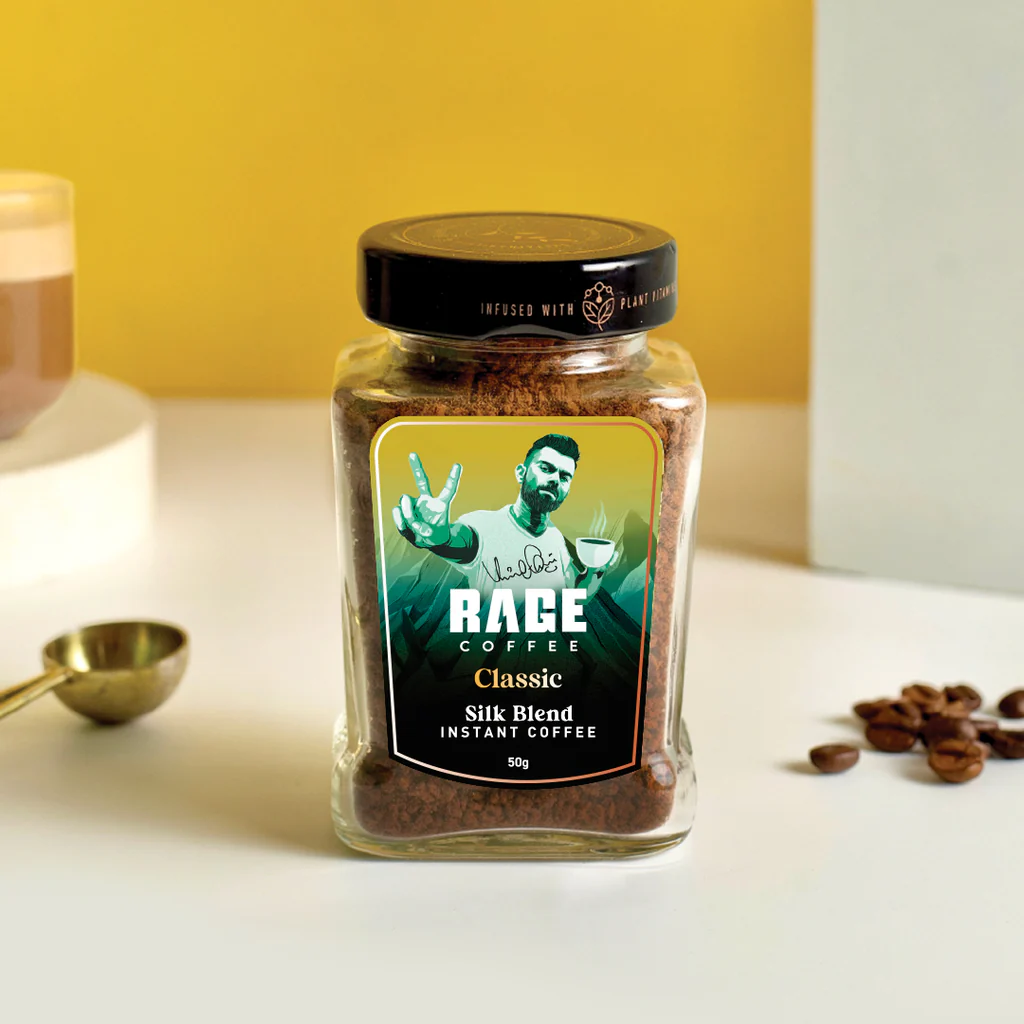
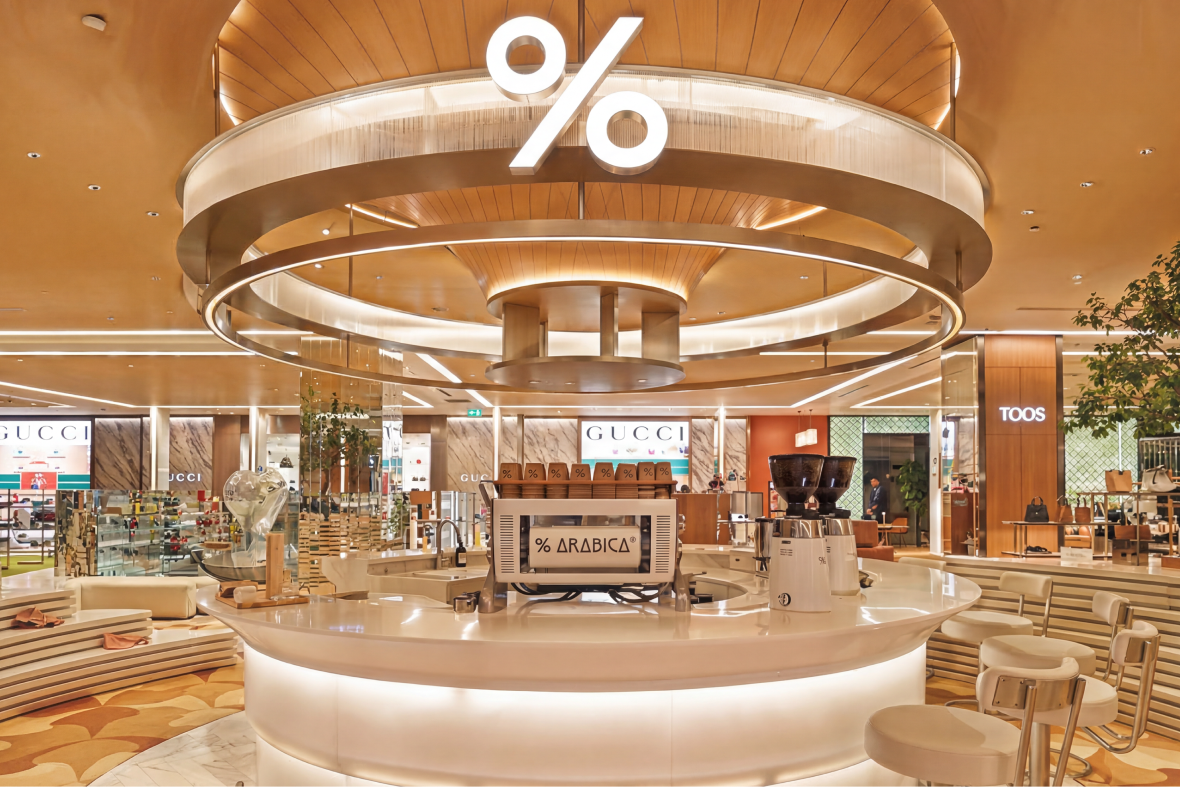
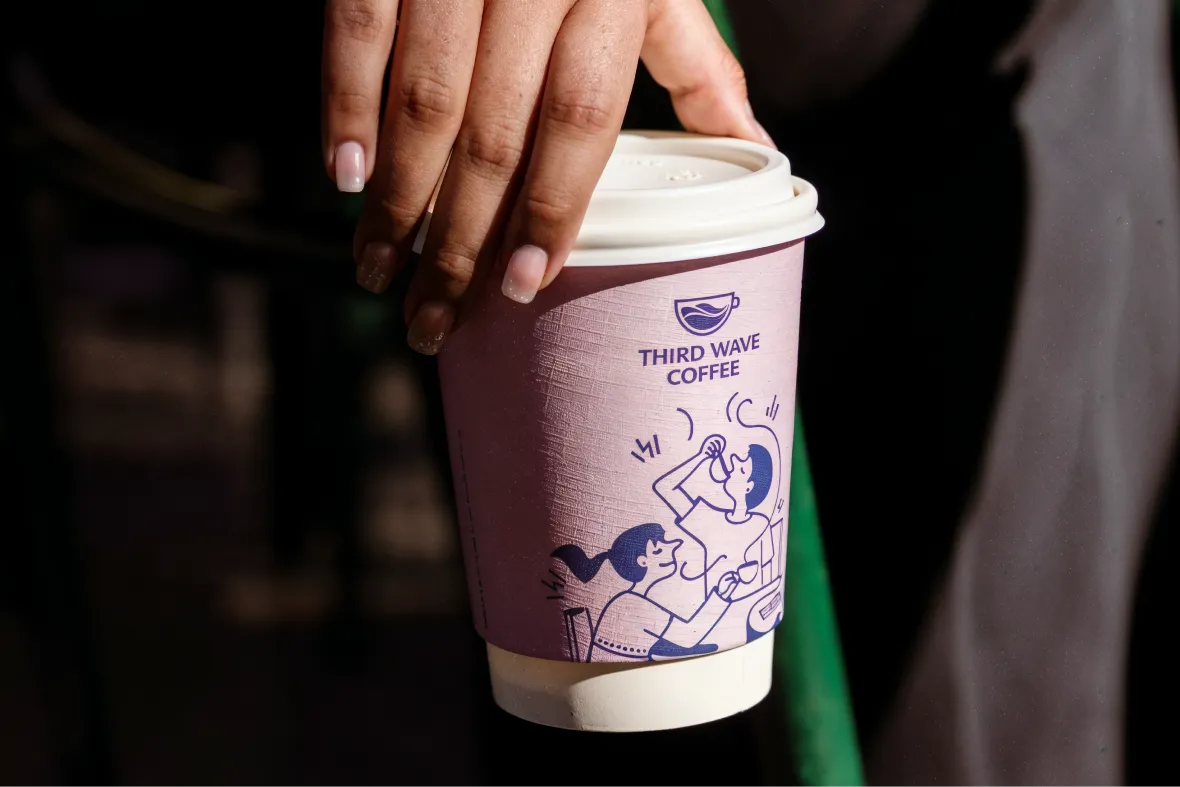
Competitor analysis helps narrow the field before positioning decisions are made. It shows us where brands are already clustered, what messages are being repeated, and which ideas have been exhausted. Just as importantly, it highlights where not to play, so the brand isn’t forced to compete on the same terms as everyone else. In coffee, for instance, many brands focus heavily on energy and productivity, while others like Blue Bottle have chosen to build around craftsmanship, ritual, and the experience of making coffee itself.
At Confetti, these insights feed directly into positioning decisions within the first week of strategy work, not as a separate exercise but as part of how direction is set early on. This is what allows the brand to take a clear, intentional stance rather than reacting to the market. A discovery call is the simplest way to connect this thinking to your business goals and see how it would apply to your category.
Competitor analysis needs to happen right at the start of a branding or rebranding project, before names, logos, or visual styles are even on the table. When design decisions are made first, and strategy follows later, brands often end up repainting the same ideas in a new colour. A well-known example is Airbnb. Its rebrand worked because the strategic thinking came first, shaping what the brand stood for long before the visual system was finalised.
At Confetti, competitor analysis is always part of Week 1. It sets the direction early and prevents costly course corrections later on. Starting in the wrong order can slow everything down and dilute the outcome. If you’re unsure where competitor analysis should sit within your project, a short call with our team is the easiest way to map the right sequence and get moving with confidence.


Lorem ipsum dolor sit amet, consectetur adipiscing elit. Suspendisse varius enim in eros
Lorem ipsum dolor sit amet, consectetur adipiscing elit. Suspendisse varius enim in eros
Lorem ipsum dolor sit amet, consectetur adipiscing elit. Suspendisse varius enim in eros
.svg)
.svg)








.svg)
.webp)





















.webp)



















.webp)




.webp)