%201.webp)
02
AI Snaps
.svg)
.svg)
01
Our Work

03
About Us
05
Contact Us
06
Client Success

07
Blogs
08
Careers
Book A Call


Performance marketing, unlike organic or brand-led efforts, is built around a very clear outcome. In most cases, that outcome is sales. Likes, comments, impressions, and reach are secondary. What matters is whether money spent on ads is coming back as revenue.Several Indian consumer brands across categories rely heavily on performance marketing to scale. A premium spirits brand like Indri uses performance campaigns to build consideration and drive purchase intent. In beauty and cosmetics, FAE Beauty uses performance ads to push specific product drops and collections. In wellness and supplements, Wellbeing Nutrition runs performance marketing to drive repeat purchases from fitness and wellness enthusiasts. For fashion, brands like The Souled Store use performance ads aggressively to move inventory, promote collections, and scale during sale periods. In all these cases, performance marketing plays the sole role of turning interest into action.
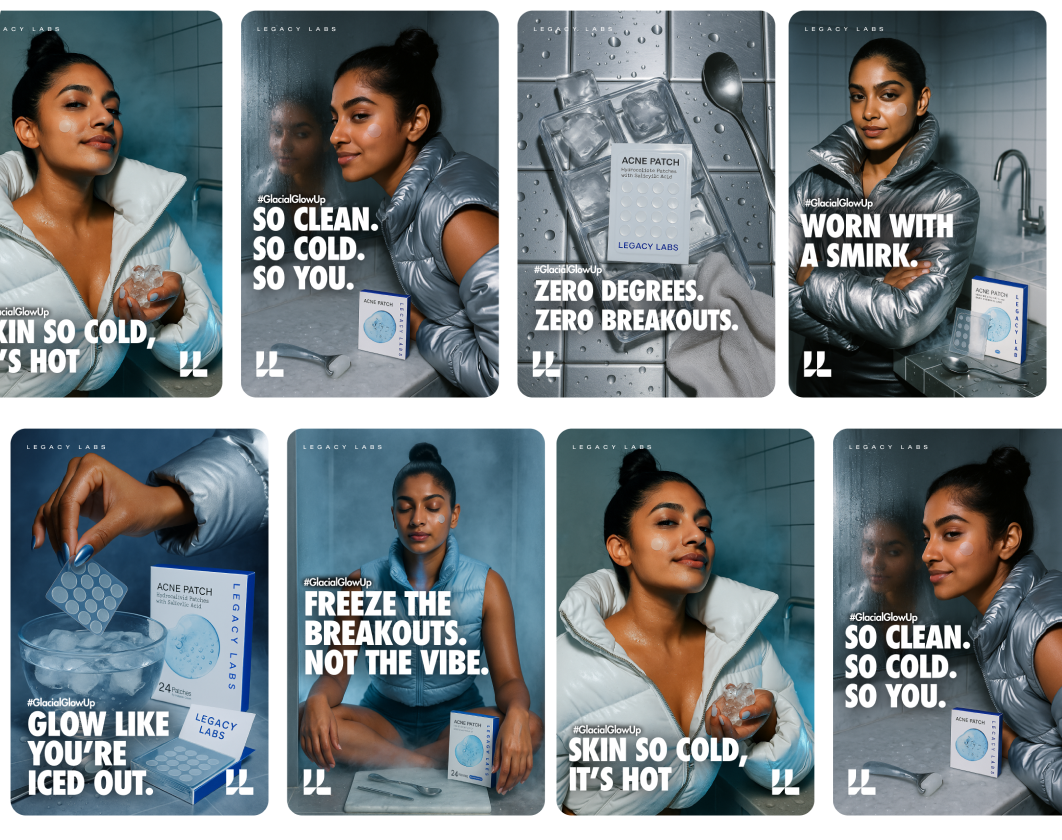
Performance marketing is marketing where success is defined by measurable results. These results could be conversions, leads, app installs, or purchases, but for most consumer brands, sales are the primary KPI.Unlike brand-building campaigns, performance marketing is unforgiving. Every campaign is judged by numbers. If something doesn’t convert, it’s changed or switched off. If something works, it’s scaled. The most important metric here is ROAS, Return on Ad Spend.
For example, spending ₹100 and generating ₹500 in revenue means a 5x ROAS. This is the lens through which all decisions are made. Performance marketing typically runs across platforms such as Google Ads and Meta’s ecosystem, including Instagram Ads and Facebook Ads. Each platform behaves differently, and knowing when and how to use them together is where real expertise lies.

At Confetti, performance marketing is treated as an ongoing system, not a one-off campaign. We begin by defining the right balance between awareness and conversion, based on the brand’s category, price point, and maturity. Higher-consideration products like premium beauty or alcohol need time and familiarity before conversion is pushed, while lower-ticket fashion or wellness products can move to sales-focused campaigns much faster. Once this structure is clear, our copywriters, designers, and video editors work together to build multiple creative routes using a mix of real shoots, stock, or AI visuals.
Every campaign starts with controlled A/B testing on smaller budgets. We test creatives, messaging, audiences, and formats before scaling anything. Only what proves itself gets more spend. ROAS is tracked closely, and budgets are constantly refined across platforms like Meta and Google. If users click but don’t convert, we don’t blindly optimise ads—we look at the website, landing pages, and checkout flow and flag issues immediately. Performance marketing, for us, is tightly connected to the entire funnel and is continuously tested, adjusted, and improved as long as campaigns are live.

Confetti’s team is trusted by global leaders, and it’s time we join forces with you to create your Iconic brand!
Tap the button below and talk to our founders directly.



.webp)

Most performance marketing failures come down to how agencies operate, not budget size. Some of the most common mistakes include:
At Confetti, we can change the entire creative direction if required, test new angles, and even experiment with AI-led visuals to execute ideas that most agencies cannot.
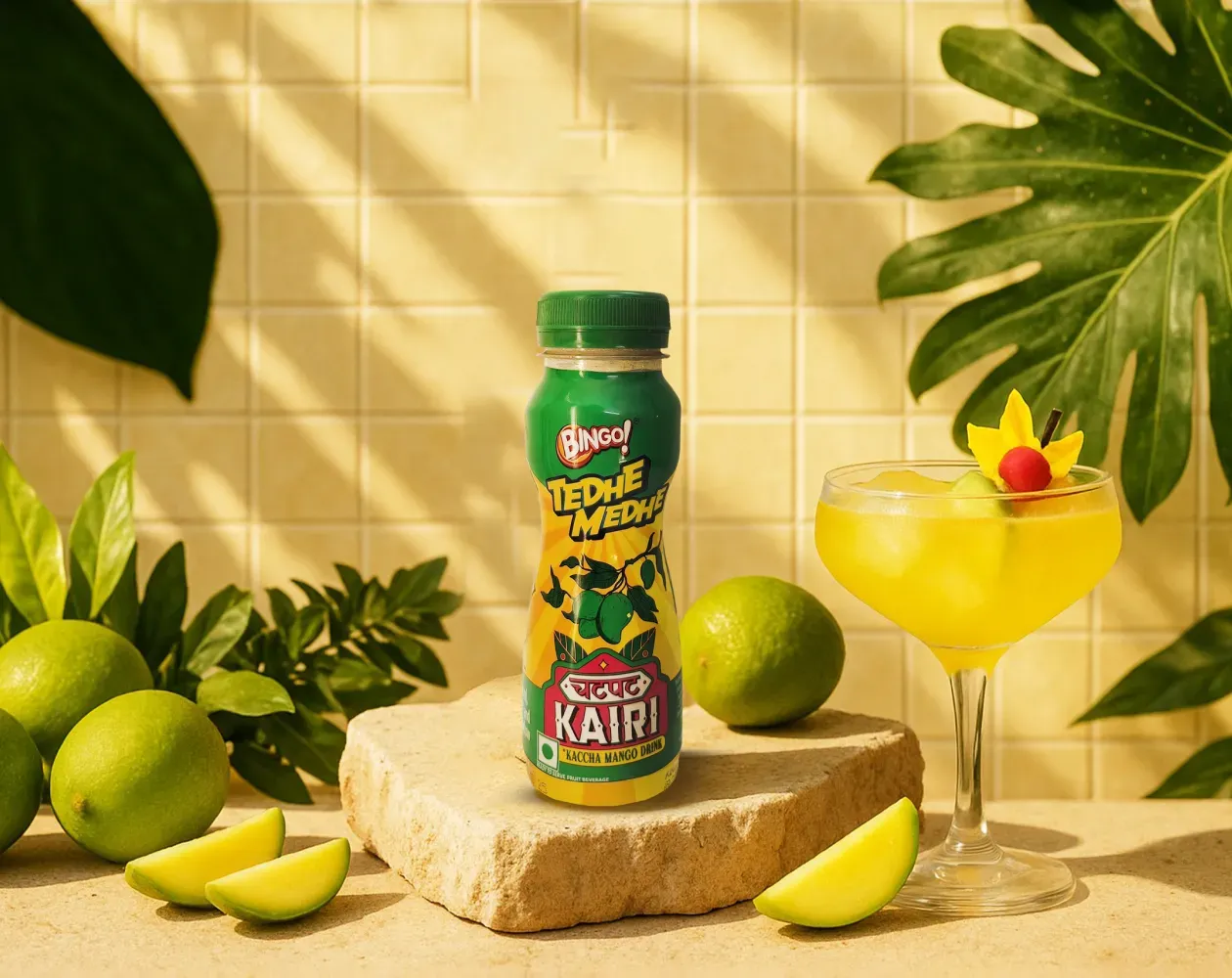
We worked with Bingo (by ITC) to help them launch India’s next viral beverage; Aam Panna
%201.webp)
Global award-winning Identity & packaging design for US's health & lifestyle startup AIM Nutrition
-p-2000%201.webp)
Building India’s fastest growing D2C supplements brand, Miduty by redesigning their branding, packaging & e-commerce website
.svg)
Performance marketing works best once product–market fit and core messaging are clear. Running ads too early often wastes spend because the brand is still figuring out what resonates. Many brands jump into performance before validation and end up optimising the wrong message or audience. At Confetti, we layer performance marketing only after the fundamentals are proven, so scale actually amplifies what’s already working. If you’re unsure whether it’s the right moment to invest in ads, hopping on a short call with our experts can help you decide the timing and avoid costly missteps.
Early go-to-market usually needs awareness before it can reliably drive conversions. When a brand is still new, people first need to recognise it, understand what it stands for, and trust it. Pushing hard on conversion too soon often leads to poor ROAS because the audience isn’t warmed up yet. That’s why many brands start by testing with a modest awareness budget, often around $1,000 to understand messaging and audiences, and then scale once signals are clear. There’s no real upper limit after that, as long as performance justifies the spend. Brands like Skims invested heavily in brand-building before aggressively optimising for conversion, and it naturally did work out for them.
At Confetti, we don’t use fixed ratios as such, to be honest. Budget splits are decided based on many factors, like the category, price points, and buying behaviour, because what works for one brand may fail for another. If you want to plan spend more efficiently and avoid burning budget too early, hopping on a short call with our experts can help map the right balance for your stage.
A “good” ROAS isn’t a universal number, honestly, it heavily depends on your margins, price points , and how often customers come back to buy your products or services. In many categories, a 2-3x ROAS is fairly common and perfectly healthy, especially early on. In others, particularly where repeat purchase or strong life time value (LTV) exists, higher returns are realistic.
At Confetti, we’ve seen ROAS land anywhere between 4-7x for some clients, but only when expectations, messaging, and funnels were aligned from the start. If you want to define what success should realistically look like for your category rather than chasing generic benchmarks, hopping on a short call with our experts can help set the right targets before you scale.
Poor performance is rarely caused by just one thing. Ads, audience targeting, landing pages, and the overall funnel all work together with each other, which is why blaming the ads alone often misses the real issue. Many brands drive traffic successfully, but lose conversions because the website doesn’t build trust, the message doesn’t match the ad, or the buying flow creates friction.
At Confetti, we diagnose performance end to end. We look at creatives, targeting, landing pages, and conversion paths together, and we run these audits monthly to spot patterns over time, not just one-off issues. If results aren’t where they should be, hopping on a short call with our experts can quickly help identify where the real bottleneck is before more budget is spent on running ad campaigns for your brand.
A good performance marketing partner does far more than place ads and manage budgets. They bring strategic thinking, structured testing, ongoing insights, and optimisation that ties performance back to business outcomes. The strongest partners think like business owners, questioning assumptions, refining messaging, and improving the funnel instead of simply increasing spend.
At Confetti, performance is closely linked to brand clarity and reviewed through regular reporting and monthly audits, so decisions are made with context, not guesswork. If you’re evaluating what support you should expect beyond media buying, hopping on a short call with our experts can help align expectations and define what a good partnership actually looks like when it comes to performance marketing.

Lorem ipsum dolor sit amet, consectetur adipiscing elit. Suspendisse varius enim in eros
Lorem ipsum dolor sit amet, consectetur adipiscing elit. Suspendisse varius enim in eros
Lorem ipsum dolor sit amet, consectetur adipiscing elit. Suspendisse varius enim in eros
.svg)
.svg)








.svg)
.webp)




















.webp)


















.webp)




.webp)