%201.webp)
02
AI Snaps
.svg)
.svg)
01
Our Work

03
About Us
05
Contact Us
06
Client Success

07
Blogs
08
Careers
Book A Call


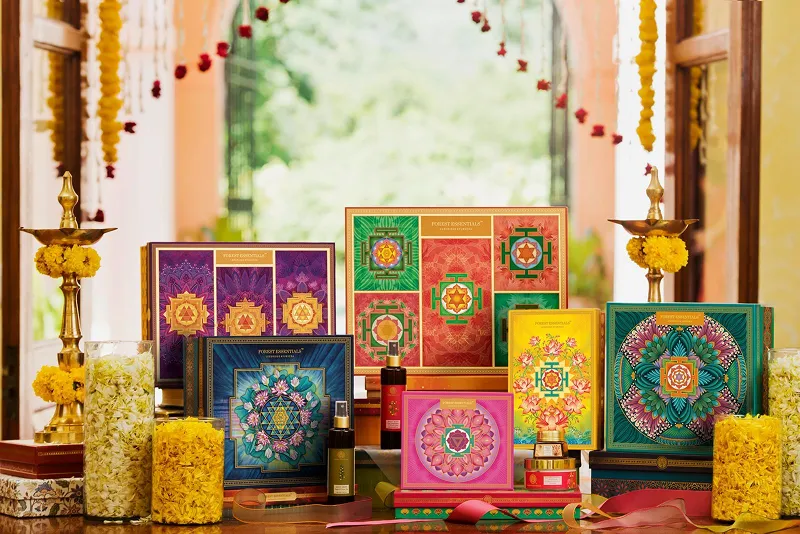
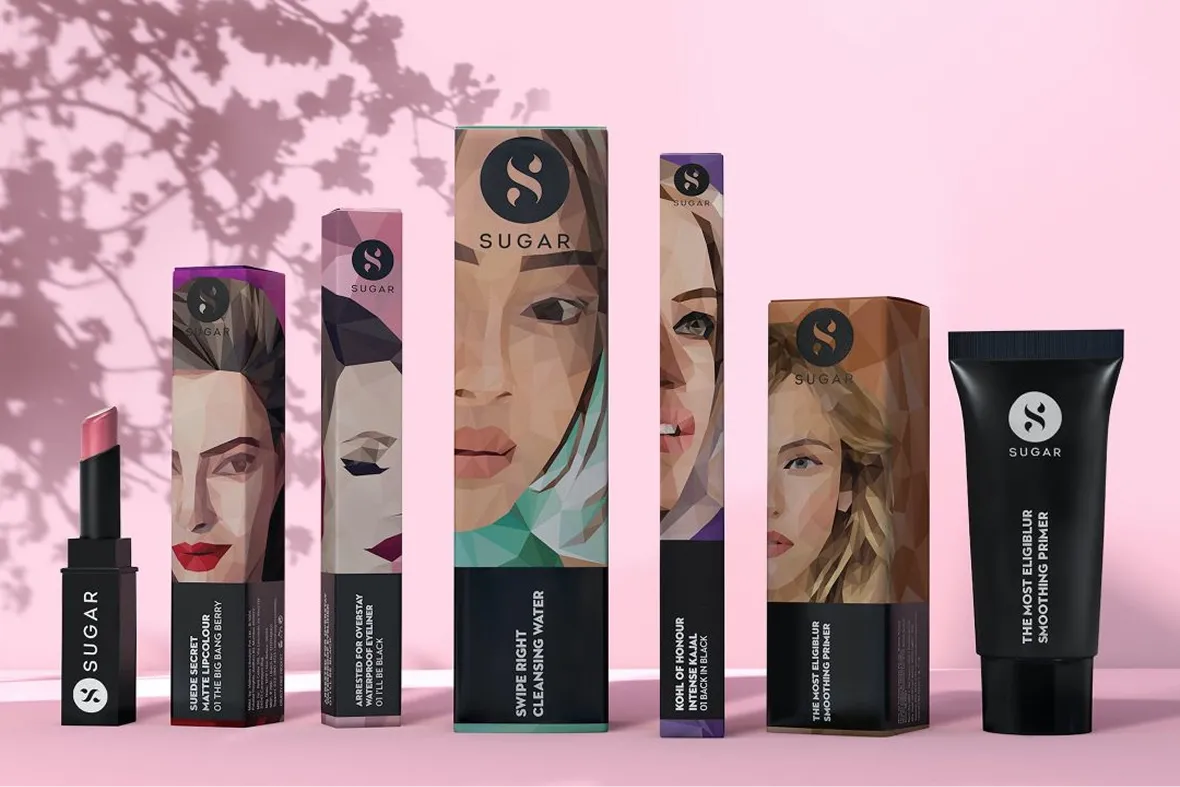
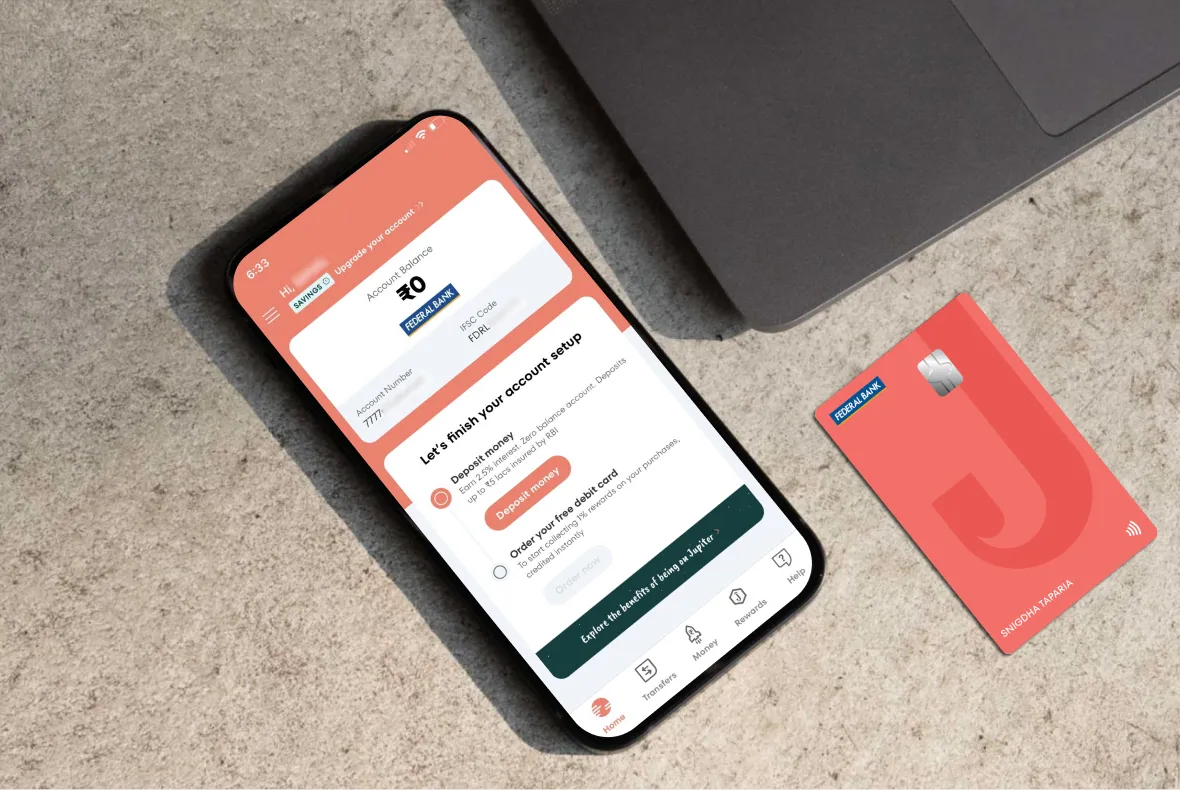
Industry-based packaging design is an approach where packaging is not treated as a generic design exercise, but as a category-specific discipline. Instead of one designer working across healthcare, food, beverages, fashion, and technology, this model relies on specialised design teams who are deeply familiar with a particular industry. This becomes especially critical in categories where trust, credibility, and decision-making time are high. For example, premium skincare, wellness supplements, medical products, or consumer tech require very different packaging cues compared to impulse food or FMCG products. A customer buying a ₹3,000 skincare serum or a medical device will spend far more time evaluating the product, reading information, and forming judgments. In such cases, packaging must reflect category norms, regulatory awareness, and visual credibility.

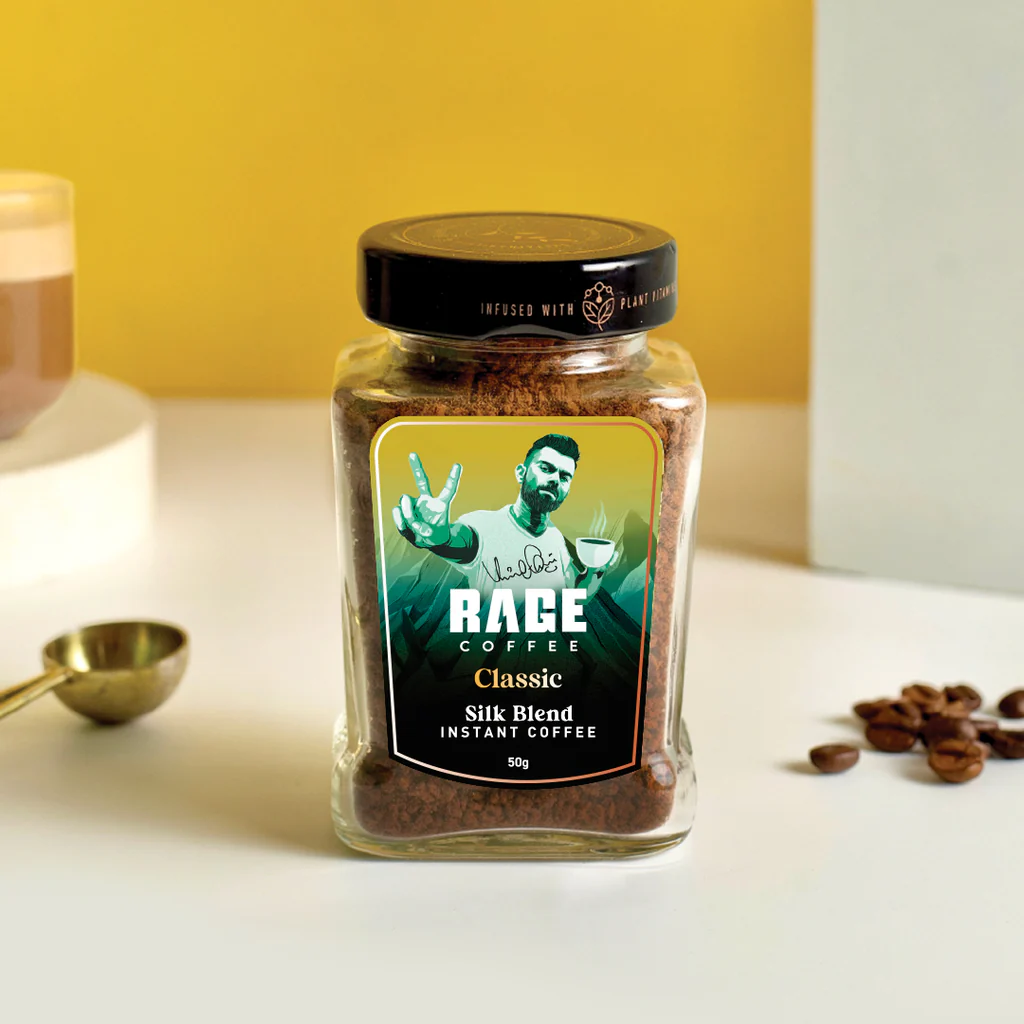
Industry-based packaging design means assigning designers who are trained, optimised, and experienced within a specific category. These designers understand not just how packaging should look, but how it should behave within that industry.For instance, packaging for healthcare or medical products demands a strong understanding of compliance,restraint, and trust-building visuals.
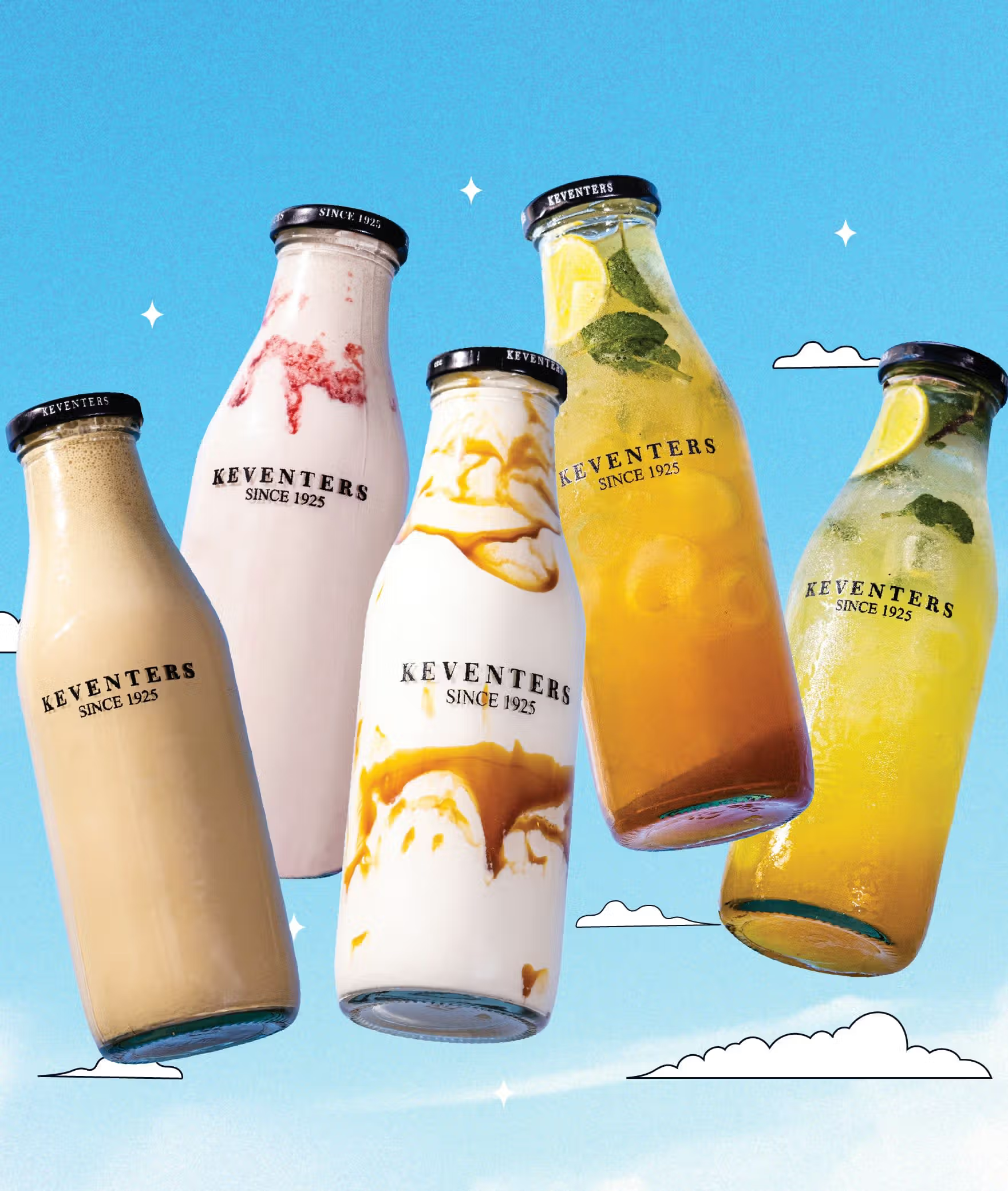
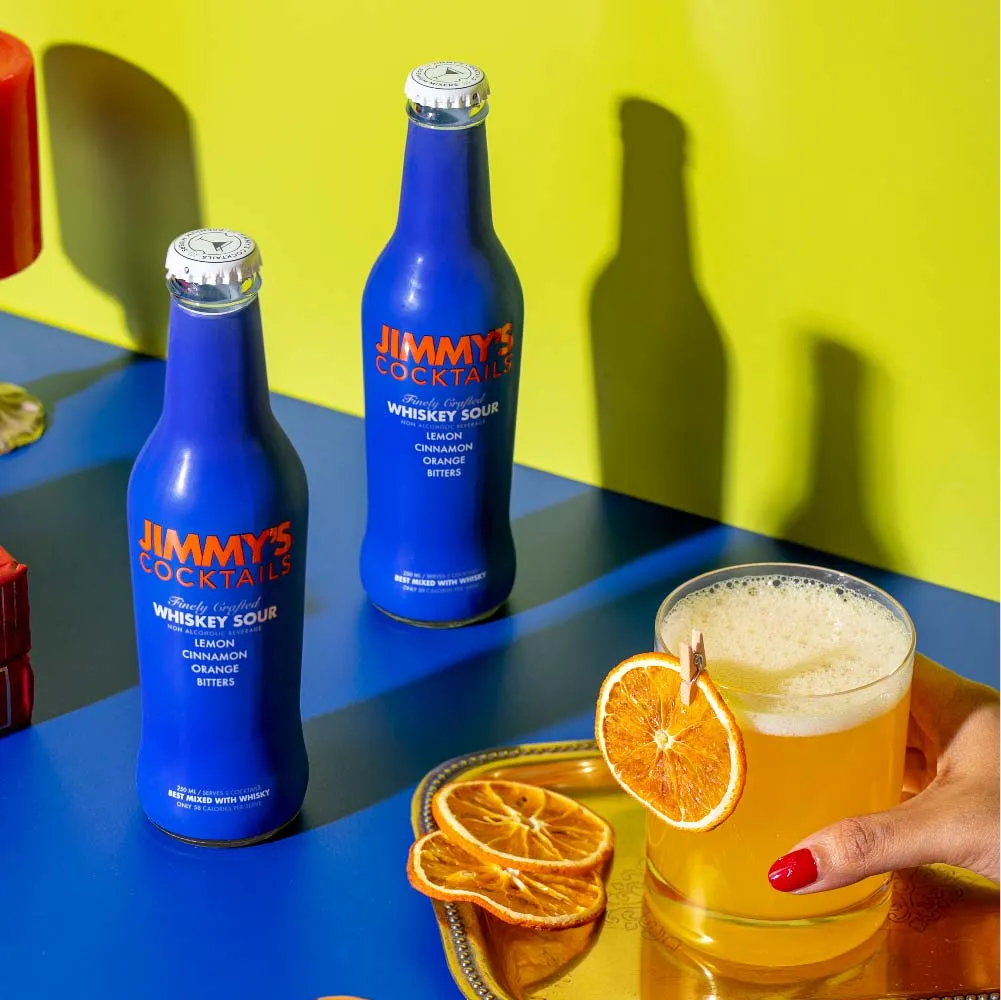
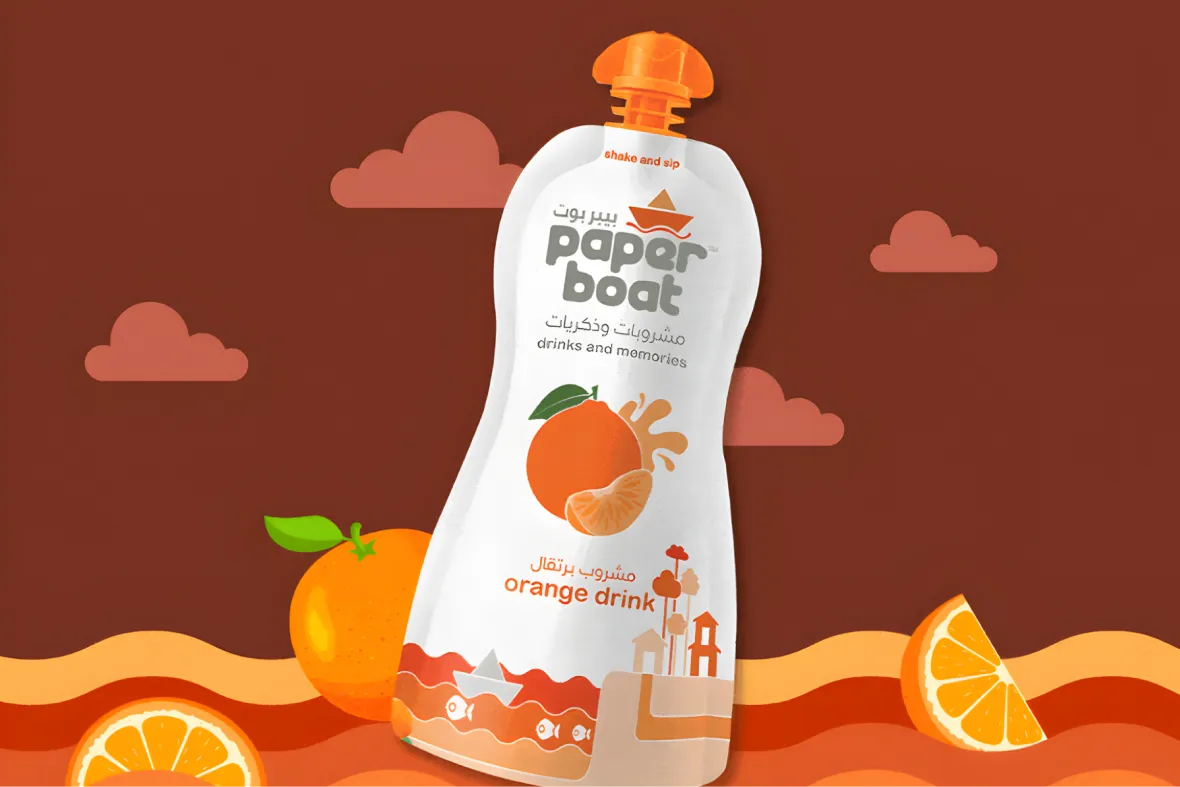
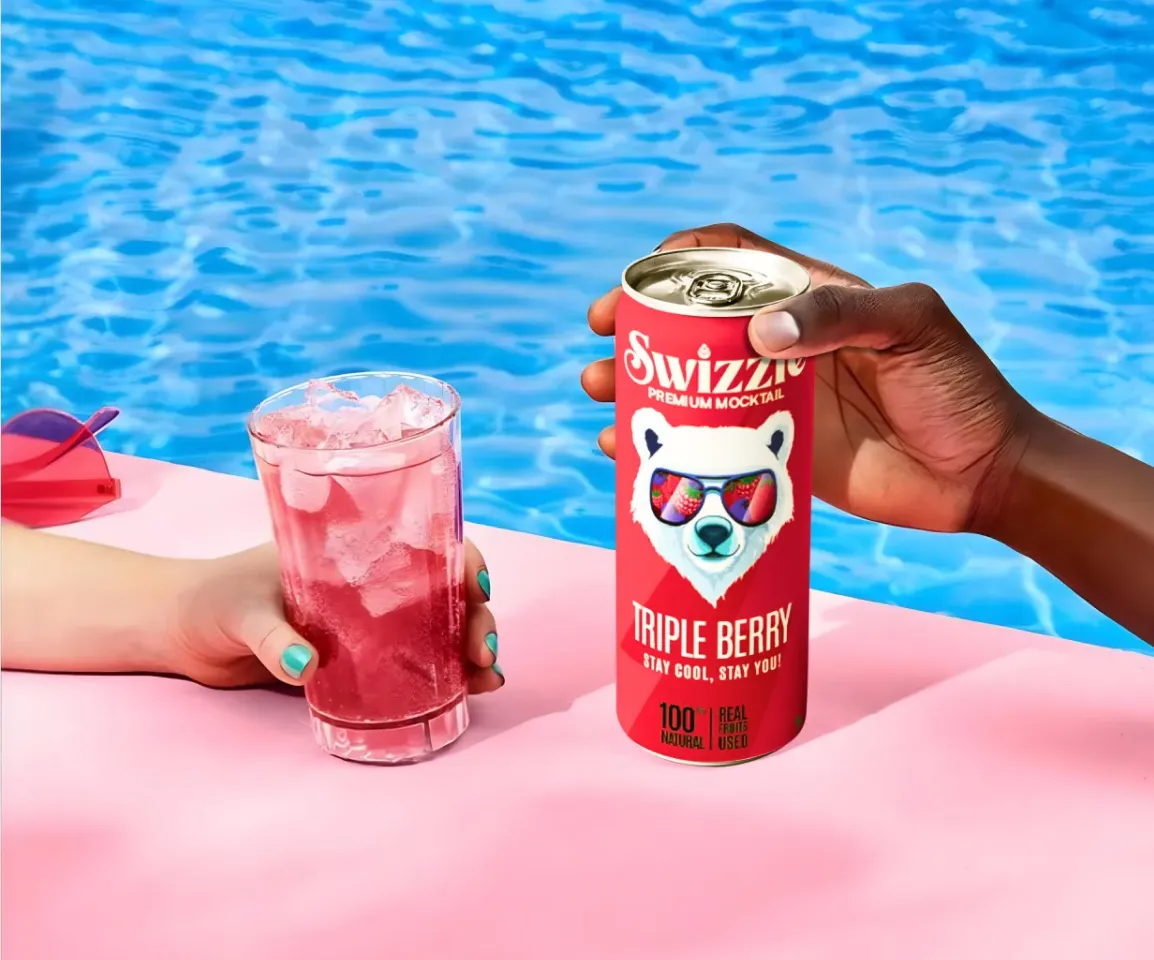
In contrast, food and beverage packaging relies heavily on appetite appeal, shelf visibility, and emotional cues. Fashion and lifestyle packaging prioritises aesthetics, tactility, and brand aspiration, while technology and consumer electronics packaging focuses on precision, hierarchy, and perceived value. Each industry has its own unspoken rules, visual languages, and consumer expectations. Industry-based packaging design ensures these nuances are understood instinctively, not discovered through trial and error.

At Confetti, packaging is approached through industry specialisation rather than a one-size-fits-all design team. Our designers build deep expertise within specific domains such as healthcare, technology, fashion, and food and beverage. Over time, they develop an instinctive understanding of category regulations, consumer expectations, material choices, and the visual cues that signal trust, quality, or premium value within that industry.
When a client comes to us, the project is led by the designer strongest in that category. This means decisions are guided by real category knowledge, not guesswork. Instead of reacting to feedback, our designers proactively recommend what will work better on shelf or in-market and explain why, helping clients make confident, category-appropriate packaging decisions.

Confetti’s team is trusted by global leaders, and it’s time we join forces with you to create your Iconic brand!
Tap the button below and talk to our founders directly.



.webp)

Many brands run into issues when packaging design is handled without industry context. Some of the most common mistakes include:
Industry-based packaging design eliminates these issues by bringing category expertise into the process from the start. It leads to stronger collaboration, clearer decision-making, and packaging that truly fits the space it is meant to compete in.
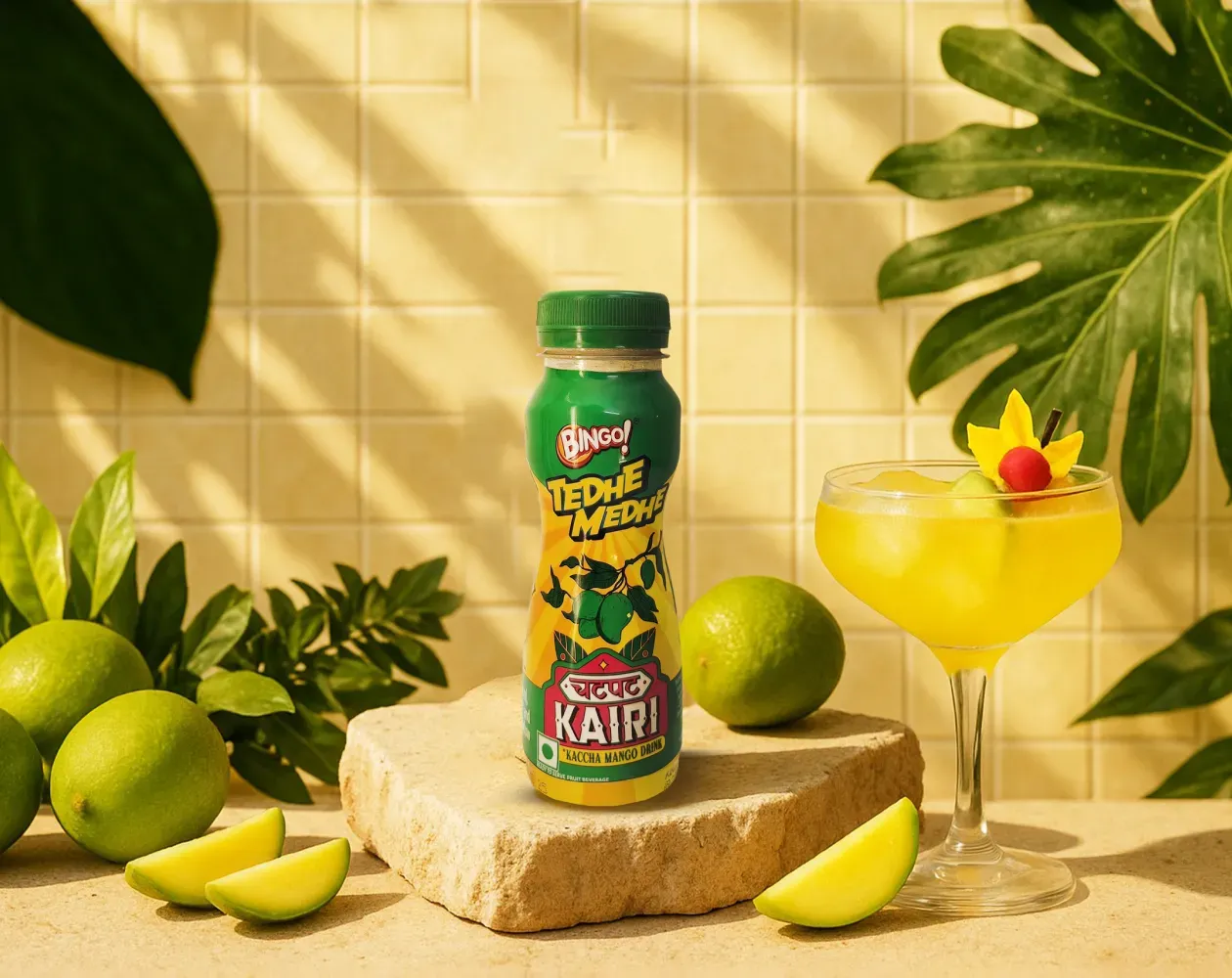
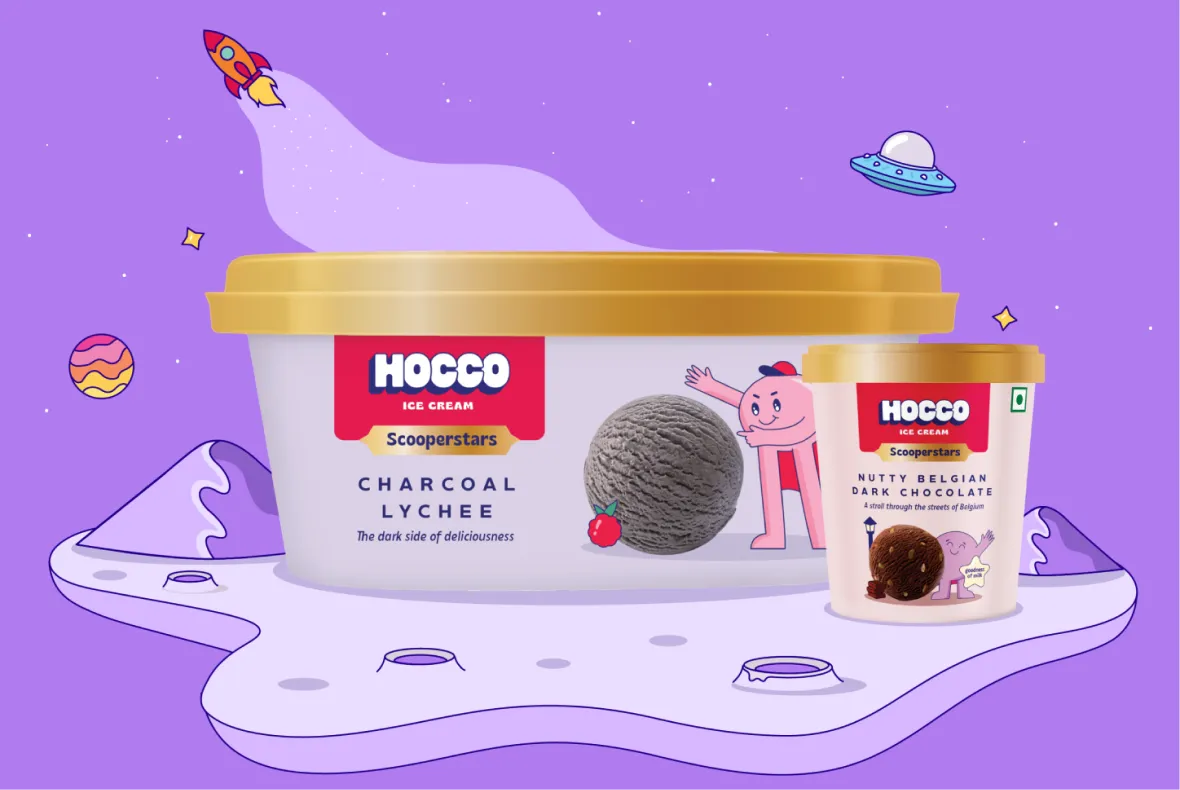
We worked with Bingo (by ITC) to help them launch India’s next viral beverage; Aam Panna
%201.webp)
Global award-winning Identity & packaging design for US's health & lifestyle startup AIM Nutrition
-p-2000%201.webp)
Building India’s fastest growing D2C supplements brand, Miduty by redesigning their branding, packaging & e-commerce website
.svg)
Packaging doesn’t exist in a vacuum. Each industry comes with its own trust signals, regulations, and buying psychology, and packaging needs to respond to that. What works for skincare won’t work for food, healthcare, or petcare, because customers are looking for very different cues. Some categories rely on reassurance and credibility, others on appetite appeal, comfort, or care. If those signals are missed, the product can feel out of place no matter how well it’s designed.
At Confetti, industry context guides every packaging decision we make, from structure and hierarchy to colour, language, and compliance. We start by understanding what customers expect from that category and where there’s room to push or differentiate safely. If you want to make sure your packaging aligns with category expectations without blending in, hopping on a short call with our experts can help map that balance early on.
For high-involvement products, trust has to be earned before a purchase is even considered. Customers instinctively look for familiar signals that tell them a product is safe, credible, and worth believing in, especially when it involves health, skin, or long-term use. If a new brand ignores those cues, it creates friction, no matter how good the product actually is.
You can see this clearly with Minimalist. It built credibility by visually behaving like a science-backed skincare brand, using restraint and structure rather than overt marketing. At Confetti, we treat credibility as something that’s designed deliberately, not assumed. If you’re figuring out what trust should look like in your category, getting on a short call with our experts can help decode the signals your audience already believes in.
When packaging is handled by a generalist designer, brands often end up with visuals that look pleasant but don’t perform in the real world. Category-specific cues get missed, compliance details are overlooked, and shelf performance suffers as a result. In the worst cases, this can lead to legal issues that force products to be pulled from the market after launch. At Confetti, our category experience helps reduce these risks by designing with commercial, regulatory, and retail realities in mind from the start. If you want to identify potential gaps before they become expensive problems, hopping on a short call with our experts can help sense-check your packaging early.
Choosing the right team for an industry’s packaging comes down to familiarity and proven experience. Designers who understand a category’s rules, customer expectations, and compliance requirements make fewer mistakes and move faster, because they know what to question and what not to touch. That specialisation often makes the difference between packaging that simply looks good and packaging that performs.
At Confetti, teams are assigned based on category strength and past outcomes, with each project led by a creative director to ensure ideas can push boundaries without losing control. This structure allows us to balance experience with fresh thinking. If you want to make sure the right expertise is working on your packaging from day one, hopping on a short call with our experts can help match your project to the right team.
Industry expertise should be integrated right from the discovery stage, before any concepts are explored. Bringing it in late often leads to avoidable rework, because early decisions may not account for category rules, compliance needs, or customer expectations. At Confetti, industry thinking begins even before concepts, when we’re assembling the right design roster for the project. If you want to set this up correctly from the start and avoid backtracking later, hopping on a short call with our experts can help align the process upfront.

Lorem ipsum dolor sit amet, consectetur adipiscing elit. Suspendisse varius enim in eros
Lorem ipsum dolor sit amet, consectetur adipiscing elit. Suspendisse varius enim in eros
Lorem ipsum dolor sit amet, consectetur adipiscing elit. Suspendisse varius enim in eros
.svg)
.svg)








.svg)
.webp)























.webp)



















.webp)




.webp)