%201.webp)
02
AI Snaps
.svg)
.svg)
01
Our Work

03
About Us
05
Contact Us
06
Client Success

07
Blogs
08
Careers
Book A Call


Offline marketing becomes critical the moment a brand moves from screens to shelves. Whether a product is sold through large-format stores like Reliance Smart and Nature’s Basket, convenience formats like 7-Eleven, or local kirana stores, the physical retail environment changes how customers discover and choose brands. In categories such as food and beverage, skincare, wellness, and personal care, customers make decisions in seconds based on what they see and handle, not just what they read. Shelf presence, colour, typography, information hierarchy, and ease of understanding all influence choice. Offline marketing therefore includes every physical touchpoint, from shelf runners and wobblers to posters, flyers, hoardings, and in-store communication, all working together to attract attention, guide decisions, and build brand recall in a real-world setting.

Offline marketing refers to all brand communication that exists outside digital platforms and is experienced physically. Unlike online marketing, where users scroll endlessly, offline marketing operates in limited attention windows. A customer may spend only a few seconds in front of a shelf before making a decision. Because of this, offline marketing needs to be direct, legible, and context-aware. Messaging has to be instantly understandable. Visuals need to work from a distance. And materials need to hold up physically, across lighting conditions, print quality, and real-world wear and tear.

At Confetti, offline marketing is planned early and built intentionally, not added at the end. We define potential offline deliverables right at the scope stage, whether that’s hoardings, shelf runners, posters, flyers, or in-store material, so the brand system is prepared to support them whenever needed. Offline assets are designed only after the brand foundations are locked, including brand guidelines, packaging, and product photography. This ensures every physical touchpoint feels like a natural extension of the brand and not a disconnected execution.
Design is always done with real-world context in mind. Copy and layouts are created based on how people actually behave in stores, what they can read at a distance, and how quickly information needs to land. Before anything goes to final production, we conduct print testing to account for colour shifts, contrast, and legibility that screens don’t reveal. Only after these checks are complete do assets move into final production and deployment, ensuring they perform effectively in real retail environments.

Confetti’s team is trusted by global leaders, and it’s time we join forces with you to create your Iconic brand!
Tap the button below and talk to our founders directly.



.webp)

Offline marketing is often overlooked or poorly executed. Some of the most common mistakes include:
At Confetti, we plan with a lot of foresight in mind for all of our clients. Even if a brand does not need offline marketing immediately, we structure the brand system in a way that allows it to scale seamlessly into retail when required.
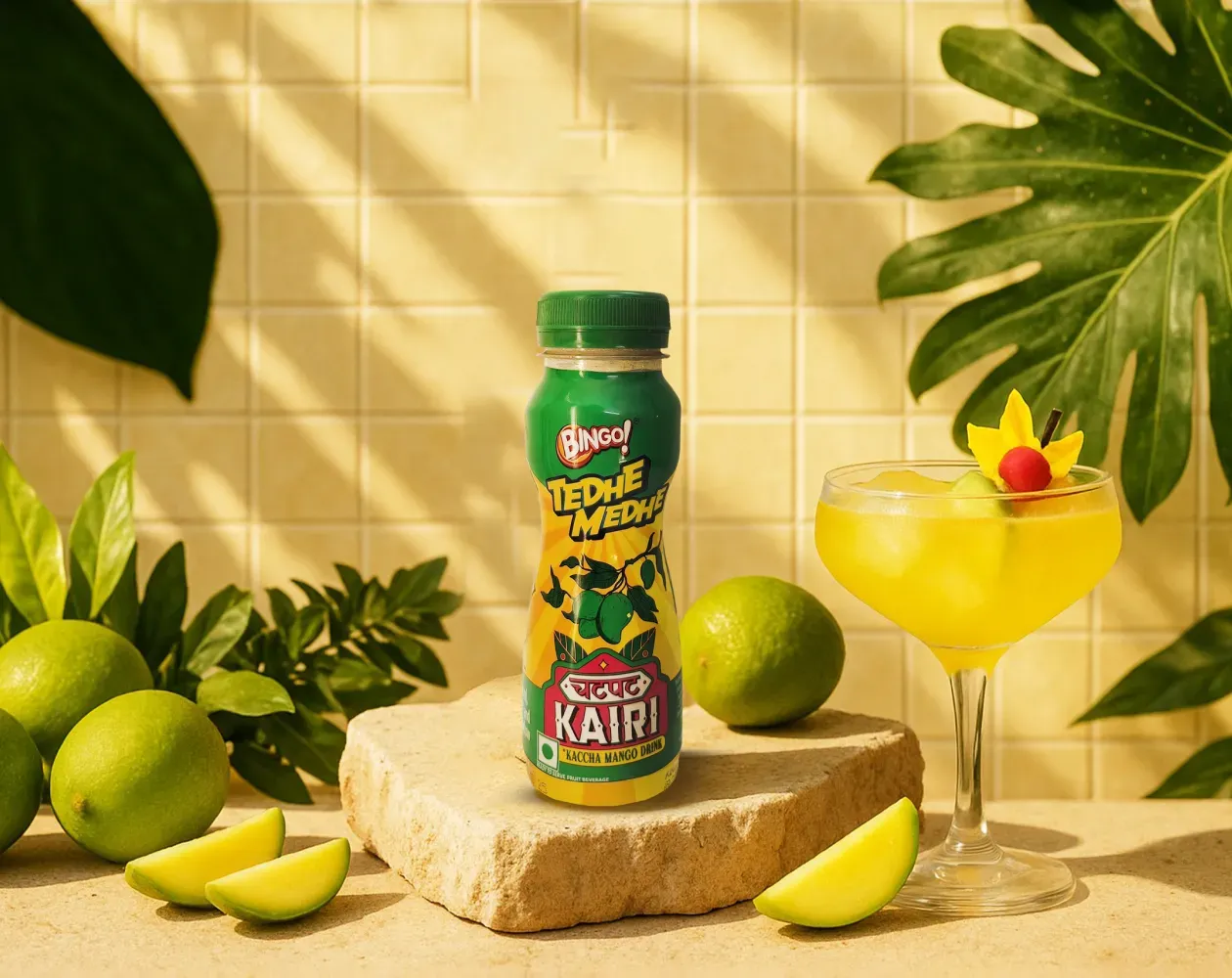
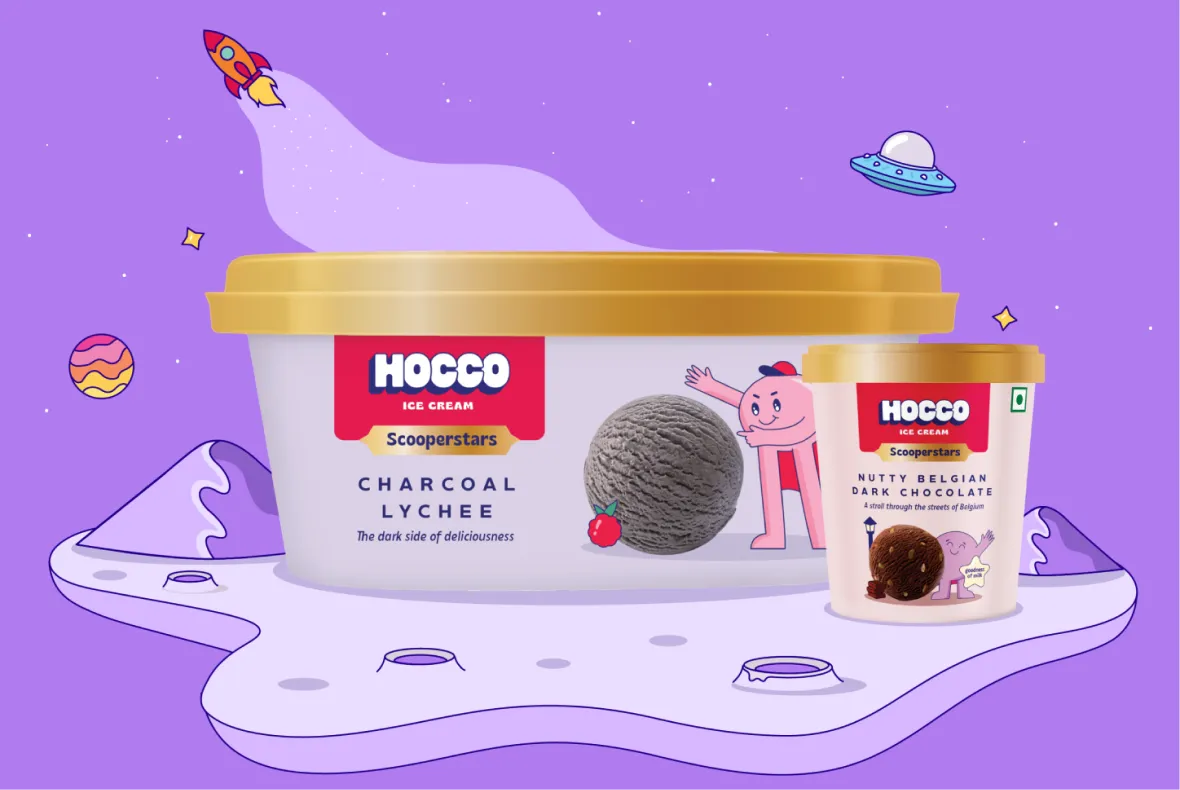
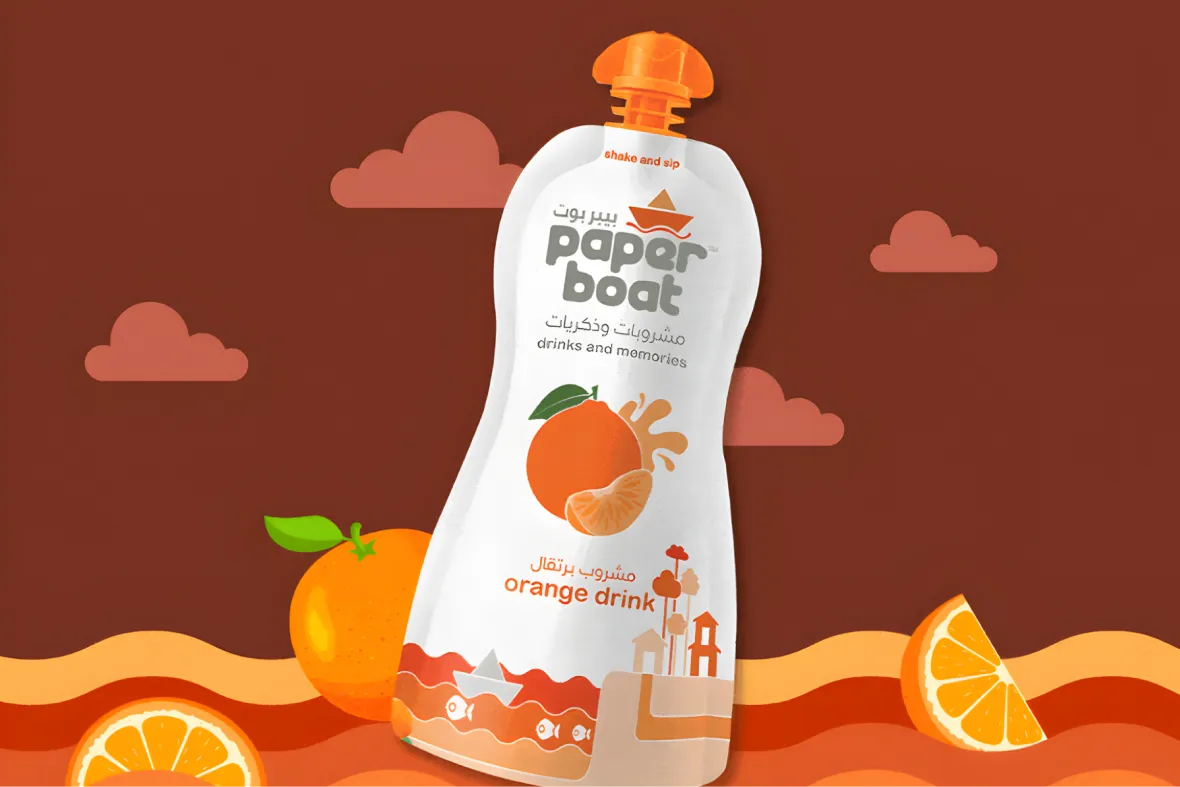
We worked with Bingo (by ITC) to help them launch India’s next viral beverage; Aam Panna
%201.webp)
Global award-winning Identity & packaging design for US's health & lifestyle startup AIM Nutrition
-p-2000%201.webp)
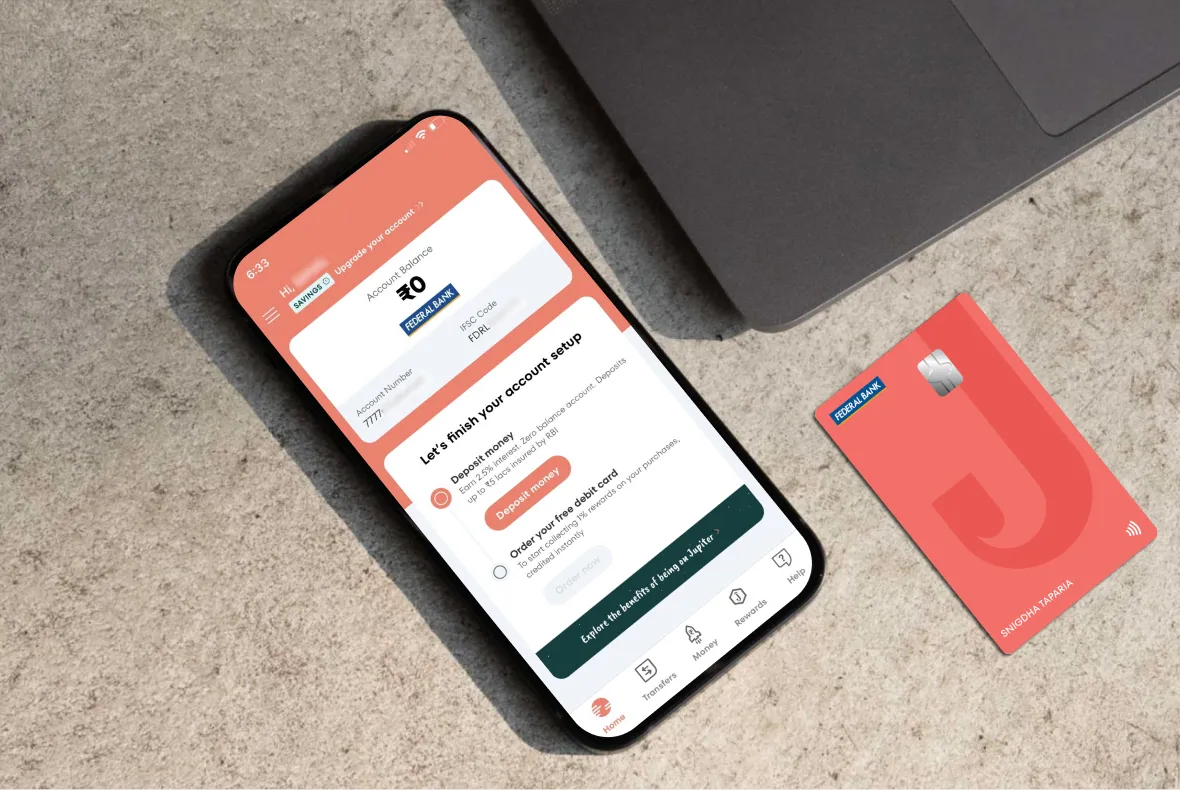
Building India’s fastest growing D2C supplements brand, Miduty by redesigning their branding, packaging & e-commerce website
.svg)
Offline marketing should be thought about much earlier than most brands realise. As soon as you know where you’ll be selling, whether that’s modern trade or general trade, offline considerations need to come into play. Shelf visibility, in-store communication, and on-ground touchpoints all influence how the brand is perceived, and these decisions affect packaging, pricing, and messaging from day one.
At Confetti, offline marketing is planned at least one month before launch so everything comes together with maximum impact on day one, rather than being added as an afterthought. If you want to plan the right moment to activate offline without scrambling late in the process, hopping on a short call with our experts can help map that out clearly.
For physical retail brands, the most important offline touchpoints are shelf communication, point-of-sale material, and the product packaging itself. Customers make decisions within seconds, so whatever they see first needs to communicate value fast. Clarity, visibility, and consistency across stores matter far more than having lots of materials that compete for attention.
At Confetti, we focus on speed of communication and scalability, making sure the same message lands clearly whether it’s one store or a hundred. If you’re unsure which touchpoints deserve priority for your retail setup, hopping on a short call with our experts can help narrow that down and avoid spreading effort too thin.
Offline marketing plays by very different rules than digital, as the digital campaigns give you instant metrics and room to tweak quickly, while offline communication doesn’t offer the same feedback loop. Once something is printed or rolled out in-store, it can’t be changed overnight, which means decisions need to be more deliberate from the start. Messaging has to land fast, clearly, and consistently in real-world environments where attention spans are short.
At Confetti, we treat offline marketing as a long-term system rather than a test-and-learn channel. Design and messaging are built to hold up over time, across locations, and under real retail conditions. If you want to adapt your brand message for the speed and permanence of the physical world, hopping on a short call with our experts can help shape that approach before anything goes live.
Offline assets need to communicate in seconds, which is why hierarchy, contrast, and clarity matter more than decorative detail. In physical spaces, overdesign often works against you. Too many messages, colours, or elements slow comprehension instead of helping it. Since offline assets are built for long-term use, there’s no need to rush decisions. Getting the fundamentals right upfront has a far bigger impact than constantly refreshing visuals.
At Confetti, we’ve applied this thinking for large offline-first brands like ITC and Dabur, where visibility and clarity at scale are non-negotiable. If you want to refine your offline assets so they stand out instantly without overcomplicating the message, hopping on a short call with our experts can help sharpen that direction.
One of the biggest mistakes brands make in offline marketing is treating it like digital. Reusing the same assets, rushing to design and print, limiting creative thinking, or skipping print testing often leads to poor visibility and expensive rework. Offline assets need more care because they’re harder to change once they’re live. At Confetti, we address this through a three to four week long offline design setup that accounts for scale, materials, and real-world testing. If you want to avoid costly errors before anything goes to print, hopping on a short call with our experts can help flag issues early.


Lorem ipsum dolor sit amet, consectetur adipiscing elit. Suspendisse varius enim in eros
Lorem ipsum dolor sit amet, consectetur adipiscing elit. Suspendisse varius enim in eros
Lorem ipsum dolor sit amet, consectetur adipiscing elit. Suspendisse varius enim in eros
.svg)
.svg)








.svg)
.webp)



























.webp)





















.webp)





.webp)