%201.webp)
02
AI Snaps
.svg)
.svg)
01
Our Work

03
About Us
05
Contact Us
06
Client Success

07
Blogs
08
Careers
Book A Call


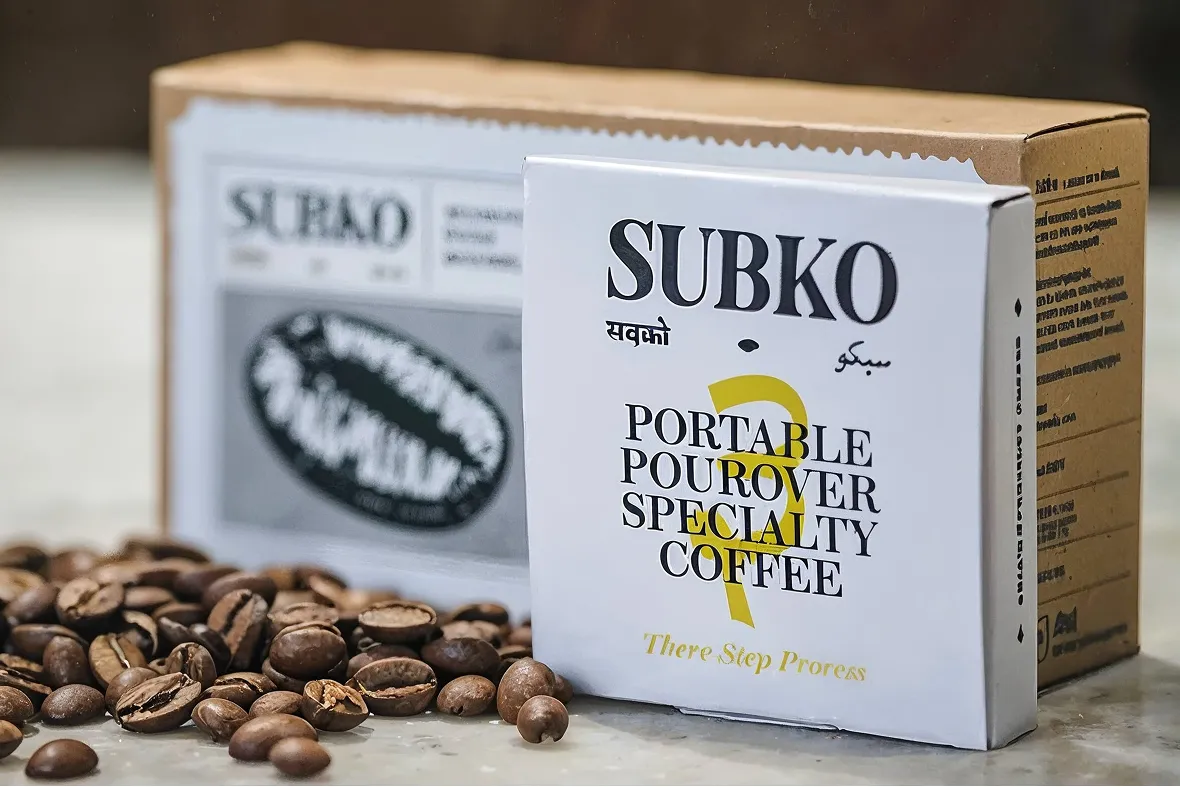
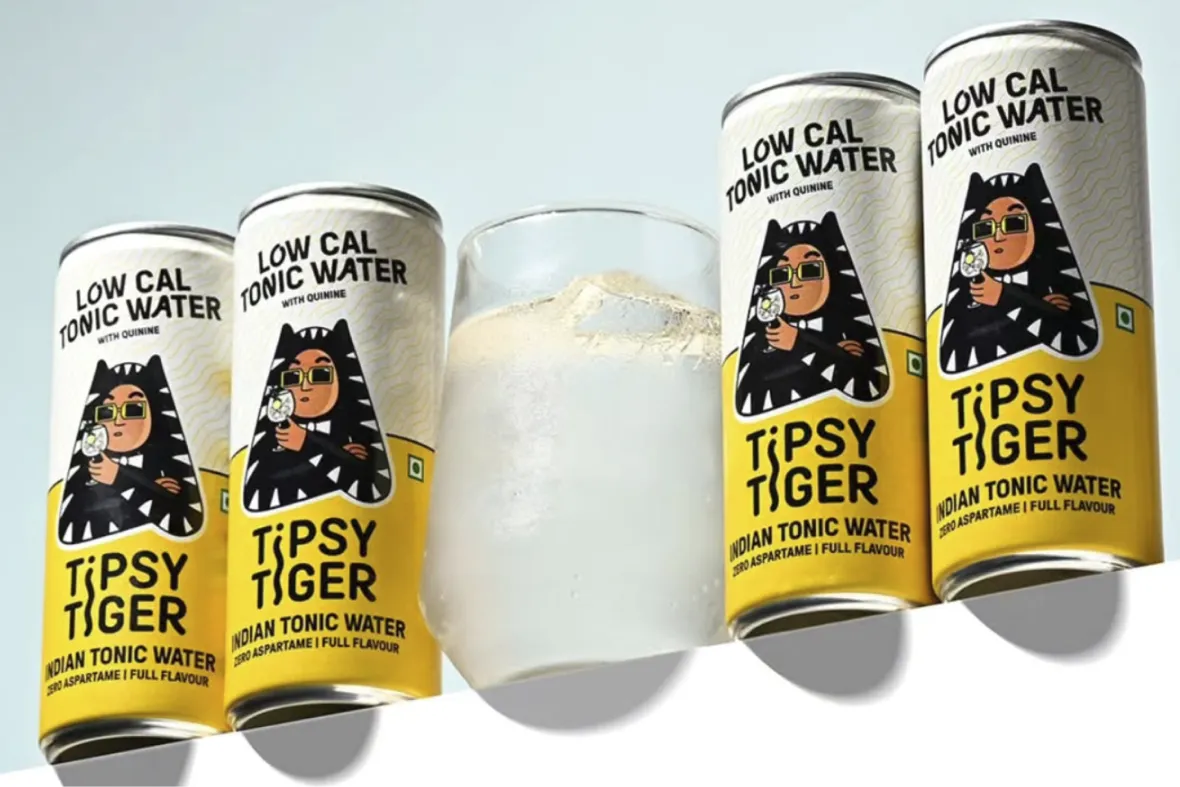
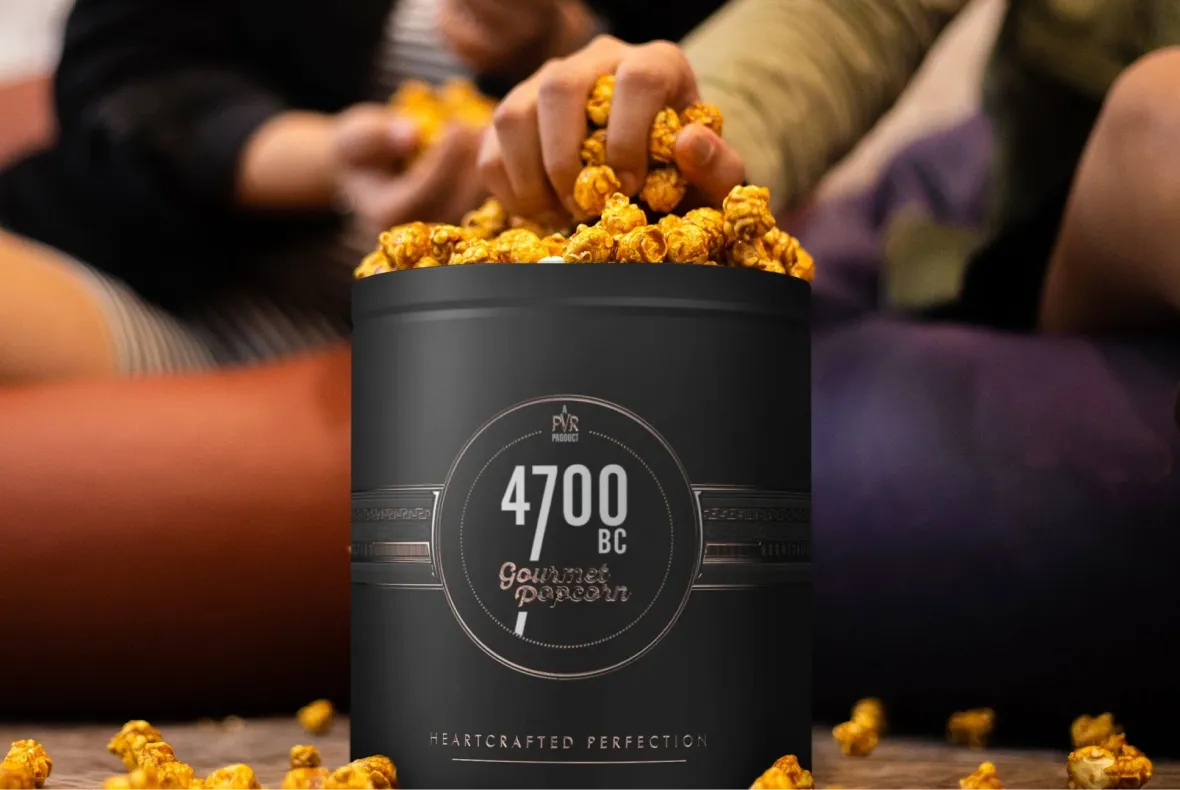
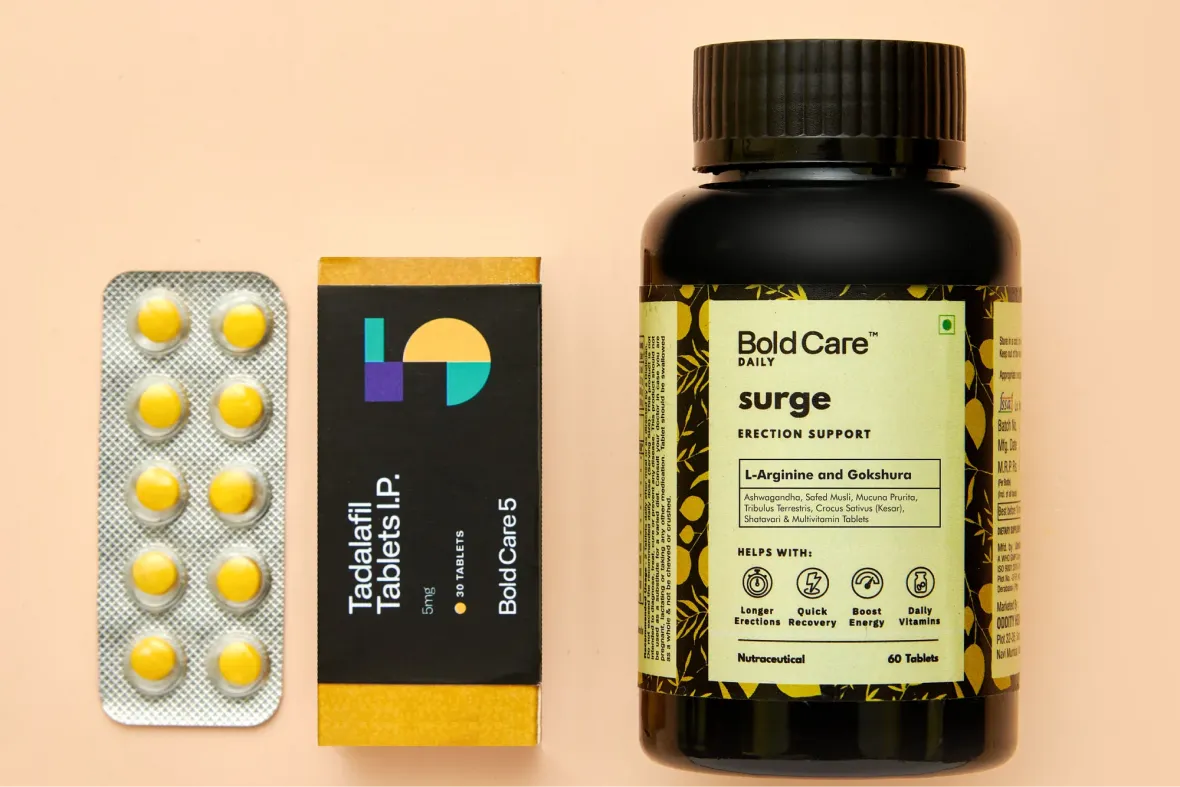
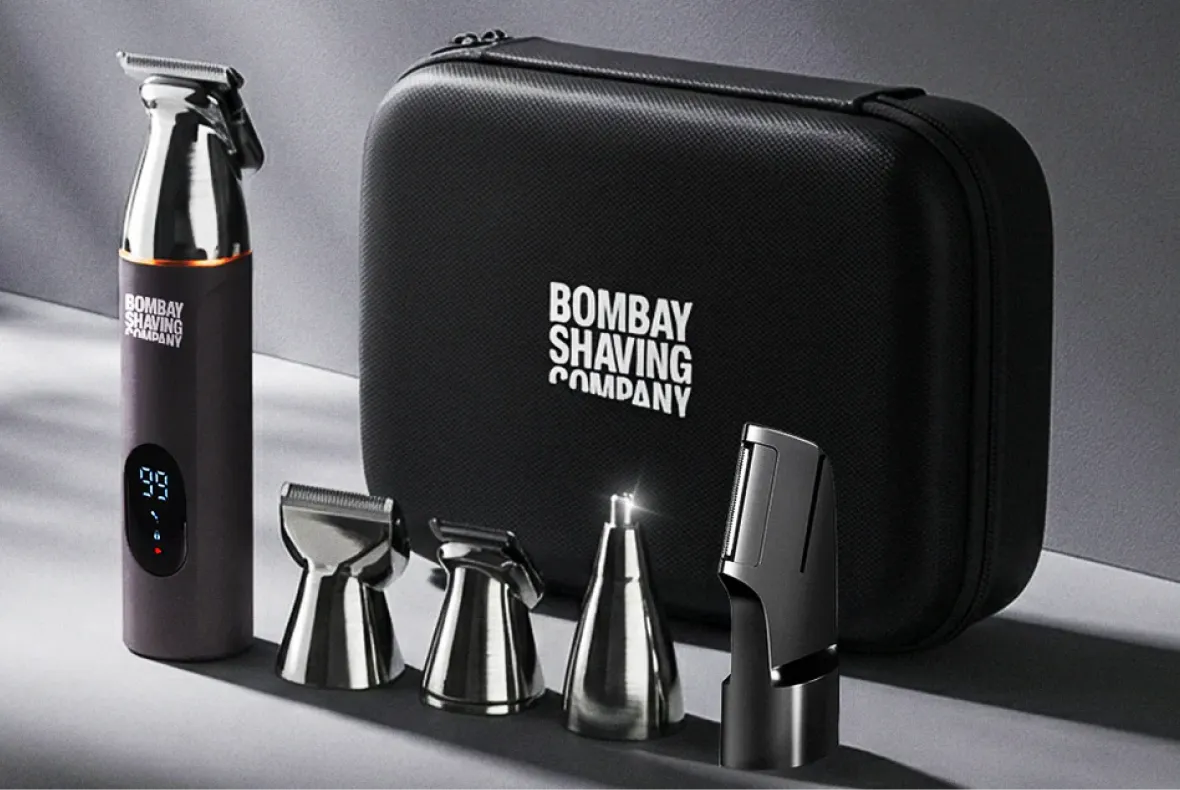
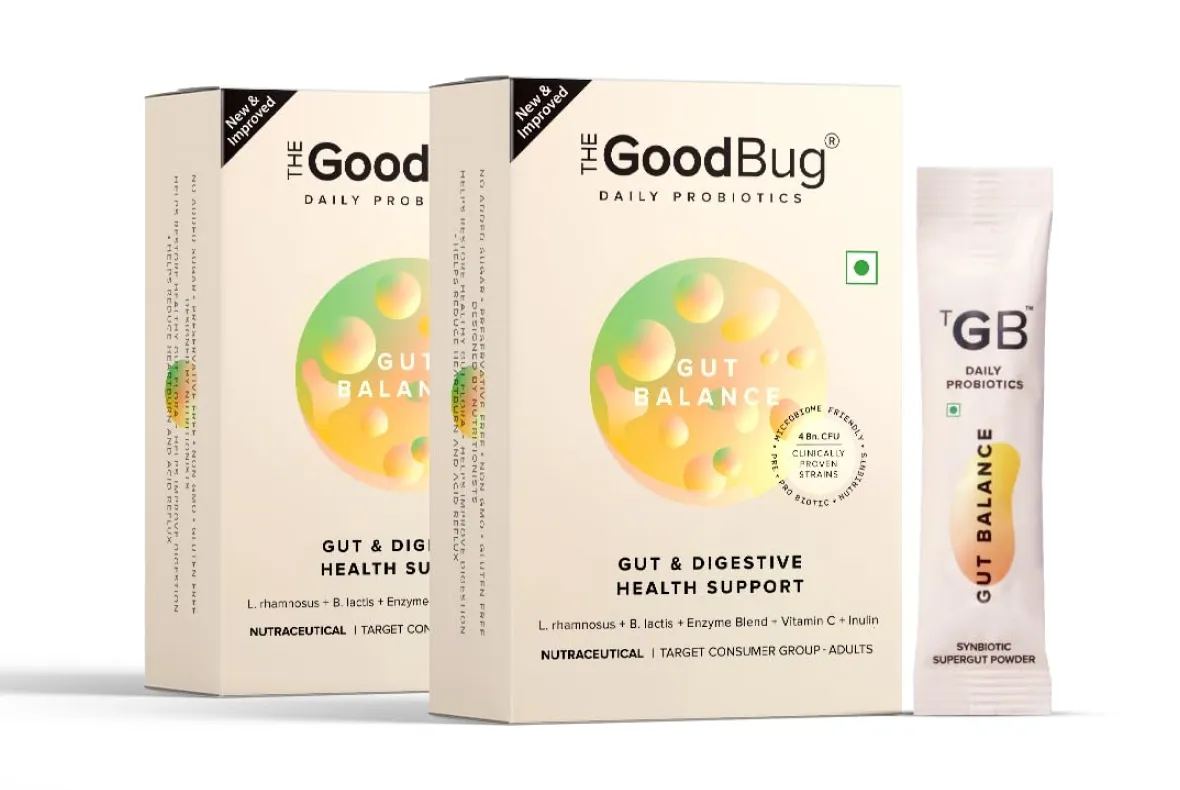
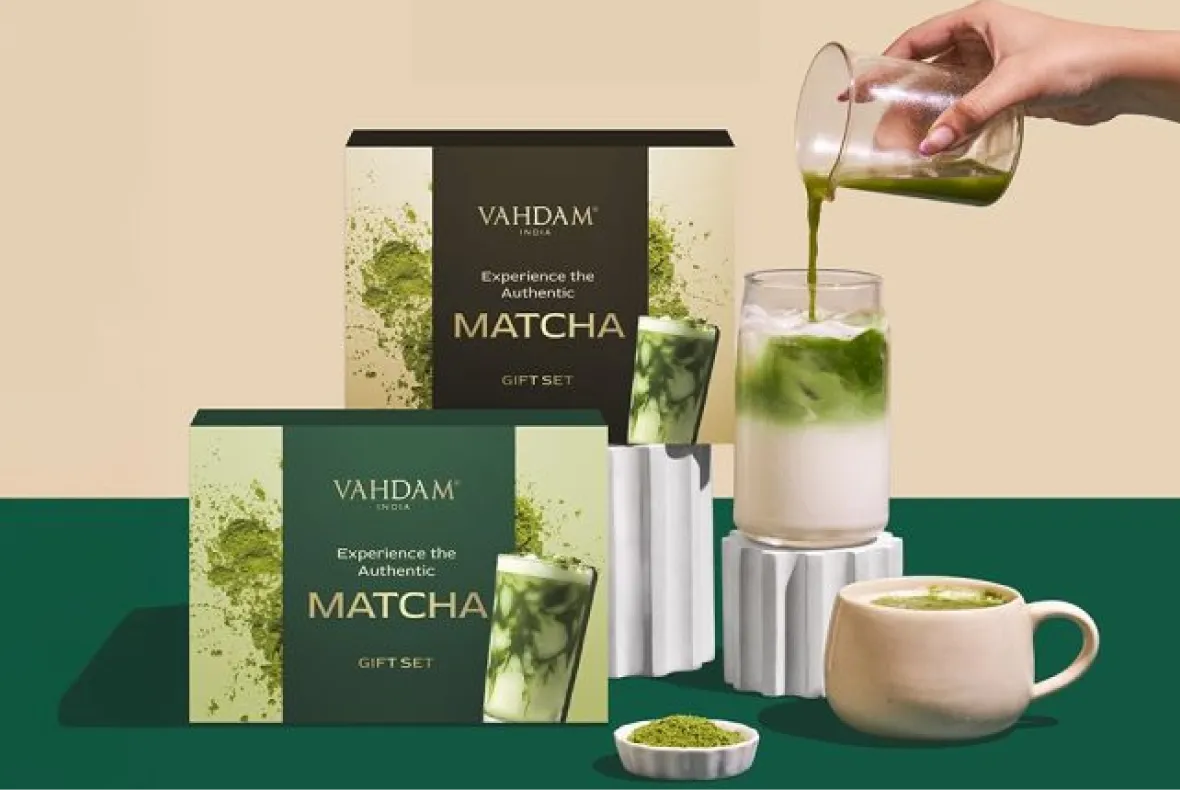
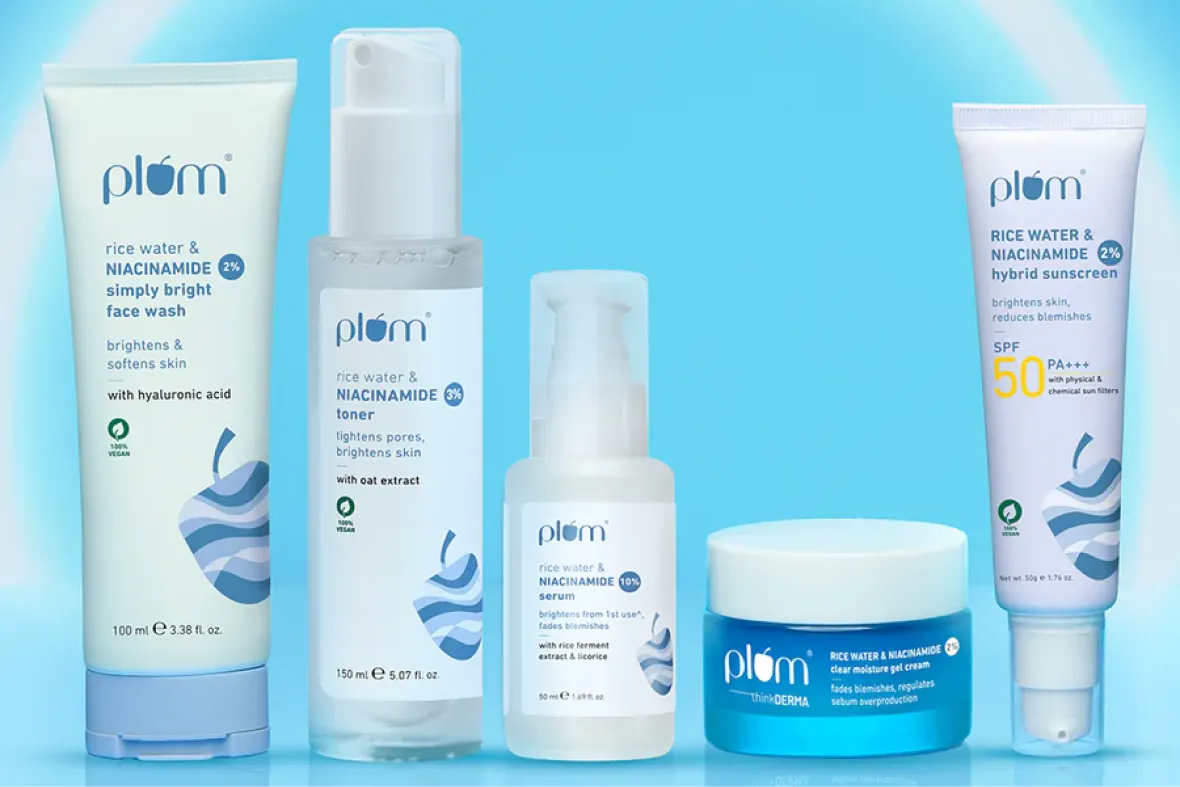
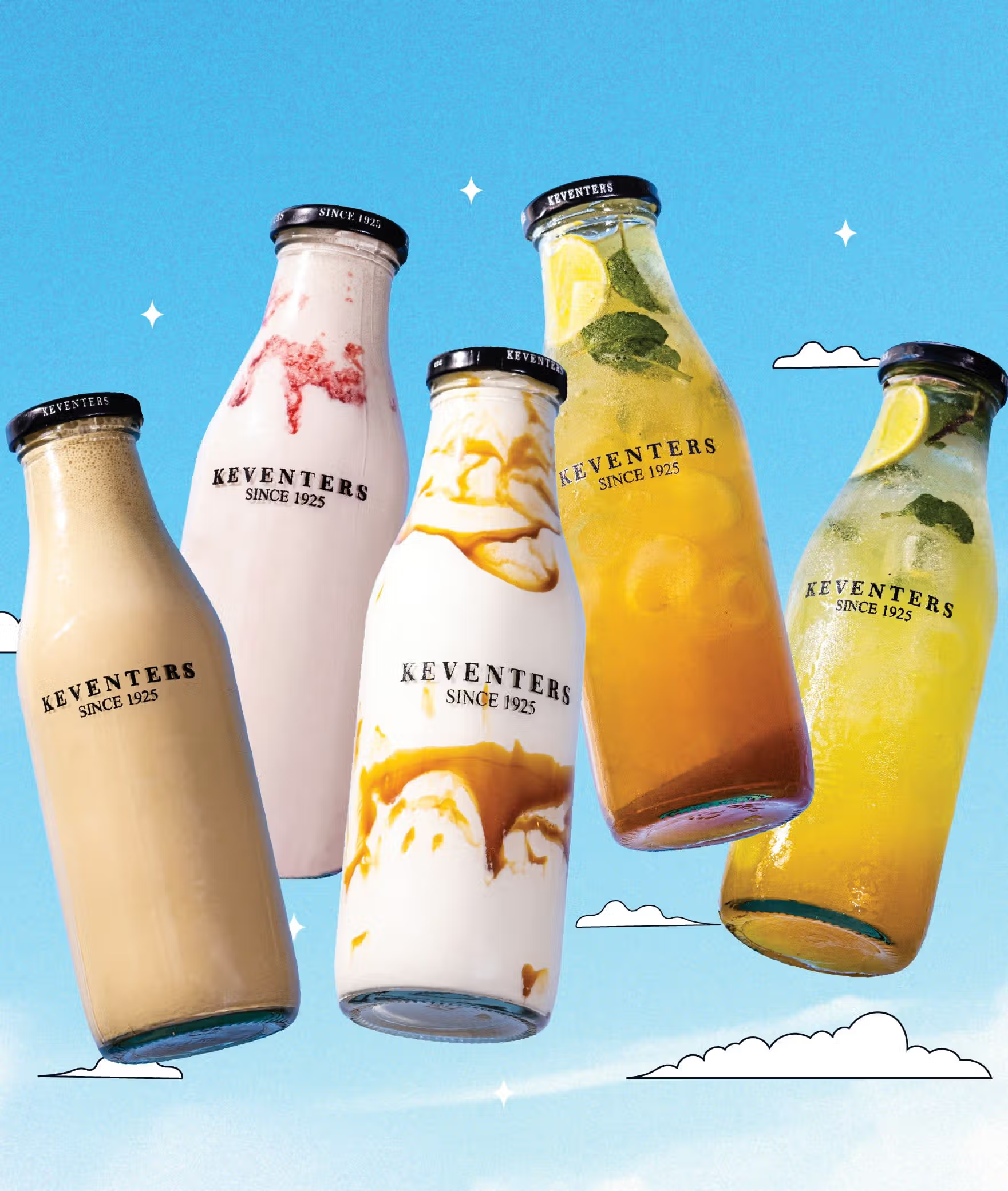
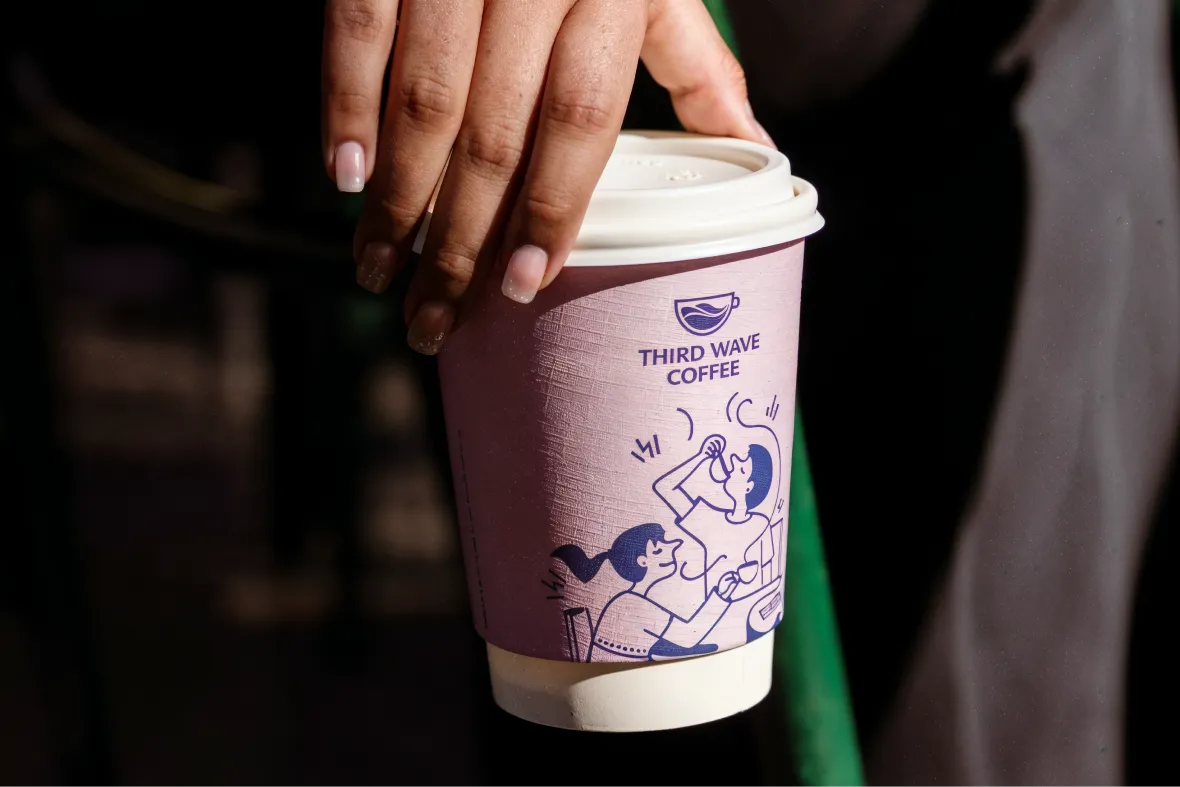
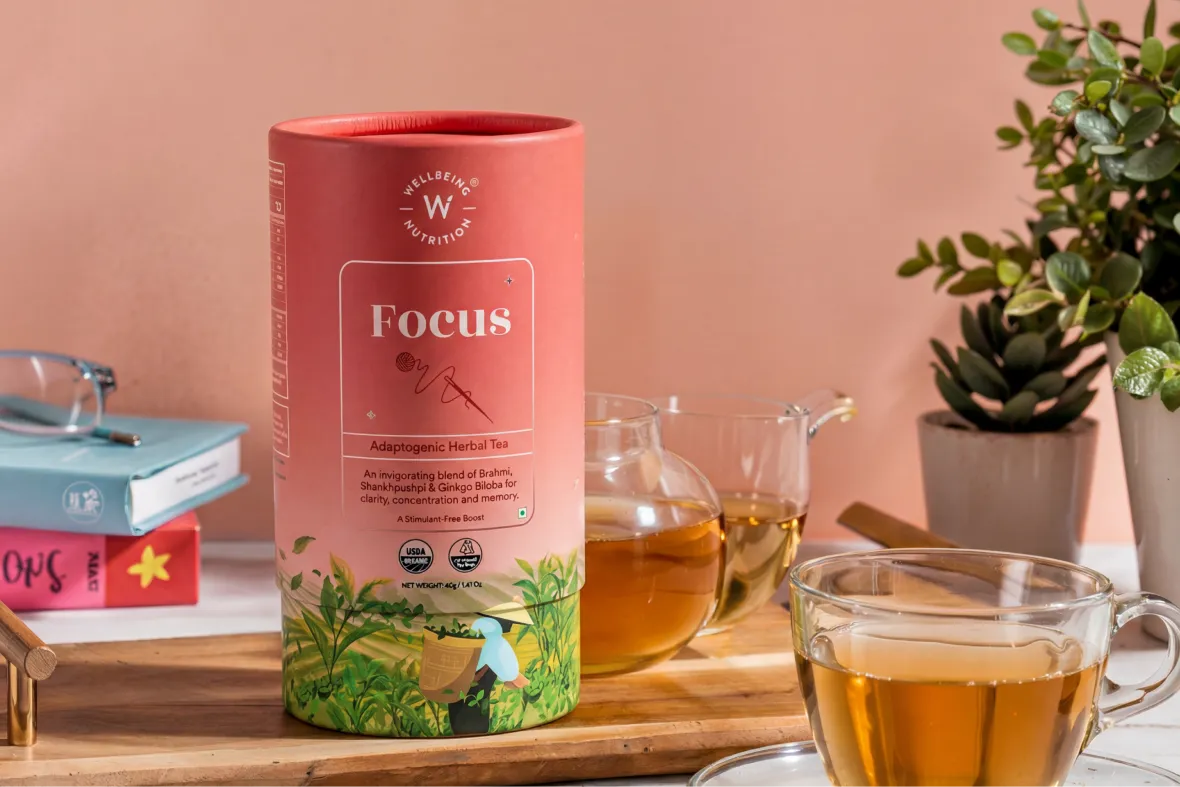
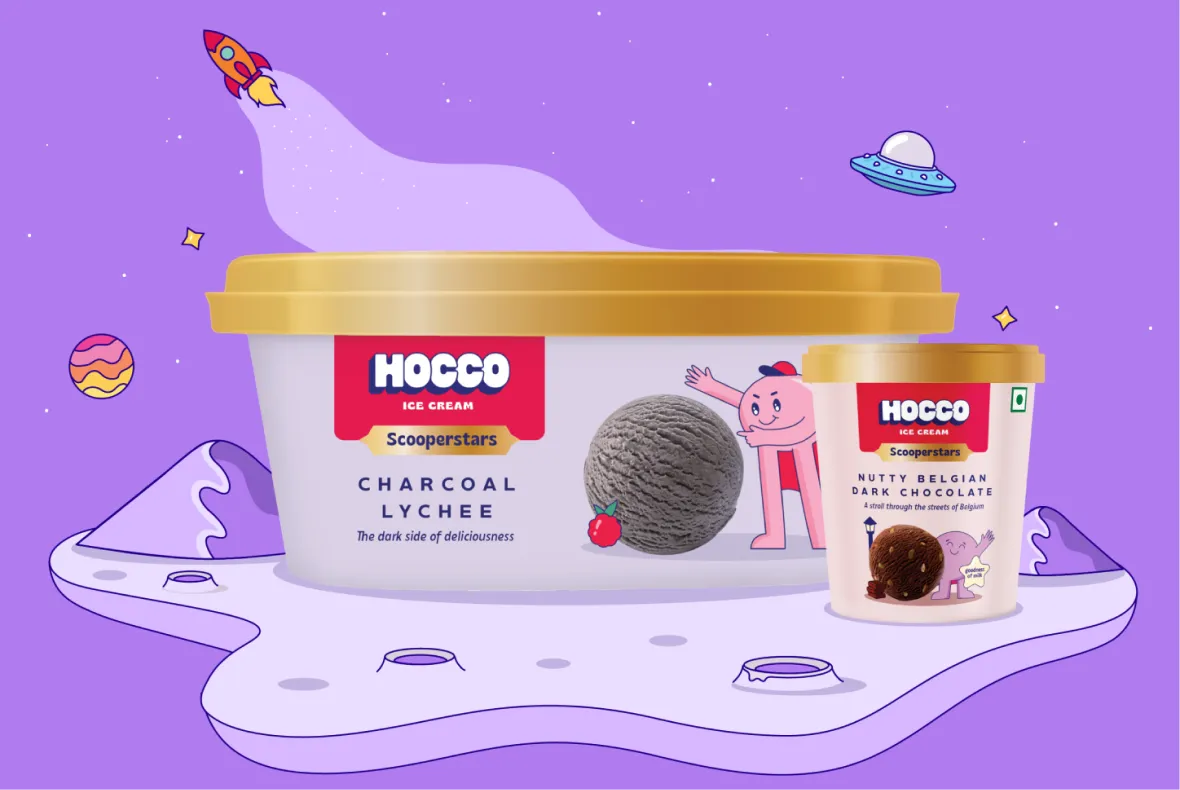
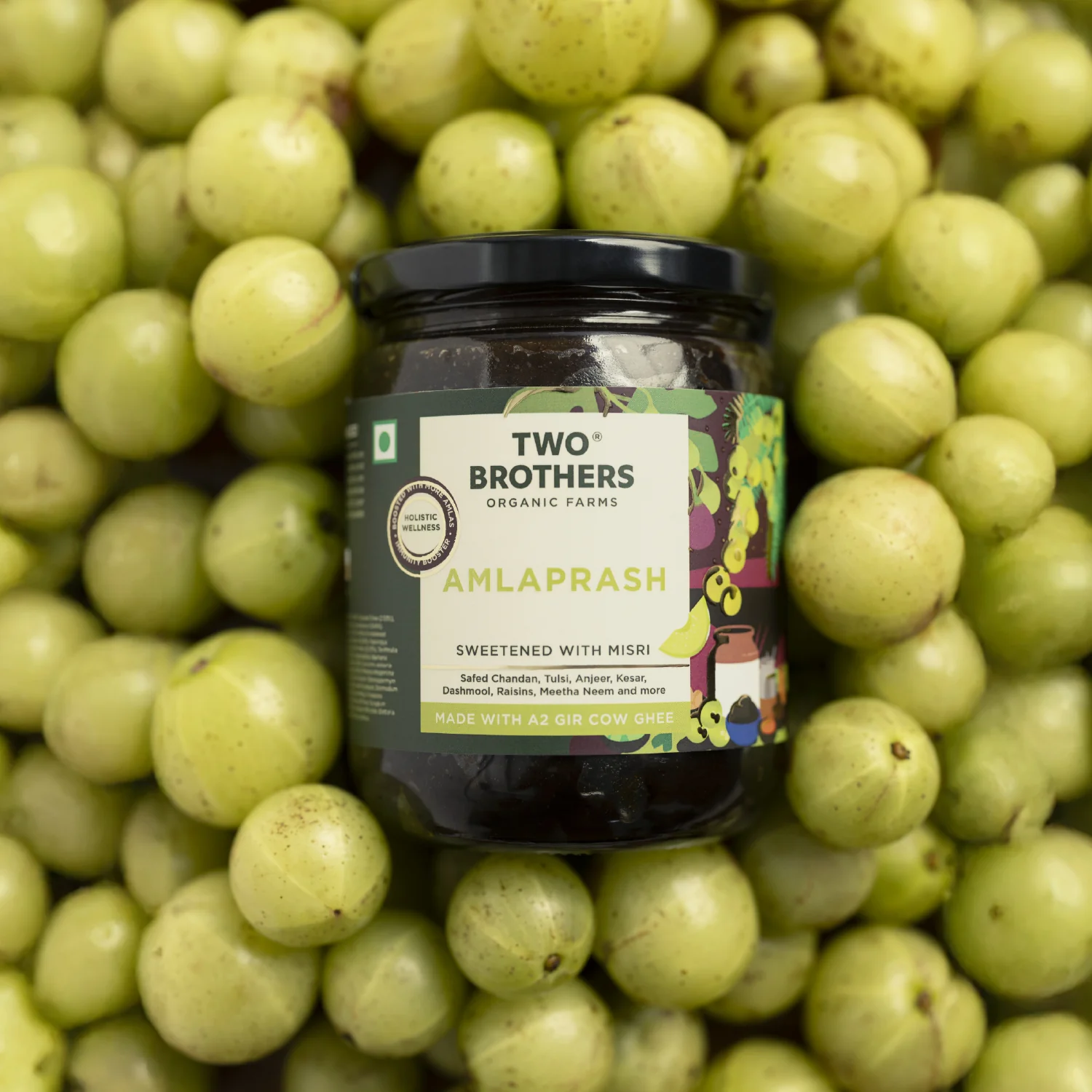
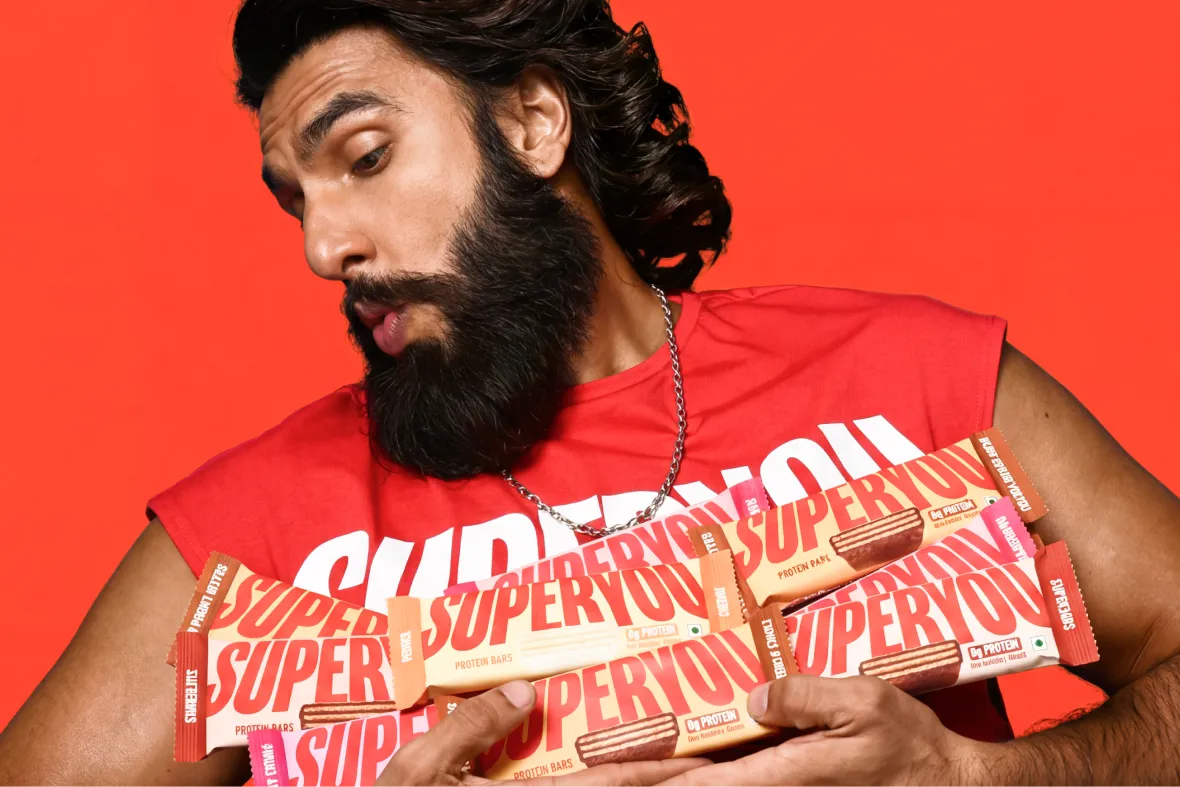
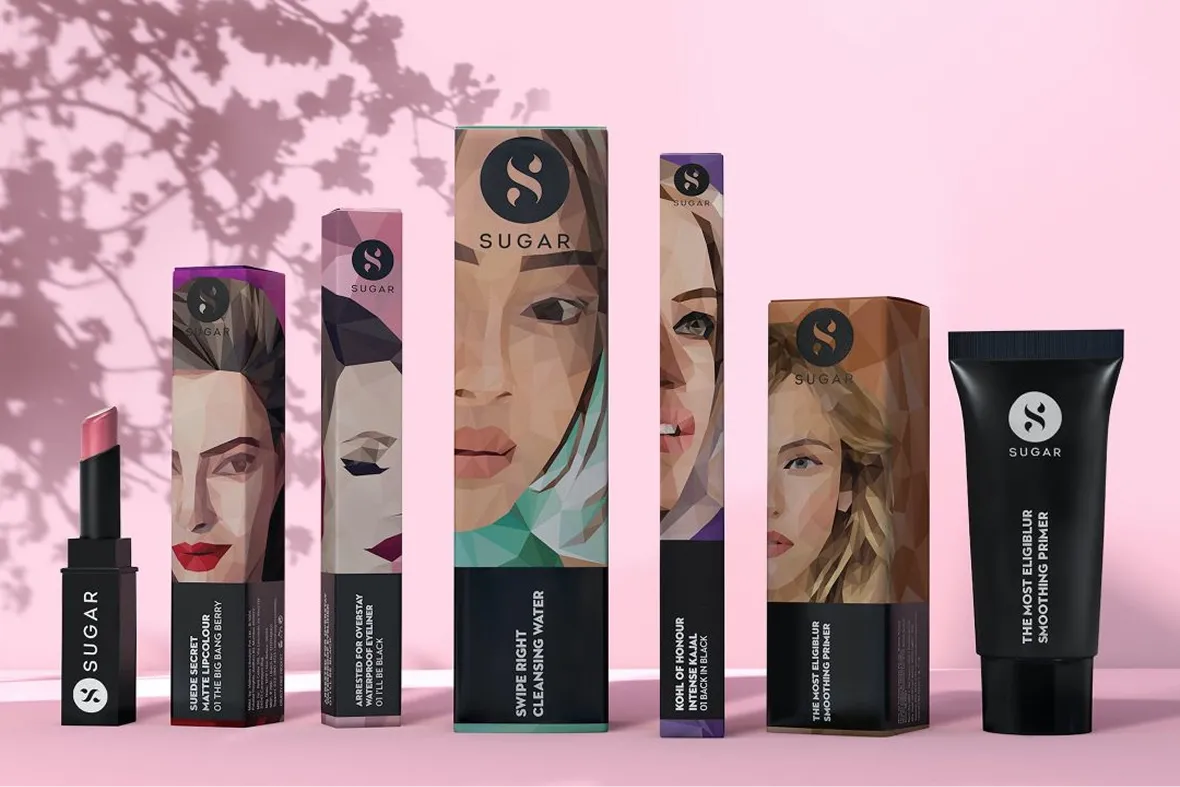
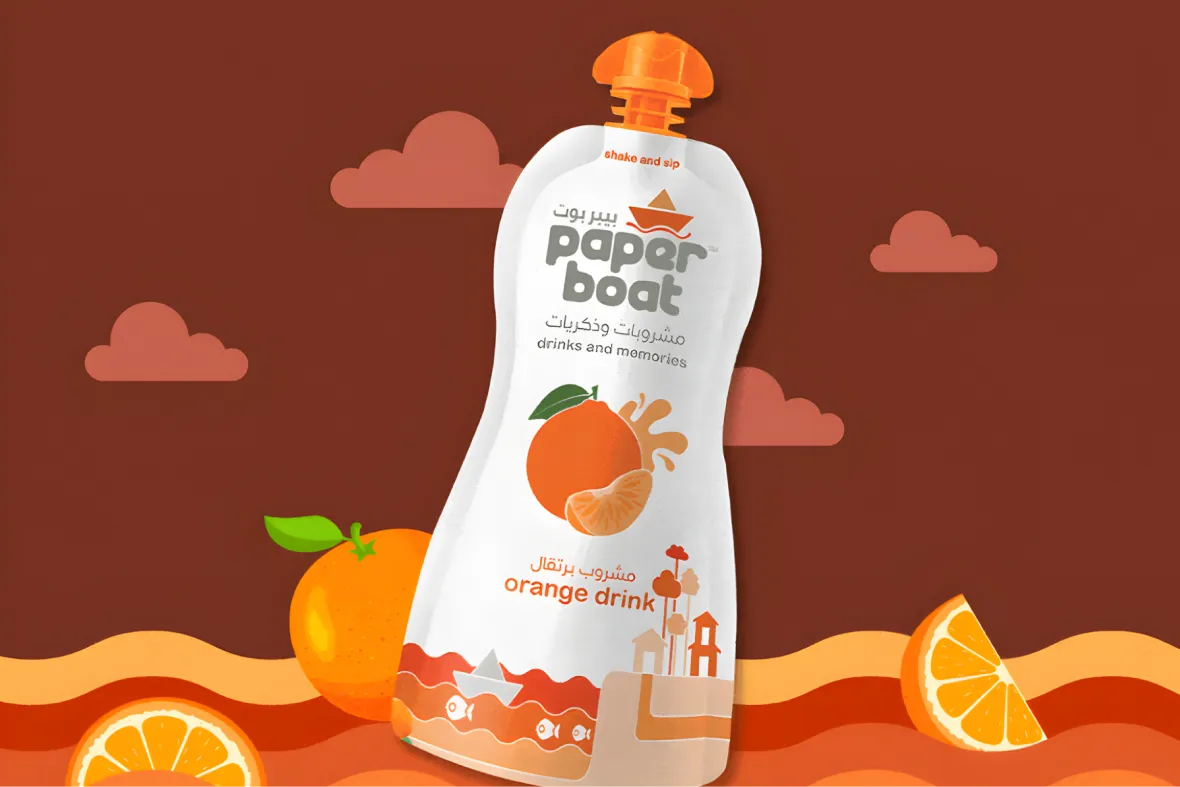
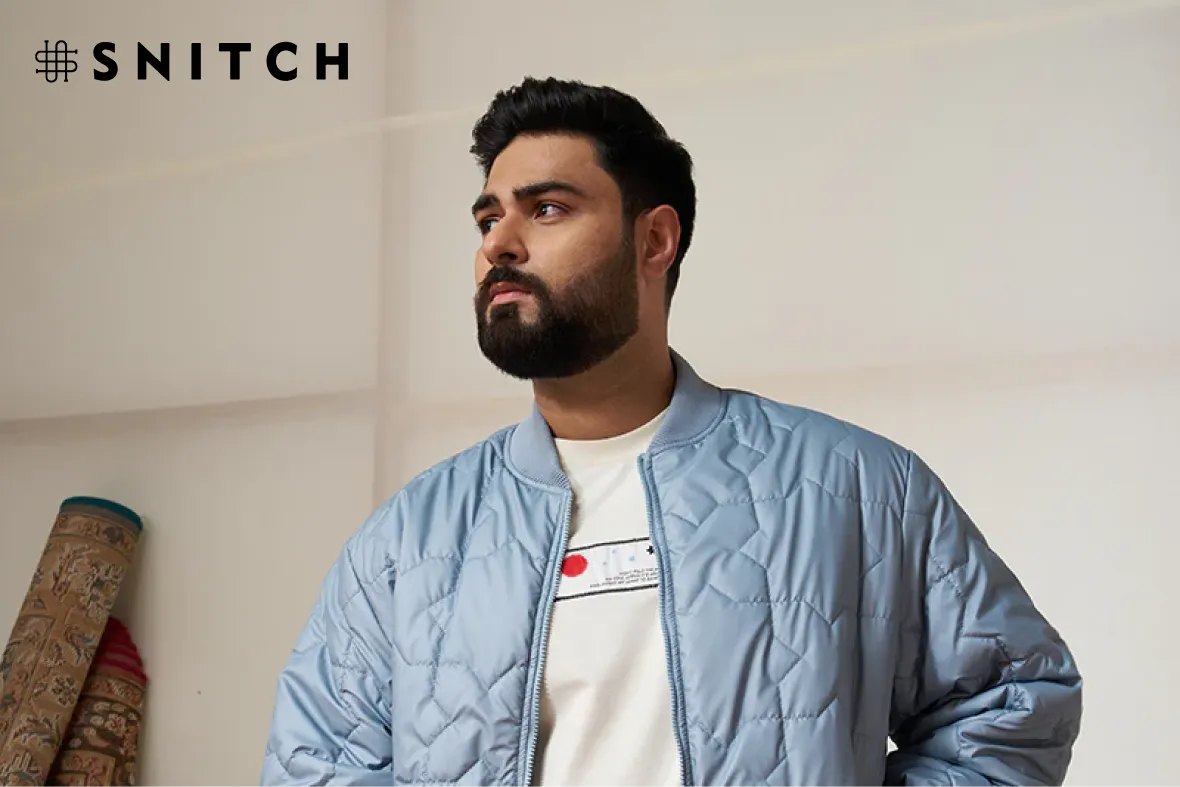
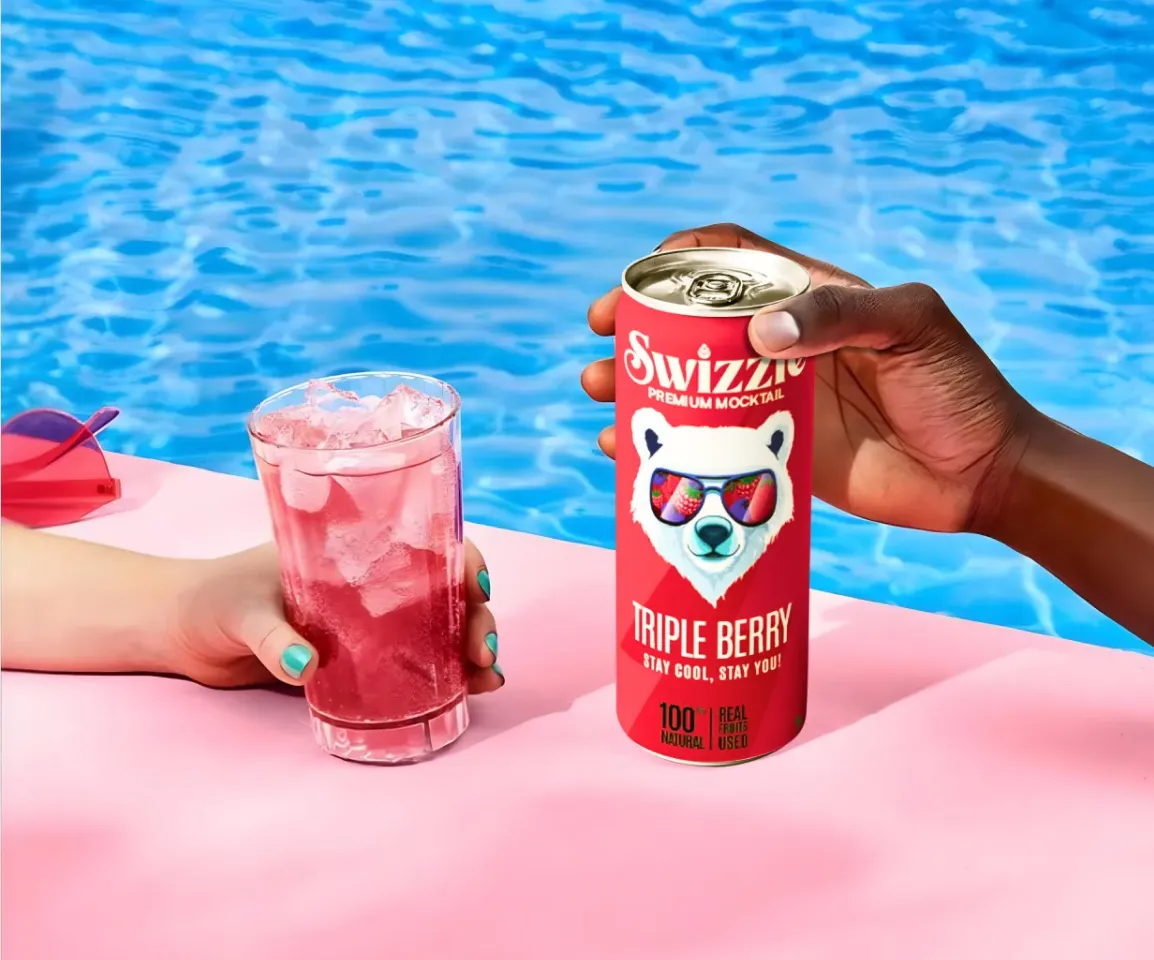
AI photography has become relevant not because it is new, but because the pace and volume of content creation have fundamentally changed. Brands today need to produce visuals faster, across more platforms, and in more variations than traditional photography workflows comfortably allow. In categories like beauty, wellness, D2C, and lifestyle, brands such as FAE Beauty, Aqualogica, Plum Goodness, and Indē Wild already use AI and CGI-led visuals to support launches, campaigns, quick-commerce listings, and social media. While traditional photography is effective, it comes with logistical constraints like models, studios, crews, and longer timelines. AI photography removes many of these barriers, enabling rapid iteration and the ability to visualise products in imaginative or impractical scenarios, from surreal environments to abstract concepts, making it especially valuable for digital-first campaigns where speed and experimentation directly impact relevance.
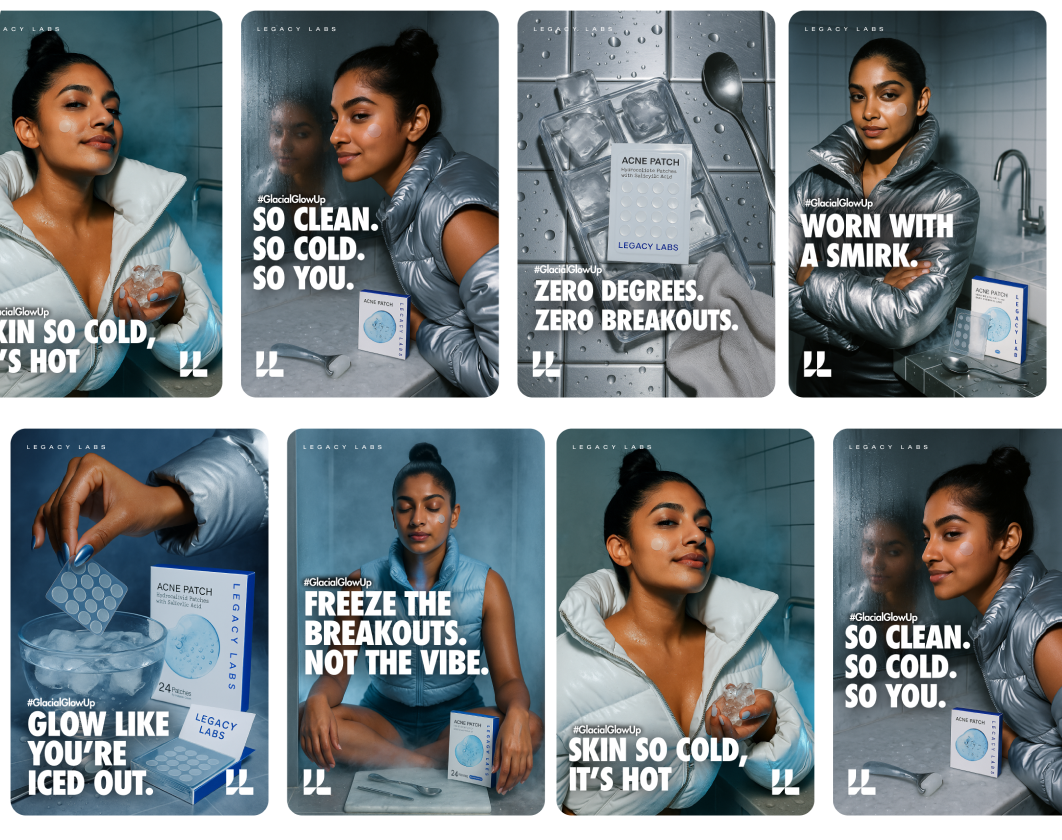
AI photography is the creation of product visuals using artificial intelligence and CGI-based workflows instead of, or alongside, physical photoshoots. Rather than capturing images through a camera, visuals are generated using a combination of digital product references, prompts, and controlled creative direction.
AI photography is not meant to replace all traditional photography. It works best when used intentionally. For example, e-commerce platforms may still require real product shots for accuracy, while AI photography can be used for campaign imagery, social media, launch visuals, or conceptual storytelling. When used correctly, AI photography allows brands to test ideas faster, produce visuals at scale, and explore creative directions that would otherwise remain conceptual.
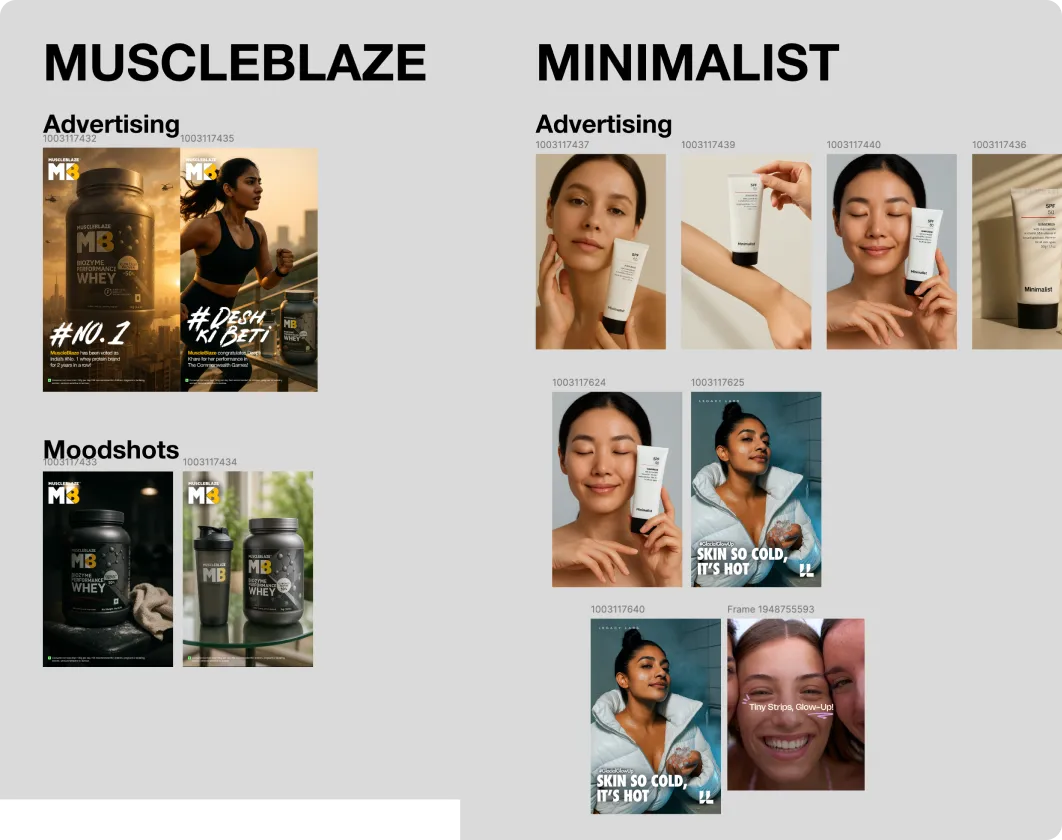
At Confetti, AI photography is approached with the same rigour as a physical shoot. We begin by deciding whether AI is the right solution at all, based on usage, realism requirements, timelines, and budget. If the need is highly accurate product representation, AI supports traditional photography. If the requirement is conceptual or campaign-driven, AI becomes the primary tool. Once confirmed, the client shares product references or ships the product to us, which we use to build clean visual inputs. Every AI project starts with a defined mood board covering environment, lighting, angles, textures, and any human elements, ensuring alignment before production begins.
Production follows a controlled workflow across multiple AI tools, each chosen for its specific strengths. We generate several mockups, shortlist one or two directions with the client, and only then scale the style across products. Every final image goes through manual refinement to improve realism, fix inconsistencies, and maintain brand accuracy. The same visual language can be extended into AI videos for social or campaign use, with final assets optimised for the platforms they’re meant to live on.
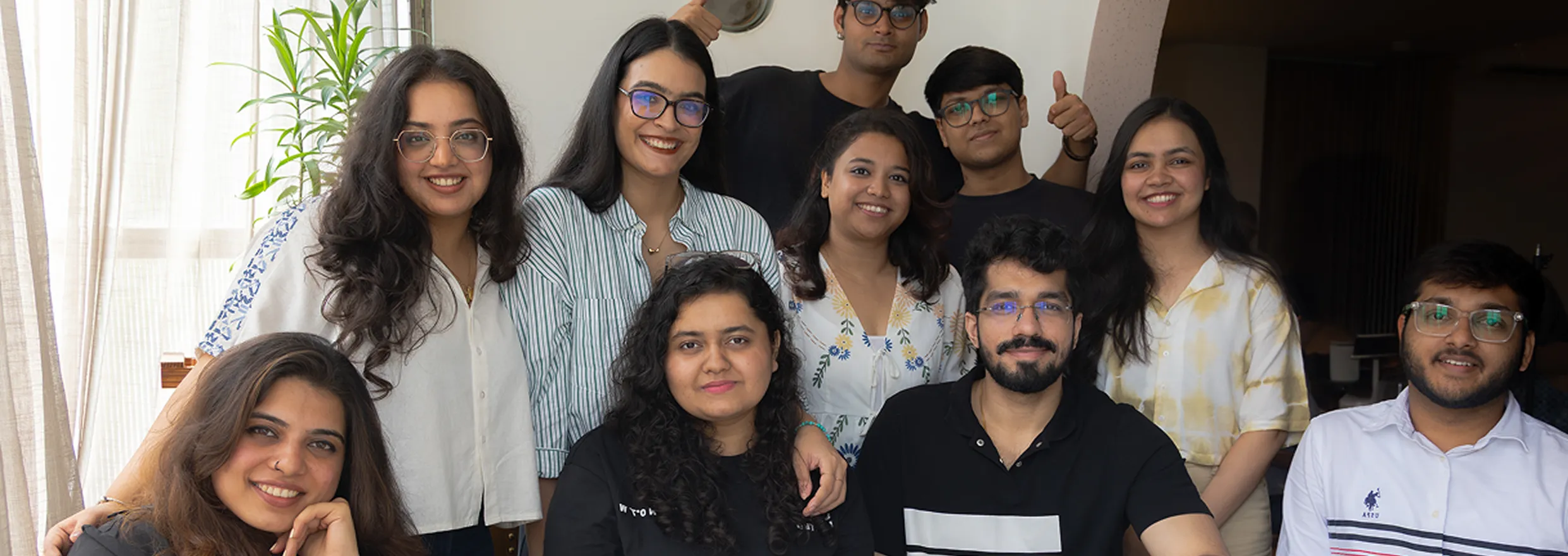
Confetti’s team is trusted by global leaders, and it’s time we join forces with you to create your Iconic brand!
Tap the button below and talk to our founders directly.



.webp)

AI photography often fails not because of the technology, but because of misunderstanding. Some of the most common mistakes include:
At Confetti, AI is treated as an execution medium, not a replacement for strategy or judgement. This is what allows us to use AI photography effectively, responsibly, and at a level that actually adds value to a brand’s go-to-market strategy.
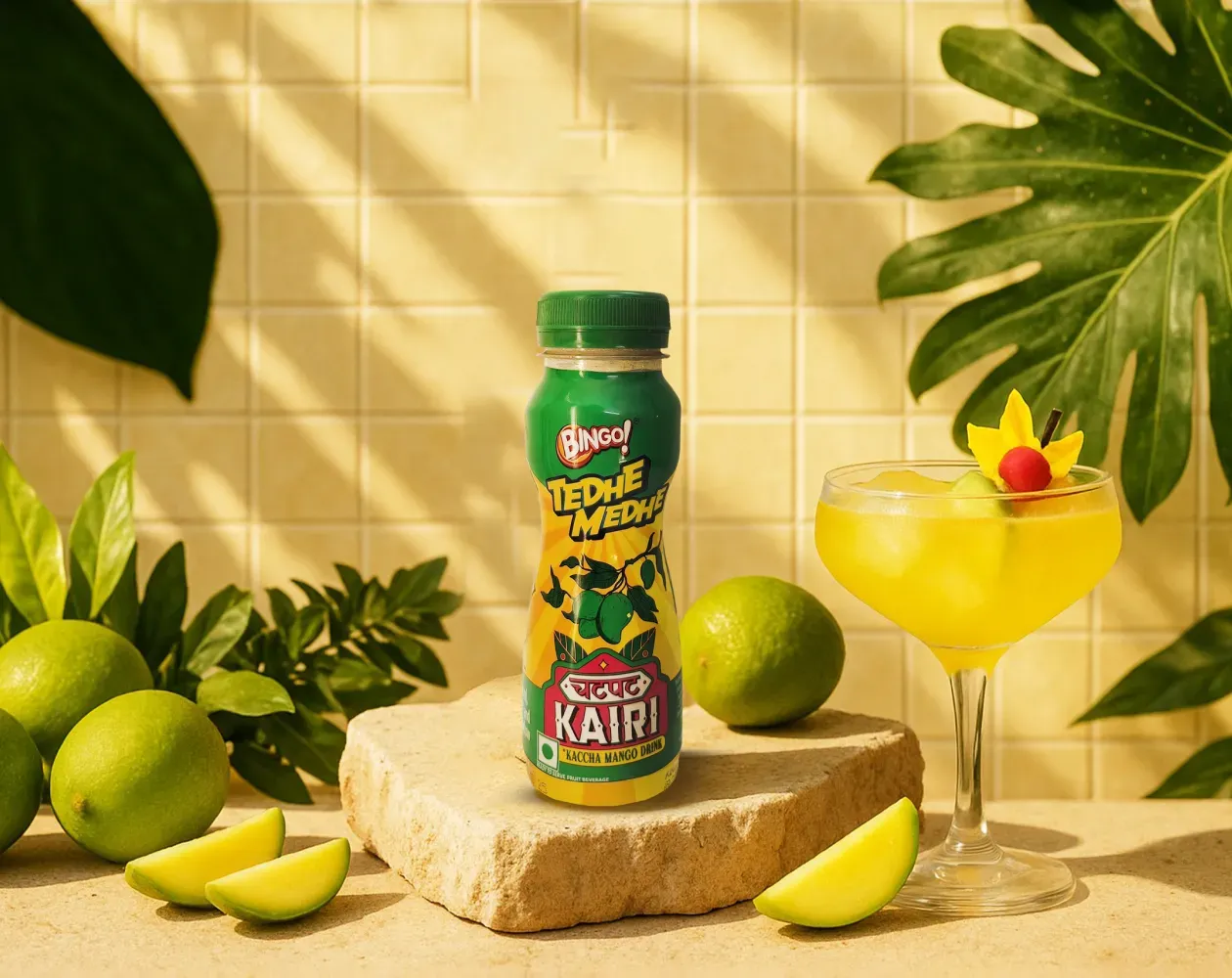
We worked with Bingo (by ITC) to help them launch India’s next viral beverage; Aam Panna
%201.webp)
Global award-winning Identity & packaging design for US's health & lifestyle startup AIM Nutrition
-p-2000%201.webp)
Building India’s fastest growing D2C supplements brand, Miduty by redesigning their branding, packaging & e-commerce website
.svg)
AI photography makes sense when speed, scale, or rapid experimentation is the priority for the client. It’s especially useful for social content, ads, and testing multiple visual directions without the time and cost of a full shoot. Many brands use AI to iterate quickly or fill content gaps, not to replace traditional photography entirely. At Confetti, AI is used strategically, not as a cheaper substitute, but as a tool that supports faster decision-making when it fits the goal. If you’re trying to figure out where AI photography adds value and where it doesn’t, hopping on a short call with our experts can help place it correctly within your content mix.
AI photography can be used for e-commerce listings in some cases, but realism and accuracy are non-negotiable. Customers need to trust what they’re seeing, especially when buying online, which is why most brands mix AI-generated visuals with real product shots rather than relying on AI alone. At Confetti, we create photorealistic AI imagery that holds up to scrutiny and performs well, but it’s always applied thoughtfully, not blindly. If you’re weighing the risk versus reward of using AI for your listings, hopping on a short call with our experts can help you decide where it makes sense and where it doesn’t.
AI visuals can be highly realistic and on-brand, but only when they’re built with the right inputs and process. Most brands rely too heavily on the platform itself and not enough on the workflow behind it, which is where things usually fall apart. Without clear direction, AI outputs can feel generic or slightly off, even if they look impressive at first glance.
At Confetti, we treat AI photography the same way we treat real photography. We start with strategy, storyboarding, and clear visual intent, then use AI as the execution tool, not the decision maker. This is what allows the visuals to stay accurate, consistent, and brand-aligned. If you want to set up AI visuals properly instead of trial-and-error, hopping on a short call with our experts can help put the right system in place.
AI photography only works well when it’s built on the same foundations as a traditional shoot. Clear brand rules, strong visual references, storyboards, and accurate product images are all essential. Without that prep, AI outputs tend to look inconsistent or generic, no matter how advanced the tool is. AI performs best when it’s given clear direction rather than asked to guess.
At Confetti, preparation is a core part of the process and usually takes one to two weeks, ensuring the visuals are usable, consistent, and on-brand. If you want to understand what inputs your brand actually needs before jumping into AI photography, hopping on a short call with our experts can help walk through it step by step.
The biggest mistake brands make with AI photography is treating it as a shortcut. Overusing it, replacing all real visuals, or skipping foundational steps often leads to inconsistency, which quietly damages trust. When visuals start to feel mismatched or slightly off, customers notice, even if they can’t explain why. At Confetti, AI is used to support strategy, not replace it, so the brand stays coherent across every touchpoint. If you’re considering AI and want to avoid misusing it, hopping on a short call with our experts can help set clear guardrails from the start.


Lorem ipsum dolor sit amet, consectetur adipiscing elit. Suspendisse varius enim in eros
Lorem ipsum dolor sit amet, consectetur adipiscing elit. Suspendisse varius enim in eros
Lorem ipsum dolor sit amet, consectetur adipiscing elit. Suspendisse varius enim in eros
.svg)
.svg)








.svg)
.webp)














.webp)














.webp)




.webp)