%201.webp)
02
AI Snaps
.svg)
.svg)
01
Our Work

03
About Us
05
Contact Us
06
Client Success

07
Blogs
08
Careers
Book A Call


A brand book, often called a brand bible, defines how a brand looks, sounds, and behaves as it scales. This is crucial in crowded categories like Indian skincare and beauty, where brands such as Dot & Key, Plum, Kama Ayurveda, Forest Essentials, Indē Wild, d’you, The Derma Co, and Aqualogica operate in similar spaces yet feel distinctly different. Even within the same parent group like Honasa, brands such as Mamaearth, Aqualogica, and The Derma Co maintain clearly separated identities. A strong brand book ensures this consistency holds over time, acting as a single source of truth that protects the brand’s identity even as teams, partners, and creators change.
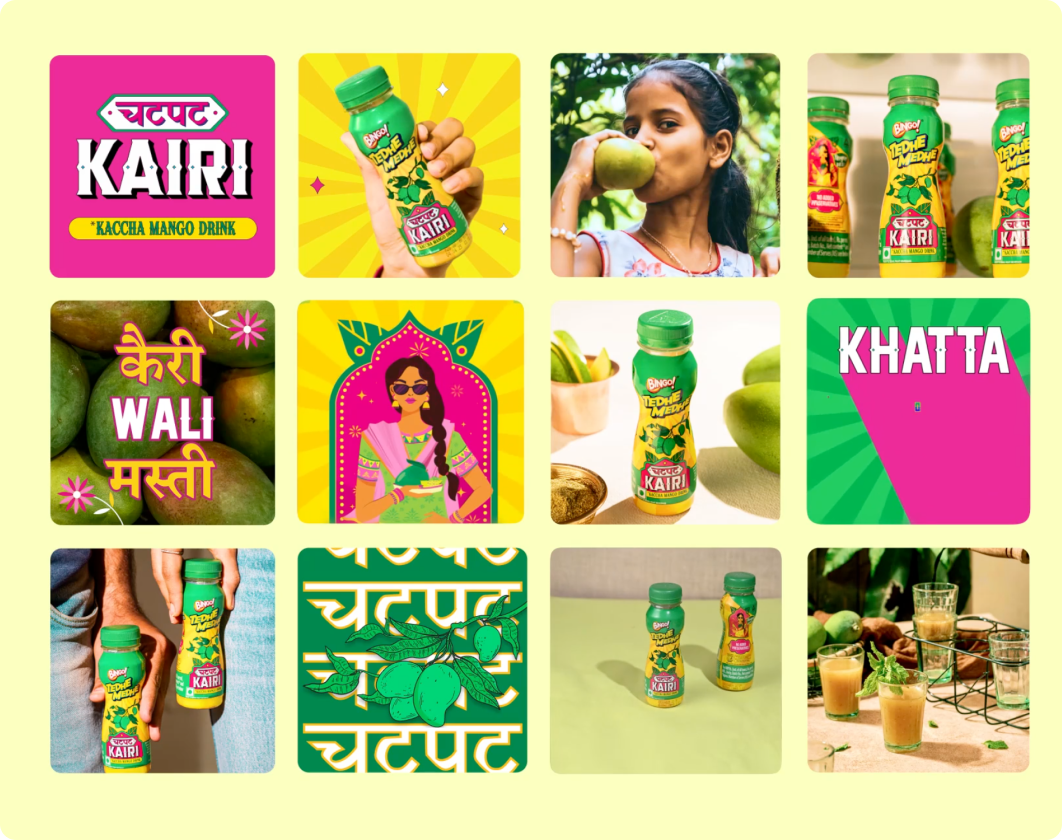
At Confetti, brand guidelines are built across two equally important dimensions: strategy and visuals. The strategic layer defines the brand’s positioning, messaging direction, personality, and intent. The visual layer includes the logo, colour palette, typography, layouts, imagery, and design systems.
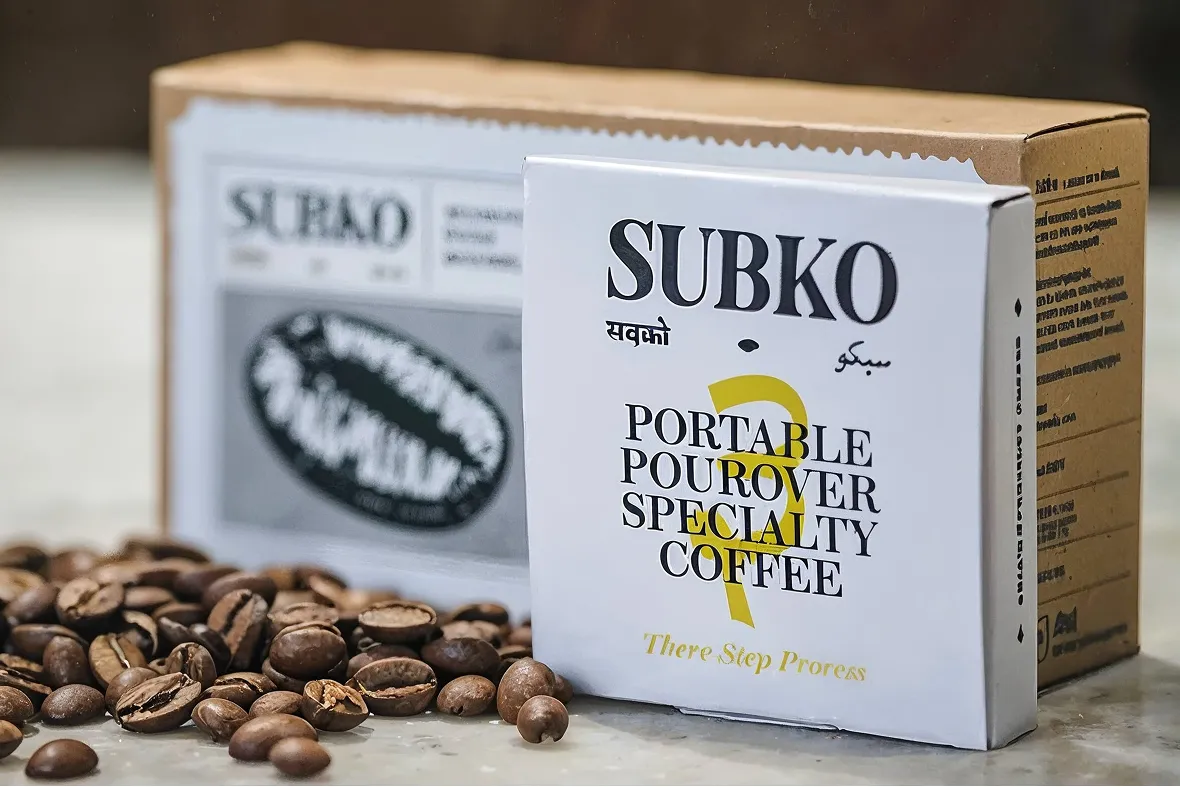
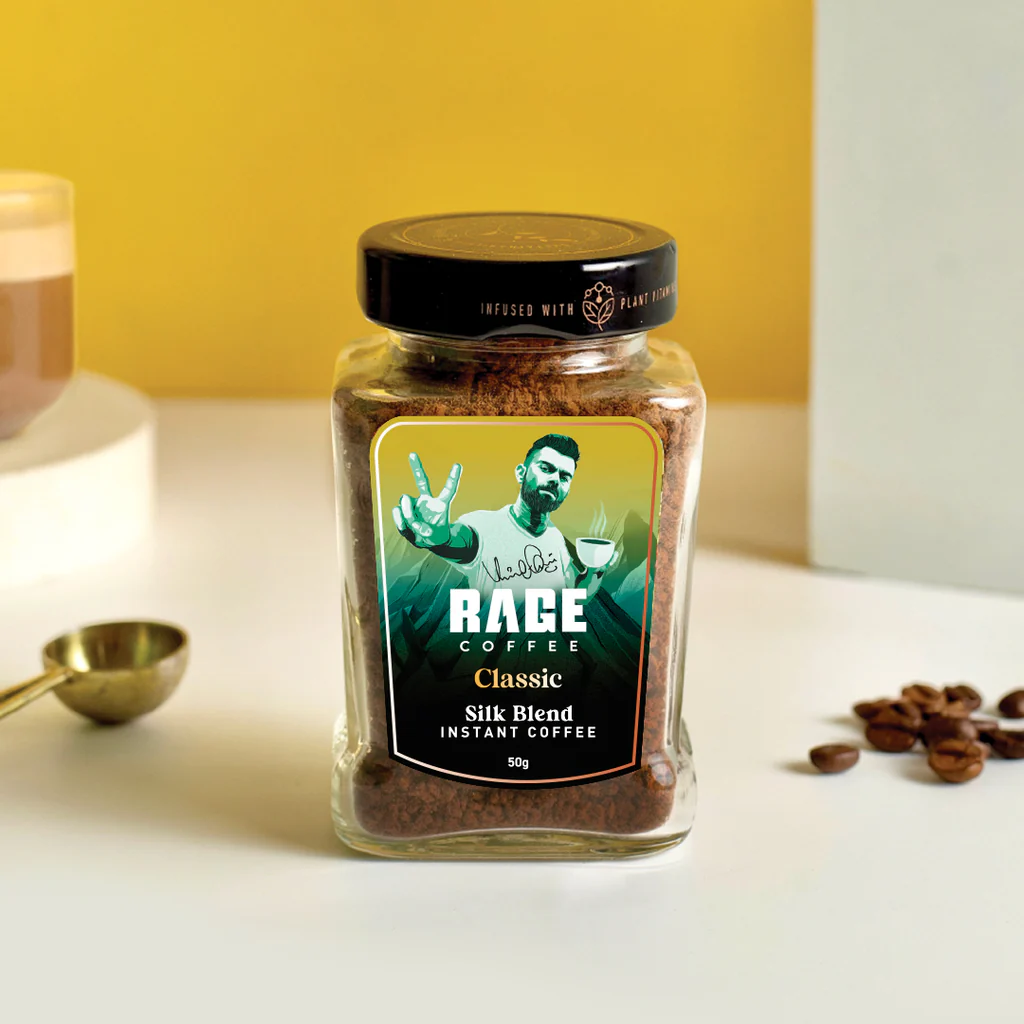
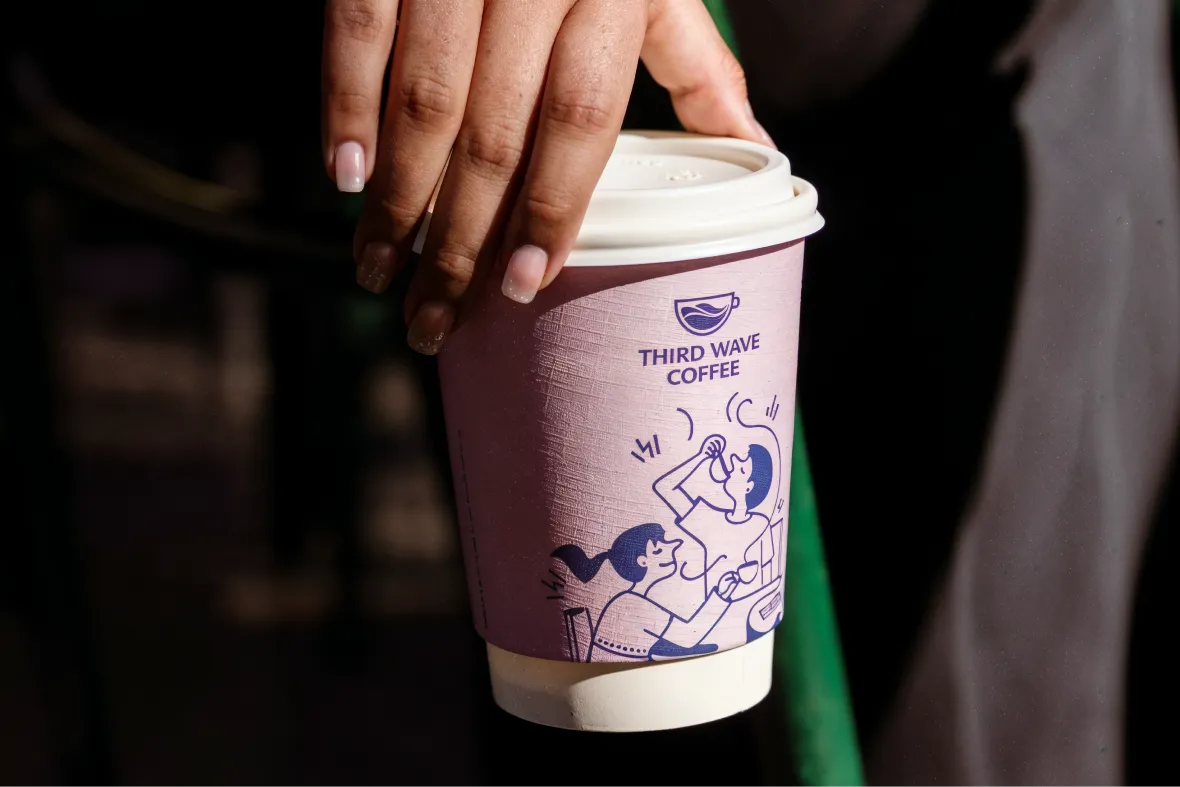
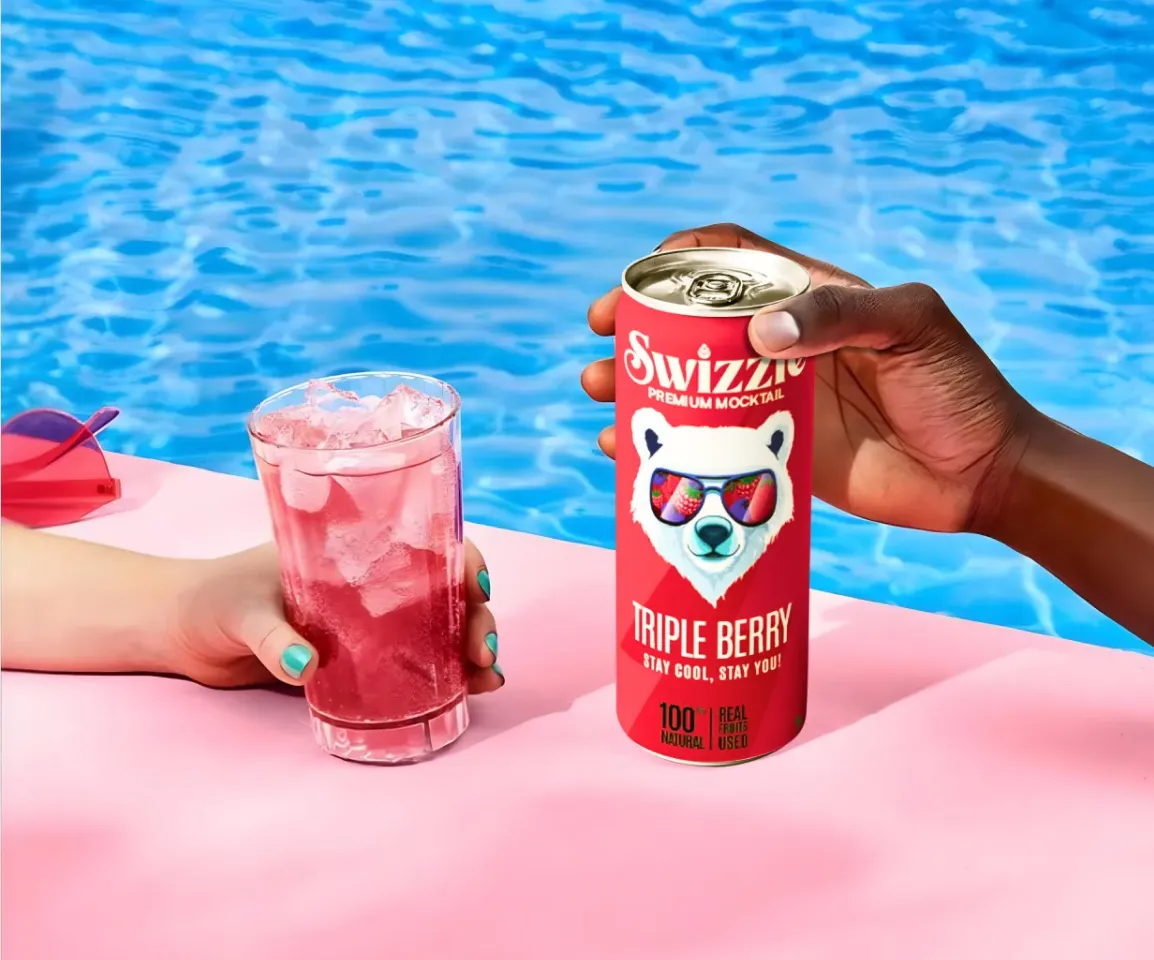
You can see the impact of this clearly in categories like coffee and beverages. Brands such as Blue Tokai, Rage Coffee, Sleepy Owl, Bevzilla and Country Bean all operate in the same space, yet feel completely different in tone and visual expression. That difference is not accidental. It comes from clearly defined guidelines that shape how every touchpoint is designed and communicated. Without this structure, brands risk looking inconsistent or interchangeable over time.
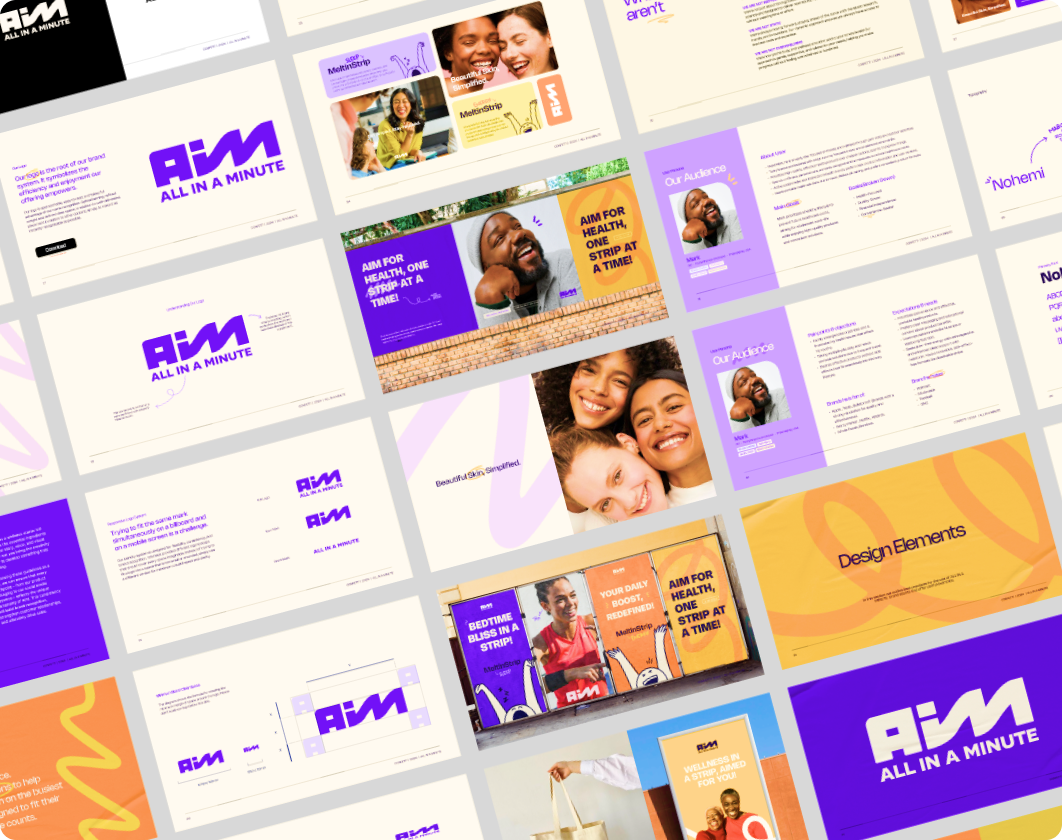
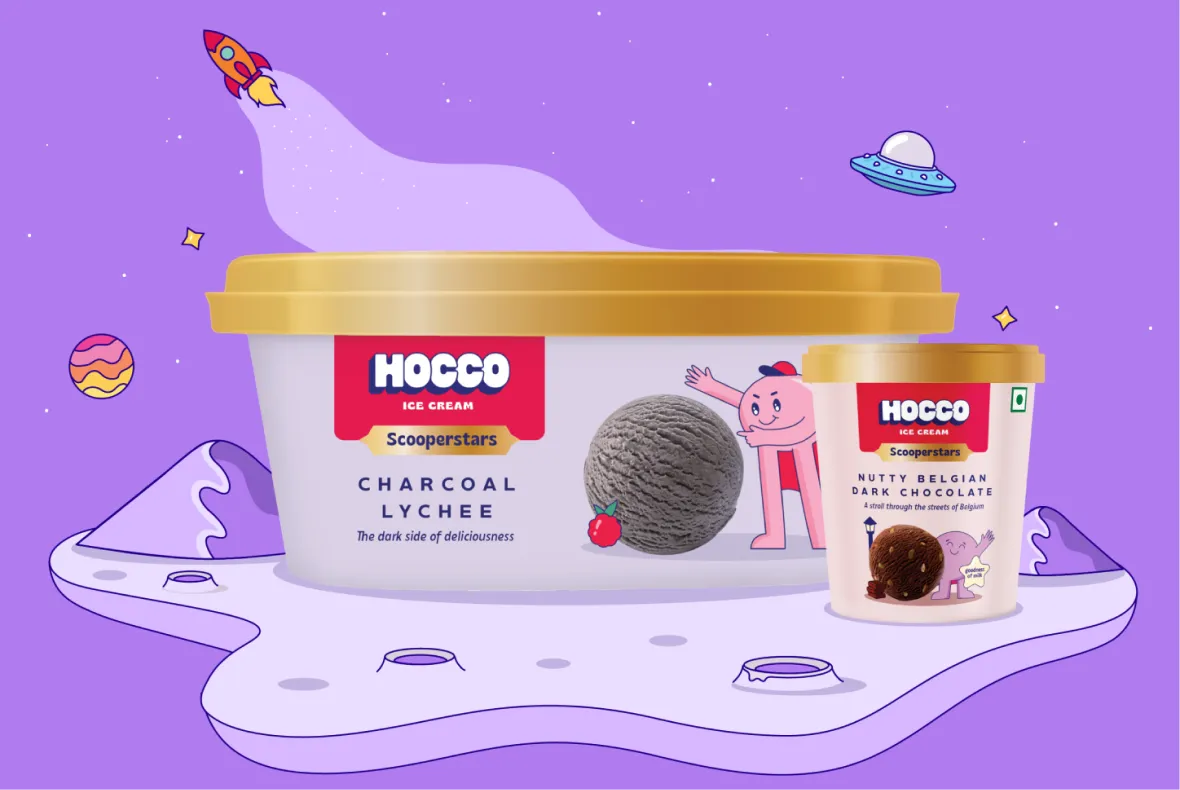
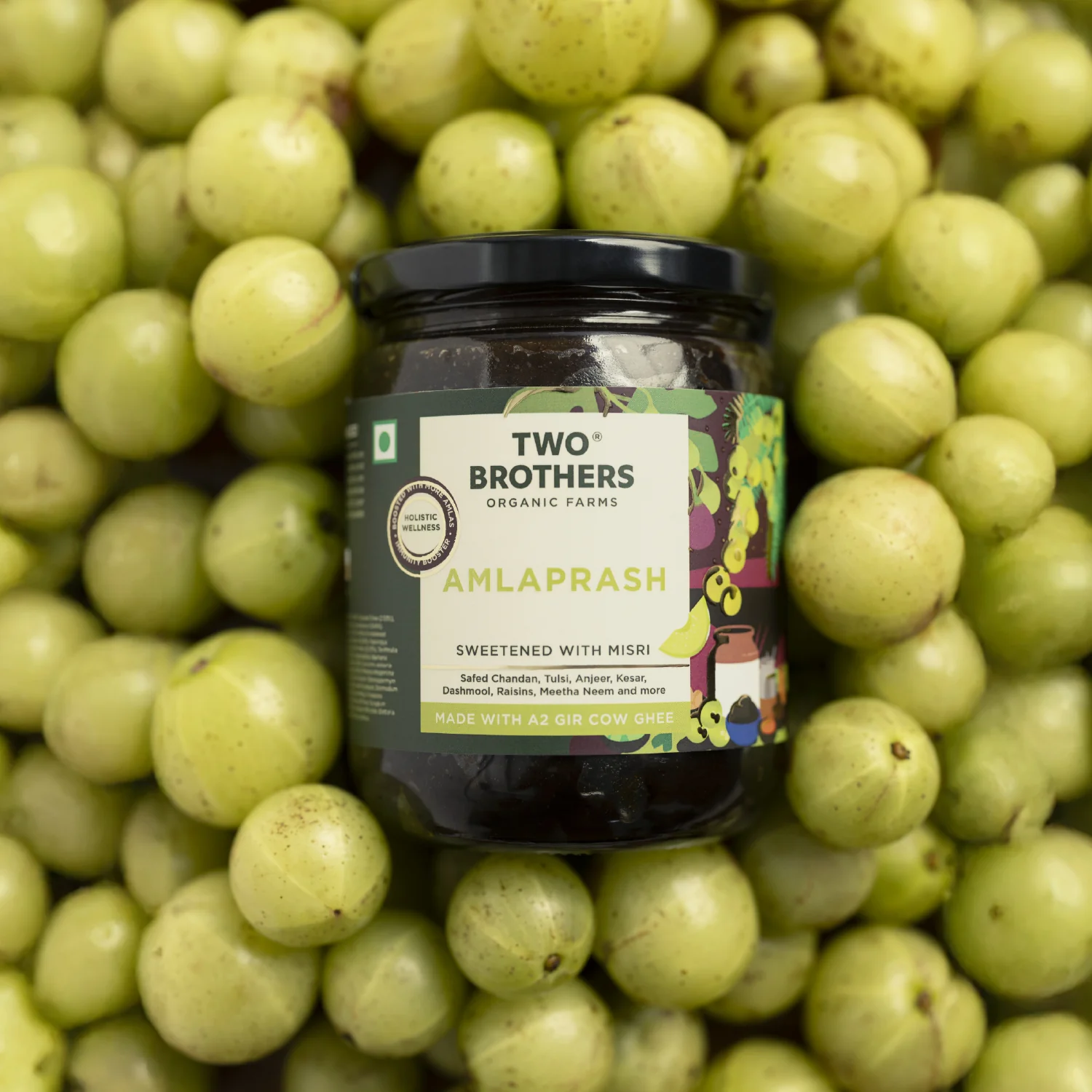
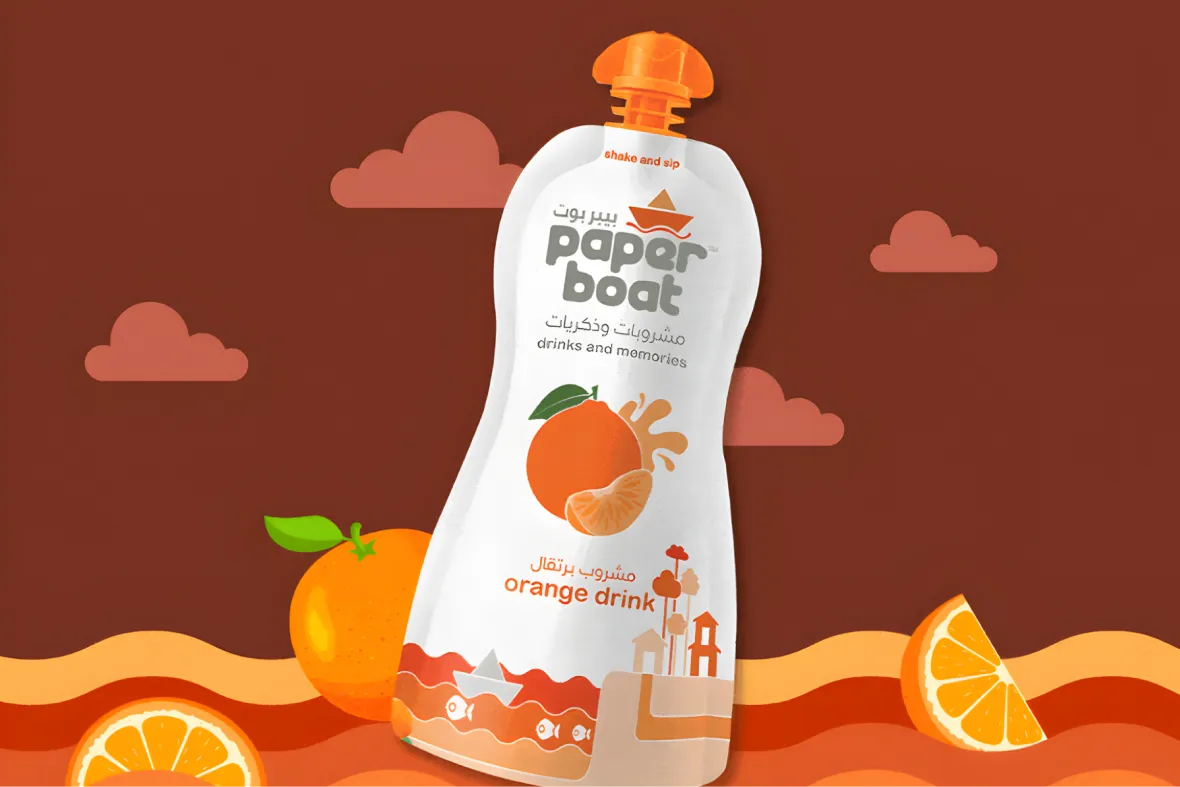
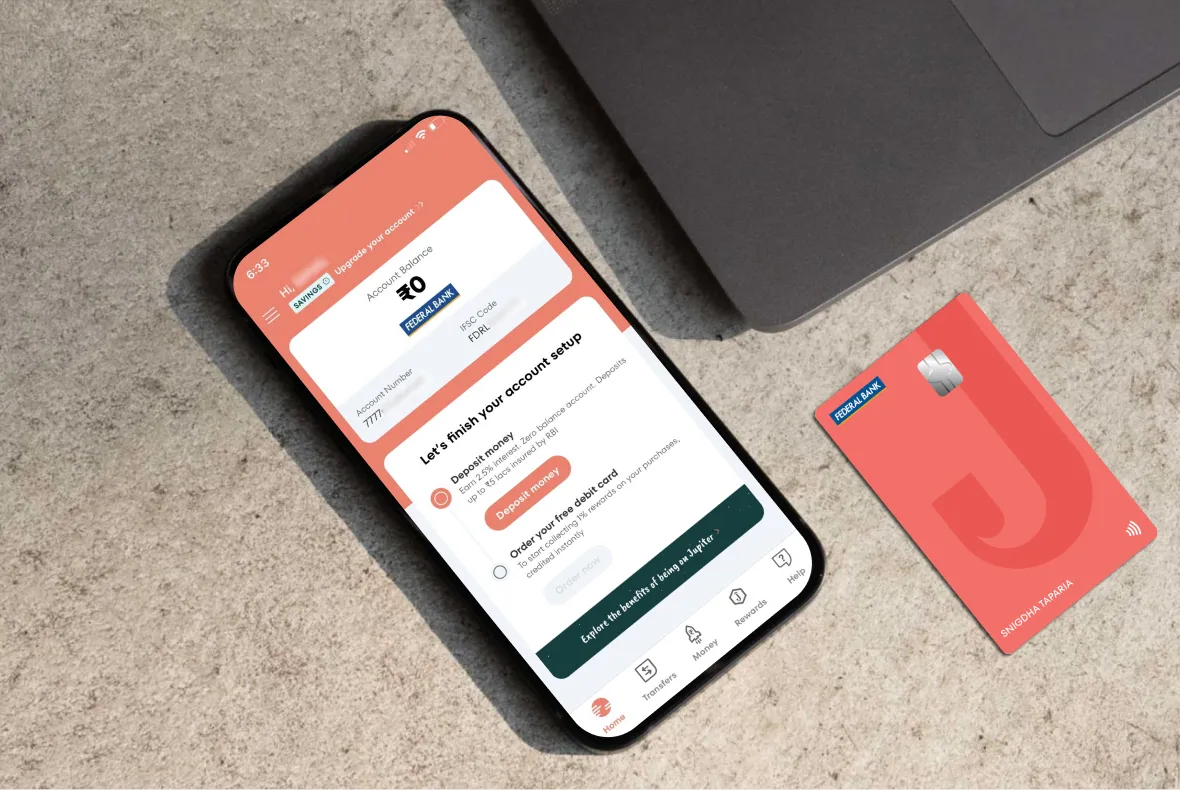
At Confetti, brand guidelines are designed to be practical, detailed, and easy to execute. We document not just what the brand should look like, but also what it should never do. This includes incorrect logo usage, spacing violations, distortion rules, and misapplications across formats. We go deep into real-world usage by creating 10, 20, and sometimes even 25 mockups across key touchpoints such as social media posts, packaging, marketing collateral, and digital assets.
Photography guidelines are an integral part of this process. Visual style plays a major role in brand perception, and brands within the same category can feel vastly different based on how they approach imagery. We define clear photography guidelines based on the brand’s positioning and identity, covering aspects such as composition, lighting, styling, mood, and visual energy. This ensures that whether images are shot in-house, sourced, or generated, they remain consistent and distinctly on-brand.

Confetti’s team is trusted by global leaders, and it’s time we join forces with you to create your Iconic brand!
Tap the button below and talk to our founders directly.



.webp)

Brand guidelines often fail when they are treated as surface-level documentation. Some of the most common mistakes include:
Well-built brand guidelines remove ambiguity. They allow teams to move faster, make fewer mistakes, and scale the brand without constantly reinventing how it should look or feel.
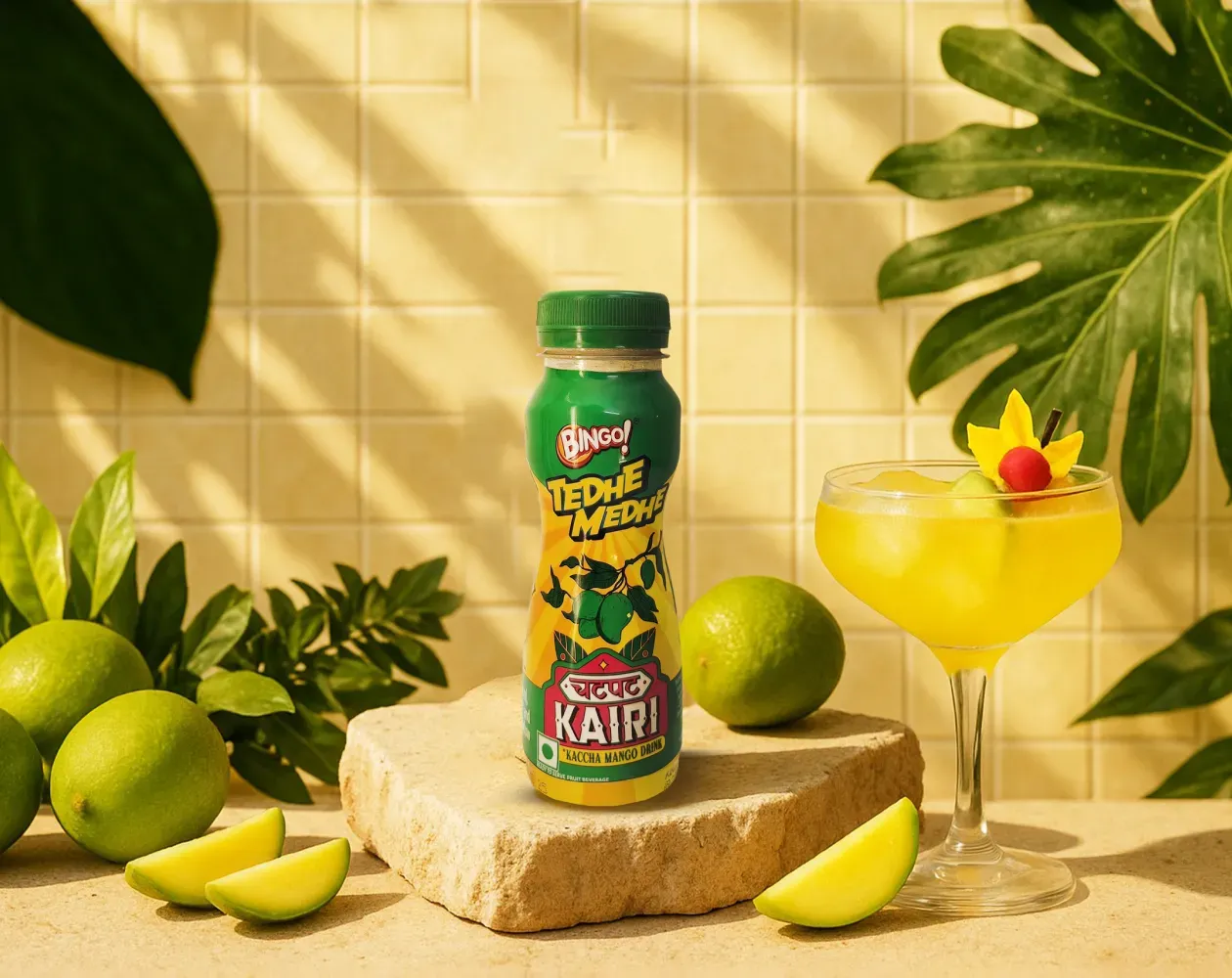
We worked with Bingo (by ITC) to help them launch India’s next viral beverage; Aam Panna
%201.webp)
Global award-winning Identity & packaging design for US's health & lifestyle startup AIM Nutrition
-p-2000%201.webp)
Building India’s fastest growing D2C supplements brand, Miduty by redesigning their branding, packaging & e-commerce website
.svg)
Brand guidelines are what keep a brand intact once it leaves the designer’s hands. As a brand grows, more people start working with it. In-house teams, external partners, agencies, freelancers. Without clear guidelines, interpretation creeps in, and consistency starts to slip. What begins as a strong identity can quickly fragment into slightly different versions of the same brand, depending on who’s using it.
At Confetti, brand guidelines are a core part of every identity project. We document not just visual rules, but the thinking behind them, so teams understand the “why” as well as the “how”. This makes it far easier to scale without losing coherence. If you’re unsure how detailed your guidelines need to be based on your team structure and growth plans, hopping on a short call with our experts is the quickest way to figure that out.
Basic design guidelines are primarily functional. They focus on how assets should be used, things like logo placement, colours, typography, and spacing. A brand book goes a step further. It captures the story behind the brand, the thinking, the philosophy, and the principles that guide decisions over time. This context helps teams make the right choices even when a rule isn’t explicitly written down.
At Confetti, we tailor this based on how the brand will actually be used. Larger teams or brands with complex marketing ecosystems usually benefit from a more detailed brand book, while early-stage brands may only need clear, well-defined guidelines to get started. If you’re unsure which format makes sense for your current stage, a quick call with our team can help you choose the right level of documentation without overbuilding.
There isn’t a single, fixed answer to how detailed brand guidelines should be. They need to be thorough enough to remove guesswork, but simple enough that teams actually use them day to day. The right level of detail depends on the size of the brand, how many people are working with it, and how complex the marketing channels are. Overly light guidelines lead to inconsistency, while overly complex ones often get ignored.
At Confetti, we focus on building practical systems that are easy to apply first, then layer in complexity only if the brand genuinely needs it. This avoids overwhelming teams with documentation that slows them down or sits untouched. If you want to define what “enough” looks like for your brand and how to scale it sensibly, getting on a short call with our experts is the easiest way to work that out together.
Brand guidelines are used by far more people than just designers. Marketers, social media teams, agencies, freelancers, and internal stakeholders all rely on them to do their work consistently. For fast-growing brands, guidelines become especially important when onboarding new in-house hires or external partners. They reduce dependency on individual knowledge and help teams move faster without constantly checking or second-guessing decisions.
At Confetti, we’re careful to make guidelines clear and usable for everyone, not just senior designers. They’re written so even an intern can follow them confidently without compromising quality. This makes them practical tools rather than reference documents that only specialists understand. If you want your guidelines to fit seamlessly into how your team actually works, hopping on a quick call with us can help map that out properly.
Brand guidelines should be created once all identity elements are finalised and any legal checks are complete. This ensures the rules being documented are stable and won’t need constant revision. Creating guidelines too early often leads to gaps or outdated instructions, while doing them too late can slow down rollout when teams are ready to start using the brand.
At Confetti, brand guidelines are developed in the last week of the identity design phase, when everything has been tested, approved, and locked. This allows us to capture the identity as it’s meant to be used in the real world, not just how it looked during exploration. If you want to plan this stage properly and make sure it fits cleanly into your overall timeline, a short call with our team can help you line it up without friction.


Lorem ipsum dolor sit amet, consectetur adipiscing elit. Suspendisse varius enim in eros
Lorem ipsum dolor sit amet, consectetur adipiscing elit. Suspendisse varius enim in eros
Lorem ipsum dolor sit amet, consectetur adipiscing elit. Suspendisse varius enim in eros
.svg)
.svg)








.svg)
.webp)



























.webp)




















.webp)




.webp)