%201.webp)
02
AI Snaps
.svg)
.svg)
01
Our Work

03
About Us
05
Contact Us
06
Client Success

07
Blogs
08
Careers
Book A Call


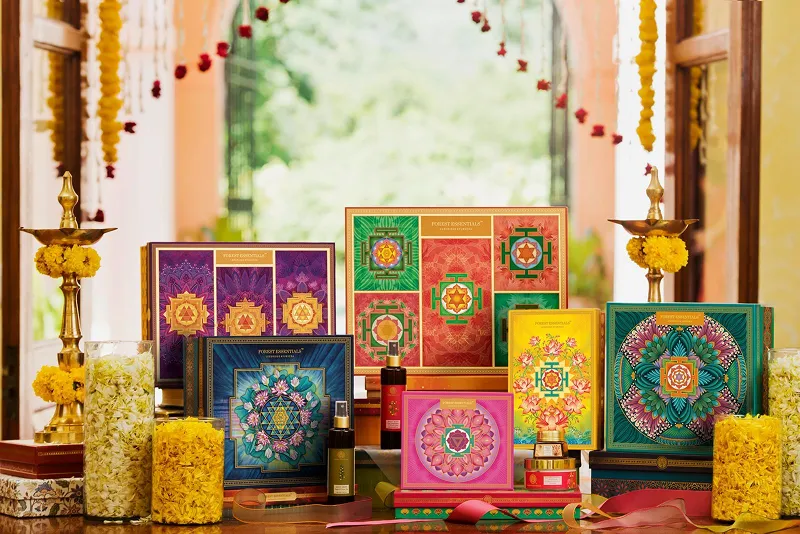
Brand positioning and storyline are defined once competitor analysis and user personas are clearly established. This is the stage where a brand decides the specific space it wants to occupy in the market and in the consumer’s mind. For instance, if you are building a beauty or skincare brand in India such as The Derma Co, Conscious Chemist, Minimalist, Aqualogica, Dot & Key, D’you, Plum, or similar players, brand positioning helps determine whether the brand stands for clinical efficacy, ingredient transparency, gentle care, or aspirational self-care. Without a clear positioning and storyline, brands risk blending into the category, even if their formulations or products are strong.
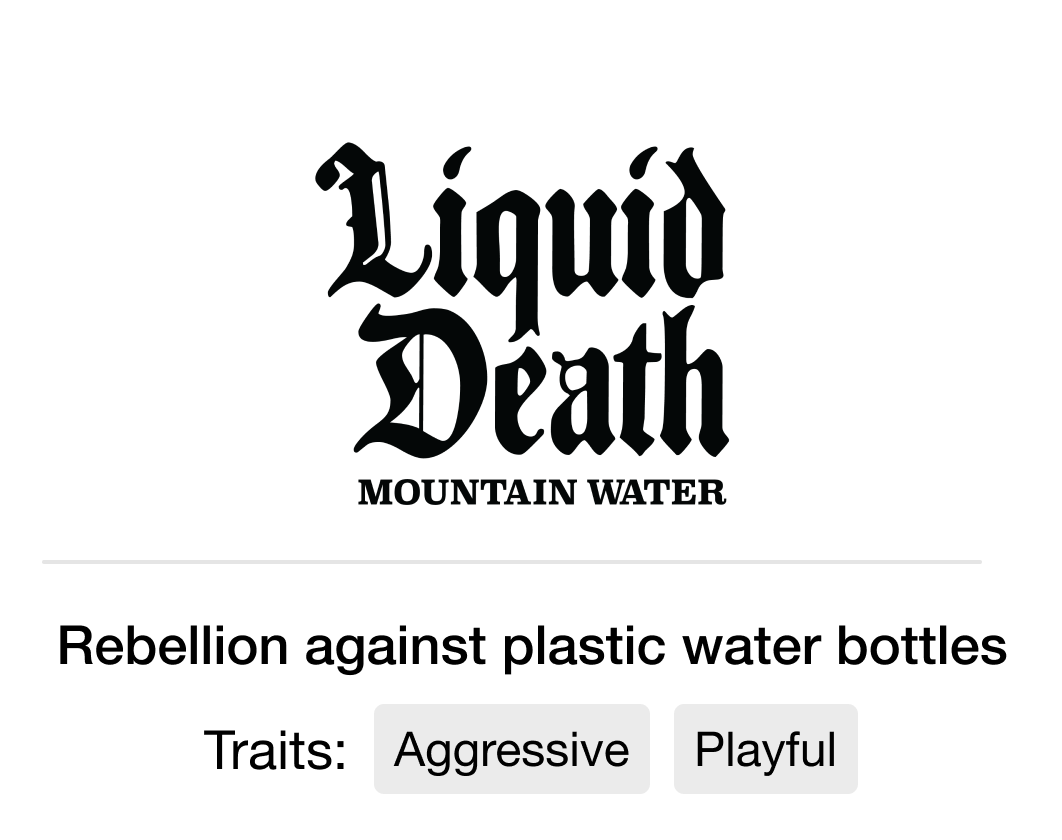
Brand positioning is the specific mental space a brand aims to occupy in the customer’s mind. It is not a mission statement, vision statement, or a line printed on packaging. Instead, it defines how the brand wants to be perceived relative to competitors and why it should matter to the consumer. Strong Indian brands have used positioning as a strategic foundation rather than a marketing afterthought. For example, The Whole Truth identified a clear white space for clean-label, transparent nutrition at a time when consumers were questioning ingredient honesty. This positioning now reflects consistently across their brand name, communication, packaging, and marketing, making the brand recognisable and credible. That is exactly how a solid brand positioning is like.
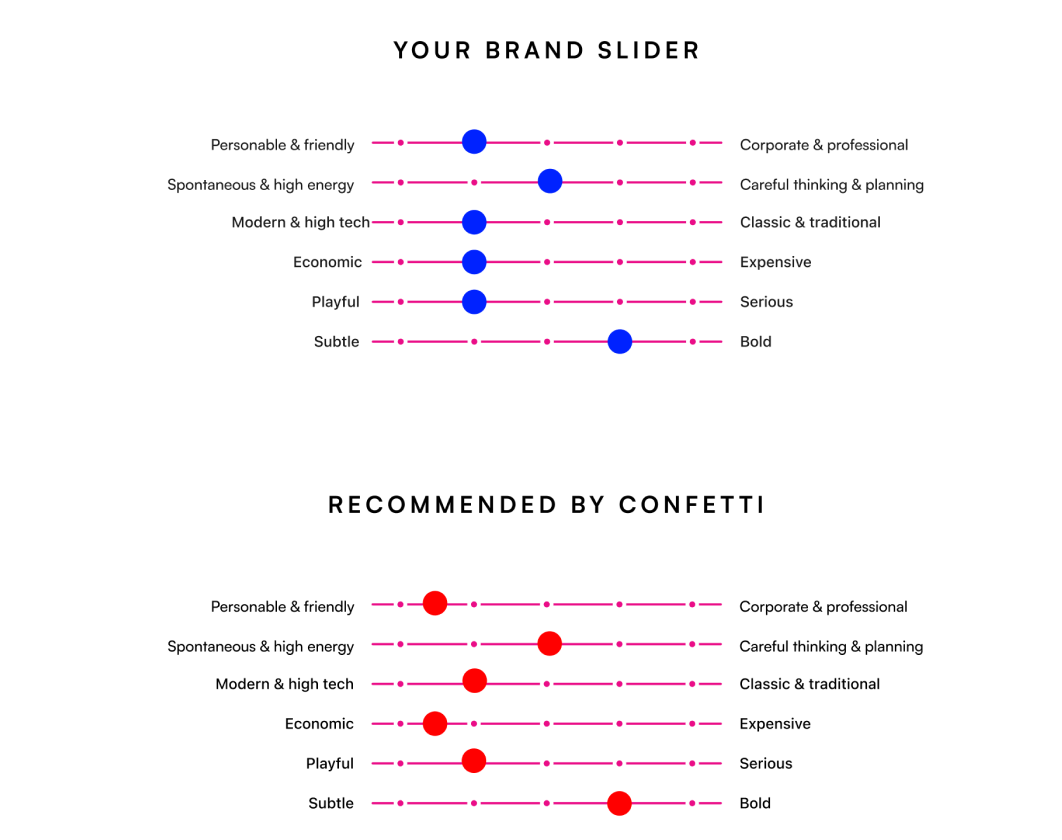
At Confetti, brand positioning is built using two essential inputs: competitor analysis and user personas. Once we understand the competitive landscape and the emotional drivers of the consumer, we work closely with clients to develop two to three distinct positioning storylines. Each storyline is rooted in a clear white space identified in the market and evaluated based on its relevance and potential resonance with the core user persona.
These storylines are not abstract ideas but strategic directions that can be executed consistently across branding, packaging, and communication. The success metric for a positioning is not how clever it sounds, but how effectively it aligns consumer needs with market opportunity. By evaluating both the competitive environment and consumer psychology together, we ensure that the final positioning is both differentiated and commercially viable.

Confetti’s team is trusted by global leaders, and it’s time we join forces with you to create your Iconic brand!
Tap the button below and talk to our founders directly.



.webp)

Brand positioning often fails when it is approached in isolation or oversimplified. Some of the most common mistakes include:
Effective brand positioning emerges at the intersection of market reality and consumer emotion. Ignoring either side weakens the brand’s ability to build long-term recall and trust.
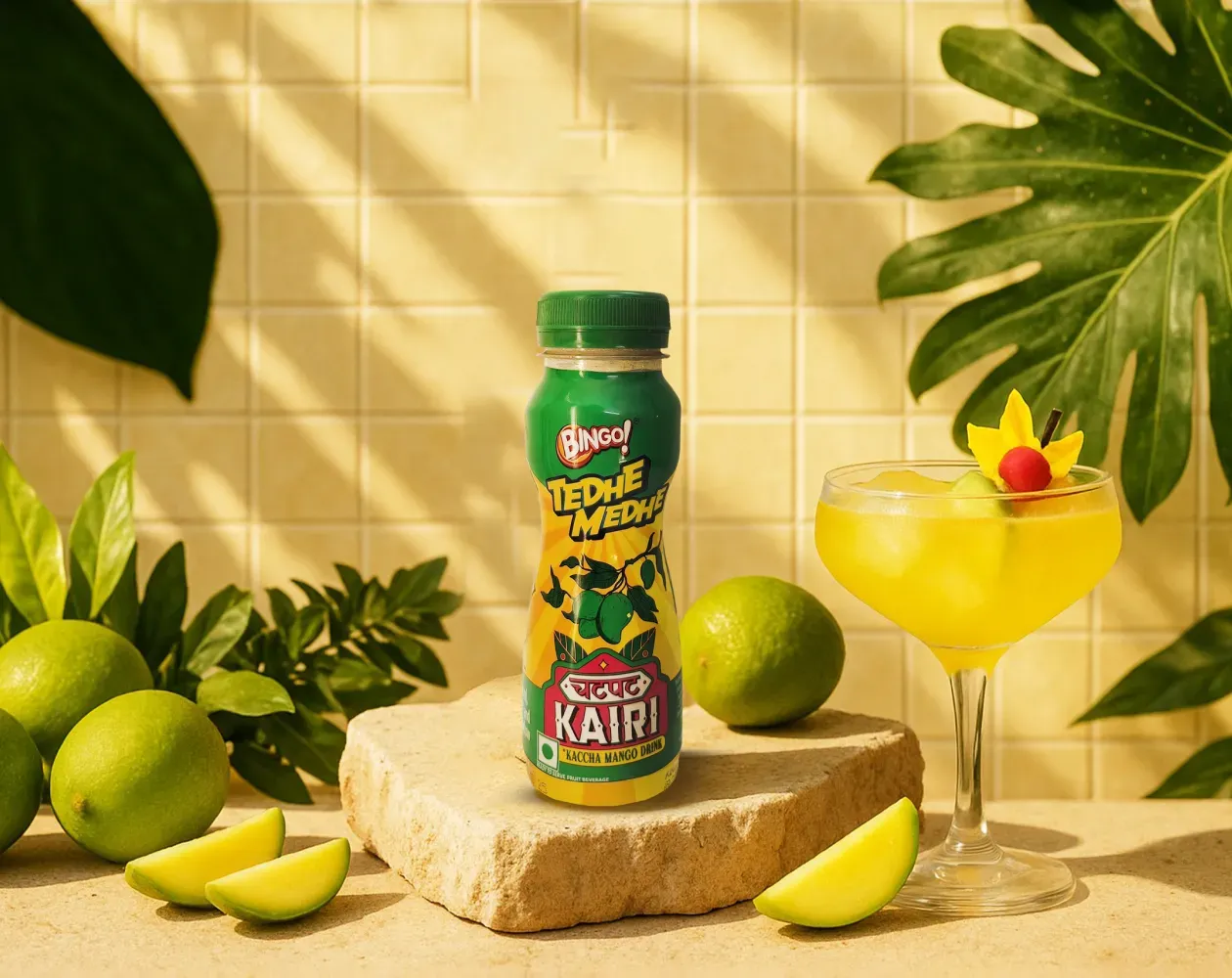
We worked with Bingo (by ITC) to help them launch India’s next viral beverage; Aam Panna
%201.webp)
Global award-winning Identity & packaging design for US's health & lifestyle startup AIM Nutrition
-p-2000%201.webp)
Building India’s fastest growing D2C supplements brand, Miduty by redesigning their branding, packaging & e-commerce website
.svg)
Brand positioning defines the space your brand owns in the customer’s mind relative to alternatives, while a mission or tagline is simply how that idea gets expressed. Positioning is the strategic truth underneath; taglines are just the language on top. For example, Nike is positioned around performance and athletic excellence, and “Just Do It” is one way that positioning comes to life, not the positioning itself. At Confetti, we usually spend two to three weeks defining this foundation clearly before any messaging is written. If you want to separate what your brand stands for from what it merely says, getting on a call with the Confetti team can help clarify that difference early.
Competitor analysis and user personas work together to show where the market is crowded and what customers genuinely care about versus what they tune out. This is what helps a brand choose a position that feels relevant, not forced. For instance, Minimalist carved out its space by leaning into ingredient transparency after closely studying how crowded and vague the skincare category had become. At Confetti, we usually spend three to four weeks connecting competitor insights with real user motivations to shape positioning that can actually win. If you want to identify a space your brand can own rather than blend into, booking a call with the Confetti team is a strong place to start.
A brand should explore enough positioning storylines to clearly understand the trade-offs, but not so many that the strategy loses focus. The goal is comparison and clarity, not endless options. For example, Oatly, a brand selling oat milk tested multiple narratives before committing to its bold, irreverent take on sustainability and food systems. At Confetti, we typically spend two to three weeks exploring and evaluating a small set of strong positioning storylines before locking one in. If you want to pressure-test ideas before committing long-term, getting on a call with the Confetti team can help you choose with confidence.
A positioning is commercially viable when customers understand it quickly, see why it matters to them, and are willing to pay for it. If it needs long explanations or only works as a concept deck, it usually won’t hold up in the market. Skims proved this by tying its positioning directly to fit, comfort, and inclusion, not abstract ideas. At Confetti, we typically spend two to three weeks validating positioning against real customer behaviour, pricing logic, and category dynamics. If you want to avoid falling in love with ideas that look good but don’t sell, having a conversation with the Confetti team can help ground the strategy early.
Brand positioning and storyline should be defined after research and insight work is complete, but before any identity design or marketing execution begins. This ensures that visuals, messaging, and campaigns are all built on a clear strategic foundation rather than assumptions. Warby Parker locked its positioning early, which then guided everything from store design to packaging and communication. At Confetti, we typically define positioning in weeks three to four of the strategy phase. If you want to get the sequence right and avoid rework later, a conversation with the Confetti team can help set things up correctly from day one.


Lorem ipsum dolor sit amet, consectetur adipiscing elit. Suspendisse varius enim in eros
Lorem ipsum dolor sit amet, consectetur adipiscing elit. Suspendisse varius enim in eros
Lorem ipsum dolor sit amet, consectetur adipiscing elit. Suspendisse varius enim in eros
.svg)
.svg)








.svg)
.webp)






















.webp)
















.webp)




.webp)