%201.webp)
02
AI Snaps
.svg)
.svg)
01
Our Work
03
About Us
04
Brand Audit
05
Contact Us
06
Client Success
12
07
Blogs
08
Careers
Book A Call
.svg)



.svg)
Need Help In Building Your Brand?
Click the button below & book a call with our founder directly.

Rishabh Jain
Managing Director
Sustainable packaging design takes a holistic approach to creating packaging that considers the entire lifecycle. Its main aim is to minimize environmental harm while maximizing functionality.
Explore with us the principles behind eco-friendly packaging design, how it impacts brands and some unique examples of brands implementing it.
.webp)
Sustainable packaging design means creating packaging that reduces environmental impact across its entire life cycle while still ensuring product protection and meeting business objectives.
It is not just limited to choosing eco-friendly materials. True sustainable packaging design balances three priorities:
✅Environmental responsibility ✅Customer experience ✅ Commercial performance.
According to the Sustainable Packaging Coalition, sustainable packaging must be effective, efficient, cyclic, and safe throughout its life cycle.
Example: A mono material PET bottle made with post consumer recycled content and clear recycling instructions is more sustainable than a mixed plastic paper pouch that cannot be separated or recycled.
The design phase determines the majority of a package’s environmental and financial impact.
Studies show that over 80 percent of environmental impact is locked in at the design stage.
Once production begins, material choices, shape, and recyclability are difficult and expensive to change.
Design Decisions Set the Entire Life Cycle
Every decision made during design sets the course for the rest of the lifecycle.
This includes material type and volume used, transportation efficiency, and the product’s recyclability or compostability.
They also influence consumer disposal behavior and compatibility with circular economy systems.
Design Balances Trade Offs
Every sustainable packaging decision involves trade offs:
The design phase is where these trade offs are evaluated using life cycle assessments and real world conditions.
Smart packaging design finds the best solution for the specific product, market, and supply chain.
Design Prevents Waste Before It Exists
True sustainability isn't just swapping plastic for paper.
The design phase allows for creative, systemic thinking that optimizes the entire system.
Design Drives Cost Savings and Brand Trust
Sustainable design is also a business advantage.
Packaging is often the first physical interaction customers have with a brand. Thoughtful sustainable design communicates responsibility and builds long term trust.
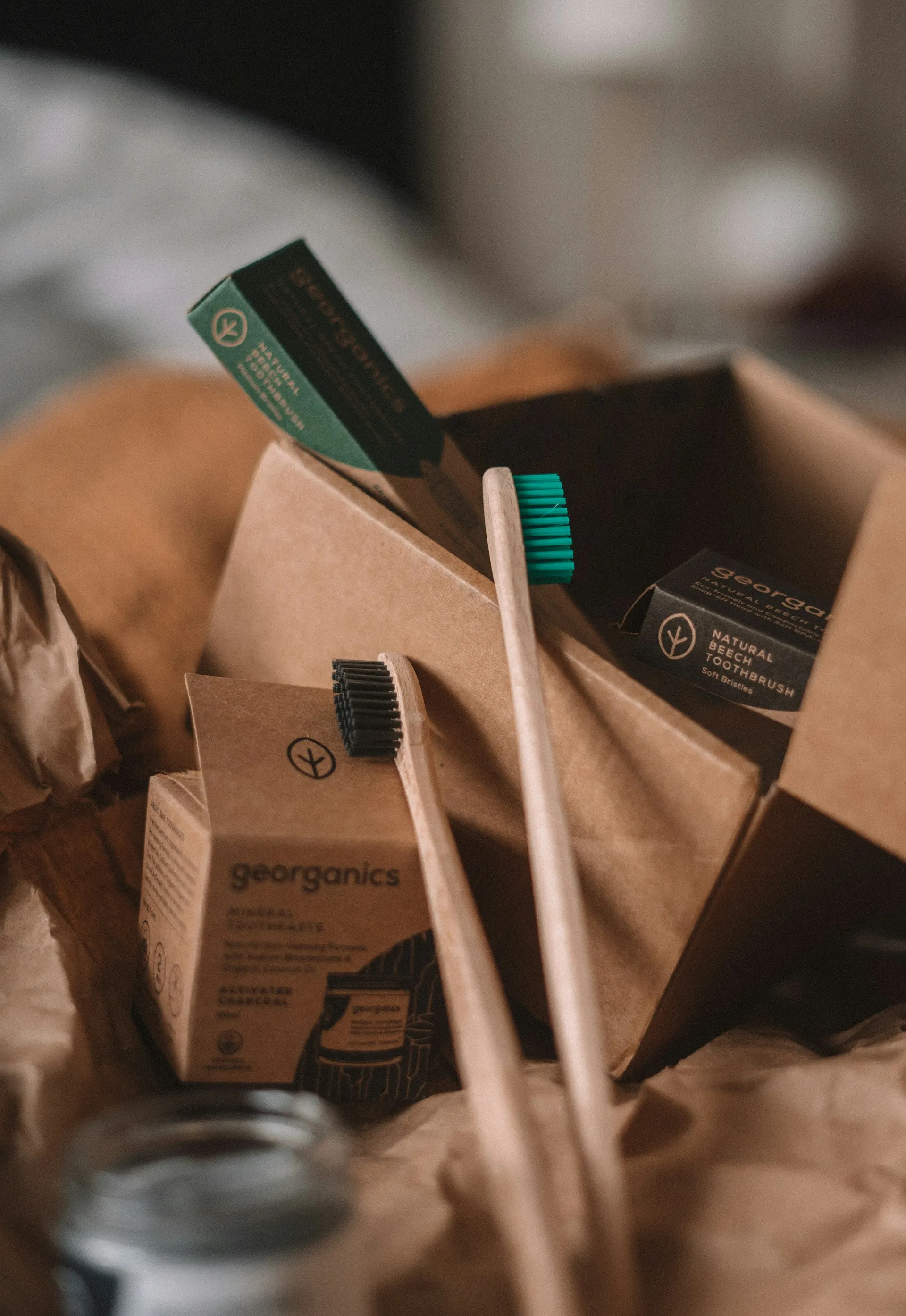
Sustainable packaging is a systems-based approach that reduces waste, improves efficiency, and supports recyclability across the entire lifecycle.
Here’s a look at how sustainability pillars with practical packaging design principles:
Sustainable packaging begins with choosing low-impact materials that minimize environmental harm from the start:
Renewable & Recycled Inputs
Use rapidly renewable resources instead of fossil-fuel-based materials. Incorporate Post-Consumer Recycled (PCR) content to reduce reliance on virgin materials.
Responsible Sourcing
Ensure paper and fiber materials come from sustainably managed forests. Work with certified and traceable suppliers.
Non-Toxic & Safe Chemistry
Eliminate hazardous chemicals in materials, inks, coatings, and adhesives. Avoid substances that hinder recyclability or compostability.
Mono-Material Preference
Favor single-material systems (e.g., all-paper or all-PET) to improve recyclability. Avoid complex, hard-to-separate laminates.
Impact: Reduces production footprint, improves material recovery, and supports safer end-of-life outcomes.
Focuses on using the least material and energy possible while maintaining product protection and performance.
Minimalist Design Approach
Use only what is essential for protection and communication. Remove unnecessary layers, inserts, and secondary cartons. Move manuals and excess information online.
Light weighting
Reduce thickness through smarter engineering. Optimize geometry and reinforce stress points instead of overbuilding.
Right-Sizing
✔️ Not too large
✔️ Not too tight
✔️ Just right
Performance Validation
Conduct drop and compression testing. Balance strength, moisture protection, and shock absorption.
Concentrated & Refill Formats
Develop product formats that require less packaging. Design durable packaging suitable for refill or reuse systems.
Impact: Cuts material costs, lowers carbon emissions, reduces freight expenses, and improves operational efficiency at scale.
Packaging must be designed for what happens after use, before it is ever produced.
Design for Recyclability
Use materials accepted by real-world recycling systems and ensure compatibility with municipal recovery infrastructure.
Avoid mixed-material constructions, design easy-to-detach components, and replace glue with mechanical locking where possible.
Design for Compostability
Use materials that safely break down in industrial or home compost systems where appropriate.
Avoid misleading compostable claims without infrastructure access.
Design for Reuse
Engineer packaging for return-and-refill systems. Create durable, refillable formats.
Develop transformable or secondary-use designs (e.g., storage, display units).
Multi-Functional Packaging
Extend packaging life by giving it a second purpose. Enhance durability and aesthetics to encourage reuse.
Example: Puma introduced the Clever Little Bag - reducing cardboard use, eliminating plastic carrier bags, lowering shipping weight, and providing customers with a reusable tote.
Impact: Prevents waste, keeps materials in circulation, and supports a functioning circular economy.
Even the best sustainable design fails if consumers don’t know how to dispose of it properly.
Clear & Honest Communication
Provide clear, standardized recycling or composting instructions and explain why proper disposal matters. Avoid vague claims and use precise, transparent language.
Integration of Smart Technologies
Use digital tools like QR codes or NFC tags to give real-time, location-based recycling instructions and track supply chains.
Impact: Bridges the gap between design intent and real-world outcomes, increasing recovery rates and reducing contamination.
Sustainable packaging has become a key driver of brand perception, as consumers increasingly favour environmentally responsible companies.
Here’s how:
1. Environmental concerns:
Sustainability is a growing priority for both consumers and businesses. As awareness of pollution and waste increases, people prefer brands that use eco-friendly packaging.
Sustainable materials and practices enhance a brand’s image by showing a commitment to reducing environmental impact.
2. Brand differentiation:
Sustainable packaging allows brands to stand out from competitors by offering a clear environmental commitment.
It creates a unique selling point that attracts environmentally conscious consumers.
3. Cost-effective:
Adopting eco-friendly materials and practices can reduce long-term production and waste management costs.
Brands may also benefit from government incentives and tax advantages.
4. Brand reputation:
Sustainability has become an important aspect of brand reputation.
Brands that prioritize sustainability in their packaging can improve their reputation among consumers and stakeholders. This can lead to increased brand loyalty and positive word-of-mouth marketing.
5. Legal requirements:
Many countries have implemented laws and regulations related to packaging and waste disposal.
Brands that prioritize sustainability in their packaging can help to comply with these laws and regulations, avoiding potential penalties and legal issues.
6. Consumer behavior:
Consumer preferences are shifting toward eco-friendly products.
Many are willing to pay more for sustainable packaging, which can positively influence purchasing decisions and increase sales.
The most effective sustainable packaging solutions balance engineering, logistics, and human psychology.
Here are proven best practices that help meet sustainability goals and support business results:
1. Use Low-Impact Inks and Adhesives
Printing and adhesives affect recyclability but are often overlooked.
Low-impact options like plant-based inks and water-soluble adhesives reduce toxins and allow materials to recycle more easily.
Example: Seventh Generation uses soy-based inks for recyclable cartons.
2. Design Clear Disposal Instructions
Consumers need clear guidance to recycle correctly.
Visual cues, standardized labels, and QR codes simplify disposal and increase proper recycling.
Example: Target added How2Recycle labels to products, boosting correct recycling.
3. Avoid Common Design Mistakes
Recyclability suffers when materials, finishes, or packaging layers are incompatible or excessive.
Simple, neutral designs with single-material structures improve reuse and recycling.
Example: Avoid laminated paper, metallic foils, or multi-resin plastics, and choose plain, functional packaging that can be recycled or reused year-round.
4. Design for Circular Economy
Circular design keeps materials in use and reduces waste through reuse, refill, and easy disassembly.
Packaging should be durable, returnable, and simple to separate.
Example: Loop delivers products in reusable steel and aluminum containers, while snap-fit parts and peel-off labels make materials easy to sort and recycle.
6. Avoid Greenwashing
Claims must be specific and verifiable. Transparency builds trust and protects brand credibility.
Bad: “Eco-friendly packaging”
Better:
.webp)
Sustainable packaging design looks different across industries because each product category has unique requirements.
Here are some sustainable packaging design ideas with real-world examples:
Food packaging must protect freshness and meet strict safety standards while reducing waste.
Innovations focus on biodegradable, compostable, recyclable, edible, reusable, and minimalist systems.
Graze Snack Box Design
Graze redesigned its snack boxes using recyclable cardboard and minimal inner packaging to reduce waste.
Instead of plastic trays, it uses partitioned paperboard inserts that keep snacks separated while remaining fully recyclable.
This reduces mixed materials and improves recovery rates without compromising product protection.
Edible Packaging Innovations
Edible packaging eliminates waste by making the package part of the product.
Made from materials like starches or seaweed, this approach reduces waste and creates memorable brand experiences.
Stonyfield introduced frozen yogurt “pearls” with edible WikiCells skins.
Compostable and Biodegradable Coffee Bags
Traditional coffee bags use plastic laminates that are hard to recycle.
Equator Coffees partnered with TricorBraun Flex to launch plant-based Biotrē™ compostable coffee bags.
These bags maintain freshness and break down in industrial composting systems.
Reusable Glass Containers (Circular Systems)
Refill systems turn packaging into reusable assets. EcoSpirits created the CircularOne system with reusable glass
EcoTotes used by Diageo and Bacardi. Hotels like Raffles Singapore have reduced glass waste by over 90% using this model.
Upcycled Food Packaging
Upcycled packaging repurposes waste into new formats.
Examples include agricultural fiber molded into containers, recycled fabric made into bread wraps, and brewery grain turned into biodegradable carriers.
This reduces raw material use and supports low-carbon design.
The beauty industry generates large volumes of plastic waste, but innovation is accelerating across minimalist, refillable, recyclable, biodegradable, and solid formats.
Minimalist Cosmetics Design Trends
Minimalist packaging removes outer boxes, excess inserts, plastic wraps, and decorative foils.
Luxury is expressed through simple forms, premium materials, and restrained typography.
This reduces material use and emissions while meeting modern sustainability expectations.
Refillable Containers
Refill systems let consumers keep a durable outer case and replace only the inner product.
The Body Shop introduced refillable Peptalk Lipstick in recycled aluminum cases, and UpCircle offers skincare in refillable glass jars.
These systems can reduce material use by up to 70% over time.
Lush’s Naked Packaging Approach
Lush sells shampoo bars and other products without packaging.
One shampoo bar can replace up to three liquid bottles, cutting plastic waste significantly.
This model eliminates plastic and reduces shipping weight.
Solid Product Bars
Solid shampoo and lotion bars remove water from formulas, eliminating plastic bottles. Scottish Fine Soaps Company wraps its bars in recyclable paper instead of plastic.
This keeps the product sustainable while maintaining a premium feel.
Recyclable and Biodegradable Cosmetic Packaging
Brands are adopting mono-material tubes, glass containers, aluminum tins, compostable mailers, and plant-based plastics.
These materials are easier to recycle or biodegrade than mixed plastics. This helps reduce landfill waste and supports circular packaging systems.
E-commerce packaging must survive shipping while avoiding over-packaging.
The focus is on recyclability, weight reduction, biodegradability, and material minimization.
Pampers Knifeless Opening Box
Pampers introduced frustration-free, knifeless opening boxes with perforated tear strips for safer and easier access.
This design improves safety, reduces damage-related returns, and uses less tape and plastic wrap. The simplified structure also enhances recyclability.
Air Capsule Technology
Dow partnered with Procter & Gamble China to develop recyclable air capsule packaging made from mono-material PE.
The system reduces material weight by over 40% and requires less trucking space. It also deflates easily, making recycling more efficient.
Amazon Frustration-Free Packaging
Amazon requires products in its Frustration-Free Packaging program to use curbside-recyclable materials and avoid plastic clamshells.
Packages must also open without tools to improve convenience. This approach reduces waste while enhancing customer experience.
Protective Yet Minimal Design
Brands are replacing excess plastic with molded fiber inserts, honeycomb cardboard, and recyclable paper cushioning.
Wild ships refillable aluminum cases in simple cardboard boxes with paper slots for protection.
Minimalist e-commerce packaging lowers dimensional weight, helping reduce shipping emissions.
Fashion and Apparel Packaging
Fashion packaging has traditionally relied on plastic poly mailers and tissue paper, but recyclable, biodegradable, upcycled, and reusable alternatives are expanding.
T-Shirt Packaging Innovations
Many brands now roll T-shirts into compact bundles secured with paper bands instead of plastic bags.
This reduces plastic use, improves shelf visibility, and supports minimalist design principles
Transformable and Reusable Clothing Packaging
Lush created Knot Wraps inspired by Japanese furoshiki cloths.
These wraps replace single-use gift wrap and can be reused as scarves or bags.
Poly Mailer Alternatives
Sustainable alternatives to plastic mailers include:
These solutions protect garments during shipping while remaining curbside recyclable or compostable.
.webp)
Packaging design agencies play a critical role in transforming sustainability goals into practical, market-ready solutions that balance environmental responsibility with business objectives.
We at Confetti Design Studio work closely with brands to understand specific product requirements, target audiences, and sustainability priorities.
Based on this, we develop packaging designs that are both functional and eco-friendly.
While designing eco friendly packaging, we follow the following approach:
Here’s a tighter, more concise version:
What is the most sustainable packaging material for design?
Paper-based materials with high recycled content and FSC certification are most sustainable. However, the "best" material depends on your product needs, shipping requirements, and end-of-life infrastructure.
How much does sustainable packaging design cost?
Initial costs may be 10-30% higher, but long-term savings from material reduction, shipping optimization, and brand loyalty offset the investment within 12-18 months for most brands.
Can sustainable packaging protect products as well as traditional packaging?
Yes. Modern sustainable materials like molded pulp, corrugated cardboard, and mushroom packaging offer excellent protection while being fully biodegradable or recyclable.
Do consumers really care about sustainable packaging design?
Yes. 72% of consumers actively seek eco-friendly packaging, and 30% will pay more for sustainable options. It directly impacts purchase decisions, especially for Millennial and Gen Z shoppers.
How can I make my packaging design more sustainable on a budget?
Start by eliminating excess packaging, switching to recycled paper/cardboard, optimizing box sizes, and using vegetable-based inks. These changes require minimal investment but deliver significant impact.
Want strategic branding and packaging like this for your business?





.webp)
.webp)

.webp)
.webp)
.webp)
.webp)
.webp)







.svg)
.webp)