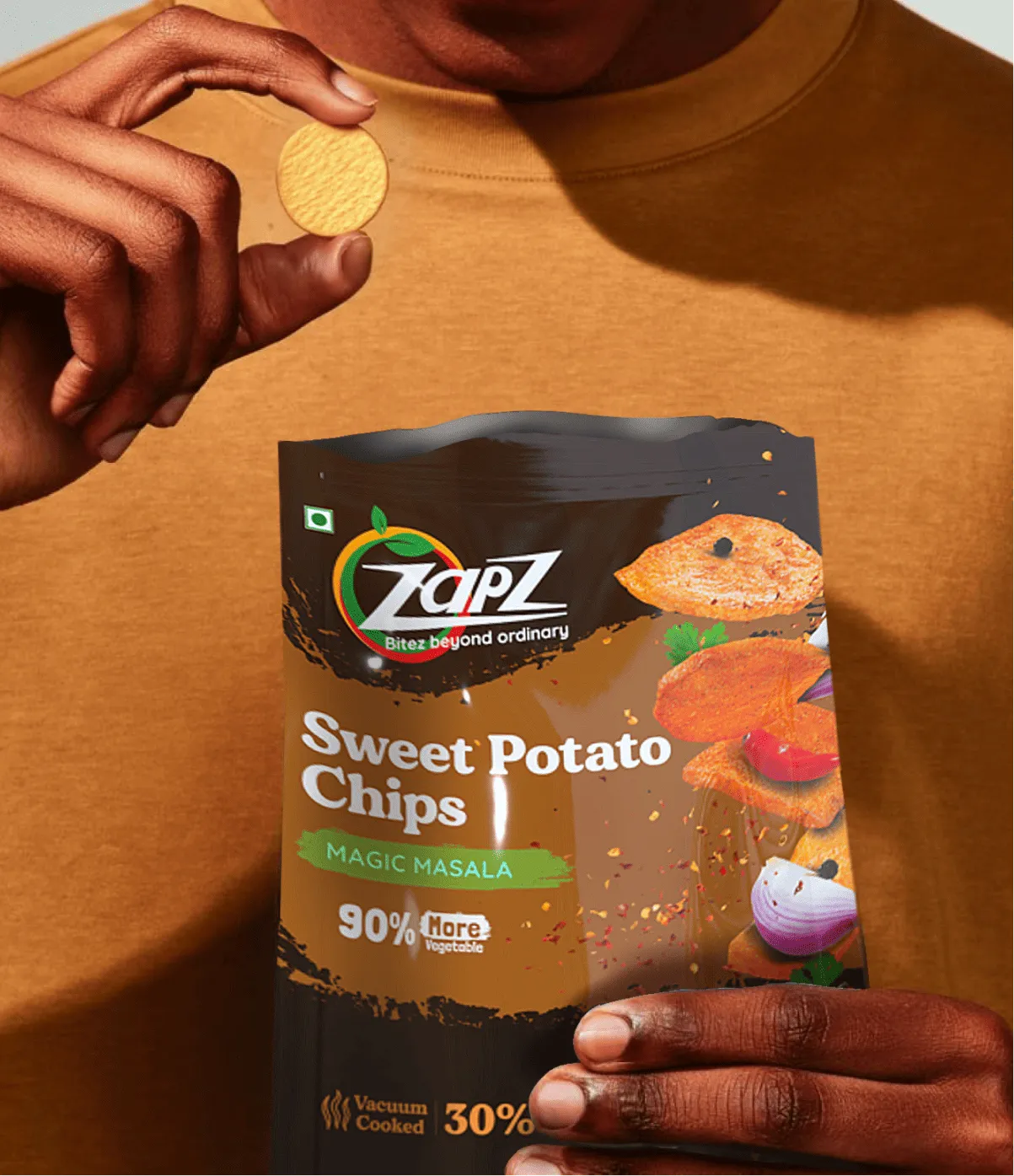
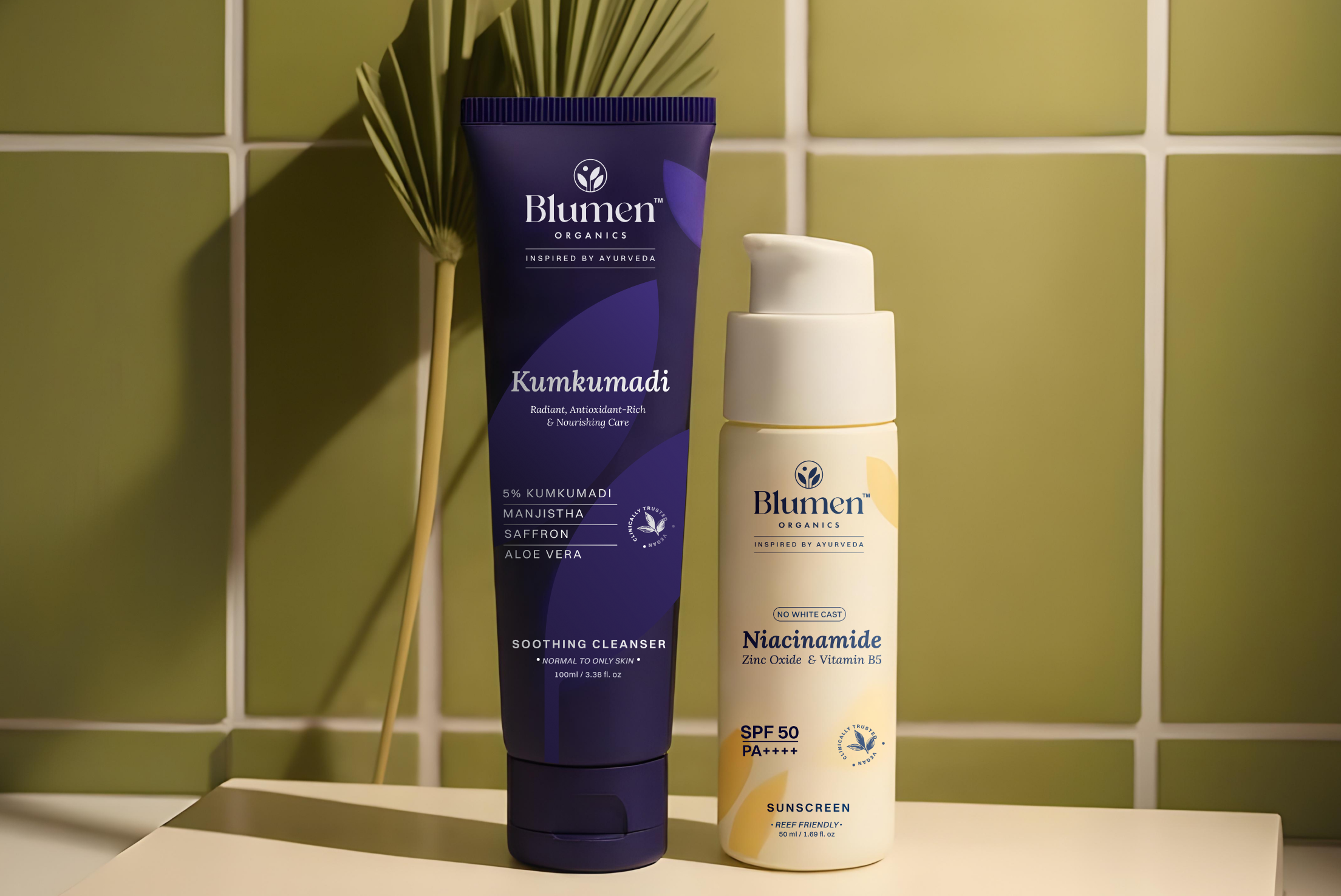
%201.webp)
02
AI Snaps
.svg)
.svg)
01
Our Work

03
About Us
05
Contact Us
06
Client Success

07
Blogs
08
Careers
Book A Call



.svg)
Need Help In Building Your Brand?
Click the button below & book a call with our founder directly.

Rishabh Jain
Managing Director
72% of consumers say packaging design influences their purchase decisions, making it one of the most powerful yet underutilized sales tools available to brands.
In this Confetti guide, discover the psychology behind packaging, design elements that boost conversions, channel-specific strategies, and case studies showing packaging ROI.
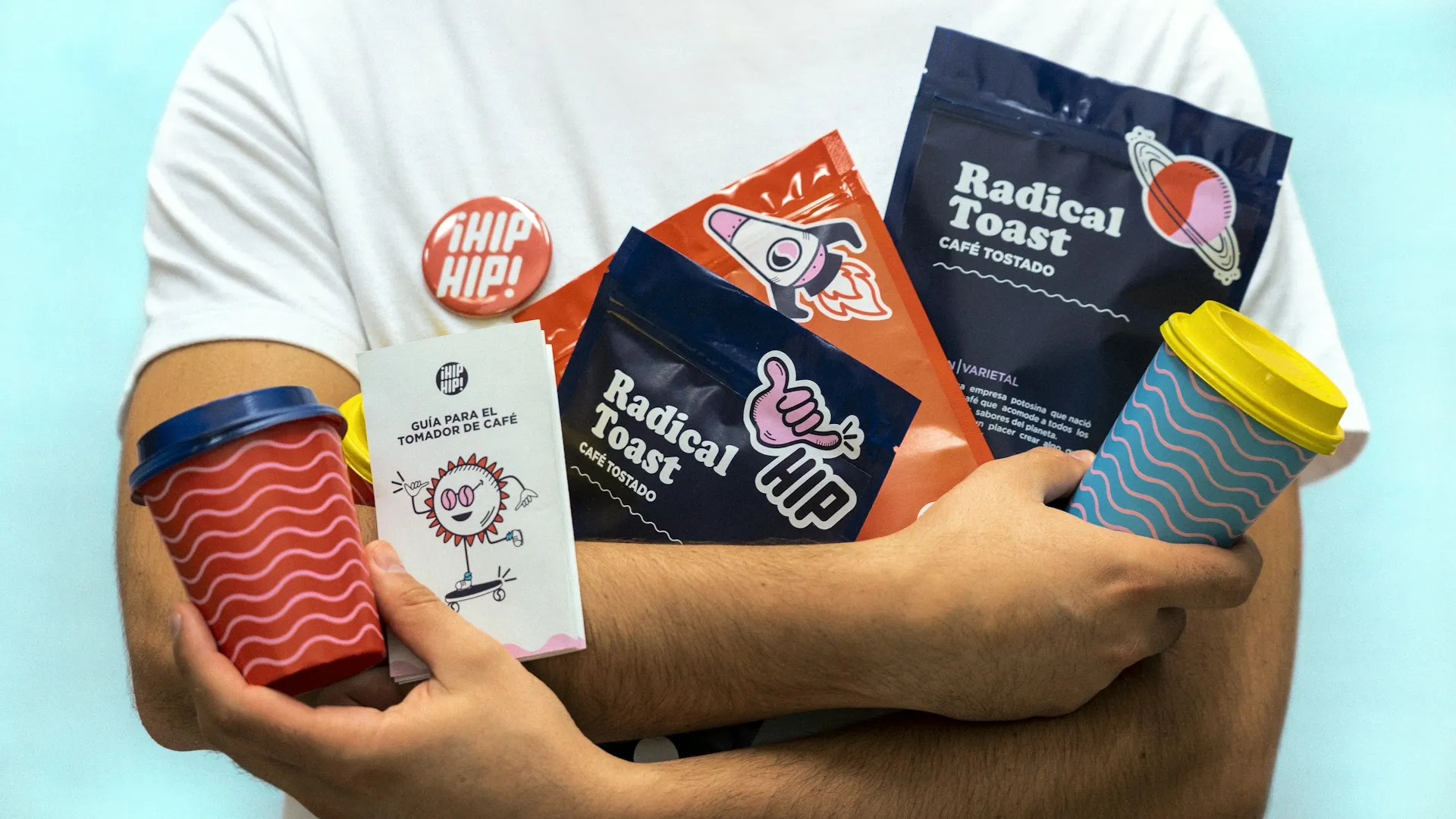
Packaging design is vital in influencing customer decision-making. Let’s understand how:
A 2018 consumer survey highlighted the importance of packaging design in purchasing decisions.
It revealed:
So, packaging is not just about aesthetics, it's a conversion tool.
When consumers see many similar products, packaging becomes the key factor in their purchase decision.
Consumers form a first impression in about 7 seconds. In a retail environment, that decision can happen even faster.
In this narrow window, your packaging must:
Capture attention through color contrast and visual hierarchy.
Communicate brand identity through consistent design elements.
Signal product quality through material choice and finish.
Trigger emotional response through imagery and messaging.
If the product fails to stand out visually, it gets ignored. No attention means no sale.
Most purchase decisions happen at the retail shelf, not before entering the store - meaning -
Customers aren't walking in with your product on their shopping list, your packaging must convince them in real-time.
The point-of-purchase (POP) is packaging design’s moment of truth. Its influence acts in three phases:
Optimizing for POP can drive 15–25% sales growth in the first quarter after redesign.
Effective packaging design functions as a 24/7 sales representative. It converts browsers into buyers without human intervention.
This happens in three steps:
Standing out is the first conversion hurdle. If customers don't notice your product, sales are impossible.
Strong color contrast creates instant shelf “pop.”
Unique shapes break visual patterns and spark curiosity.
Top-third branding captures eye-level attention.
Once attention is captured, packaging must quickly answer: “Why buy this?”
Highlight key benefits (e.g., organic, durable, certified).
Use clear benefit statements in 5 words or fewer, to avoid decision fatigue.
Guide the eye: product name → key benefit → details (under 3 seconds).
Signal quality through premium materials, design, and certifications.
Value communication reduces purchase hesitation time from 18 seconds to 7 seconds on average.
The final barrier is risk perception. Customers fear making the wrong choice.
Visible trust signals (certifications, awards, guarantees) reduce perceived risk .
Transparent windows ease “what’s inside?” doubts.
Clear ingredient/material info removes the need for extra research.
When packaging answers the shopper’s unspoken questions quickly, it transforms interest into purchase.
Brands that redesign packaging with experts like Confetti Design Studio, often see measurable lifts in trial and overall sales performance.
Impulse purchases represent 40-80% of all consumer goods sales, depending on category.
Packaging design is the single biggest driver of these unplanned purchases.
The retail environment shapes packaging effectiveness.
Checkout placement with bright, simple packaging boosts impulse buys by 67%.
End-cap displays increase impulse sales by 45% through full visibility.
Eye-level shelves drive 35% more spontaneous purchases than bottom shelves.
Convenience stores see impulse rates as high as 80%, making packaging optimization critical for this channel.
Impulse buying is 100% emotional, bypassing rational decision-making processes.
Bright, warm colors spark urgency and drive impulse buys.
Playful, novel designs create joy and spontaneity.
Smaller packages lower commitment anxiety.
Sensory elements stimulate desire and reduce spending restraint.
Scarcity psychology transforms ordinary products into must-have items through packaging alone.
Seasonal designs create limited-time urgency.
Numbered editions spark collector mentality and FOMO.
Collaborations and crossovers build exclusivity appeal.
Limited edition packaging drives faster inventory turnover and higher profit margins through premium pricing acceptance.
Packaging quality often outweighs product quality in purchase decisions
This doesn't mean product quality doesn't matter, it means packaging decides if customers even notice that quality.
Consumer Perception Hierarchy
Packaging dominates the first stage of decision-making.
Shoppers judge quality visually before experiencing the product.
First Impression vs. Repeat Purchases
New customers have zero product experience to rely on, making packaging the only decision factor.
Repeat purchases are product-driven, but packaging still matters.
A well-designed pack encourages trial, but only strong performance builds loyalty.
Building Trust Through Packaging
Trust grows when packaging accurately reflects what is inside.
Premium materials, transparent labeling, and consistent branding reinforce credibility. Overpromising through design leads to disappointment and brand erosion.
The most successful brands align packaging promise with product delivery, creating long-term customer confidence and higher lifetime value.
Every element on your packaging either increases conversions or quietly costs you sales.
Here’s how:
The human brain processes color far quicker than text, making it the first trigger in purchase decisions.
The right color choice shapes trust, urgency, and perceived quality within seconds.
High-Converting Color Combinations
Strategic color pairings create visual hierarchy and improve shelf visibility:
Cultural Considerations
Since color meanings vary by region, global brands should always test color performance by region before rollout.
Color Psychology for Different Industries:
If consumers cannot read your packaging quickly, they move on.
Poor typography can cost up to a quarter of potential buyers due to confusion and slow comprehension.
Information Architecture
Consumers scan packaging in a Z-pattern from top-left to bottom-right. Clear hierarchy speeds decisions and increases conversion.
Effective hierarchy includes:
Call-to-Action Placement
Well-placed CTAs boost shelf conversion:
Benefit-focused and urgency-based CTAs outperform generic messaging.
Legibility and Bold Fonts
Readable packaging lowers hesitation and increases purchase confidence.
Font Selection for Readability
The physical structure of packaging affects attention, usability, and brand memory. Unique forms differentiate products and justify premium pricing.
Ergonomics and User Experience
Packaging that feels comfortable in the hand encourages longer handling and increases the likelihood of purchase.
Features like contoured bottles, one-handed operation, resealable closures, and easy-open mechanisms enhance usability.
Shelf Differentiation
Unique shapes break the monotony of shelves and improve brand recognition even before logos are seen.
Curved, angled, or non-rectangular forms attract attention, but shape innovations should balance manufacturing costs with potential returns.
Functional Design
Packaging that solves practical problems drives sales and loyalty.
Examples include built-in measuring, multi-use containers, innovative dispensers, and reusable storage formats, which can also justify premium pricing.
Emotion-driven packaging converts significantly better than rational-only designs. Consumers buy stories, identity, and belonging, not just products.
Storytelling
Short brand stories create emotional connections, with origin tales boosting trust and ingredient journeys enhancing perceived quality.
Sustainability, impact stories, and usage narratives appeal to values-driven buyers and strengthen engagement, even in a single sentence.
Brand Personality
Packaging should convey a clear personality: playful designs drive impulse purchases, sophisticated designs signal premium quality, rugged designs suit outdoor products, and sincere designs build trust in health and family categories.
Consistent personality across all touchpoints increases customer lifetime value.
Touch strongly influences perception of quality and ownership.
The longer a consumer holds a product, the higher the likelihood of purchase.
Premium textures elevate perceived value and justify higher prices.
Sustainable textured materials now play a dual role in quality perception and eco-credibility, especially with younger consumers.
Overall, the strongest results come from combining multiple design elements.
Products that optimize at least four core elements consistently outperform those that focus on only one.
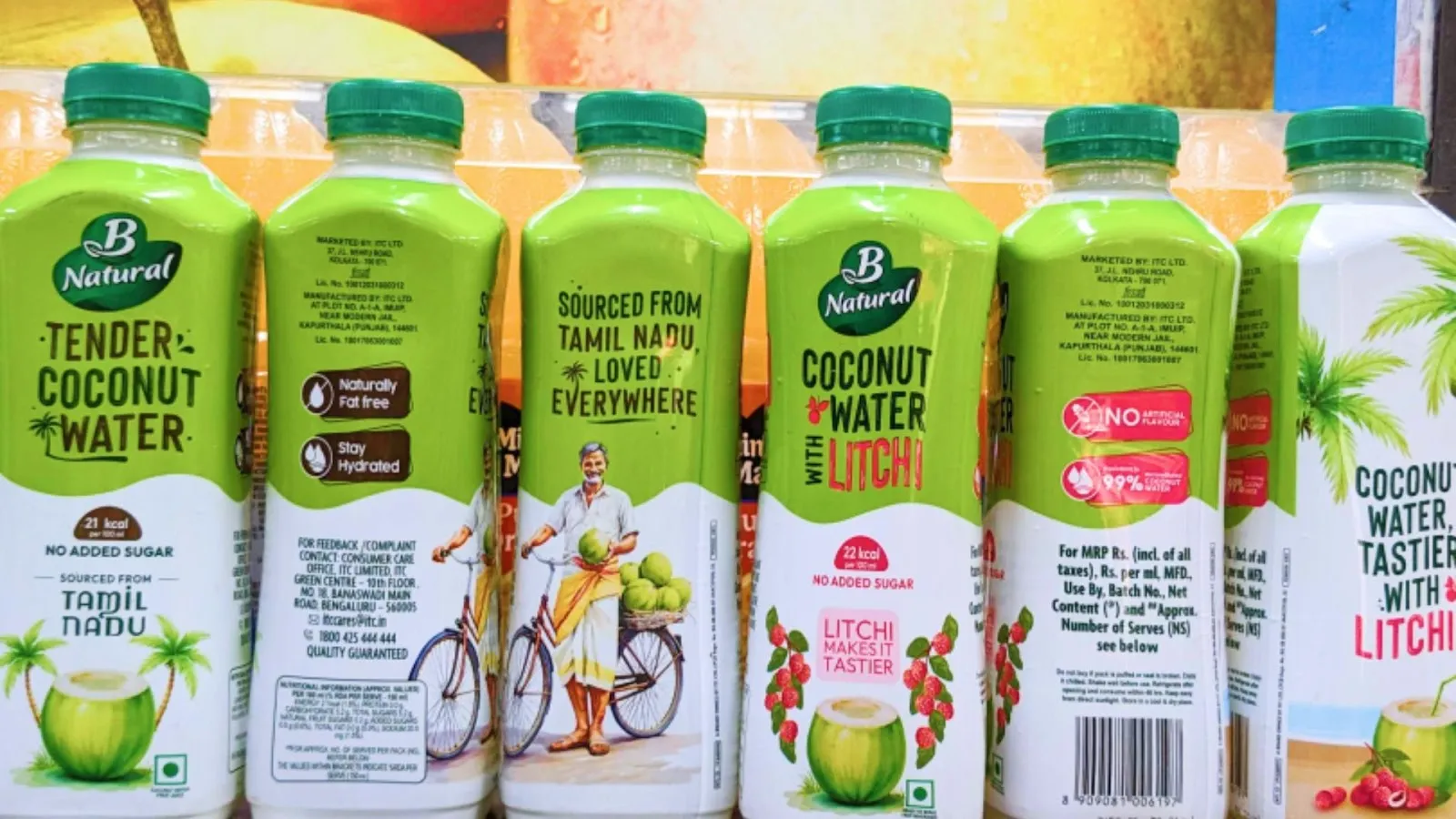
Here’s a breakdown of how packaging design impacts sales across different channels:
Standing Out in a Crowded Shelf
The average grocery aisle contains 30,000+ products competing for attention.
With this visually overload, visibility becomes the key driver of sales.
High-contrast colors, bold typography, and clear branding help products break through the clutter.
Simple designs outperform complex ones because shoppers scan shelves quickly.
Unique shapes and strong color blocking create instant differentiation.
Example: Tony's Chocolonely uses bold, unconventional colors and layouts to stand out in the chocolate aisle and reinforce brand recognition.
Packaging for Impulse Purchases
Impulse buying happens in seconds and is driven by emotion rather than logic.
Effective packaging uses bright callouts like “New” or “Limited Edition” to create urgency.
Transparent windows build trust by letting shoppers see the product inside.
Small pack sizes reduce risk and encourage trial. When excitement and clarity combine, impulse conversions rise.
Eye-Level Optimization Strategies
Packaging must be readable from 3 to 6 feet away, with large logos and bold headlines.
If shoppers cannot identify the product quickly, they move on.
Shelf placement plus strong packaging design has a direct impact on conversion rates.
In e-commerce, customers do not touch the package before buying.
Packaging instead influences reviews, repeat purchases, and long-term brand perception.
Unboxing Experience and Social Sharing
Unboxing has become a marketing channel.
Customers share premium packaging on social media, creating organic exposure.
Custom inserts, thank-you cards, and branded tissue paper increase perceived value and emotional connection.
A positive unboxing experience strengthens loyalty and customer lifetime value.
Photography-Friendly Packaging
Online shoppers first see packaging in photos and thumbnails.
Clean design, strong color contrast, and readable text improve click-through rates.
Overly detailed or cluttered packaging loses clarity at small sizes. Simple, bold designs perform better in digital environments and encourage user-generated content.
Durability for Shipping
Damaged packaging damages brand trust.
E-commerce packaging must protect the product through shipping and handling.
Sturdy materials reduce returns and negative reviews. Secure seals increase confidence and signal professionalism and quality.
Sustainable E-Commerce Packaging Trends
73% of online shoppers consider sustainability when choosing brands.
Minimal packaging reduces waste and shipping costs. Recyclable boxes and compostable inserts improve brand perception.
Sustainability builds trust with environmentally conscious buyers, which directly supports repeat purchases.
DTC brands bypass retail, using packaging as primary brand communication.
DTC packaging strategies drive 3-5x higher customer lifetime value.
Brand Storytelling Through Packaging
DTC packaging frequently tells a story.
It explains the brand mission, values, and authenticity. Clear storytelling builds emotional connection.
When customers feel aligned with a brand’s purpose, loyalty and repeat purchases increase.
Personalization Opportunities
Personalized packaging increases engagement and perceived value. Using the customer’s name or including custom messages creates surprise and delight.
These personal touches encourage social sharing and referrals. Feeling recognized builds long-term loyalty.
Subscription Box Packaging Strategies
Subscription brands depend on repeat excitement. Packaging must feel special every time. Limited-edition designs and seasonal themes maintain novelty.
Layered packaging builds anticipation during unboxing. Consistent branding ensures recognition, while small variations keep the experience fresh.
Strong subscription packaging improves retention, and retention drives long-term revenue growth.
Strategic packaging optimization can increase sales without changing the product inside.
Here's the 5-step process we follow at Confetti Design Studio to transform your packaging into a powerful sales tool.
Competitor packaging analysis reveals market gaps worth millions in untapped sales.
Strategies to adopt include:
Visit 3–5 stores, photograph every competitor, and assess color dominance, structural patterns, information hierarchy, materials, and white space. Look for sameness, those patterns signal opportunity.
Online, analyze Amazon best sellers, review packaging complaints, track listing imagery, scan Google Images for evolution, and monitor #[Category]Unboxing trends for shareable designs.
Map brands on Premium/Value × Traditional/Innovative axes—the least crowded quadrant is your growth space.
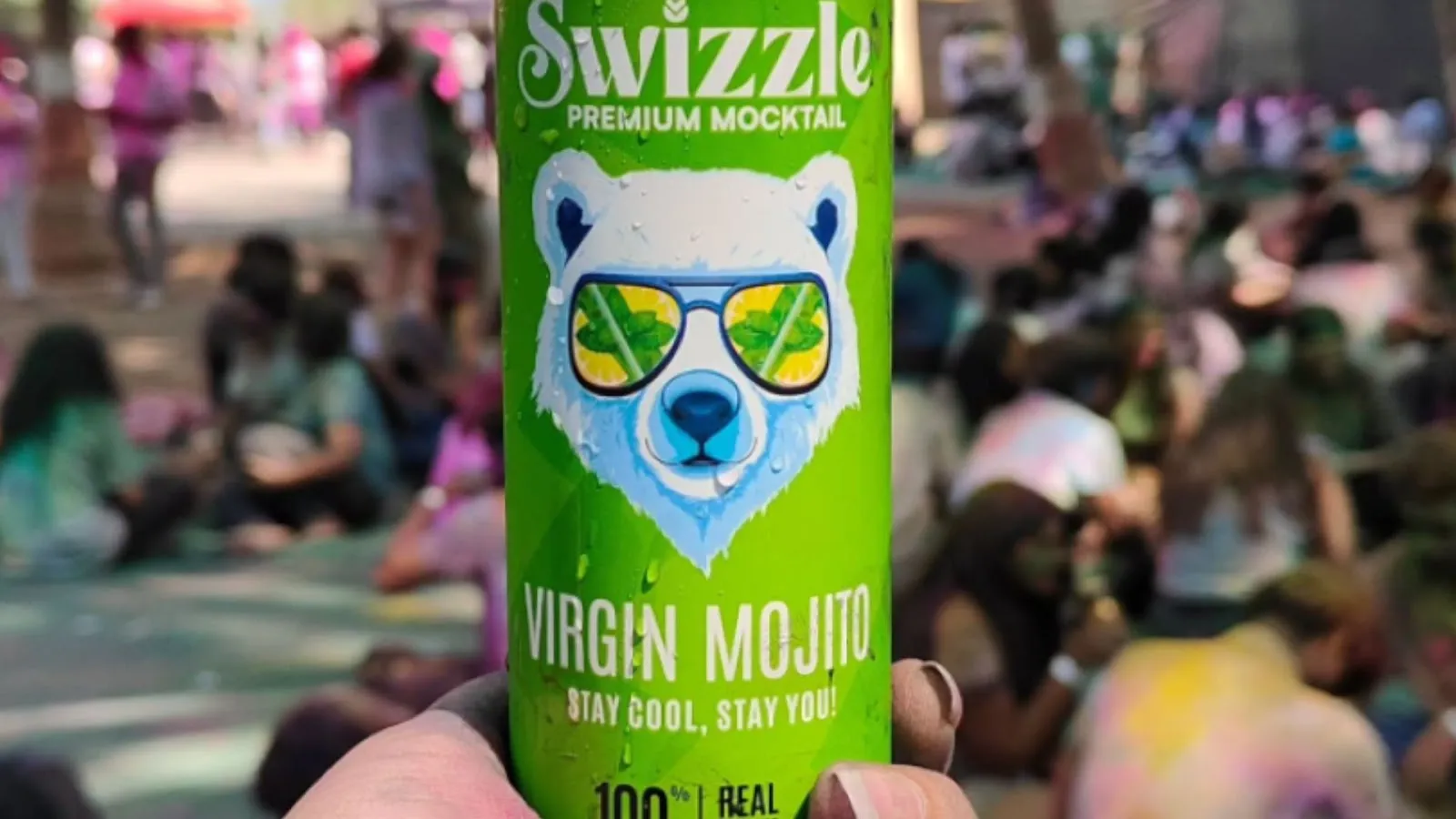
Confetti specializes in identifying these strategic gaps. Our work with brands like Swizzle demonstrate how category-disrupting packaging creates instant shelf differentiation and sales lifts.
Your packaging should answer: "Why should I choose THIS package?" This goes beyond product benefits to packaging-specific advantages.
Brand Positioning Through Packaging
Premium packaging justifies 18-35% price premiums.
Premium positioning: heavy materials, metallic finishes, sophisticated colors like black or gold, and minimal text with ample white space to convey luxury and exclusivity.
Value positioning: lightweight, cost-effective materials, bright colors, clear benefit messaging, and “more for less” visual cues to communicate affordability and practicality.
Differentiation Strategies
Visual Differentiation: Opposite colors, unique shapes, contrasting textures
Higher visibility → more product handling → higher conversion rate → stronger repeat purchases.
Functional Differentiation: Resealable, measuring, reusable features competitors lack
Better user experience → higher satisfaction → increased repeat purchases and positive word-of-mouth.
Values Differentiation: Sustainability, local sourcing, social impact visible on package
Emotional alignment + trust → stronger brand loyalty → higher lifetime customer value.
Color is your fastest communication tool, but it must be industry-specific.
A vibrant, saturated palette can signal fun and energy for a beverage, while muted tones convey trust for a wellness product .
However, color must work in harmony with layout.
Confetti’s audit of The Whole Truth foods highlights the importance of "information hierarchy" guiding the consumer's eye to the most important message first to avoid "communication overload".
A clear visual flow ensures your story is understood in seconds.
One of the leading trends in packaging design is the growing consumer demand for sustainable, eco-friendly packaging solutions.
The challenge is using eco-friendly materials like recycled paper or biodegradable plastics without sacrificing shelf appeal.
While consumer demand for "green packaging" surges, the key is to make sustainability part of the aesthetic.
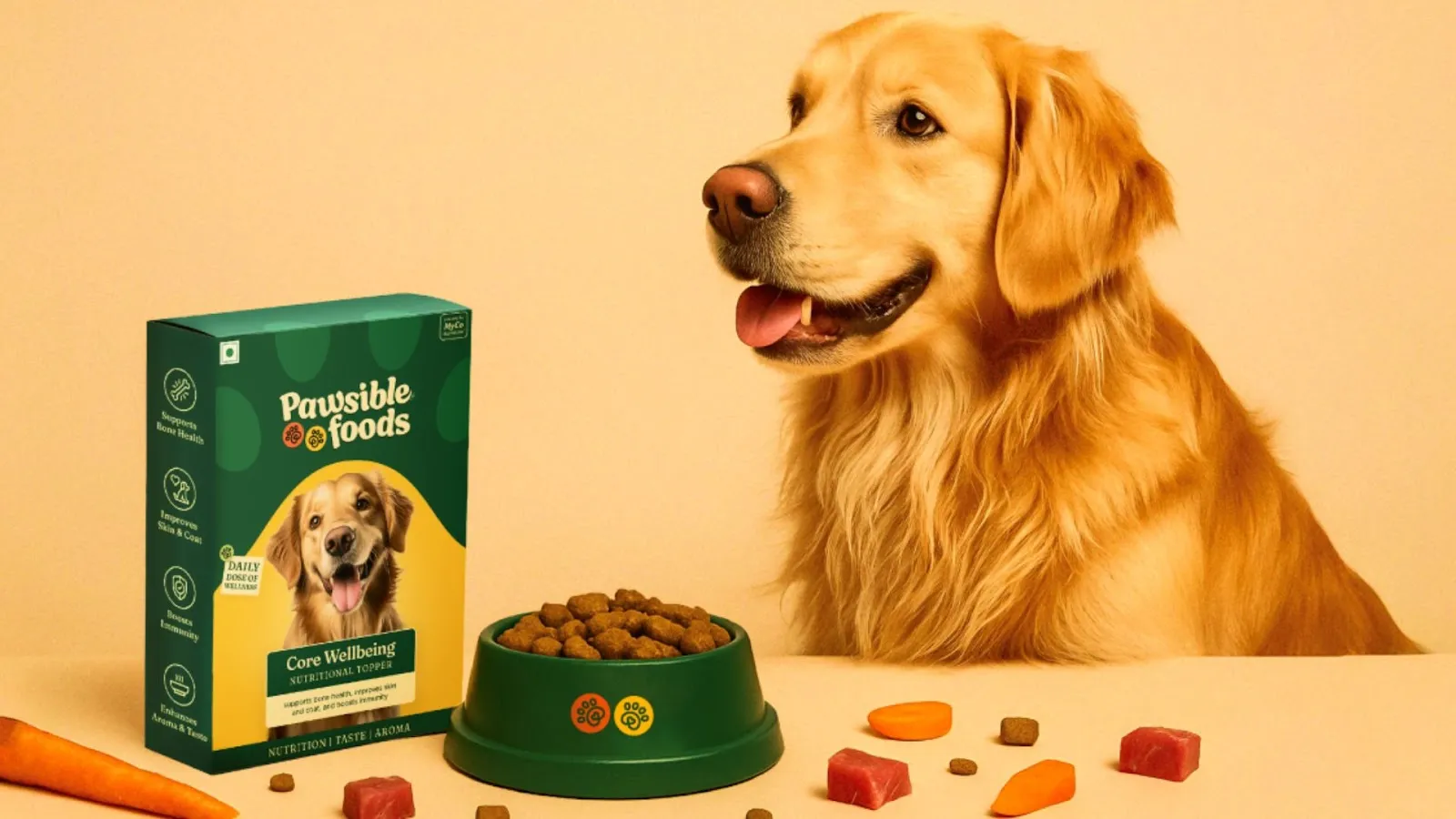
Confetti’s work, including their globally recognized designs for brands like Pawsible Foods, demonstrates how to blend purpose with premium design, ensuring eco-conscious choices enhance the brand story rather than detract from it .
The final step is validation. Assumptions kill sales. Data drives growth.
Run A/B shelf tests in 3–5 stores (500+ units per design); a +15% sales difference signals a winner.
Use online surveys (200+ target customers) to measure preference, purchase likelihood, and emotional response, plus focus groups for handling and readability insights.
Post-launch, track sales lift (+18% justifies redesign), market share shifts, price sensitivity, and repeat purchases.
These real-world case studies reveal the specific design decisions that delivered measurable sales increases, market share gains, and brand value growth:
The Challenge: Tropicana attempted a complete packaging overhaul in 2009 to modernize their iconic orange juice brand.
What Went Wrong in the Redesign:
Results:
Recovery Redesign:
Recovery Results:
Key Lesson: Familiarity drives sales. Radical departures from established visual equity cost millions. Evolution, not revolution, wins in mature categories. Brand recognition elements are sales-critical assets, not just decoration.
The Challenge: Enter the $30 billion cleaning products market dominated by Clorox, P&G, and other legacy brands with generic packaging.
What Was Done Right in Redesign:
The Results:
Key Lesson: Category-breaking design creates blue ocean opportunity—when competitors look identical, radical differentiation commands premium pricing and drives trial purchases. Design became Method's primary competitive advantage, not product formulation.
The Challenge: Make oat milk appealing in dairy-dominated beverage market.
The Strategic Redesign:
The Results:
Key Lesson: Personality drives loyalty in commodity categories when products are functionally similar, packaging attitude creates differentiation. Humor and authenticity build communities, not just customer bases.
How much does packaging design affect sales?
Studies show packaging design influences 72% of consumer purchase decisions. A well-executed packaging redesign can increase sales by 20-30% on average, with some brands experiencing up to 40% sales lift.
What is the most important element of packaging design for sales?
Color is the most impactful element, influencing 85% of purchase decisions within the first 90 seconds. However, successful packaging combines color, typography, material quality, and shape for maximum sales impact.
How does packaging design impact consumer buying behavior?
Packaging design triggers emotional responses through color psychology, creates brand recognition, communicates quality and value, and influences impulse purchase decisions at the point of sale.
Does sustainable packaging design increase or decrease sales?
Sustainable packaging increases sales among 73% of consumers (2026 data), particularly Millennials and Gen Z. However, it must maintain visual appeal and quality perception to avoid negative sales impact.
How does e-commerce packaging differ from retail packaging in driving sales?
E-commerce packaging focuses on unboxing experience, social shareability, and shipping durability. Retail packaging prioritizes shelf visibility, quick comprehension, and impulse appeal. Both impact sales but through different psychological triggers.
Want strategic branding and packaging like this for your business?





.webp)
.webp)

.webp)
.webp)
.webp)
.webp)
.webp)





.svg)
.webp)
.svg)
.webp)