%201.webp)
02
AI Snaps
.svg)
.svg)
01
Our Work

03
About Us
05
Contact Us
06
Client Success

07
Blogs
08
Careers
Book A Call



.svg)
Need Help In Building Your Brand?
Click the button below & book a call with our founder directly.

Rishabh Jain
Managing Director
Food and beverage packaging design has a deep influence on purchase decisions at the point of sale.
It combines aesthetics, functionality, and brand storytelling to create memorable product experiences that drive consumer engagement and sales.
In this guide, you’ll learn the key principles, trends, and strategies behind CPG packaging design that attracts attention and boosts results.
Food and beverage packaging design is the process of conceptualizing, creating, and optimizing the exterior for food and drink products.
The design covers everything a consumer sees and touches when they encounter a product on a shelf or online.
It requires an understanding of structural engineering, graphic design, regulatory compliance, and consumer psychology into one system that protects the product and sells it.
Food and beverage packaging design has three core dimensions:
Food and beverage packaging design directly affects purchasing decisions, brand perception, and long-term business growth.
In retail and eCommerce, packaging is often the only marketing touchpoint that reaches 100 percent of buyers.
Here is why it matters so much:
✔️Acts as a Silent Salesperson
Shoppers typically spend 3 to 7 seconds deciding which product to pick from a shelf.
Without effective packaging, the product blends into the background. With strong packaging, color and structure grab attention instantly.
✔️Differentiates You in Crowded Markets
In categories like cereal, bottled water, or snacks, products are often similar in ingredients and price.
Packaging creates visual positioning such as:
✔️Builds Brand Identity and Trust
Packaging is the physical expression of your brand values.
Consumers judge product quality by packaging quality. Poor packaging design often leads to assumptions of low-quality food inside.
✔️Improves User Experience and Functionality
Great packaging design is also about usability.
Bad usability causes frustration and damages brand loyalty, even if the product tastes good.
✔️Supports Digital and E-Commerce Sales
Packaging design must also stand out digitally. The design must look attractive in online product photos, support unboxing experiences and encourage social sharing and reviews
Instagram-friendly packaging generates free marketing through customer posts and influencer content.
.webp)
Effective food and beverage packaging design functions like an ecosystem.
If one element fails, the entire package fails.
At Confetti Design Studio, we design food and beverage packaging built on the following essential principles of effective design:
If the package does not work physically, the consumer will not buy it again.
Product Protection and Preservation: Packaging must protect food from moisture, oxygen, light, bacteria, and contamination to ensure safety, freshness, and shelf life (e.g., vacuum-sealed coffee bags with one-way valves).
Ergonomics and Usability: Must suit real-life use with easy grip, opening, resealing, and portion control to improve convenience and reduce waste (e.g., stand-up zipper pouches).
Shelf Visibility and Structural Identity: Unique shapes and structures to build brand recognition and help products stand out. (e.g)instantly recognizable Coca-Cola contour bottle).
These tools that capture attention and convey meaning within seconds.
Color Psychology: Instantly signals flavor and quality. For example, green = natural, red and yellow = appetite, black and gold = premium, and blue = freshness.
Typography and Hierarchy: Shoppers must understand the product in seconds through clear brand focus, product description, highlighted variants, and easy-to-read text.
Photography vs. Illustration: Photography depicts freshness and indulgence, illustration can be used for craftsmanship, and custom visuals build authenticity.
Appetite Appeal and Transparency: Clear windows or glass packaging build trust by showing product quality and reassuring customers.
These elements shape perception and drive buying decisions subconsciously.
Visual Weight and Balance: Clean, minimalist packaging with negative space signals quality and sophistication. Clutter suggests lower value.
Storytelling and Origin: Regional cues, founder stories, and sourcing details build emotional connection and trust.
Implied Quality Through Materials: Texture and finishes, such as soft-touch, kraft paper, matte, or gloss impact perceived value and must align with the brand promise.
Packaging is also a legal document.
Mandatory Information Panels: Allergen warnings, ingredients, and nutrition facts must be clear and visible to meet legal and ethical standards.
F-Pattern Layout: Placing the brand, key claims, hero image, and regulatory details in a structured layout improves clarity and quick understanding.
Iconography: Simple, recognizable icons like vegan, recyclable, or organic ecpress faster than words and should not require explanation.
Your product family should feel connected.This improves navigation and builds brand recognition.
Consistency should be applied to
These elements were optional years ago but are now essential.
Sustainability Communication: Packaging must clearly show and prove it. Use of monomaterial structures for recyclability, clear recycling instructions, and minimal outer packaging. Certifications and recycling icons boost credibility.
Digital Shelf Optimization: Packaging must perform online as well as in-store. Design must have mobile-friendly text readability, high contrast on white backgrounds, reduced glare from glossy finishes, and strong thumbnail visibility. Amazon and D2C platforms demand packaging that sells at small sizes.
Even the best design must be commercially viable. Over-engineered packaging increases expenses without adding value.
Smart packaging design balances:
Modern packaging goes beyond the product itself. QR codes, social handles, and website links drive deeper engagement.
Keep them subtle.
A small side-panel QR code or clear Instagram handle encourages sharing without clutter. Hashtags, contests, and limited editions add excitement and turn customers into brand ambassadors.
To test if packaging design is effective, ask these five questions:
1. Bold Maximalism and Dopamine Design
High-energy, vibrant packaging using clashing colors, busy patterns, and joyful excess.
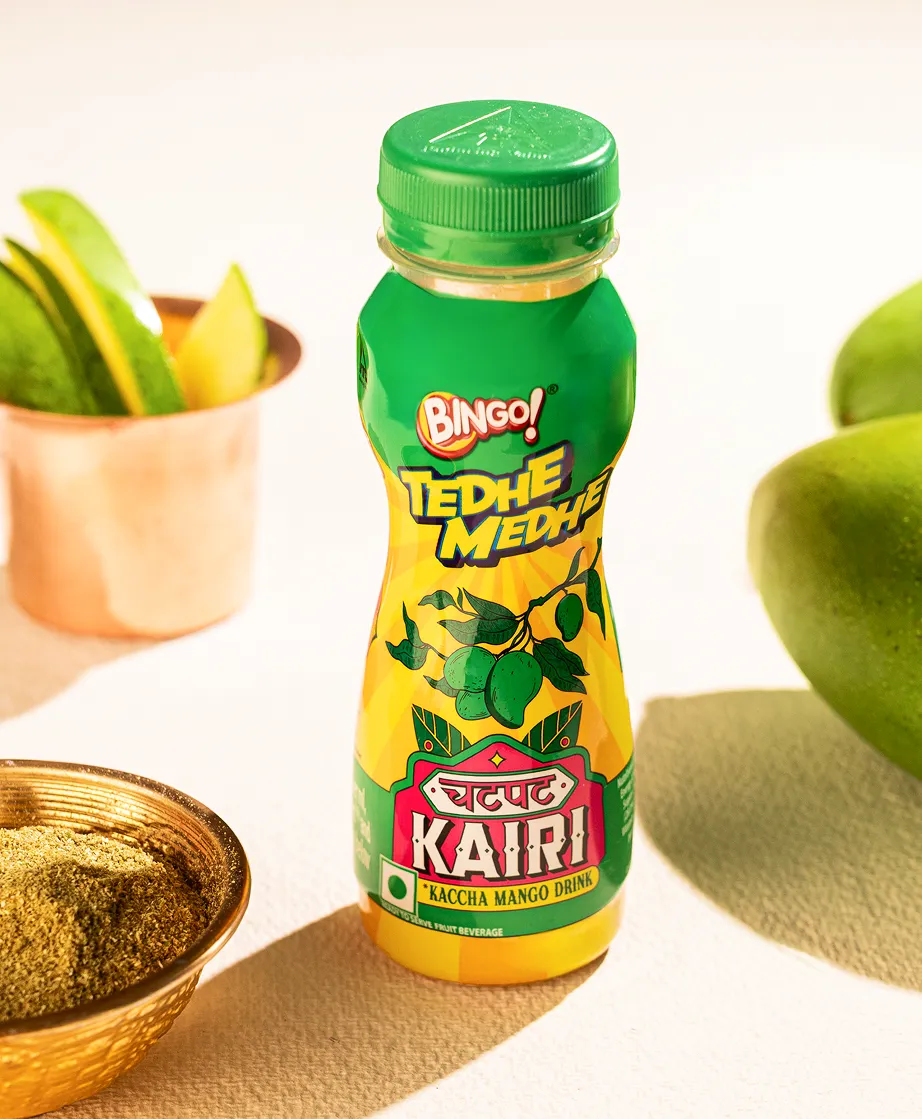
Opposite of minimalism, this celebrates visual abundance, colors, and Y2K aesthetics to trigger happiness and stand out on crowded shelves like what we did for Bingo Chatpat Kairi
Use Cases: Energy drinks, candy brands, Gen Z snack foods, craft sodas, festival/party beverages
2. Interactive Packaging Design
Featuring QR codes, NFC chips, and digital triggers linking to brand stories, recipes, sustainability data, loyalty programs, and traceability information.
Bridges physical products with digital experiences.
Use Cases: Wine bottles, premium coffee, craft beer, health supplements, organic products
3. Transparent Showcase Packaging
Clear windows, full transparency, or translucent materials letting consumers see the actual product.
"Nothing to hide" philosophy building trust through visibility and quality demonstration.
Use Cases: Artisanal pasta, premium nuts, fresh juices, salad kits, organic snacks, craft condiments
4. Nostalgic Retro Revival Design
Vintage aesthetics from the 60s through 90s eras.
Heritage branding, throwback typography, and classic design elements evoking emotional connections and celebrating brand history or cultural memories.
Use Cases: Classic soda brands, heritage alcohol, vintage candy reissues, old-fashioned beverages, comfort foods
5. Edible and Dissolvable Packaging Innovations
Revolutionary materials made from seaweed, rice, potato starch, or other edible/compostable substances.
Completely eliminates packaging waste by making containers consumable or naturally biodegradable.
Use Cases: Condiment sachets, water pods, sauce containers, seasoning packets, supplement capsules
6. Premium Luxury Materials and Finishes
Holographic effects, metallic foils, embossing, soft-touch coatings, and iridescent color-shifting finishes creating ultra-premium positioning.
Multi-sensory tactile experiences justifying higher price points.
Use Cases: Craft spirits, premium chocolate, luxury teas, specialty coffee, artisanal olive oil, champagne
7. Personalization and Mass Customization
Custom names, messages, or designs on individual packages.
Technology-enabled personalization at scale creating emotional connections and social sharing moments.
Use Cases: Gift beverages, celebration products, seasonal items, promotional campaigns, special occasions
8. Circular Economy and Refillable Systems
Returnable containers, refill station compatibility, and closed-loop packaging models.
Durable packages designed for multiple uses with infrastructure supporting collection and refilling.
Use Cases: Cleaning concentrates, bulk foods, beverages, personal care, household products, grocery staples
9. Wellness and Functional Benefits Highlighting
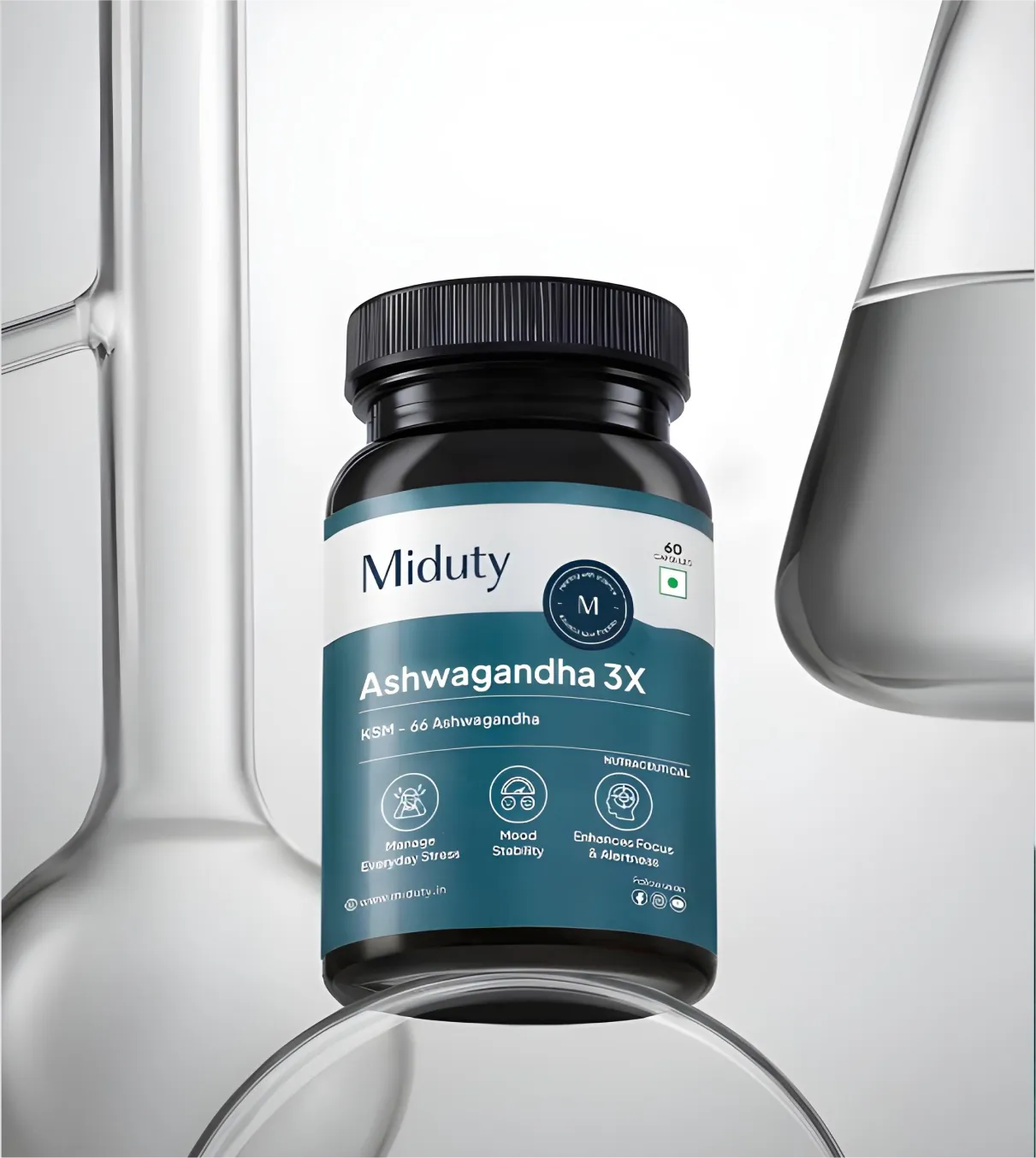
Prominent callouts for adaptogens, probiotics, vitamins, protein, and health benefits.
Function-first communication with clinical, science-backed design aesthetics emphasizing nutritional value.
Use Cases: Functional beverages, protein snacks, supplement-enhanced foods, probiotic drinks, adaptogen products
10. Limited Edition Collaborations and Artist Series
Special releases featuring artist collaborations, designer partnerships, celebrity endorsements, and seasonal variations.
Creates collectibility, urgency, and cultural relevance through exclusive designs.
Use Cases: Craft beer, energy drinks, premium spirits, coffee, sparkling water, seasonal foods
11. Gen Z and Internet-Culture Coded Design
Irreverent, meme-inspired, anti-corporate aesthetics speaking directly to digital natives.
Bold statements, internet humor, and deliberately unconventional design challenging traditional food marketing.
Use Cases: Energy drinks, canned water, alternative snacks, functional beverages, disruptor brands
12. Hand-Drawn Artisanal Illustration
Custom artwork, sketch aesthetics, and craft-focused hand-illustrated visuals celebrating human touch over digital precision.
Conveys small-batch, authentic, locally-made production values.
Use Cases: Craft beer, artisanal jams, local honey, farm products, specialty condiments, bakery items
13. Minimalist Eco-Conscious Design
Clean, restrained aesthetics combined with sustainable materials.
Purposeful simplicity emphasizing natural ingredients, transparency, and environmental responsibility through understated design.
Use Cases: Organic foods, plant-based products, natural beverages, health-focused snacks, eco-friendly brands
"Great food and beverage packaging walks a tightrope between stopping power and authenticity. Too bold, and you seem desperate. Too subtle, and you disappear.
So, we find the sweet spot where stunning design feels inevitable. where packaging is both surprising and somehow familiar. That's when you've nailed it."
- Rishab Jain, Founder, Confetti.design
Designing effective food and beverage packaging needs a well structured process that aligns brand strategy, creative design, engineering, and production.
Every successful packaging project begins with two questions:
Who is the target customer, and why should they choose this product?
This phase includes:
This phase explores multiple creative directions before refinement.
The result is a refined visual system ready for production.
Creative concepts are converted into manufacturable packaging.
For many CPG founders, the hardest decision is whether to build in-house or hire external specialists, and if so, who.
When to Hire a CPG Packaging Design Agency
Most brands hire agencies at two critical junctures:
What to Look for in Food Packaging Design Agencies
Not all designers understand the specific constraints of food and beverage.
Look for:
Budget Considerations and Pricing Models
Agencies typically charge via:
.webp)
✅Demonstrated F&B Specialization
Confetti brings extensive experience in Food & Beverage packaging design, delivering solutions that stand out on the shelf and connect with consumers.
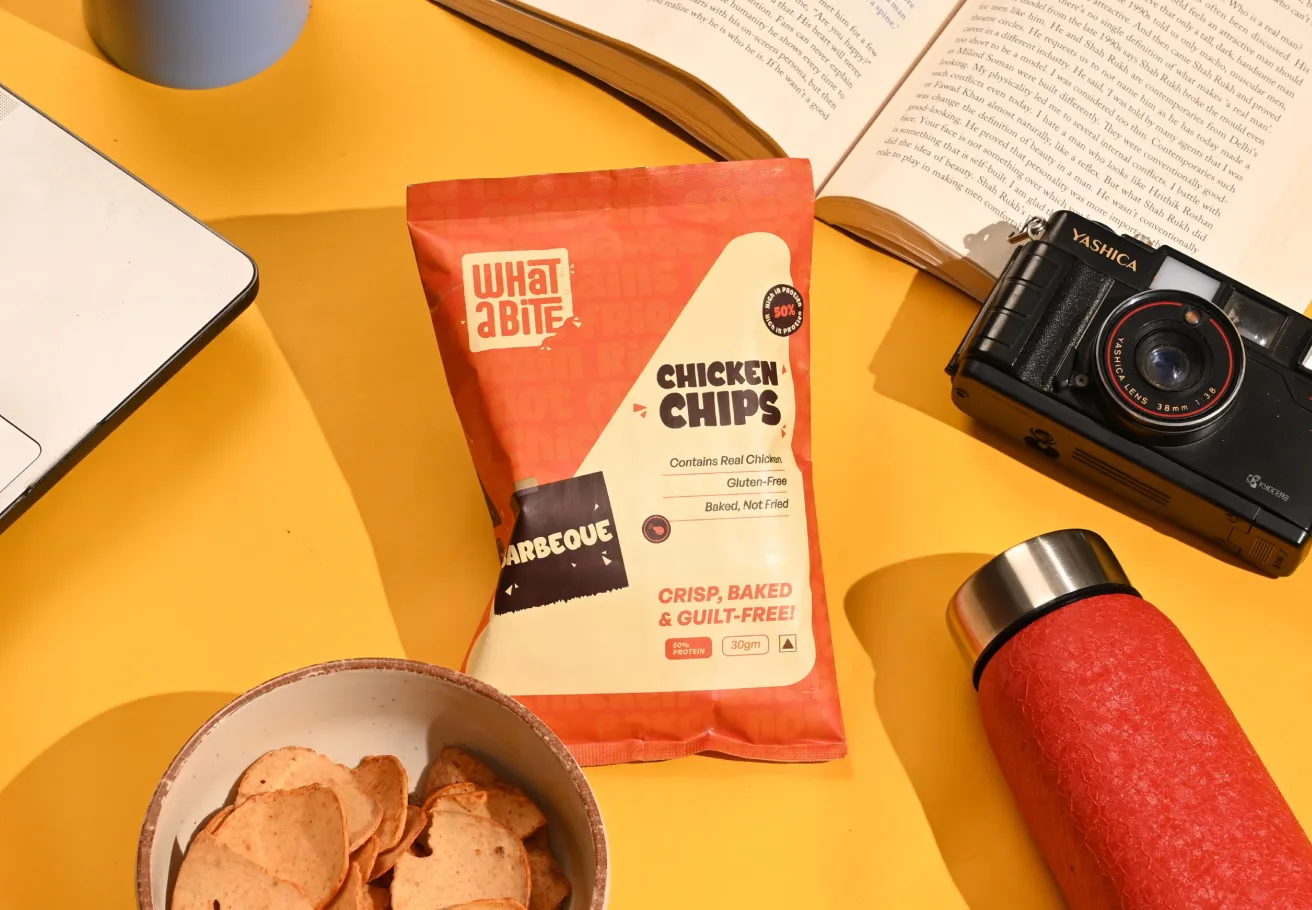
We’ve partnered with leading brands like ITC (Bingo!, B Natural) as well as dynamic D2C players such as WhatABite, Swizzle, and Pawsible Foods.
✅Unmatched Global Recognition
Our F&B projects have been featured in leading global platforms like Packaging of the World, World Brand Design Society, and The Dieline, validating their award-winning quality.
These are not vanity awards; they are the leading global publications that set the standard for packaging excellence.
✅End-to-End Process Alignment
Confetti handles the full journey, from research and iteration to production.
We ensure your product doesn't just win awards, but also wins on the shelf and survives the factory floor.
✅Founder-Led Collaboration
Led by Rishabh Jain, Confetti operates with a founder-led approach.
This ensures that important decisions aren't filtered through junior account managers; you get direct access to the creative leadership shaping the top 1% of global packaging.
Amul Butter
Amul’s iconic butter packaging, featuring the Amul girl, has been a staple in Indian households for decades. The design’s simplicity and nostalgic appeal have helped it maintain its popularity.
Tata Tea
Tata Tea’s packaging, known for its vibrant colors and images of tea leaves, has effectively conveyed a sense of freshness and naturalness to consumers.
Maggi Noodles
Maggi’s packaging design is instantly recognisable, with its bright red and yellow colors. The packaging emphasises the quick and easy preparation of the product, making it a household favourite.
Haldiram's Snacks
Haldiram’s has become synonymous with quality snacks in India. Their packaging uses traditional Indian motifs and vibrant colors to evoke a sense of authenticity and nostalgia
Paper Boat
Paper Boat’s packaging stands out with its nostalgic illustrations and storytelling. It brings back childhood memories and appeals to consumers’ emotions.
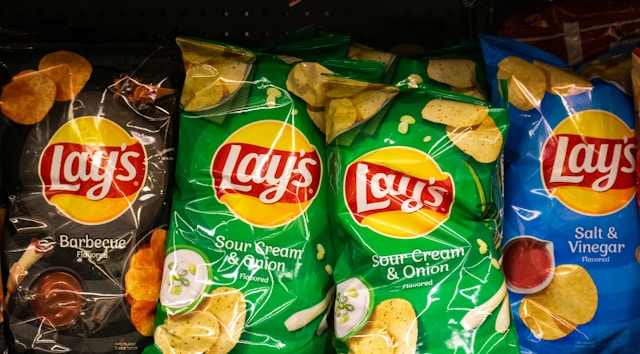
Lay's Chips
Lay’s has adopted various packaging designs that showcase local flavors and regional diversity, making it relatable to a wide range of consumers across India.
Saffola
Saffola’s packaging uses a clean, minimalist design with soothing colors, a prominent brand name, and a heart symbol to communicate trust, purity, and heart health. It combines appealing visuals with clear nutrition details and product information to reinforce its commitment to wellness and help consumers make informed choices.
Bournvita
Bournvita’s packaging is a blend of modernity and tradition, with images of active children and traditional Indian ingredients, reinforcing its position as a nutritious drink.
Dabur Honey
Dabur’s honey packaging highlights the product’s purity and naturalness with images of honeycombs and bees, appealing to health-conscious consumers.
Bisleri
Bisleri’s water bottle design is simple and iconic, focusing on the purity of the product. The brand has become synonymous with packaged drinking water in India.
What's the difference between food and beverage packaging design?
Food packaging design emphasizes product visibility, freshness, communication, and convenience features. Beverage packaging focuses on portability, resealability, and label design for cylindrical surfaces. Beverages often prioritize premium materials like glass or aluminum for brand positioning.
What makes food packaging design effective?
Effective food packaging design combines visual appeal, clear communication, functionality, and brand consistency. It should attract attention on shelves, communicate product benefits quickly, protect the product, and align with brand values while meeting regulatory requirements.
What are the best sustainable materials for food packaging design?
Top sustainable packaging materials include recycled paperboard, biodegradable plastics (PLA), compostable films, glass, aluminum, and plant-based materials. The best choice depends on product requirements, shelf life, and cost considerations.
Do I need a packaging design agency or can I DIY?
Small businesses with limited budgets can begin with DIY templates or freelance support. However, established brands or large-scale product launches gain a massive advantage from partnering with professional agencies, such as Confetti Design Studio, whose expertise in packaging design and branding helps maximize ROI and long-term brand impact.
How long does the packaging design process take?
The timelines range from 4-12 weeks depending on complexity. Basic designs can complete in 3-4 weeks, while comprehensive brand systems require 8-12 weeks including research, concept development, revisions, and production file preparation.
Want strategic branding and packaging like this for your business?





.webp)
.webp)

.webp)
.webp)
.webp)
.webp)
.webp)





.svg)
.webp)
.svg)
.webp)