%201.webp)
02
AI Snaps
.svg)
.svg)
01
Our Work

03
About Us
05
Contact Us
06
Client Success

07
Blogs
08
Careers
Book A Call



.svg)
Need Help In Building Your Brand?
Click the button below & book a call with our founder directly.

Rishabh Jain
Managing Director
Luxury packaging design principles transform ordinary products into premium experiences by using refined aesthetics and engaging the senses.
From using minimalist luxury packaging elements to communicate sophistication to decoding high end packaging design psychology, this guide helps you create upscale product packaging that drives commercial success.
Packaging design has a huge role to play in how we perceive products. Let’s understand
In high end packaging, every design decision is intentional and psychological. It differs drastically from standard packaging:
At Confetti, we offer strategic luxury packaging design services that combine design, psychology, and cultural insight to help brands boost perception and command premium value.
Luxury packaging design shapes perception, triggers emotion, and signals value even before a consumer even touches the product.
Operating at the intersection of sensory experience and social signaling, it directly influences perceived quality, pricing power, and long-term brand loyalty. Here’s how:
First Impressions, Perceived Value and Price Justification
Consumers judge products within seconds.
Clean layouts, meticulous alignment, high-quality materials, and visual restraint activate the halo effect: if the packaging feels premium, the product is assumed to be premium.
This helps justify the higher pricing, the packaging design essentially says "this product is worth the cost."
Social Signaling and Status
Iconic luxury packaging acts as a status signal.
A Tiffany blue box or Hermès orange bag communicates prestige instantly. These designs are protected symbols of identity and achievement.
The Endowment Effect
Beautiful packaging increases what economists call the "endowment effect", we value things more highly once we own them.
When packaging feels special, we're more likely to keep it, reuse it, and form emotional attachment to both the container and its contents. This deepens brand loyalty
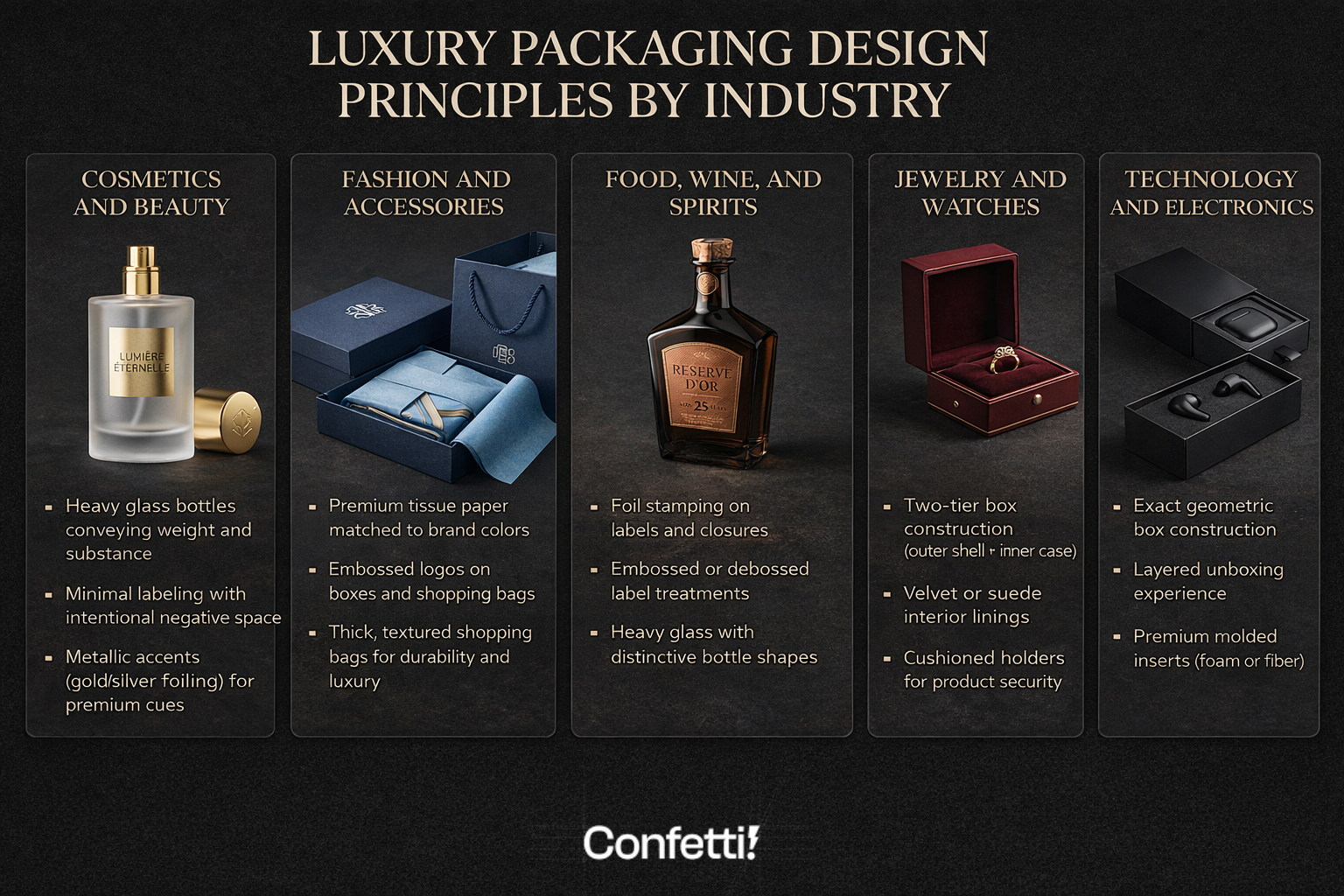
Luxury packaging design focuses on elevating everyday products into premium experiences.
These core principles are what elevate packaging into a premium experience, illustrated with real-world implementation examples:
Minimalism is one of the strongest visual signals of luxury. It assumes the consumer already knows the value.
Premium brands often adopt a minimalistic approach to luxury packaging - "the power of less”, focusing on clean lines, subtle colors, and just a few visual elements.
Minimalist luxury packaging stands out on crowded shelves because calm confidence design contrasts sharply with noisy competitors.
At Confetti, our experienced packaging design team strikes this balance. We remove the unnecessary and ensure that the packaging instantly communicates category, function, and premium positioning.
EXAMPLES:
Aesop, a luxury personal care brand, uses precise typography, muted tones, and generous whitespace to signal authority and premium positioning in mass retail environments.
Isharya is a jewelry brand that exemplifies modern luxury with its minimalist packaging. Their jewelry boxes are often adorned with clean lines, metallic finishes, and subtle branding.
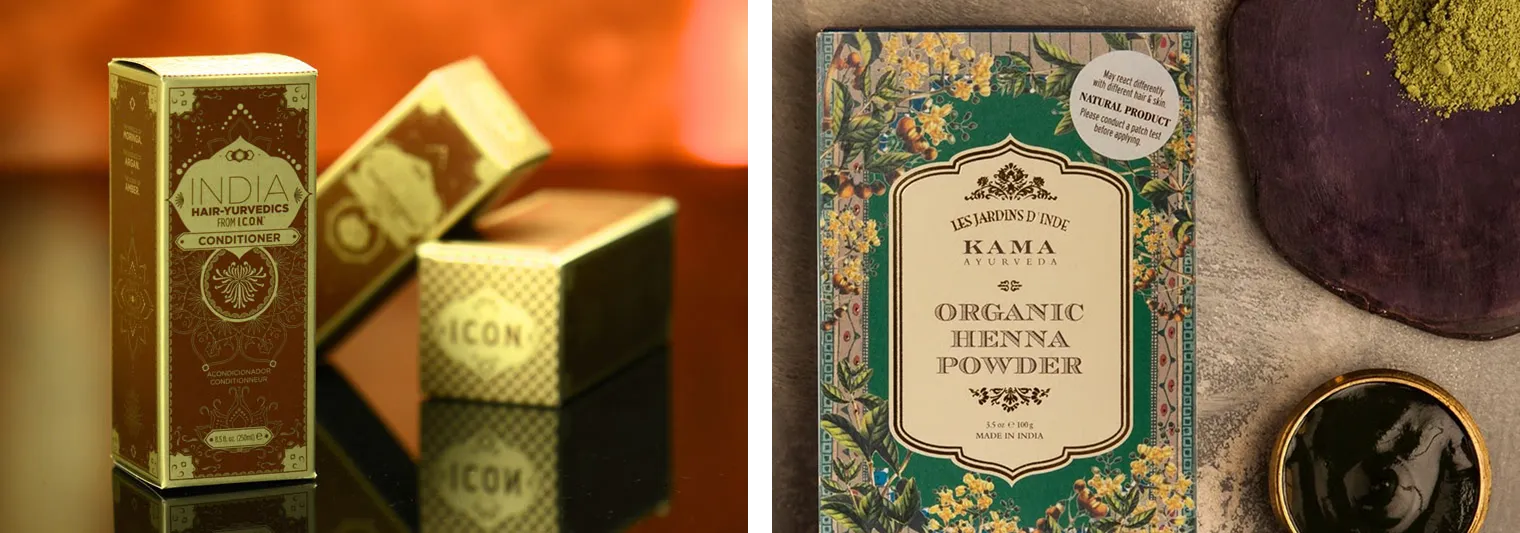
Many Indian FMCG brands adopt traditional motifs, classic patterns, and colors in their luxury packaging designs.
These designs evoke a sense of heritage and cultural richness, making the products stand out and feel more authentic to consumers.
Even new luxury brands borrow heritage cues to appear established and credible.
EXAMPLES:
ICON Brand timeless charm with traditional motifs and colors, encapsulating the elegance of India’s rich heritage.
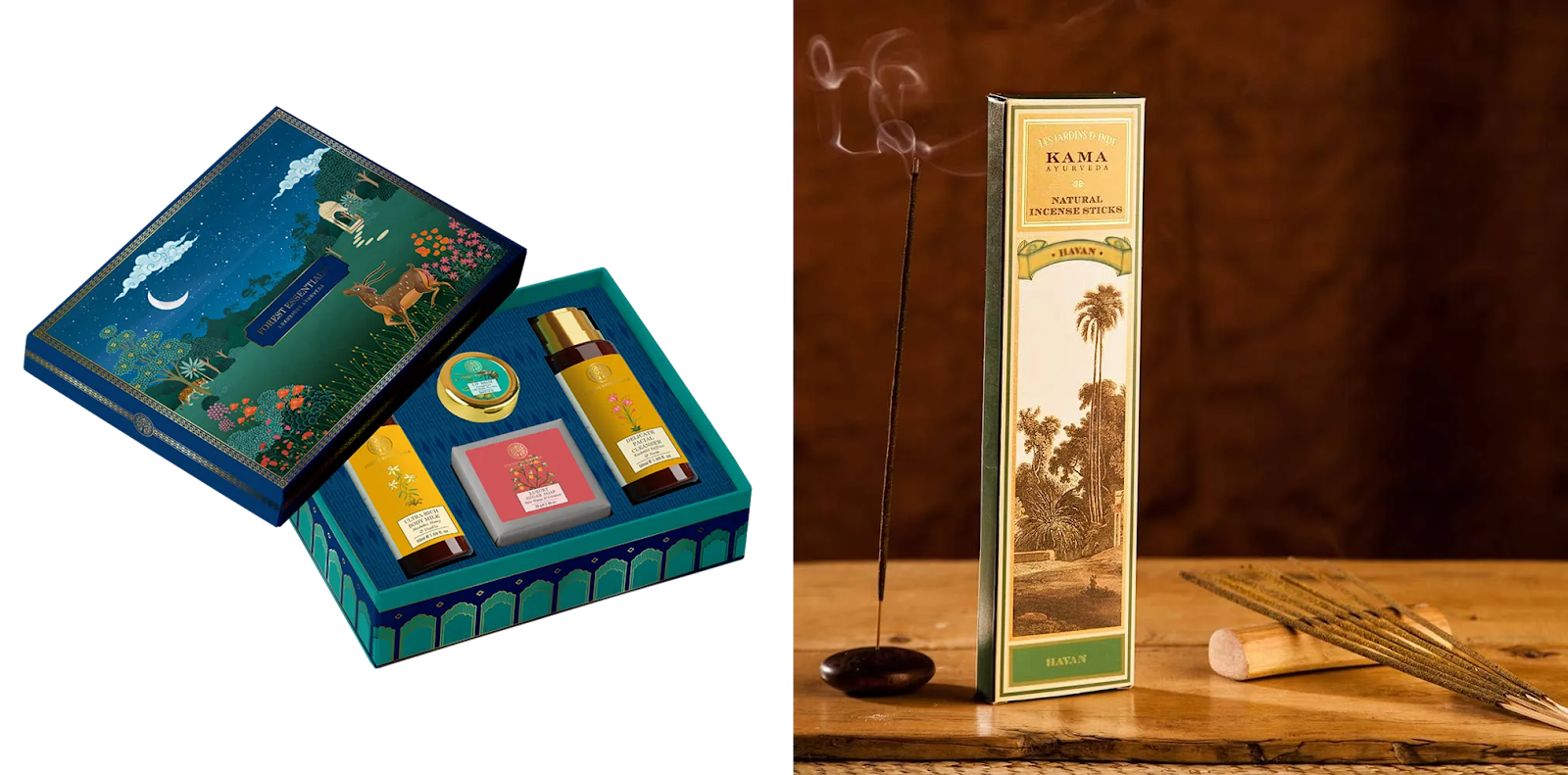
Kama Ayurveda’s packaging exudes traditional elegance with its use of rich, earthy tones and intricate design motifs.
Luxury packaging is the art of restraint.
Every millimeter of spacing, every finish tells your customer whether you understand true premium positioning or you're just pretending to be expensive.
Rishab Jain, Founder, Confetti Design Studio
Materials are one of the fastest ways consumers judge quality. If the packaging feels good, consumers assume the product inside is better.
Brands and renowned fashion designers incorporate luxurious materials like textured paper, silk, velvet, or even metal accents to create a sense of opulence.
Premium materials increase perceived value immediately and enhance shelf presence and hand-feel.
EXAMPLES:
Häagen-Dazs uses thick paperboard tubs with matte finishes and metallic accents to elevate everyday ice cream into a premium indulgence.
La Mer skincare relies on heavy glass jars and weighted caps to reinforce luxury through touch and material presence.
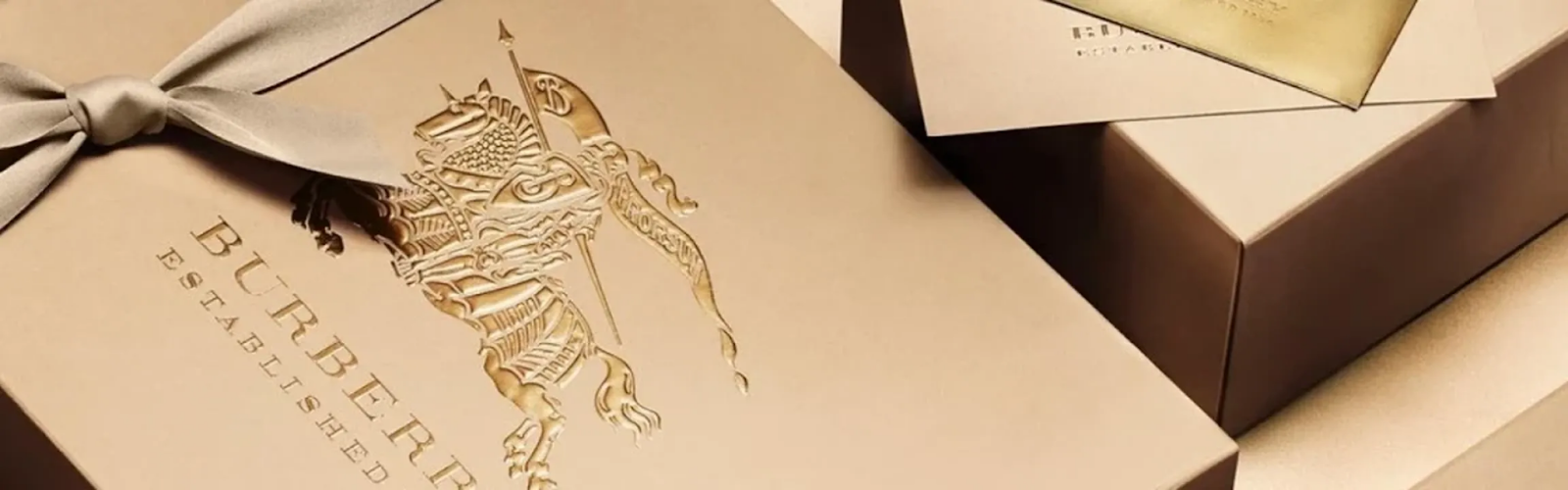
Luxury lives in the details. Precision signals craftsmanship and care. Poor finishing immediately breaks the luxury illusion.
Premium packaging designs often feature intricate detailing, such as embossing & debossing, foiling, magnetic closures or laser-cut designs.
These elements add a tactile dimension to the packaging, making it more engaging for consumers.
EXAMPLES:
Burberry, the British luxury fashion brand uses foiling and embossing on its product packaging in India to maintain its global luxury image.
Jo Malone fragrances apply consistent alignment, crisp labels, and refined finishes that reinforce meticulous brand standards.
Luxury brands rely on controlled, intentional palettes that reflect confidence, and premium positioning.
Excessive or overly bright colors can reduce perceived value and shift a product toward a mass-market feel.
Finish matters: matte surfaces suggest understated luxury and modern refinement, while gloss finishes are best used sparingly to accent key details.
Cultural context is critical: color meanings vary across markets, and experienced packaging design studios like Confetti help luxury brands adapt to locally resonant palettes while preserving prestige and consistency.
Here are some of the colours associated with luxury packaging design and branding:
EXAMPLES:
Diptyque uses black-and-white illustrations with restrained color accents to communicate Parisian luxury and artistic heritage.
The Body Shop’s premium ranges use deep greens and muted neutrals to signal natural quality with elevated positioning.
Typography in luxury packaging design silently communicates brand status.
Good typography feels effortless and refined. Poor typography feels cheap, even on expensive materials.
Luxury brands use generous letter spacing (tracking) to make the text feel "airy" and expensive. Tight text feels crowded and cheap.
Along with this, clear hierarchy, and thoughtful use of serif or sans-serif fonts ensure readability while maintaining a sophisticated, high-end aesthetic.
EXAMPLES:
Fortnum & Mason uses classic serif typography with generous spacing to reinforce heritage and trust.
Dior employs custom refined typefaces and careful hierarchy to create a sophisticated, high-end visual identity that feels exclusive and polished.
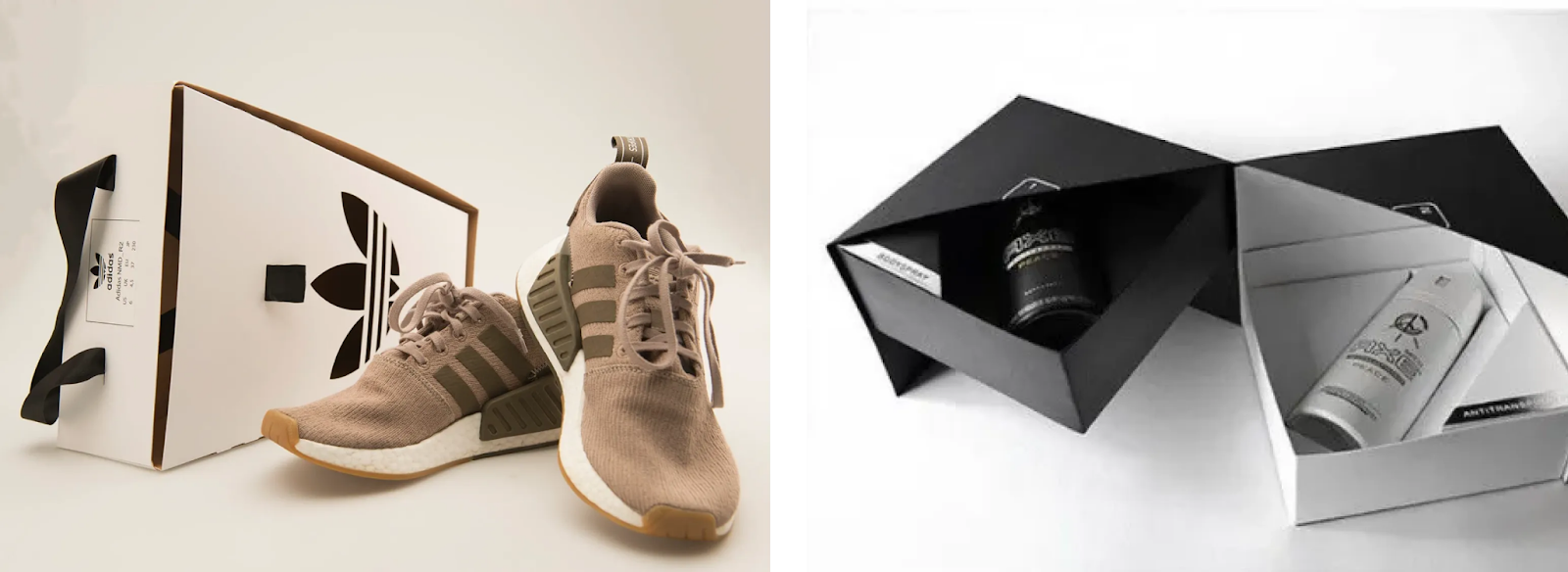
Unconventional packaging shapes and structures can captivate consumers’ attention.
High end brands are experimenting with innovative packaging forms that create memorability through form and also signal innovation and exclusivity
Custom molds, sculptural bottles, rigid constructions, and engineered openings make products feel special before they are opened.
When packaging looks different, the brain assumes the product is different.
EXAMPLES:
Adidas stands out with innovative and striking packaging shapes, merging functionality with eye-catching design.
Toblerone’s triangular prism structure breaks category norms and reinforces brand identity through form.
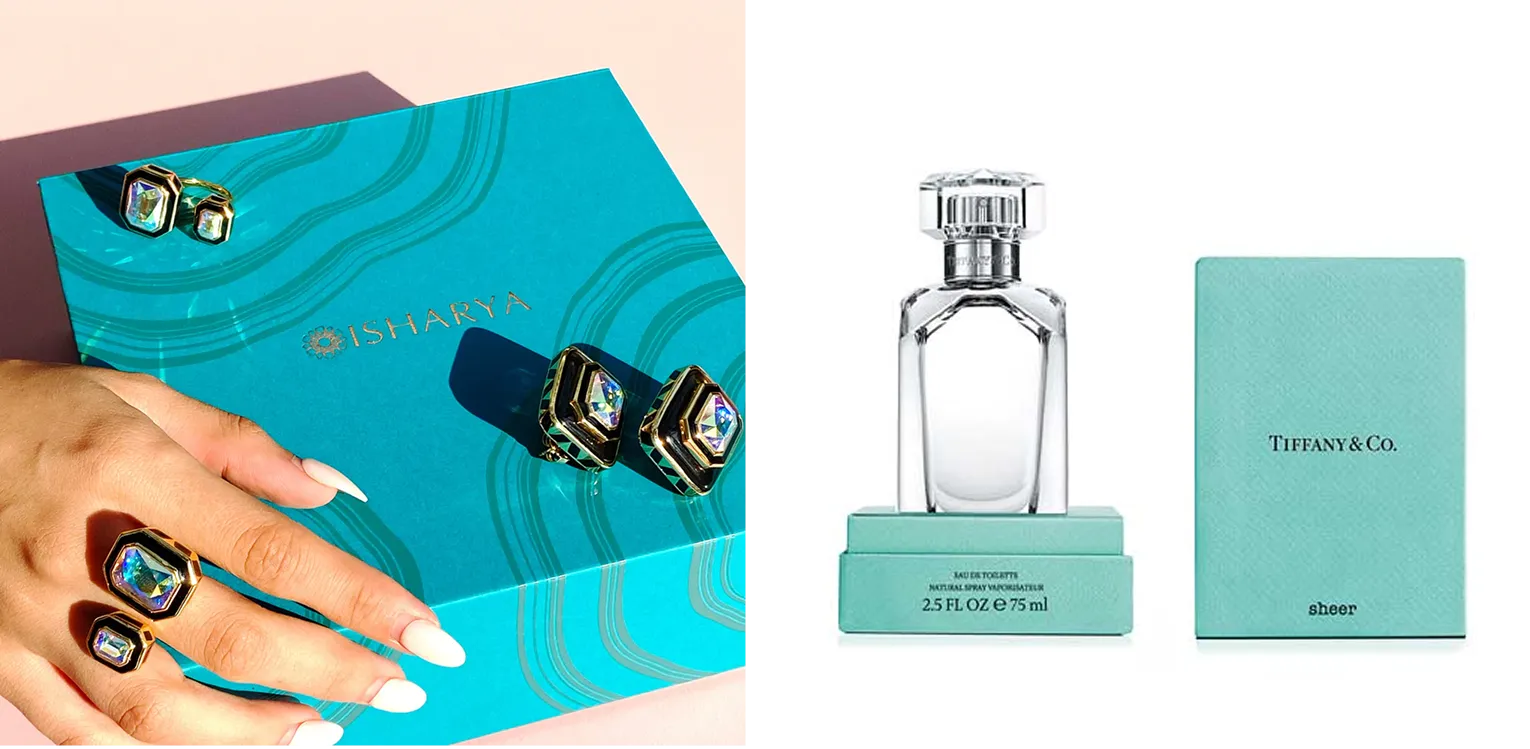
Prominent branding elements, such as logos and monograms, are integral to luxury packaging.
Their consistent use across products reinforces brand identity and recognition, making it easier for consumers to associate the product with the brand’s values and quality.
EXAMPLES:
Heinz QR code leads consumers to a trivia game to enter for a chance to win one of 57 eco-friendly prizes via Heinz’s “Guess What We Just Planted” sweepstakes.
Tiffany & Co. maintains its iconic blue across formats, sizes, and categories, making the packaging instantly recognizable.
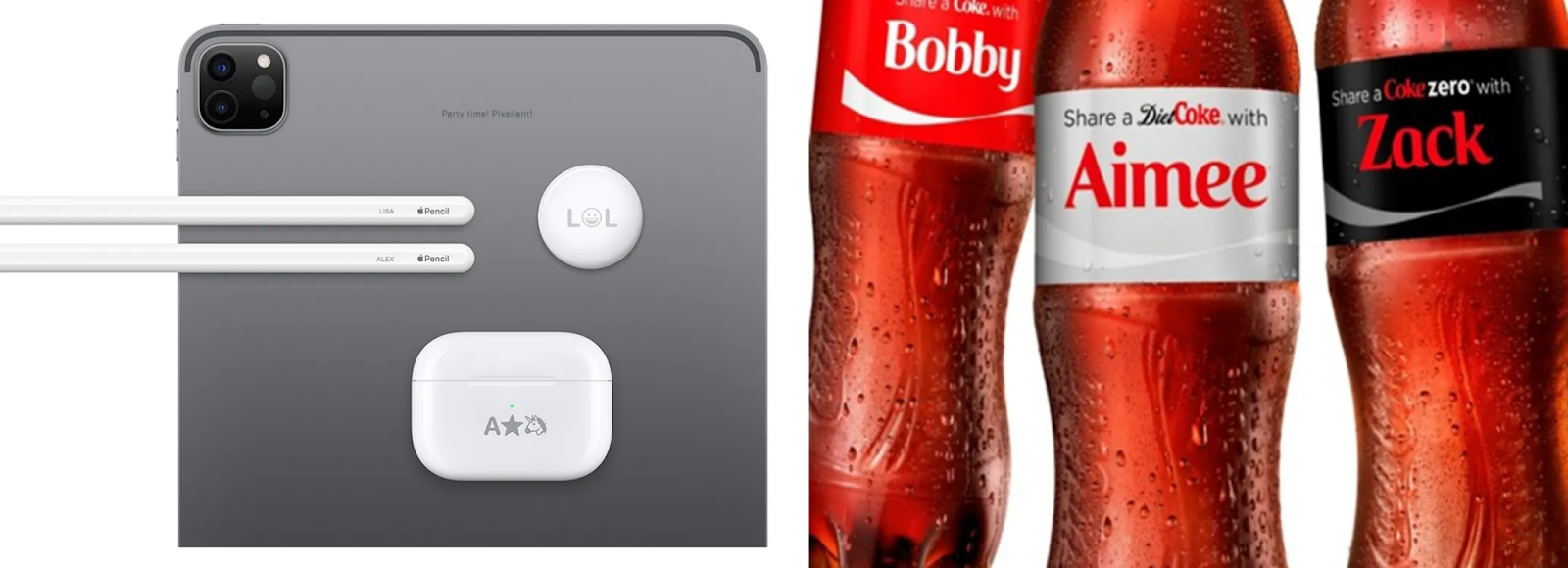
Personalization increases emotional value and perceived exclusivity. It makes consumers feel seen and turns a product into a personal gesture rather than a generic purchase.\
Many luxury brands’ packaging include space for handwritten notes, monogrammed ribbons, or custom inserts.
EXAMPLES:
Coca-Cola’s “Share a Coke” campaign proved that mass personalization can drive emotional engagement at scale.
Apple offers a unique personalization service, allowing customers to engrave their names on products like AirPods and Apple Pencil. This personal touch adds a sense of ownership and connection to the brand, making Apple a leader in customized technology.
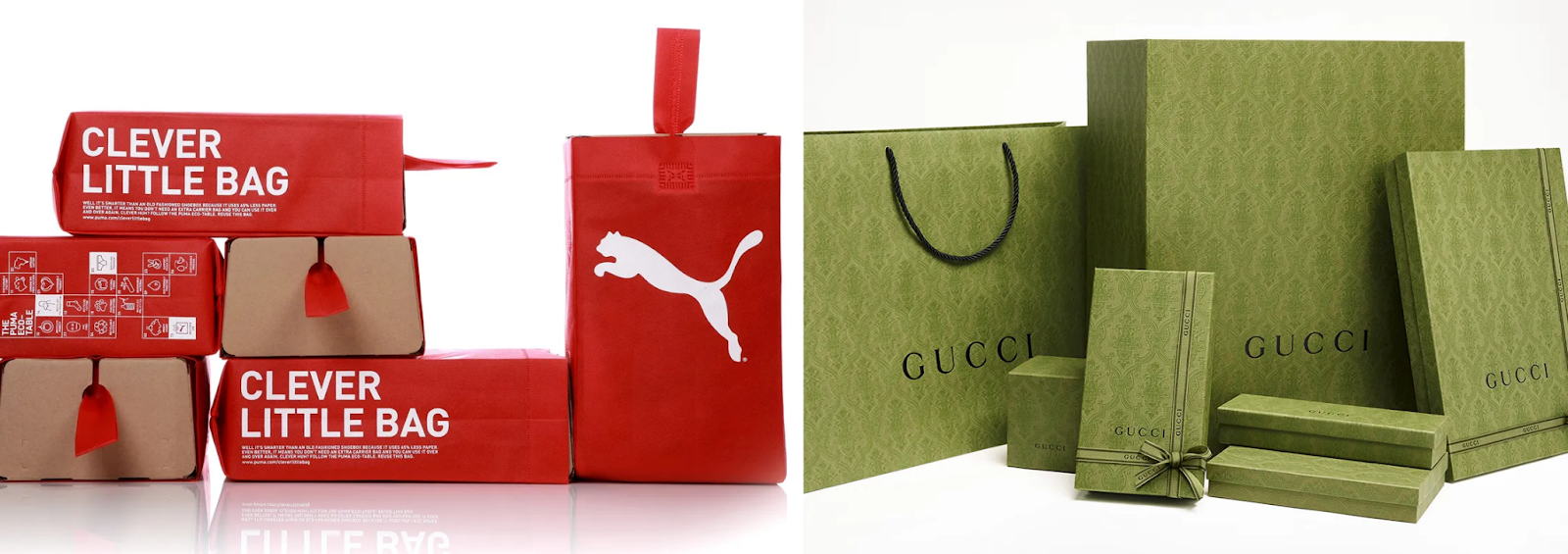
Sustainability is a growing concern among consumers.
Many premium brands are incorporating eco-friendly materials and design elements into their luxury packaging, showcasing their commitment to the environment.
Often sustainable luxury packaging focuses on recyclable or biodegradable materials, reduced unnecessary layers and ethical sourcing and transparency
EXAMPLES:
Puma’s cardboard packaging embodies sustainable luxury. It combines eco-friendly materials with a sleek design, reflecting the brand’s commitment to both style and the environment.
Gucci uses sustainable materials to deliver a luxurious, environmentally-responsible brand experience.
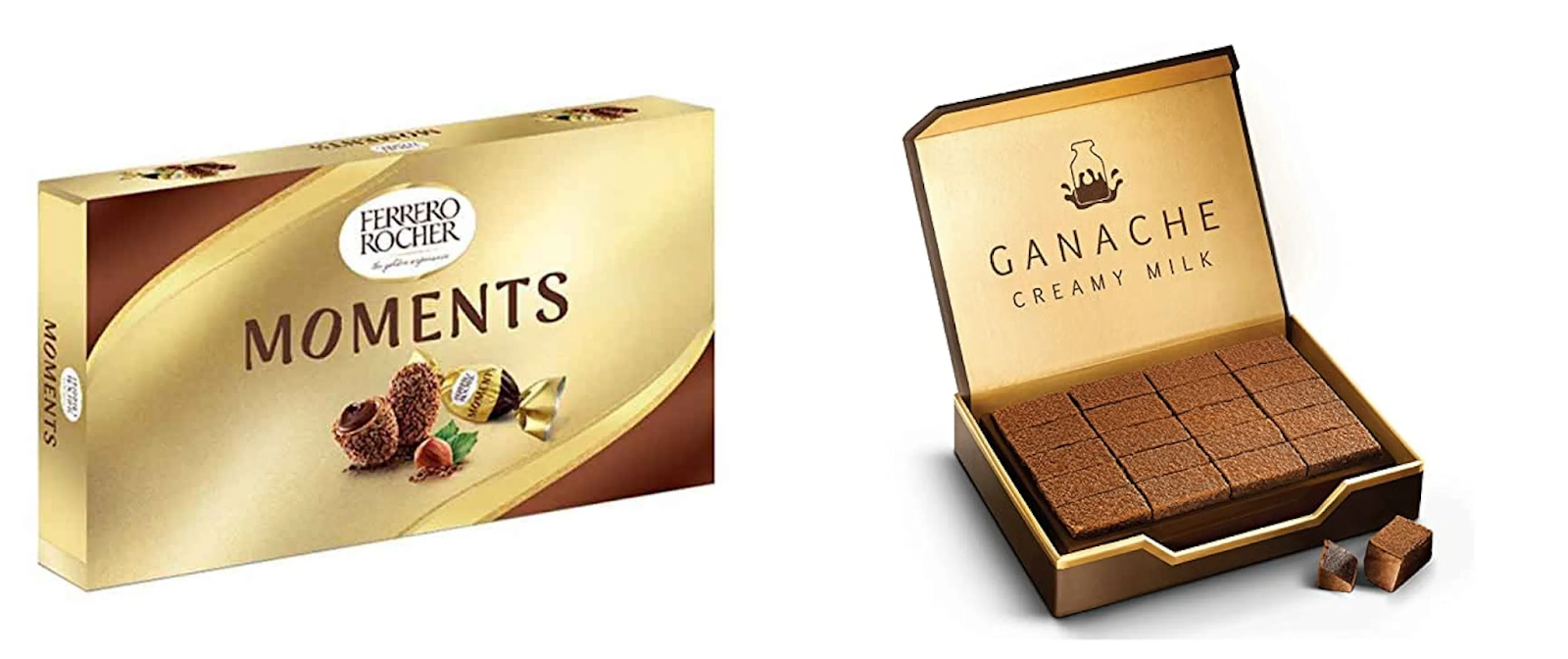
Creating limited-edition packaging designs can generate excitement and exclusivity around high end products.
Special colors, collaborations, or numbered packs can turn even everyday FMCG products into cultural objects.
Indian brands often release special packaging during festivals or celebrations to attract collectors and enthusiasts.
EXAMPLES:
Absolut’s artist editions turn bottles into collectibles while preserving core brand recognition.
Ferrero Rocher has released limited-edition packaging during festivals and special occasions in India, adding a touch of luxury to their products.
Luxury packaging tells stories without over-explaining.
This storytelling approach allows consumers to appreciate the craftsmanship, attention to detail, and dedication that goes into creating the product.
Brands utilize photographs, illustrations, or text that showcase the production, design, or testing phases.
EXAMPLES:
Forest Essentials combines traditional Ayurvedic knowledge with luxury. Their packaging often features illustrations and descriptions that narrate the history and benefits of the ingredients used in their products.
Lush incorporates ingredient sourcing and activism directly into packaging, turning products into statements.
The packaging design for luxury products transforms opening a product into a deliberate, memorable ritual.
Luxury brands choreograph each step to slow the moment down, build anticipation, and heighten emotional value.
From engineered resistance and magnetic closures to hero-style product presentation, the experience feels intentional and rewarding.
Even quiet, minimal unboxing can feel luxurious when friction, sound, and structure are perfectly controlled.
Examples
Apple uses controlled lift resistance and precise product placement to create calm, premium reveals.
Chanel layers boxes, tissue, and ribbons to turn access into ceremony.
As FMCG packaging design experts, we at Confetti combine creativity, expertise, and a deep understanding of what makes luxury packaging successful.
We turn your products into a high-performing retail asset through strategy-led, design-driven execution.
Strategic Packaging That Sells: Conversion-focused luxury packaging built with deep insight into Indian consumers and modern retail behavior.
Everything Under One Roof: Retail packaging design, branding, and AI photography seamlessly integrated for speed, consistency, and impact.
Built for Founders and Marketers: A true strategic partner that understands business pressure and designs packaging that performs on shelf.
Expertise That Delivers Results: Proven experience in luxury FMCG packaging, combining creativity, technical precision, and data-driven decisions.
Trusted Packaging Agency: Award-winning work trusted by leading brands to elevate visibility and drive conversions.
Eco-Visible Design Transparency
Sustainability will be communicated through visible cues such as natural textures, minimal inks, and honest material finishes, allowing environmental responsibility to be felt rather than claimed.
Bio-Integrated Materials
Luxury packaging will adopt living and regenerative materials such as mycelium, seaweed-based films, algae plastics, and carbon-sequestering fibers, transforming sustainability into a tangible and premium experience.
Hyper-Minimalist Design
Packaging designs will become increasingly refined, using fewer elements, restrained color palettes, and generous white space to convey confidence, exclusivity, and clarity.
Smart and Connected Packaging
Digital integrations such as QR codes, NFC tags, and embedded technologies will enhance storytelling, authentication, and personalized consumer engagement.
Personalization at Scale
Brands will deliver customized packaging variations through modular systems that allow individuality while preserving brand coherence and luxury standards.
Tactile-First Packaging Design
Greater focus will be placed on surface textures, material finishes, and hand-feel to elevate emotional connection and perceived product value.
Heritage Meets Modern Design
Packaging will increasingly merge traditional craftsmanship cues with contemporary design language, balancing authenticity with innovation.
Intentional Imperfection
Luxury packaging will embrace human-centered irregularities such as hand-drawn typography, organic textures, and natural material variations to signal authenticity and differentiate from mass-produced perfection.
Luxury packaging design has evolved into a powerful blend of storytelling, sustainability, and innovation.
Brands that embrace this approach will stand out and build deeper consumer connections.
What role does luxury packaging play in elevating Indian FMCG brands?
Luxury packaging helps FMCG brands stand out by creating a premium customer experience. It conveys quality, builds trust, and enhances brand value, making even everyday products feel aspirational in a competitive Indian market.
How do traditional Indian motifs influence luxury packaging design?
Traditional motifs such as paisleys, mandalas, and regional art forms add cultural depth and authenticity. They resonate with Indian consumers’ sense of heritage while giving packaging a distinctive luxury appeal.
What are the latest sustainable luxury packaging trends in India?
Eco-friendly materials, biodegradable laminates, soy-based inks, and reusable designs are driving sustainable luxury packaging trends in India. Brands are balancing environmental responsibility with premium aesthetics to meet evolving consumer expectations.
How does minimalist design contribute to luxury packaging in FMCG?
Minimalist packaging emphasizes simplicity, clean lines, and uncluttered layouts. For FMCG, this approach communicates elegance and sophistication while making the product appear more premium and modern.
What materials are commonly used in luxury packaging for Indian FMCG brands?
High-quality textured paper, rigid boxes, glass, metallic foils, and eco-conscious alternatives like recycled kraft are popular. These materials enhance durability, shelf appeal, and the perception of exclusivity.
How can brands incorporate personalization into luxury FMCG packaging?
Brands can add personalized elements such as engraved names, custom colors, limited-edition designs, or region-specific motifs. Personalization not only boosts consumer engagement but also strengthens brand loyalty.
How can small brands afford luxury packaging? A
Small brands can achieve luxury packaging through strategic choices: start with key touchpoints only, use premium finishes selectively (spot UV, foil stamping on specific elements), order minimum quantities of rigid boxes, partner with specialized suppliers, focus on one statement element, and gradually expand as sales grow.
Want strategic branding and packaging like this for your business?





.webp)
.webp)

.webp)
.webp)
.webp)
.webp)
.webp)






.svg)
.webp)
.svg)
.webp)

.webp)
