%201.webp)
02
AI Snaps
.svg)
.svg)
01
Our Work

03
About Us
05
Contact Us
06
Client Success

07
Blogs
08
Careers
Book A Call



.svg)
Need Help In Building Your Brand?
Click the button below & book a call with our founder directly.

Rishabh Jain
Managing Director
Dairy branding isn’t just a label; it’s trust, recognition, and a story of quality that connects with consumers.
Strong branding can transform a simple milk bottle into a story of quality and care.
As one of the leading branding and packaging design agencies, we at Confetti bring to you insights into dairy product branding - challenges, elements and strategies to follow to create a memorable brand.
.jpeg)
The dairy industry today has moved beyond simple product sales to high-value, purpose-driven branding. Let’s understand how and why branding for them:
Dairy products - milk, butter, cheese - they taste similar, look similar.
Branding is what makes a real difference. It offers:
Differentiation: It serves as a guidepost for dairy firms seeking to stand out in a competitive market by building a distinct identity for their products.
Consumer Trust & Safety: Dairy is a perishable, high-sensitivity product. A strong brand acts as a "seal of quality," reassuring consumers that the product is safe, traceable, and fresh.
Consumer Loyalty: Beyond nutrition, modern branding focuses on emotional connection. Branding boosts this and fosters loyalty, resulting in recurring purchases and enthusiastic brand endorsement.
Viewed Value: Strong branding increases perceived value, allowing dairy companies to charge premium prices. It transforms dairy from a basic staple into an experience, such as protein-focused fitness milks or artisanal cheeses.
Despite its immense branding in dairy faces several challenges that require specialised strategies:
Addressing the Competition
The dairy industry is fiercely competitive, housing a multitude of players ranging from multinational giants to small local producers.
Standing out takes expertise which experienced branding firms like Confetti Design Studio offer. We help companies craft a unique identity and position their dairy products to stand apart.
Meeting Changing Consumer Preferences
Consumer preferences in dairy are in a perpetual state of flux. For example, there’s an increasing demand for dairy alternatives such as plant-based milk products.
Branding strategies must adapt to these evolving consumer preferences while upholding brand integrity.
Navigating Health and Sustainability Concerns
Modern consumers are increasingly health-conscious and concerned about the environmental footprint of their food choices.
Dairy companies need to address these concerns through their branding efforts by emphasizing health benefits, sustainable practices, and ethical sourcing.
Perishability & Freshness:
The brand promise is intrinsically linked to shelf-life.
Packaging and messaging must constantly reinforce freshness and optimal consumption windows.
Commodity Perception:
Milk, butter, and basic cheeses are often purchased based on price.
Breaking out of this cycle requires differentiation through storytelling, highlighting the farm, the cows, the sustainable practices, or unique production methods.
Health Claim Regulation:
With the rise of functional dairy (probiotics, high-protein, lactose-free), brands must communicate complex health benefits within strict legal frameworks to avoid misleading consumers.
Strong dairy branding directly influences how consumers think, feel, and decide. Effective branding influences behavior:
Recognition & Trust:
Familiar brands feel safer and more reliable, acting as a shortcut for quality and safety. This is especially true for sensitive products like raw milk cheese or infant formula.
Emotional Connection:
Farm stories, local sourcing, family heritage, and pastoral imagery create emotional bonds rooted in nostalgia and authenticity, encouraging long-term loyalty.
Perceived Quality & Value:
Thoughtful packaging, design, and storytelling signal superior taste, nutrition, and care, allowing branded products to justify premium pricing over generic alternatives.
Shelf Impact & Decision Speed:
Distinct logos, color psychology, and packaging finishes help products stand out in crowded chill cabinets, reducing hesitation and speeding up purchase decisions.
Cross-Platform Consistency:
From the farmer’s market stall to the e-commerce site, cohesive branding creates a reliable and professional image. Expert input often elevates this execution.
A professional brand strategy agency like Confetti, helps you create a unique brand identity design, packaging design, and strategic storytelling.
This allows dairy companies to translate quality and values into a visual and verbal brand consumers immediately understand.
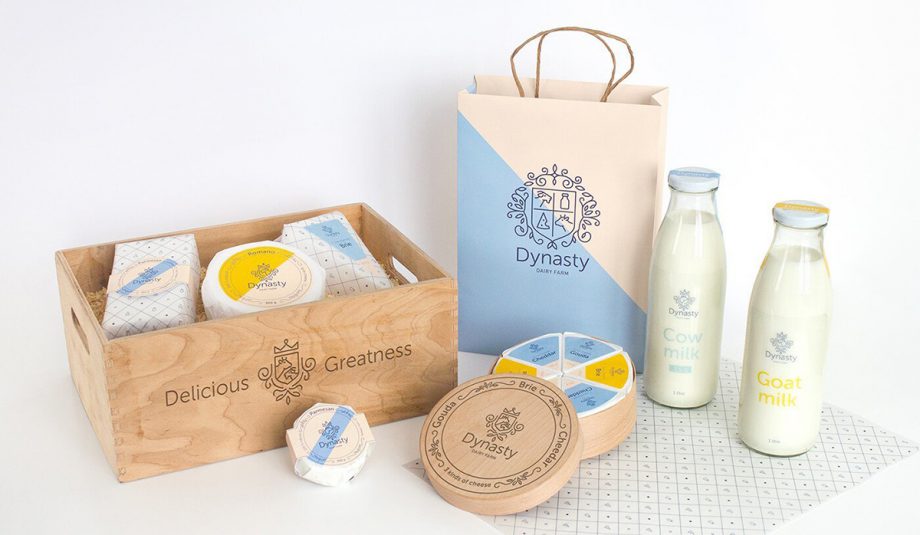
The following elements form the foundation of strong and effective dairy branding.
Clear brand positioning defines what your dairy brand stands for and who it is for. It is your definitive answer to "Why you?" on a shelf filled with options.
In dairy branding, positioning answers simple but important questions:
When positioning is clear, consumers do not need to compare options. They instinctively understand why your product fits their needs.
In dairy, your consumer must perceive quality instantly before the product is ever tasted.
Trust = Safety + Taste
Common trust signals include:
Visual identity is the "face" of your brand. Its main elements are:
Logo Design: Simple, recognizable, and adaptable across packaging, digital media, and retail environments.
Color Psychology:
Typography: Clean fonts convey modernity, efficiency, and food safety. Handwritten or script styles signal small-batch production, heritage, and craftsmanship.
Iconography and Imagery: Imagery and icons used should reinforce both source and outcome.
At Confetti, we help create end-to-end visual identities for food and agricultural brands that are both deeply authentic and commercially distinctive.
Packaging design is one of the most powerful tools in dairy branding.
Effective dairy packaging design must have:
Facts tell, stories sell.
Authentic storytelling is essential in dairy branding because consumers want to know where their food comes from.
It can transform a dairy product from a nutrient source into a narrative consumers want to be part of.
Strong brand storytelling in dairy may highlight:
Authentic stories humanize dairy brands and create emotional connections that go beyond product features seen by our experts in the case of Two Brothers Organic Farms.
Consistency builds recognition and reliability.
Whether a consumer sees your brand on a billboard, a Facebook ad, or physical carton, the voice must remain the same.
“The dairy aisle is one of the most challenging branding environments, with every brand competing in the same refrigerated space.
Strategic branding and packaging design that communicates an authentic story is what sets winners apart, and it’s exactly what we help our clients achieve.”
— Rishab Jain, Founder, Confetti.design
Let’s delve into real-world examples of how branding has fueled success in the dairy industry:
Challenge: Clover Farms, a regional dairy company, faced intense competition from larger national brands.
Strategy:
To differentiate itself, the company undertook a comprehensive rebranding initiative that emphasized its local heritage and strong commitment to sustainable farming practices.
Execution:
The new brand identity featured imagery of idyllic pastures and healthy, contented cows, reinforcing the message of high-quality, locally sourced dairy products.
Outcome:
This repositioning resonated with consumers seeking sustainable and locally produced options, leading to a significant increase in sales and stronger customer loyalty.
Challenge: Chobani entered a crowded yogurt market dominated by established dairy brands.
Strategy:
The company disrupted the industry through a branding approach centered on simplicity, authenticity, and transparency.
Execution:
Minimalist packaging and the use of natural ingredients communicated trust, while the “How Matters” campaign highlighted Chobani’s ethical and transparent business practices.
Outcome:
This distinctive branding strategy drove substantial sales growth and firmly established Chobani as a leader in the dairy industry.
Here’s a quick look at some of the important elements in branding of dairy products:
To construct a formidable dairy brand, companies can follow a series of steps and employ effective strategies:
Understanding Your Unique Value Proposition
Each dairy company possesses a unique offering, whether it’s exceptional quality, a rich history, or a resolute commitment to sustainability.
The foundational step in building a robust brand is identifying and comprehending your unique value proposition. This proposition should serve as the bedrock of your branding endeavors.
Create a Compelling Brand Story
Humans are drawn to stories. Constructing a compelling brand story that resonates with your target audience can forge a potent emotional connection.
This narrative should mirror your company’s values, heritage, and dedication to delivering exceptional dairy products.
Choosing Memorable Brand Elements
Visual elements such as logos, colors, and packaging design are pivotal facets of branding. These elements should possess memorability and align seamlessly with your brand’s identity.
For instance, the instantly recognizable red and white packaging of a renowned dairy brand is synonymous with quality.
Ensuring Consistency Across Product Lines
Consistency is the cornerstone of effective branding.
Every dairy product in your portfolio should reflect your brand’s identity, whether through packaging design, messaging, or product quality. This uniformity reinforces trust and fortifies brand recognition.
Leveraging Customer Feedback for Brand Improvement
Listening to customer feedback is pivotal for brand enhancement. Insights from customers can help fine-tune your branding strategies, address concerns, and better align with consumer expectations.
Engage with your audience through surveys, social media, and customer reviews to harvest valuable feedback.
Selecting the right branding partner can significantly enhance your dairy brand’s growth and market presence.
Professional branding agencies like Confetti bring industry expertise, strategic thinking, and creative direction to build effective dairy brands.
The best branding companies in India are repositories of expertise and experience, adept at crafting and executing effective branding strategies.
They infuse fresh perspectives and industry acumen, ably guiding you through the intricacies of dairy branding.
What to Seek When Choosing a Branding Service Provider
Selecting the right branding partner requires careful evaluation. Before choosing the right fit, look into :
Services and Outcomes
A comprehensive branding partner offers end-to-end services, including:
These services help dairy companies build cohesive brand ecosystems that remain consistent across products, regions, and platforms.
When executed effectively, these branding solutions empower dairy brands to strengthen market presence, build emotional connections with consumers, and increase long-term brand equity

🌟 Specialized expertise in transforming commodity products into premium brands
🌟 Data-driven design approach that combines consumer psychology with visual impact
🌟 End-to-end branding solutions from strategy through packaging design to digital presence
🌟 Proven track record creating shelf-stopping designs in competitive retail environments
🌟 Deep understanding of dairy industry regulations, certifications, and compliance requirements
🌟 Strategic storytelling that connects farm authenticity with modern consumer values
🌟 Multi-touchpoint brand systems ensuring consistency across all customer interaction points
🌟 Rapid turnaround capabilities without compromising on creative excellence or strategy
🌟 Collaborative process that treats your brand vision as partnership investment
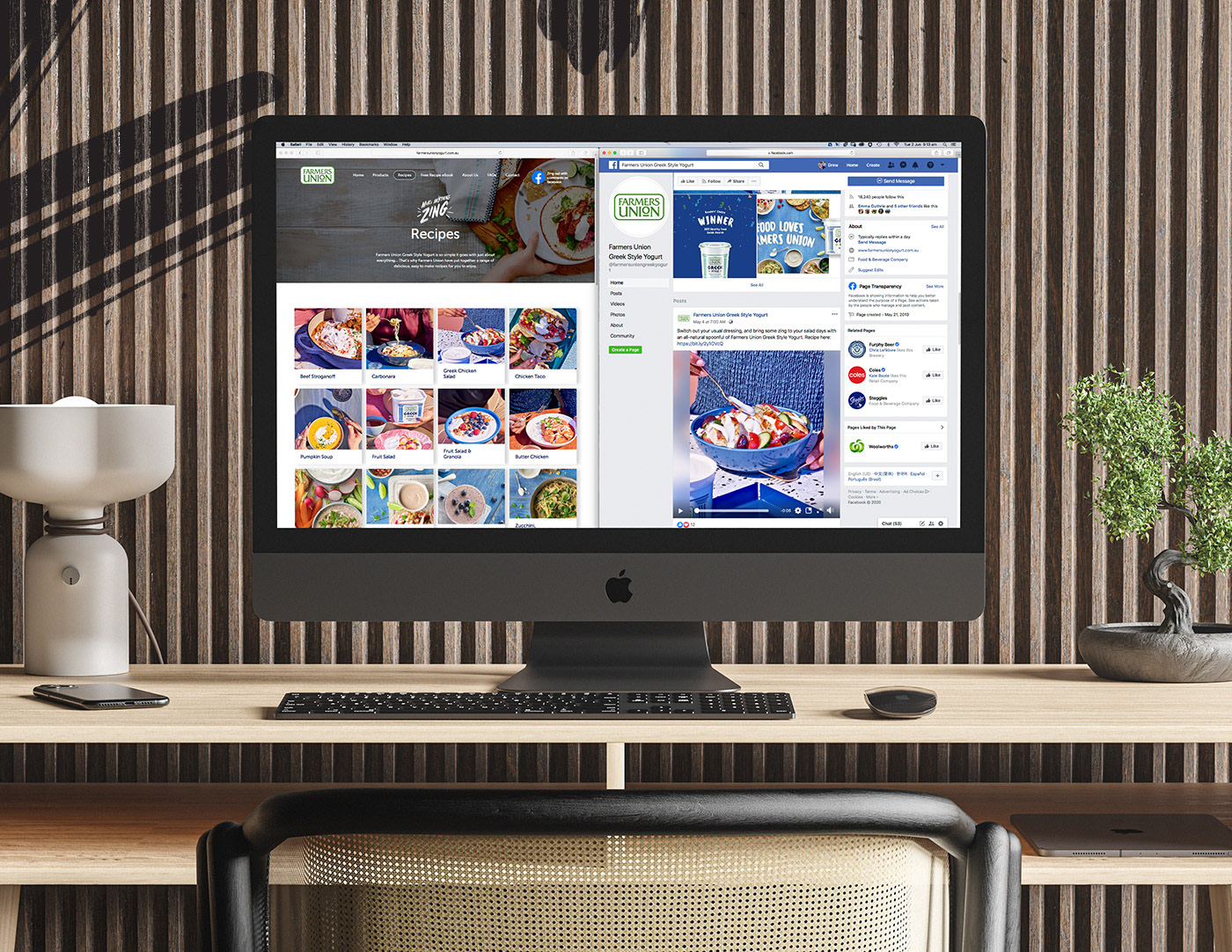
Measuring the success of your branding efforts is essential for assessing ROI and identifying necessary improvements.
Key Performance Indicators (KPIs) for Assessing Branding Success:
Identify KPIs that align with your branding objectives, encompassing brand awareness, customer loyalty, and sales growth.
These metrics serve as the compass by which you can navigate the impact of your branding strategies.
Tools and Metrics to Track Brand Awareness and Perception:
Employ tools such as brand tracking surveys and social media analytics to monitor brand awareness and perception.
These invaluable insights serve as guiding lights to inform your future branding decisions.
The Correlation Between Strong Branding and Increased Sales:
Delve into sales data before and after implementing branding changes to ascertain if a direct correlation exists between branding efforts and heightened sales.
Here are some trends that are shaping the future of dairy branding:
Branding is moving from generic to specific, science-backed functional benefits.
Brands are moving past "high-protein" to "grass-fed protein for muscle recovery" or "A2 beta-casein milk for easier digestion."
Premium yogurt brands now emphasize specific probiotic strains (e.g., Lactobacillus acidophilus for gut health) and their clinically studied benefits.
Example: Lifeway Foods has expanded into Probiotic Kefir Butter, positioning a traditional fat as a gut-health-supporting superfood.
Clean label is evolving from a trend to a non-negotiable.
Dairy brands are redesigning packaging design to make ingredients more visible and readable, using plain language instead of technical terms.
QR codes on packaging that link to detailed sourcing information (farm location, feed details) will become standard, satisfying the demand for radical transparency.
Example: Horizon Organic recently launched flavored coffee creamers that highlight a "only four ingredients" directly on the pack.
Sustainability is no longer optional in dairy branding, it is expected. Sustainability messaging must be specific and credible, not generic.
Vague "green" claims are being replaced by tangible, specific, and often farm-level sustainability stories.
Example: Brands like Maple Hill Creamery explicitly market "100% Grass-Fed" milk from regenerative farms, detailing how their practices sequester carbon.
The rise of plant-based alternatives is reshaping dairy branding strategies.
Rather than fighting plant-based alternatives, dairy brands are now competing through nutritional supremacy and hybridization.
Example: Traditional milk brands now emphasize naturally occurring protein and calcium, positioning dairy as a wholesome, minimally processed option compared to plant-based alternatives.
Minimalist packaging is emerging as a dominant visual trend in dairy branding.
Packaging is becoming quieter to stand out in a noisy world. This trend, often called "Lightweighting," focuses on reducing physical and visual clutter.
Example: Arla Organic uses clean white space and bold typography to signal purity, hygiene, and trust. The minimal design makes the milk feel modern and premium, helping it stand out from cluttered, traditional dairy packaging.
What are the main challenges in dairy branding?
Main challenges include overcoming commodity perception, building trust around perishability and safety, differentiating in a crowded market, managing regional taste preferences, communicating freshness effectively, competing with established local brands, and justifying premium pricing while maintaining accessibility for price-sensitive consumers.
How can dairy brands differentiate themselves?
Differentiation strategies include focusing on sourcing transparency (farm stories, local partnerships), highlighting unique product benefits (probiotics, protein content, organic certification), creating strong visual identity with distinctive packaging, building emotional connections through storytelling, emphasizing quality certifications, and positioning in specific niches (premium, health-focused, traditional).
What colors work best for dairy branding?
Blue (trust, purity), white (freshness, cleanliness), and green (natural, healthy) work best for dairy branding. Blue builds trust and represents purity, white communicates freshness and cleanliness, while green suggests natural and healthy attributes. Secondary colors like yellow (happiness) and red (energy) can create warmth for specific dairy products.
How important is packaging in dairy branding?
Packaging is critical in dairy branding as it's often the primary touchpoint with consumers. It must communicate freshness, ensure product safety, build trust through transparency, stand out on refrigerated shelves, provide usage information, comply with regulations, and create brand recognition that drives repeat purchases.
What are successful dairy branding examples in India?
Successful examples include Amul (cooperative model with strong visual identity and cultural connection), Mother Dairy (trust-based positioning with quality assurance), Nestle (international brand with local adaptation), Heritage Foods (regional strength with quality focus), and emerging premium brands like Epigamia (modern health-focused positioning).
Want strategic branding and packaging like this for your business?





.webp)
.webp)

.webp)
.webp)
.webp)
.webp)
.webp)






.svg)
.webp)
.svg)
.webp)