%201.webp)
02
AI Snaps
.svg)
.svg)
01
Our Work

03
About Us
05
Contact Us
06
Client Success

07
Blogs
08
Careers
Book A Call



Need Help In Building Your Brand?
Click the button below & book a call with our founder directly.

Rishabh Jain
Managing Director
In a market overflowing with bakery and sweet delights, strong confectionery branding is what truly sets a treat apart.
Explore with us how effective branding in the confectionery space builds emotional connections, enhances packaging appeal, and drives success.
We’ll also delve into key trends and real-world examples shaping the future of confectionery branding.
Branding is the secret ingredient that transforms a simple chocolate bar into a beloved treat or a plain croissant into a gourmet experience.
At Confetti, we developed CRMB’s complete brand identity, creating a playful yet refined café experience that balances calm sophistication with inviting warmth, making it a distinctive and memorable destination.
So, a strong bakery and confectionery branding helps:
1. Creating a Distinct Sensory Identity
Bakery and confectionery are deeply sensory and emotional.
Through colour, typography, and premium packaging, brands set expectations, enhance recall, and position products as everyday treats or luxury gifts.
2. Building Trust and Consistency
Branding acts as a promise of consistency, safety, and quality.
When customers see a familiar bakery logo or packaging, they should immediately associate it with a specific taste, reliability or quality
3. Differentiation in a Crowded Market
Strong branding helps businesses stand out in a highly saturated offline and online market.
Branding and packaging experts like Confetti can help you clarify what sets you apart, from craftsmanship to lifestyle positioning.
4. Commanding Premium Pricing Through Perceived Value
Customers often pay more for branded bakery and confectionery products because branding adds value beyond ingredients.
Branding adds perceived value beyond ingredients, allowing bakery and confectionery products to command higher prices by positioning them as indulgent, aspirational experiences.
5. Emotional Connection and Loyalty
Bakeries are tied to comfort, rituals, and celebrations.
Branding builds emotional bonds through storytelling, a warm brand voice, and consistent experiences, encouraging loyalty, repeat purchases, and word-of-mouth.
6. Social Media and Digital Shareability
Modern bakery and confectionery branding extends far beyond the storefront.
Social media platforms like Instagram, Pinterest, and TikTok play a major role in discovery and decision-making.
Strong branding boosts shareability and your users provide you free marketing and grow awareness organically.
7. Shelf Impact and Purchase Decisions
In competitive retail settings, effective branding helps products stand out.
Packaging and branding signal quality, and differentiate price tiers, directly influencing impulse buys and conversions.
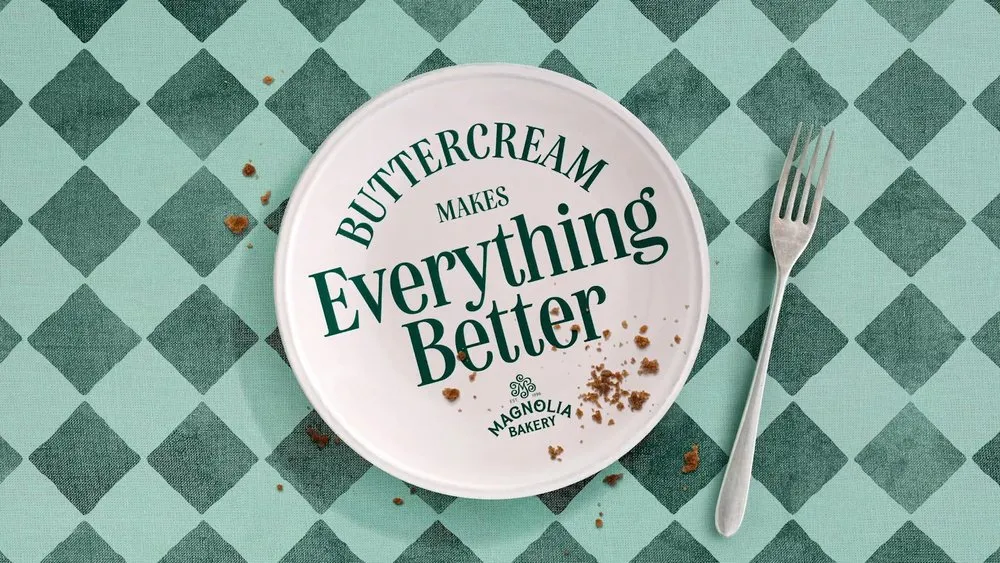
Example:
The renowned bakery chain, “Magnolia Bakery,”built its brand around the nostalgia of classic American desserts. It created a unique identity that resonates with customers worldwide.
Their cupcakes are not just confections; they are a symbol of an unforgettable taste of the past.
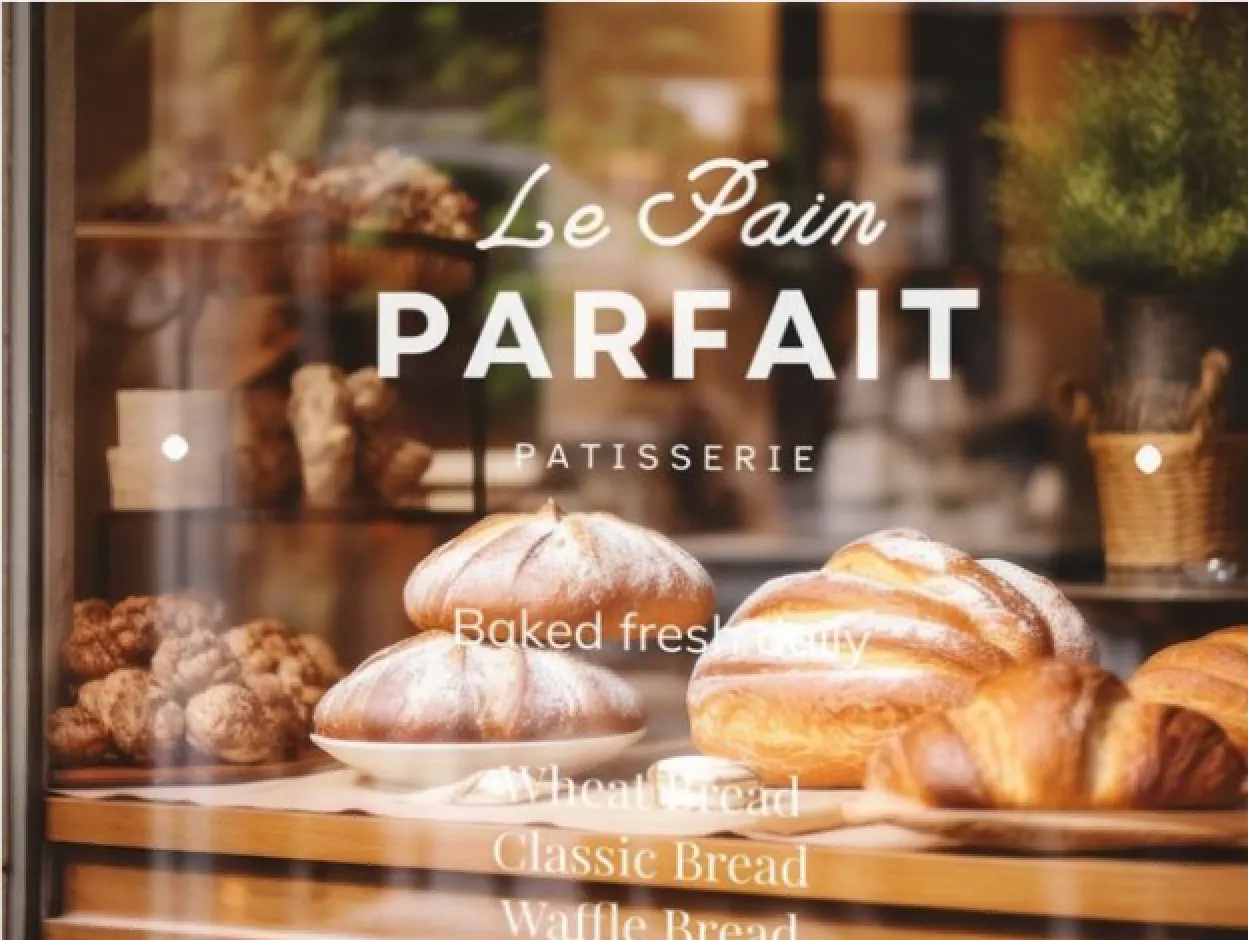
In confectionery and sweets, branding is a delicate balance of art, psychology, and consistency.
At Confetti, as a trusted provider of FMCG branding strategy services, we’ve found that these core branding elements are what define truly successful confectionery brands:
Brand visual identity is the face of a confectionery brand, the first point of recognition in-store or online
It improves shelf recognition, speeds up buying decisions, and builds long-term brand recall.
In confectionery, colour psychology plays a major role.
Browns and golds suggest chocolate richness and luxury, while bright primary colours communicate fun and sweetness.
Example: Milka’s distinctive lilac packaging instantly differentiates it in the chocolate aisle and reinforces its gentle, creamy Alpine brand positioning.
Impulse buying dominates the sweets, confectionary and baking category.
Packaging thus directly influences perceived quality and willingness to pay.
Effective confectionery packaging balances:
Example: Ferrero Rocher’s gold foil wrapping and transparent box instantly communicate luxury and celebration, supporting premium pricing and gift-giving occasions.
Brand personality defines how a confectionery brand behaves and communicates across all touchpoints.
A clear personality humanises the brand, strengthens emotional connection, and increases memorability.
Personality traits may include:
Brand voice should remain consistent across packaging, advertising, social media and website messaging
Example: Skittles uses surreal, playful humour to appeal to younger audiences, while Lindt adopts a refined, master-chocolatier tone aimed at premium adult consumers.
In confectionery, branding is experienced through the senses, not just visuals.
Consistent sensory experiences reinforce trust and ensure the brand promise is delivered every time.
Sensory branding includes:
Example: KitKat has built global brand equity around the distinctive snap of its chocolate bar, making sound part of its brand signature.
Heritage and storytelling justify premium pricing and turn products into meaningful experiences.
Strong brand stories often focus on:
Example: Toblerone’s Swiss heritage and iconic triangular shape inspired by the Matterhorn reinforce authenticity and differentiation.
Product naming guides perception and helps consumers skim choices quickly.
Clear naming and structure reduce confusion, support cross-selling, and protect brand equity.
Effective naming can be:
Portfolio architecture organizes products through branded houses, sub-brands, or occasion-based ranges for everyday, gifting, or seasonal offerings.
Positioning defines who the brand is for and where it sits in the market.
Key positioning factors include:
Example: Kinder positions itself around joy, sharing, and family-friendly trust, while Hotel Chocolat targets more sophisticated, ethically minded adult consumers.
Clear positioning ensures consistency across branding, messaging, product development, and marketing strategy.
Every successful confectionery brand has a story that makes people smile even before that first bite. At Confetti, we translate that joy into visual language, be it's the nostalgia of traditional sweets or the excitement of modern indulgence. Great branding doesn't follow trends; it creates cravings."
— Rishabh Jain, Founder & Managing Director, Confetti Design Studio
Building a sustainable confectionery brand requires customizing products, packaging, and messaging to distinct audiences: children, adults, and gift buyers.
Let’s take a quick look at some of the strategies:
Designed to engage kids while also appealing to their parents, who make the purchase decisions.
Driven by indulgence, stress relief, and alignment with lifestyle choices.
Focuses on selling emotion and social value, not just the product itself.
Adapt packaging, flavors, and messaging to local culture and buying habits:
Confetti Design Studio specializes in turning FMCG and CPG brands into shelf‑ready visual experiences that sell, not just look good.
We blend strategy, storytelling, and design to help products dominate on shelves and in quick‑commerce apps.
🏪Standout Shelf Awareness
Confetti starts with data and consumer insight.
Through market research and user personas, we create packaging and identity systems designed to pop in crowded retail aisles and tiny mobile thumbnails, helping products win attention at the point of decision.
🎁Engaging Packaging & Unboxing
Packaging becomes a full brand experience.
Designs are optimized for offline retail and e-commerce, with thoughtful unboxing that encourages social sharing and emotional connection.
✨Real Brand Transformations
💬Personality & Emotional Messaging
Beyond visuals, Confetti focusses on verbal identities.
Taglines, tone, and storytelling deepen customer connection, reinforce the brand promise, and make every treat feel special.
🔗Consistency Across Channels
Confetti delivers cohesive brand guidelines so your bakery or confectionery looks unified across physical packaging, digital platforms, and social media.
This is a key trust‑building factor in FMCG.
Winning in confectionery means having strategic branding discipline and understanding your audience’s world.
Here’s how four global leaders nailed it.
Delivers the same emotional and functional benefit everywhere, making Snickers instantly recognizable and trusted.
Focus on gifting rather than snacking maintains high perceived value across markets.
Aligns with Indian family values, affordability, and national pride—making chocolate accessible and culturally relevant.
Gifting culture in the Middle East values presentation and exclusivity, which Patchi leverages flawlessly.
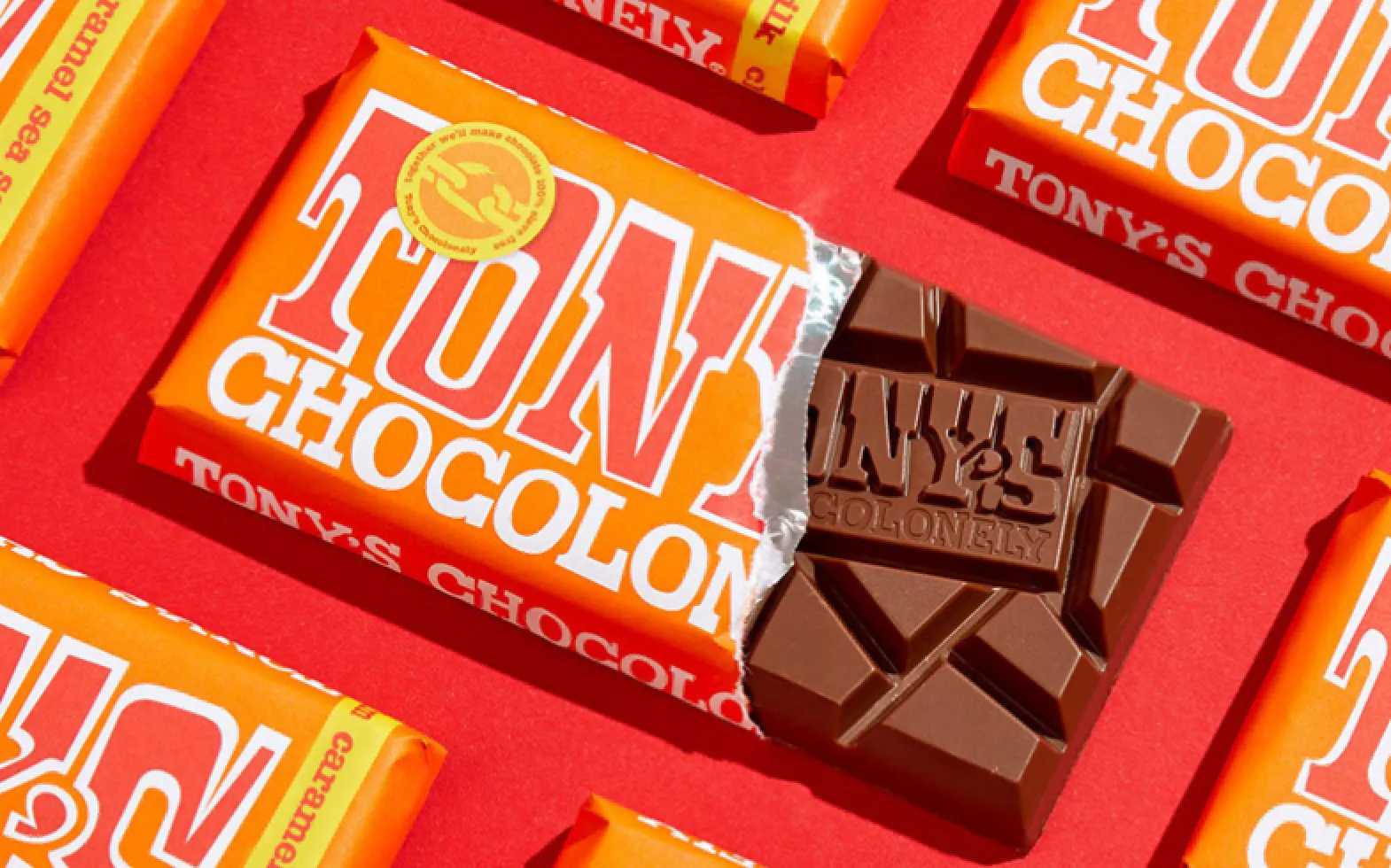
Modern confectionery branding is evolving rapidly as consumer expectations shift toward health, ethics, experience, and personalization.
Here are the key emerging trends in confectionery branding shaping the future of sweets
Confectionery brands are redefining indulgence by aligning with healthier lifestyles.
This includes functional ingredients, reduced sugar formulations, and mindful messaging that positions treats as intentional, better-for-you moments.
Example: Dark chocolate brands highlighting high cocoa content and antioxidant benefits.
Sustainability is now a core brand expectation, covering ethical sourcing, carbon transparency, and eco-friendly packaging.
Brands that clearly communicate environmental impact build stronger trust, especially with Gen Z and values-driven consumers.
Example: Chocolate brands switching to recyclable paper-based packaging and clearly communicating it on-pack.
Consumers are willing to pay more for quality, craftsmanship, and authenticity.
Therefore, brands are elevating everyday confectionery through artisanal narratives, single-origin ingredients, and small-batch cues.
Example: Boutique chocolate brands telling the story of cocoa farmers and production techniques.
Global brands are localizing their branding to reflect regional tastes and traditions.
This approach increases relevance, demonstrates cultural understanding, and improves adoption in global and regional markets.
Example: Special confectionery editions for Diwali in India or Ramadan in the Middle
Packaging design is shifting toward simplicity, clean typography, and ingredient-led layouts.
Minimalist visuals signal transparency, quality, and modernity while improving shelf clarity and consumer trust.
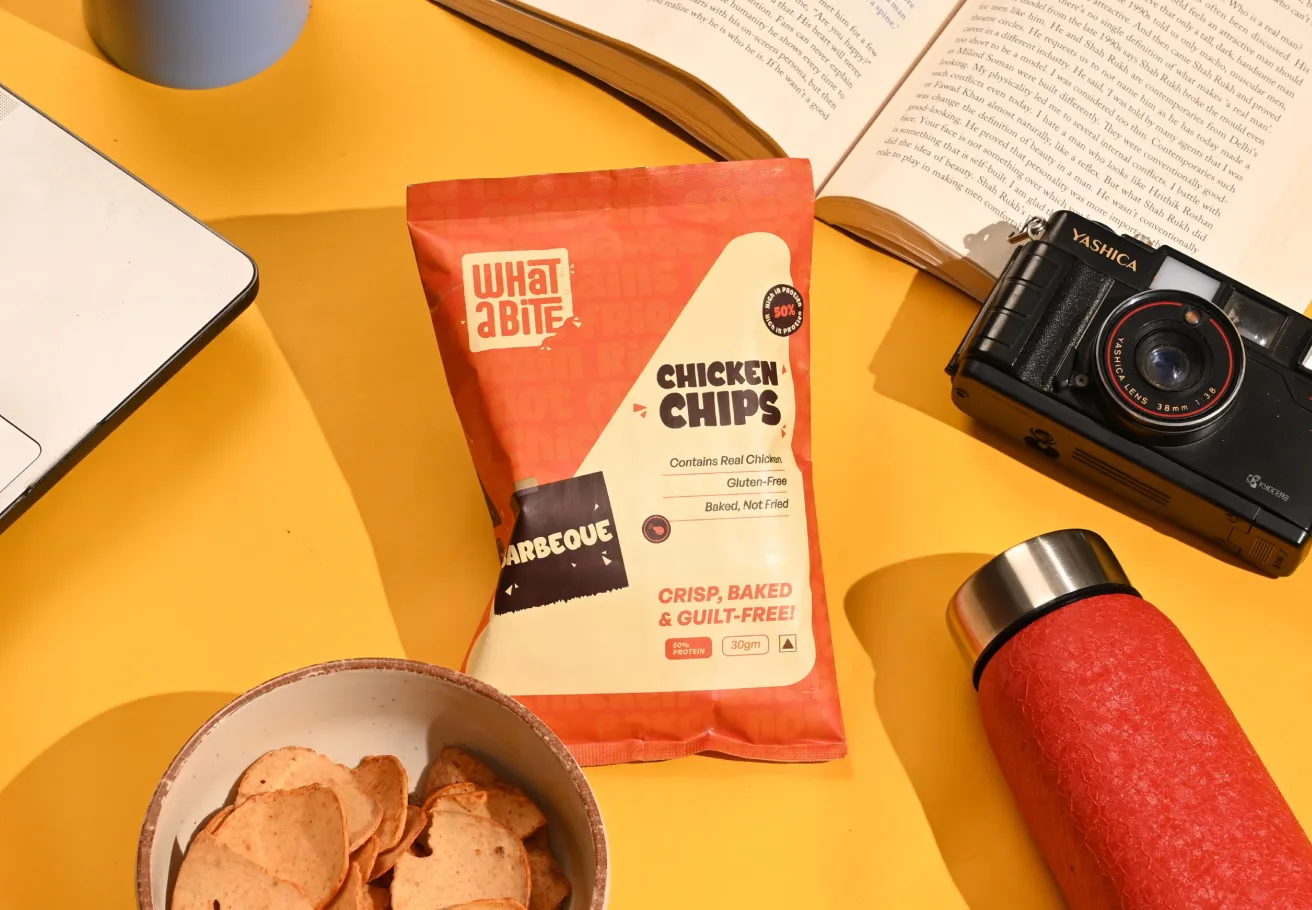
Brands are making confectionery accessible to wider audiences through vegan, gluten-free, and allergen-conscious options.
Inclusive branding removes stigma and positions dietary variety as a standard, not a niche.
Influencers now play an active role in product creation, launch strategy, and storytelling.
Micro and nano-creators drive authentic discovery, while limited drops and social-first content fuel engagement and demand.
What makes confectionery branding unique?
Confectionery branding is unique due to impulse purchase dynamics requiring instant shelf appeal, dual targeting (children and adults), managing health perception while promoting indulgence, intense competition requiring differentiation, seasonal demand patterns, and the need for both functional and emotional connections.
What colors work best for candy branding?
Bright, appetizing colors work best: red (energy, appetite), yellow (happiness, warmth), pink (sweetness, playfulness), purple (premium, indulgence), blue (trust, freshness), orange (fun, excitement), and brown (chocolate, authenticity). Premium brands use sophisticated palettes with gold, deep burgundy, or black.
How is confectionery branding different for children vs adults?
Children's branding uses playful aesthetics, bright colors, character mascots, interactive elements, fun fonts, and entertainment value. Adult branding employs sophisticated design, muted/elegant colors, premium materials, self-indulgence messaging, stress-relief positioning, and refined photography emphasizing quality and craftsmanship.
What role does packaging design play in confectionery sales?
Packaging design is critical for confectionery success. It drives impulse purchases through visual appeal, protects product freshness and integrity, communicates quality and value, enables gift positioning, creates shelf presence, influences perceived taste, and supports premium pricing.
What are the emerging trends in confectionery branding?
Trends include festival-specific packaging innovation, health-conscious formulations, premium chocolate segment growth, D2C artisanal brands, regional flavor innovations, e-gifting platforms, and sustainable packaging adoption.
Want strategic branding and packaging like this for your business?





.webp)
.webp)

.webp)
.webp)
.webp)
.webp)
.webp)






.svg)
.webp)
.svg)
.webp)