%201.webp)
02
AI Snaps
.svg)
.svg)
01
Our Work

03
About Us
05
Contact Us
06
Client Success

07
Blogs
08
Careers
Book A Call



.svg)
Need Help In Building Your Brand?
Click the button below & book a call with our founder directly.

Rishabh Jain
Managing Director
Understanding the impact of branding on consumer behaviour helps businesses predict how consumers think, feel, and act before making a purchase.
Here’s a deep dive into how branding influences consumer behaviour, and how you can leverage those insights to shape your own branding strategy.
The impact of branding on consumer behaviour manifests through multiple psychological, emotional, and rational pathways.
By understanding these key pillars, businesses can craft more effective brand strategies that resonate with their target audience and drive purchasing decisions:
Branding acts as a cognitive shortcut in consumer purchasing decisions.
When faced with multiple similar products, consumers rely on brand recognition and reputation.
Decision-Making Framework:
Strong brands shape consumer preferences by turning functional features into emotional value. Research shows 59% of consumers prefer recognizable brands, even at higher prices.
Purchase Decision Triggers:
Branding influences decisions by reducing perceived risk, signaling quality, and transferring trust across categories.
Price Sensitivity and Brand Value:
Strong branding reduces price sensitivity. Brands like Starbucks charge significantly more than competitors while winning on experience, lifestyle, and emotional connection.
Apple’s brand creates strong preference bias in smartphone choices, reflected in its 92.6% customer retention rate. Customers buy into the Apple ecosystem, not just the product.

The most powerful branding influence operates through emotion.
Emotionally connected customers have higher lifetime value, remain loyal longer, and are more likely to recommend brands to others.
Emotional branding operates on three levels.
Neurological impact of emotional branding
Studies using brain imaging show that beloved brands activate the same brain areas associated with relationships and self-image.
Positive brand experiences release dopamine, reinforcing attachment and loyalty.
80 percent of consumers say they must trust a brand before buying. This is why branding becomes crucial.
It reduces perceived risk and builds confidence in purchasing decisions.
Branding in the digital age must signal reliability as much as it signals aesthetics.
Elements that build brand trust:
Confetti's Approach to Building Brand Trust:
In our work with Swizzle, Confetti developed compelling brand storytelling that helped the beverage brand establish trust in a crowded non-alcoholic beverage market.
The result? Massive brand recall through iconic mascot design and successful placement on quick commerce and vending machines across India.
Visual branding enables instant recognition and memory recall.
It influences consumer behaviour at the shelf, online, and across advertising channels.
Psychology of visual processing
Human brains process images 60,000 times faster than text. This makes visual branding extraordinarily powerful.
Distinctive visual elements like logos, colors, typography, packaging design, create memory markers that influence consumer behaviour automatically.
Packaging as visual communication
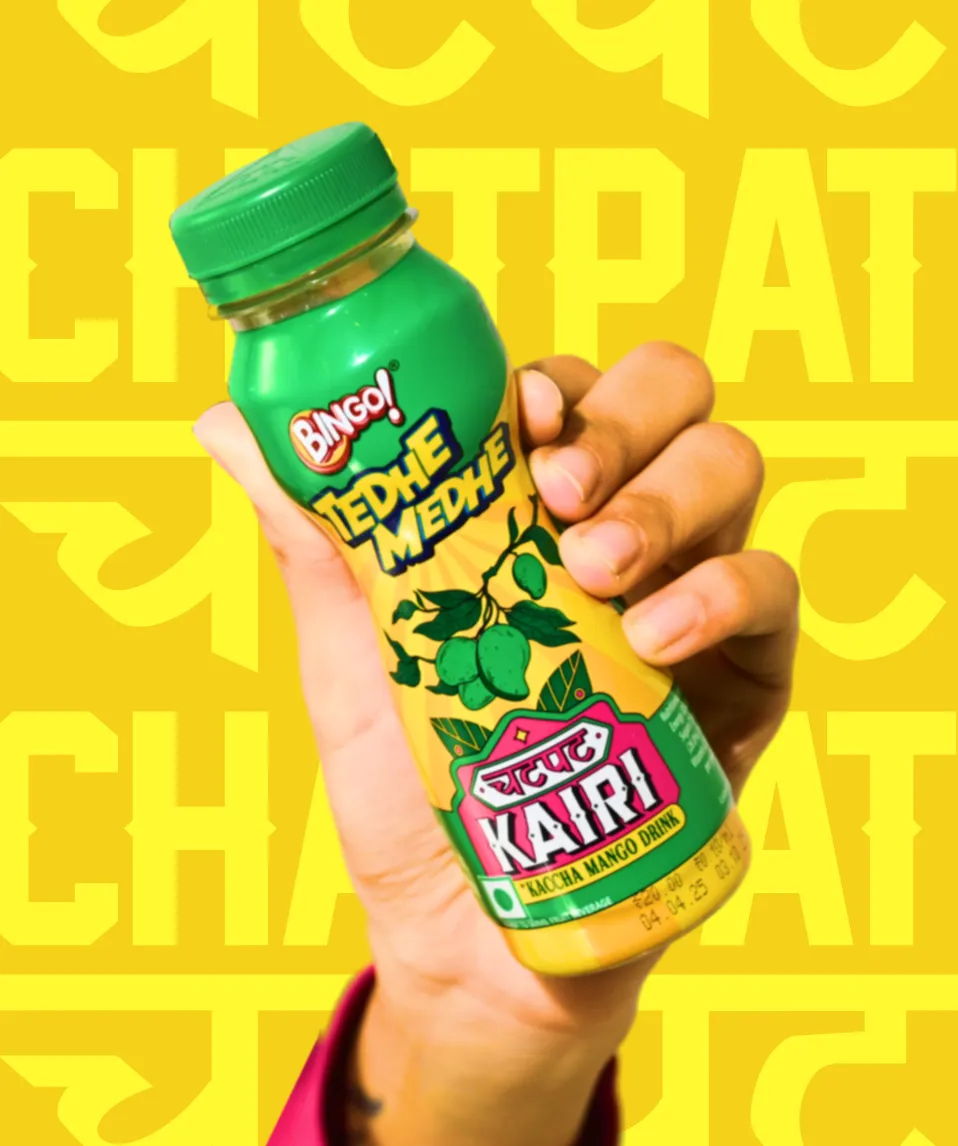
Consumers decide within seconds when viewing products on shelves. Distinctive packaging becomes a competitive advantage like Toblerone’s triangular bar or Pringles’ cylindrical can
For Bingo Chatpat Kairi, Confetti created packaging using Indian truck-art visuals after ITC tested more than 20 designs.
The final design achieved massive shelf impact and viral attention, proving how visual branding shapes engagement and purchase behaviour.
Branding strategically places a product in the consumer’s mind relative to competitors.
It defines the category a brand belongs to, the problem it solves, and the value it offers, such as premium, affordable, innovative, or sustainable.
Perceptual mapping and mental categories
Consumers mentally place brands on dimensions such as price versus quality, luxury versus practicality, or traditional versus innovative.
These mental maps shape which brands enter the consideration set.
Volvo positioned itself as the "safest car in the world." So, when a consumer thinks of family safety, Volvo becomes an automatic perception, regardless of its safety ratings.
Category creation
Some brands redefine markets instead of competing within them.
Red Bull did not position itself as a better soft drink. It created the energy drink category, changing consumer behaviour and expectations.
"Great branding transforms why consumers buy, not just what they buy. Brands that build genuine emotional connections transcend transactions and become part of how people see themselves. When done right, branding doesn't compete on features or price; it competes on meaning."
— Rishab Jain, Founder & Creative Director, Confetti Design Studio
Branding does not only respond to existing demand. It can create awareness of needs consumers did not previously recognise.
This occurs at the earliest stage of the buyer journey, known as need recognition.
Creating latent demand
Innovative brands reveal hidden problems or unmet desires.
Before the iPhone, consumers didn’t feel a need for a touchscreen smartphone. Apple’s branding reframed everyday tasks as intuitive experiences.
Problem agitation and solution framing
Brands often highlight overlooked problems and present their product as the solution.
Listerine popularised the term “halitosis,” turning bad breath into a social concern and creating widespread demand for mouthwash.
Lifestyle and aspirational branding
Brands trigger emotional and identity-based needs.
Rolex sells success and achievement rather than timekeeping.
Occasion-based need creation
Brands can create consumption rituals.
De Beers’ “A diamond is forever” campaign established the diamond engagement ring as a cultural norm.
In the research phase of the buying journey, branding determines which companies are considered first and trusted most.
Zero Moment of Truth
Consumers research products online before purchasing. Strong brands dominate this phase through visibility, content quality, and reputation.
Search behaviour and brand influence
Branded search queries convert at much higher rates than generic searches. Example, “Nike running shoes” shows stronger intent than “running shoes.”
Comparison shopping
Consumers usually compare three to five brands. Strong branding ensures inclusion in this comparison set through differentiation and recall.
Example: When thinking of online video tutorials, most people immediately think "YouTube." It is the top-of-mind category leader.
Strong branding creates psychological barriers that make switching to competitors difficult, even when alternatives are cheaper or similar.
Psychological switching costs
Consumers form emotional bonds with brands, making change feel risky.
Example: Apple users resist switching to Android not only because of ecosystem lock-in but because their brand identity is tied to Apple.
Brand loyalty as defence
Loyal customers spend more, return more often, and are less influenced by competitor promotions.
Example: Starbucks loyalty members visit more frequently and spend significantly more than non-members.
Habit formation and automatic purchasing
One of the most powerful outcomes of branding is when a brand becomes the default choice.
When consumers repeatedly choose the same brand in similar contexts, neural pathways strengthen and the buying behaviour becomes automatic..
Category ownership
Some brands become synonymous with their product category. This level of brand dominance creates nearly insurmountable competitive barriers.
Example: Band-Aid for bandages or Xerox for photocopying
Branding influences consumer behaviour by aligning with social identity and cultural meaning.
Consumers use brands to express who they are and what they believe in.
Social identity theory
People define themselves through group belonging. Brands that represent desirable communities influence behaviour through identity expression.
Examples: Harley-Davidson riders or Apple enthusiasts
Cultural movements and values
Brands that align with cultural values create strong emotional loyalty.
These brands attract consumers who want their purchases to reflect personal values
Community building
Successful brands facilitate interaction among customers. Communities reinforce loyalty through shared experience and peer influence.
Examples: Nike running clubs
User-generated content
When customers share brand stories, it creates social proof and organic promotion.
Examples: GoPro adventure videos or Starbucks cup art on Instagram
Influencer and celebrity alignment
Authentic partnerships transfer credibility and desirability because consumers trust peer voices more than traditional advertising.
Branding continues to influence consumer behaviour long after the transaction is complete.
The post-purchase phase determines whether a customer feels satisfied, reassured, and motivated to return.
Reducing cognitive dissonance
After high-involvement purchases, consumers may feel doubt.
Strong branding reassures them through thoughtful follow-ups and engagement.
Satisfaction and loyalty multiplier effect
Customers who have positive experiences with strong brands are more likely to become repeat buyers.
Branding thus adds emotional meaning that transforms satisfaction into long-term loyalty.
Brand consistency and trust
When customers receive the same quality and experience every time, trust-based loyalty forms.
This consistency reduces decision effort for repeat purchases.
Long-term value impact
Strong branding increases customer lifetime value.
Loyal customers purchase more frequently, spend more per transaction, and remain with brands longer.
Confetti perspective:
For Miduty branding, Confetti aligned the entire brand system around scientific transparency and empowerment.
We ensured that every post-purchase touchpoint reinforced confidence and long-term trust among health-conscious consumers.

Branding fundamentally changes how consumers interpret price and evaluate value.
Two identical products can command very different prices based purely on brand perception.
Price as a quality signal
Consumers use brand strength as a proxy for quality. Strong brands allow higher pricing, which in turn reinforces perceptions of superiority.
Example: A Rolex watch costs far more than its manufacturing value, yet consumers associate it with prestige, heritage, and excellence rather than components.
Willingness to pay premium
Strong brands can command price premiums of 20 to 200 percent over generic alternatives.
Consumers accept these premiums because of trust and emotional attachment.
Reference price anchoring
Strong brands set price benchmarks that influence entire categories.
Example: Starbucks normalised higher coffee prices, allowing premium cafés to charge even more without resistance.
Reduced promotional dependence
Strong brands rely less on discounts.
Luxury and technology leaders protect margins by maintaining price discipline rather than competing on deals.
Confetti perspective: Confetti repositioned Kooji and AOBA as premium lifestyle brands using storytelling and visual identity, allowing them to justify higher price points based on perceived value rather than functional differences.
Storytelling humanises brands and creates emotional engagement that product features alone cannot achieve.
The neuroscience of storytelling
Stories activate multiple areas of the brain, making them far more memorable than facts. This creates deeper emotional encoding and long-term recall.
Origin and authenticity narratives
Brand origin stories build credibility and relatability. These narratives establish trust and purpose.
Customer and transformation stories
Brands that highlight customer journeys create identification and aspiration.
When consumers see themselves in brand stories, they are more likely to engage and purchase.
Our branding strategy at Confetti emphasizes narrative clarity and visual storytelling, helping brands communicate who they are, why they exist, and what they stand for, resulting in stronger emotional connection and brand recall.
Modern branding involves consumers as active participants shaping brands.
When people contribute ideas, content, or feedback, they develop psychological ownership, which deepens loyalty and engagement.
Co-creation and customization
Brands that allow personalization create stronger emotional bonds.
Customers who customize products report higher happiness and stronger repurchase intent.
Crowdsourcing and community input
LEGO Ideas allows fans to submit and vote on new product concepts.
Winning ideas become real products, and creators receive recognition and royalties.
User-generated content (UGC)
Brands that invite customers to create content benefit from authentic advocacy.
UGC transforms consumers into storytellers for the brand.
Advocacy is the highest level of brand influence.
When customers voluntarily recommend a brand, growth becomes self-sustaining and more credible than advertising.
Viral mechanisms
Brands that design sharing into the product experience grow exponentially.
Social currency
People share brands that make them look interesting, smart, or exclusive. Social value turns products into conversation starters.
Emotional intensity
High-arousal emotions such as excitement, awe, and humor drive more sharing than calm satisfaction. Brands that create emotional peaks generate stronger WOM.
Community-driven advocacy
Peloton, CrossFit, and Apple user groups show how communities amplify peer recommendations and recruiting.
Branding allows consumers to signal their status, intelligence, or values to the world.
This is Social Identity Theory in action. Choosing a brand to reinforce who you want to be.
Brands act as social signals, expressing identity, values, status, and aspirations.
They also create belonging through subcultures, brand communities, and social proof that go beyond product function.
No brand is perfect. Strong branding acts as emotional insurance during failures.
Positive brand perception creates forgiveness. Loyal customers excuse isolated mistakes from trusted brands more easily than from unknown ones.
Example: A loyal fan of a restaurant chain is more likely to excuse a single subpar meal, attributing it to an off night, whereas a new customer might write off the brand entirely.
Increasingly, consumers seek purpose-driven brands that reflect their personal ethics.
Branding that authentically communicates a commitment to sustainability, social justice, or community well-being attracts and retains a deeply loyal segment.
This alignment satisfies the consumer's desire to make purchases that are congruent with their moral worldview.
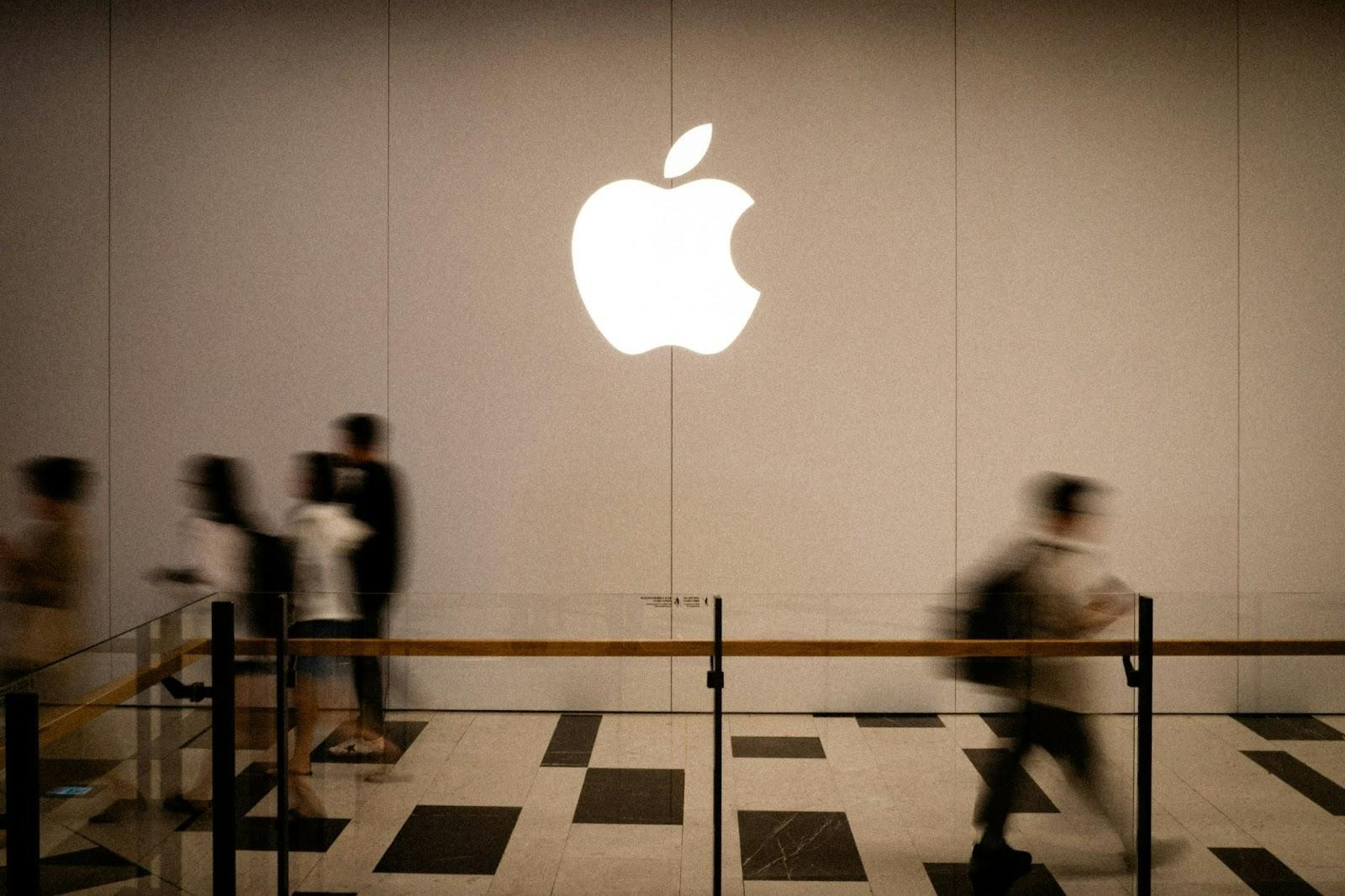
Apple does not sell devices. It sells belonging to a tribe defined by creativity, innovation, and premium design.
How Apple influences consumers:
Behavioral trigger: Apple leverages the Endowment Effect. Once users enter the ecosystem, leaving feels like losing value, comfort, and identity.
Impact: People line up for days for new releases, defend the brand online fiercely, and often refuse to switch to other (sometimes cheaper or more spec-powerful) alternatives.
Dove shifted the beauty category from appearance to self-worth with its “Real Beauty” campaign. It challenged the stereotypes through emotional storytelling
How Dove influences consumers:
Behavioral trigger: Dove taps into emotional vulnerability around body image, creating an emotional bond rather than a functional relationship.
Impact: Dove transformed a commodity product (soap) into a purpose-driven brand. It generated billions in free media, won countless awards, and created a loyal customer base that buys Dove not just for what it does, but for what it represents.
LEGO involves its consumers in brand building. It turns customers into creators and collaborators, not just buyers.
How LEGO influences consumers:
Behavioral trigger: LEGO applies the IKEA Effect. People value products more when they help create them.
Impact: Lego has a dedicated, self-sustaining community that constantly creates free marketing content, provides direct R&D ideas, and defends the brand. They survived near-bankruptcy by re-engaging their core adult fanbase.
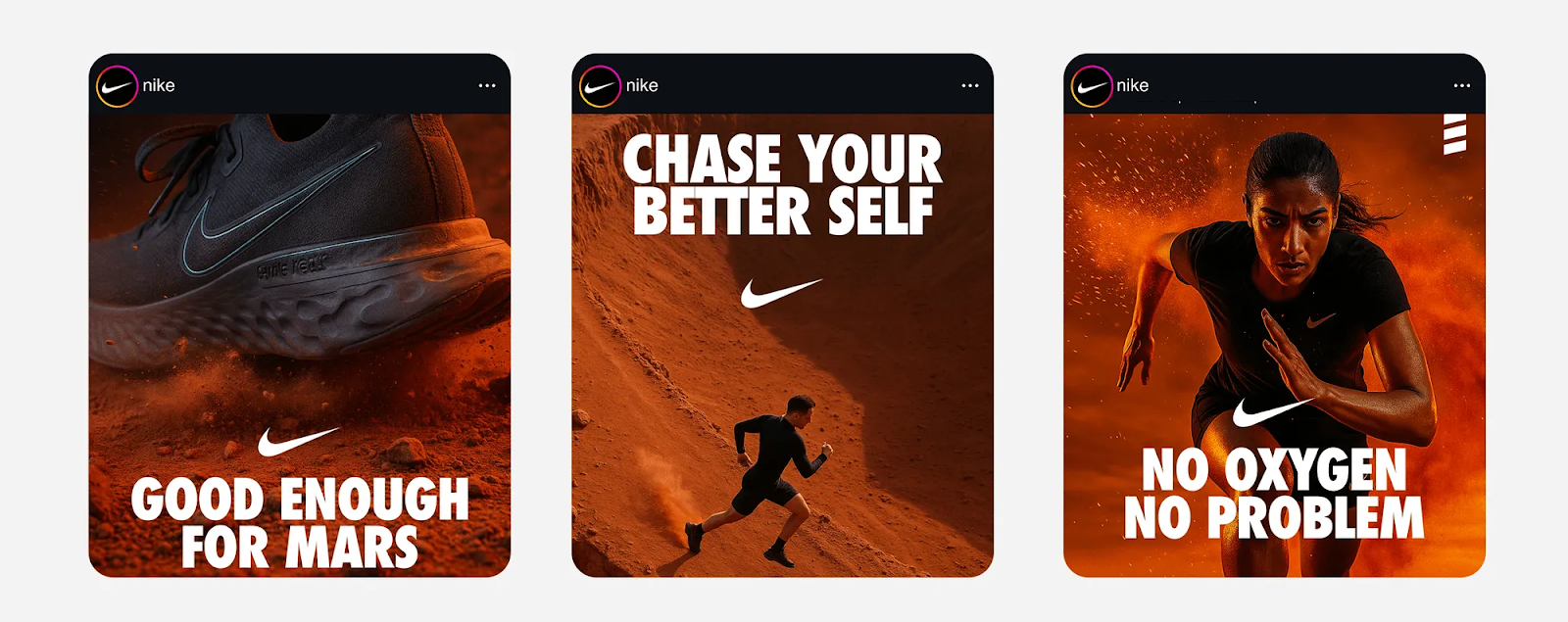
Nike sells the dream of athletic achievement, not just sneakers and apparel.
How Nike influences consumers:
Behavioral trigger: Nike uses hero archetypes to drive aspirational purchasing. Wearing Nike makes consumers feel more capable and determined.
Impact: Nike commands premium prices because its products are seen as tools for achievers. Strong loyalty during fitness and lifestyle changes
Tesla’s branding is built around innovation, sustainability, and future-focused thinking.
How Tesla influences consumers:
Behavioral trigger: Tesla establishes premium value perception and social signaling. Ownership communicates wealth, intelligence, and environmental responsibility.
Real-World Impact: Tesla achieved a market valuation higher than legacy automakers for years despite far lower production volume. It created immense pressure on the entire auto industry to pivot to electric vehicles.

Branding shapes how consumers think, feel, and act toward a business.
Although its effects are emotional and psychological, there are ways to track how branding influences awareness, perception, purchase decisions, loyalty, and advocacy.
Measurement must track the journey from:
Awareness → Perception → Preference → Purchase → Loyalty → Advocacy
This shows how branding moves consumers from mental recognition to real action.
Here’s a quick look at some of the key metrics:
Brand awareness shows how easily consumers recall and recognize a brand.
You can't influence purchasing decisions if consumers don't know you exist. Industry leaders typically achieve 40-60% unaided awareness.
It measures how likely customers are to recommend your brand (0-10 scale). This single metric reveals the true impact of branding on consumer behaviour through customer loyalty.
Brands with NPS above 50 grow 2.5× faster than competitors.
Calculation: % Promoters - % Detractors
It is the percentage of customers who continue buying from you
Increasing retention by just 5% can boost profits by 25-95%.
This directly determines whether customers return.
This measures the total revenue expected from a customer over their relationship with your brand
Strong brands achieve 60% higher CLV than weak brands with identical products. This quantifies pure branding value.
Calculation: (Average purchase × Purchase frequency × Customer lifespan) - Acquisition cost
This demonstrates the financial impact of branding on consumer behaviour through willingness to pay.
It measures how much more customers will pay for your brand versus competitors
Brand strength enables 20-40% higher pricing.
Market share growth indicates your branding is successfully influencing more consumers than competitors.
It is calculated as your sales as a percentage of total category sales
How does branding affect consumer purchasing decisions?
Branding influences purchasing decisions by creating trust, emotional connections, and perceived value. Consumers are more likely to choose brands they recognize and trust.
How does brand perception impact consumer behavior?
Brand perception shapes how consumers view product quality, value, and trustworthiness. Positive brand perception increases purchase likelihood, while negative perception drives consumers to competitors.
What role does emotional branding play in influencing consumer behaviour?
Emotional branding creates deep connections with consumers by tapping into feelings like nostalgia, happiness, or belonging. These emotional bonds drive loyalty and repeat purchases beyond rational decision-making.
How can businesses measure the impact of branding on consumer behavior?
Businesses can measure brand impact through brand awareness surveys, Net Promoter Score (NPS), customer retention rates, social media engagement, and brand perception studies.
Can negative branding impact consumer behavior?
Yes, inconsistent or negative branding damages trust, confuses consumers, and drives them to competitors. Brand scandals or misalignment with consumer values can severely impact buying behavior.
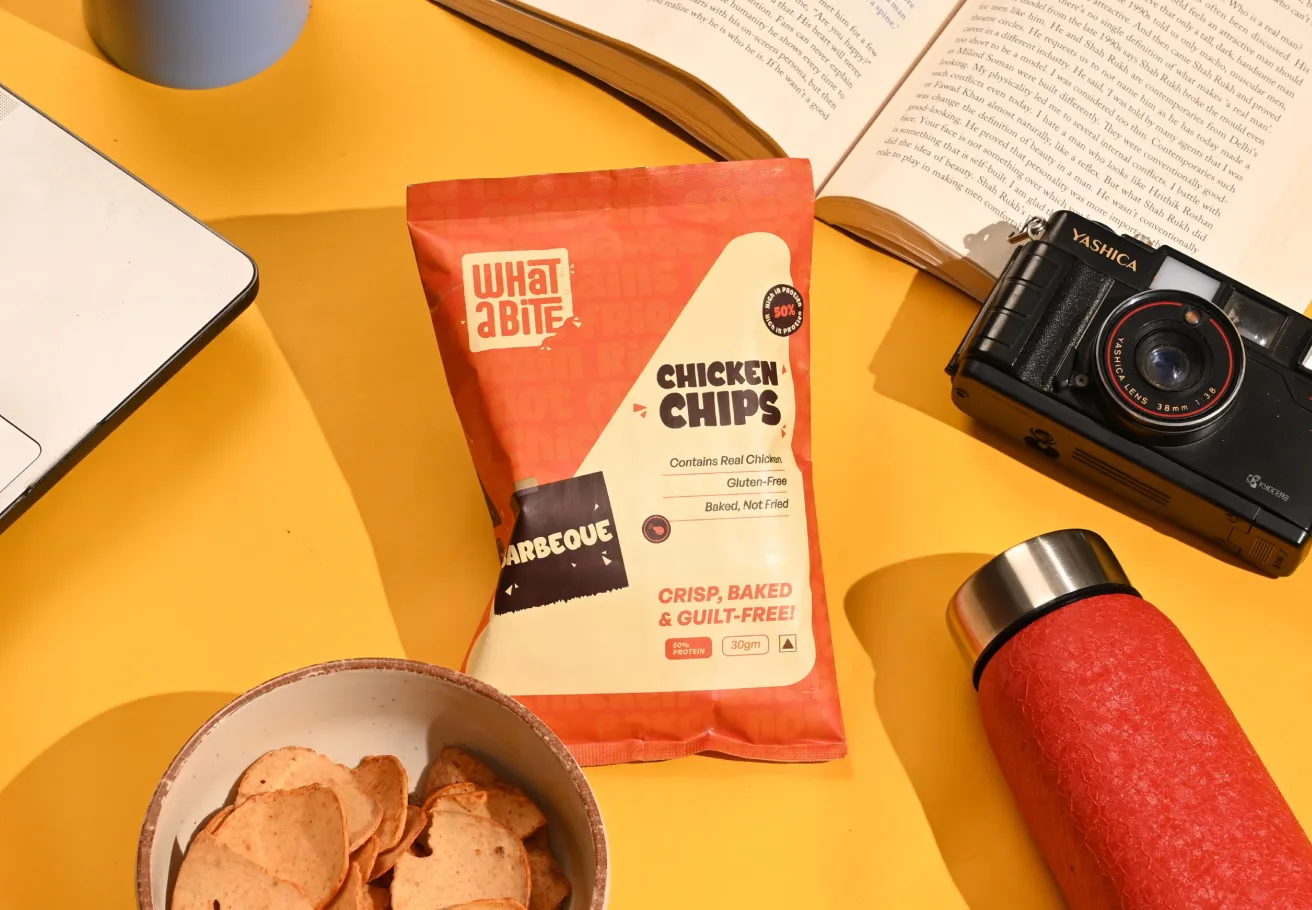
Want strategic branding and packaging like this for your business?





.webp)
.webp)

.webp)
.webp)
.webp)
.webp)
.webp)






.svg)
.svg)
.webp)